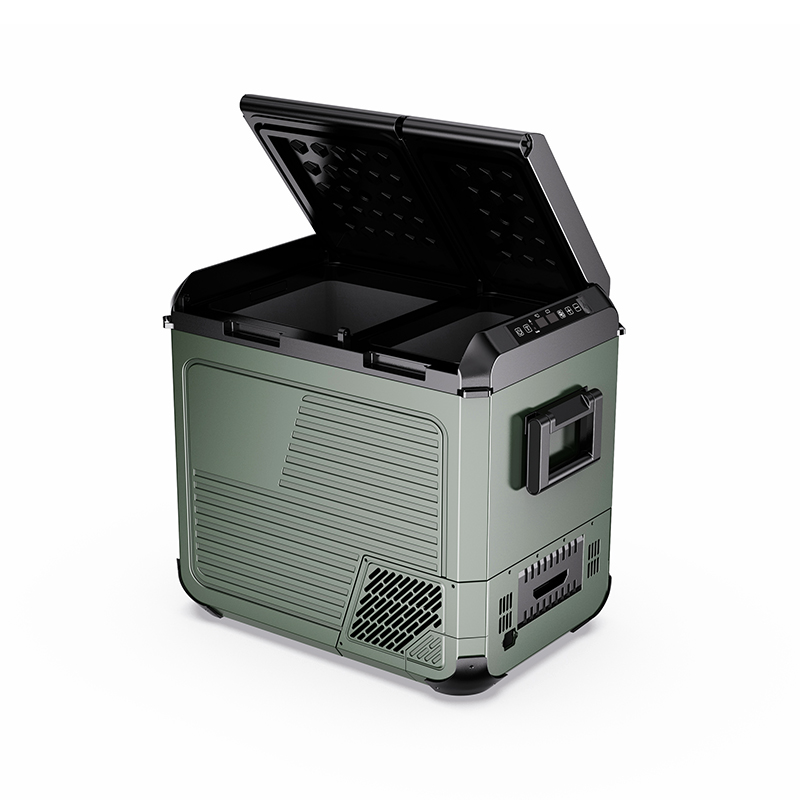
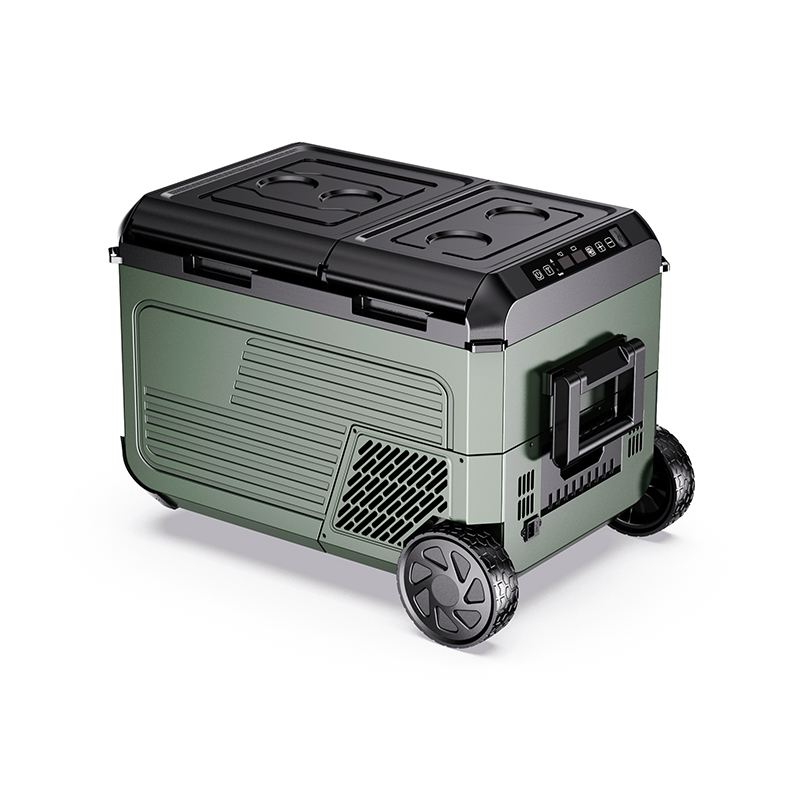
Outdoor freezers are specialized cooling units engineered to function reliably in open-air or rugged environments. These units cater to outdoor professionals, adventurers, campers, and emergency services requiring dependable refrigeration far from conventional power sources.
These freezers usually support both AC and DC power inputs, allowing use with portable generators, solar panels, or vehicle power systems. Built with enhanced insulation, shock-proof casing, and secure locking systems, outdoor freezers are tailored for mobility and durability.
A distinguishing feature of outdoor freezers is their adaptability in off-grid setups. Many models offer solar compatibility or energy-efficient inverter compressors to minimize energy consumption in remote locations. Anti-tilt designs and reinforced exteriors help withstand movement, impact, or temperature shocks during transport or field use.
With digital control panels, adjustable partitions, and multiple storage modes, users can tailor the freezer’s performance to different applications.
The FD-35/45/55 Camping Electric Cooler Freezer Mini Fridge is a ...
The FD-35T/45T/55T Dual-Zone Fridge is a portable cooling unit de...
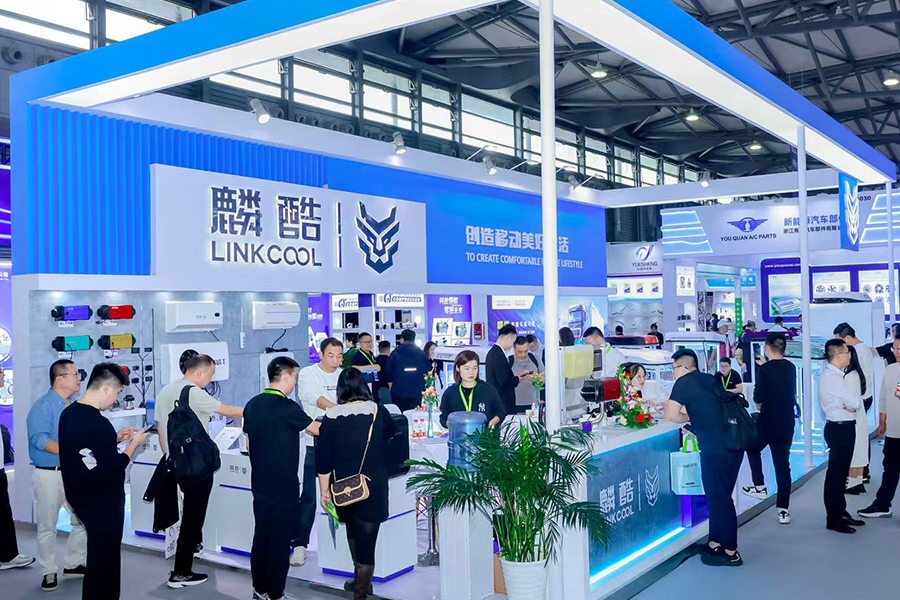
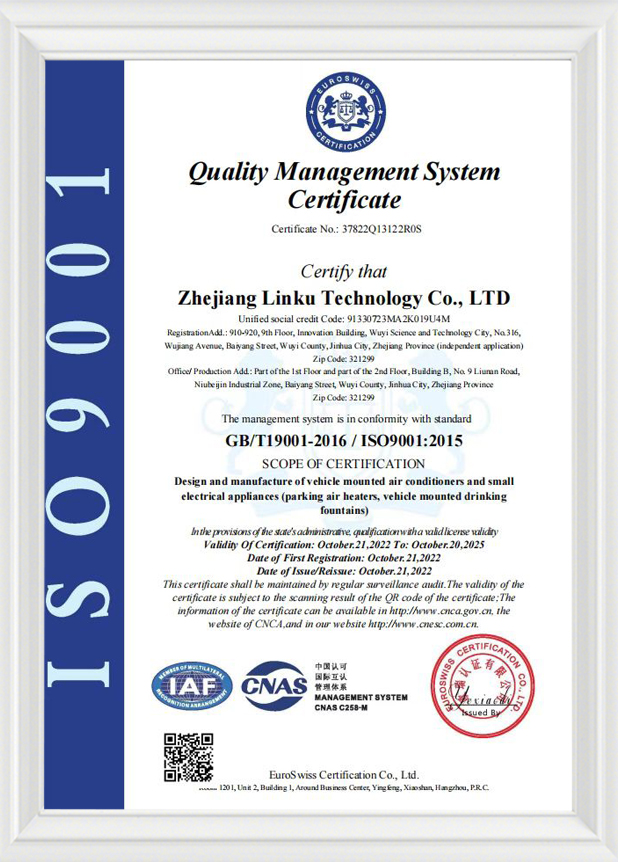
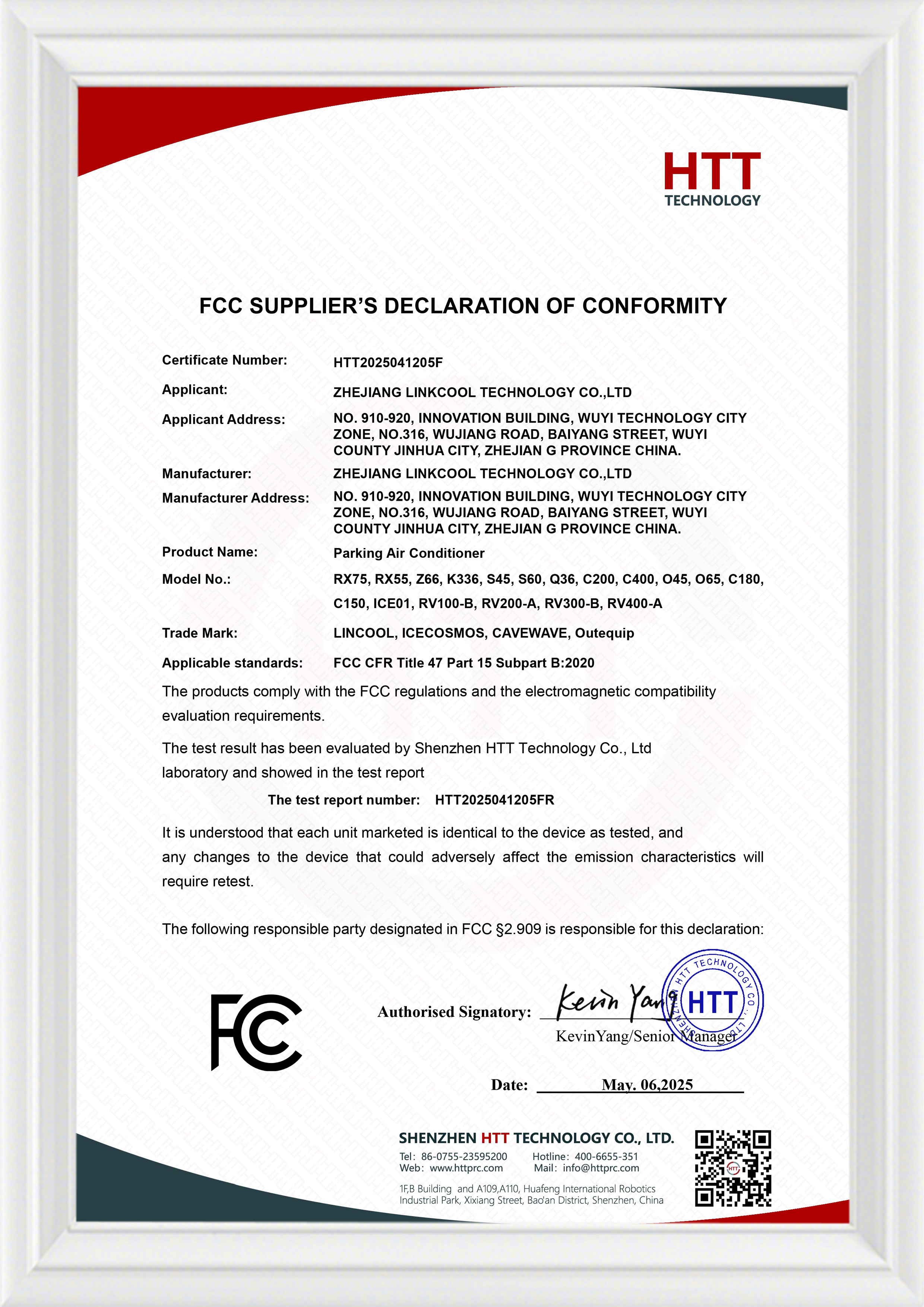
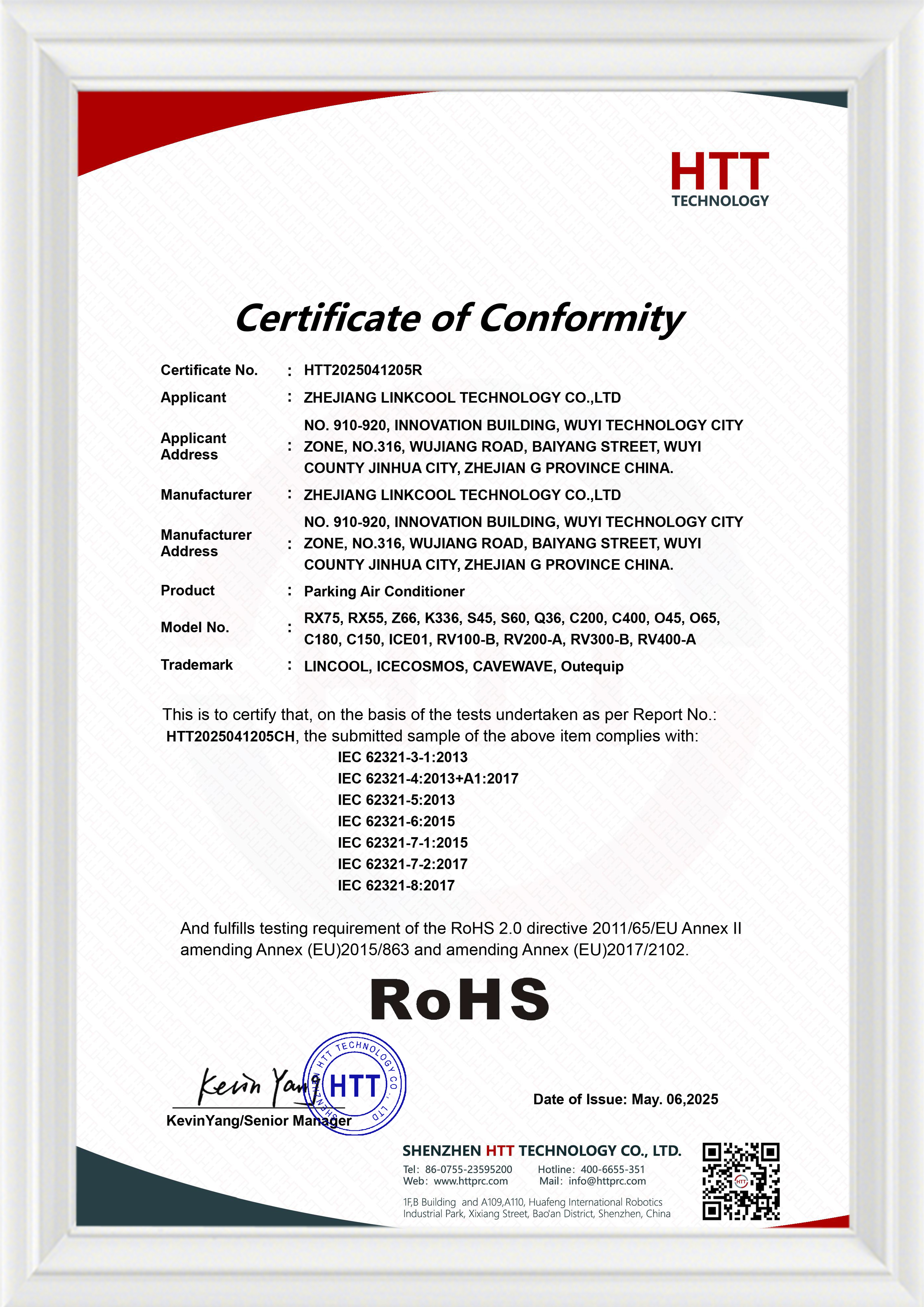
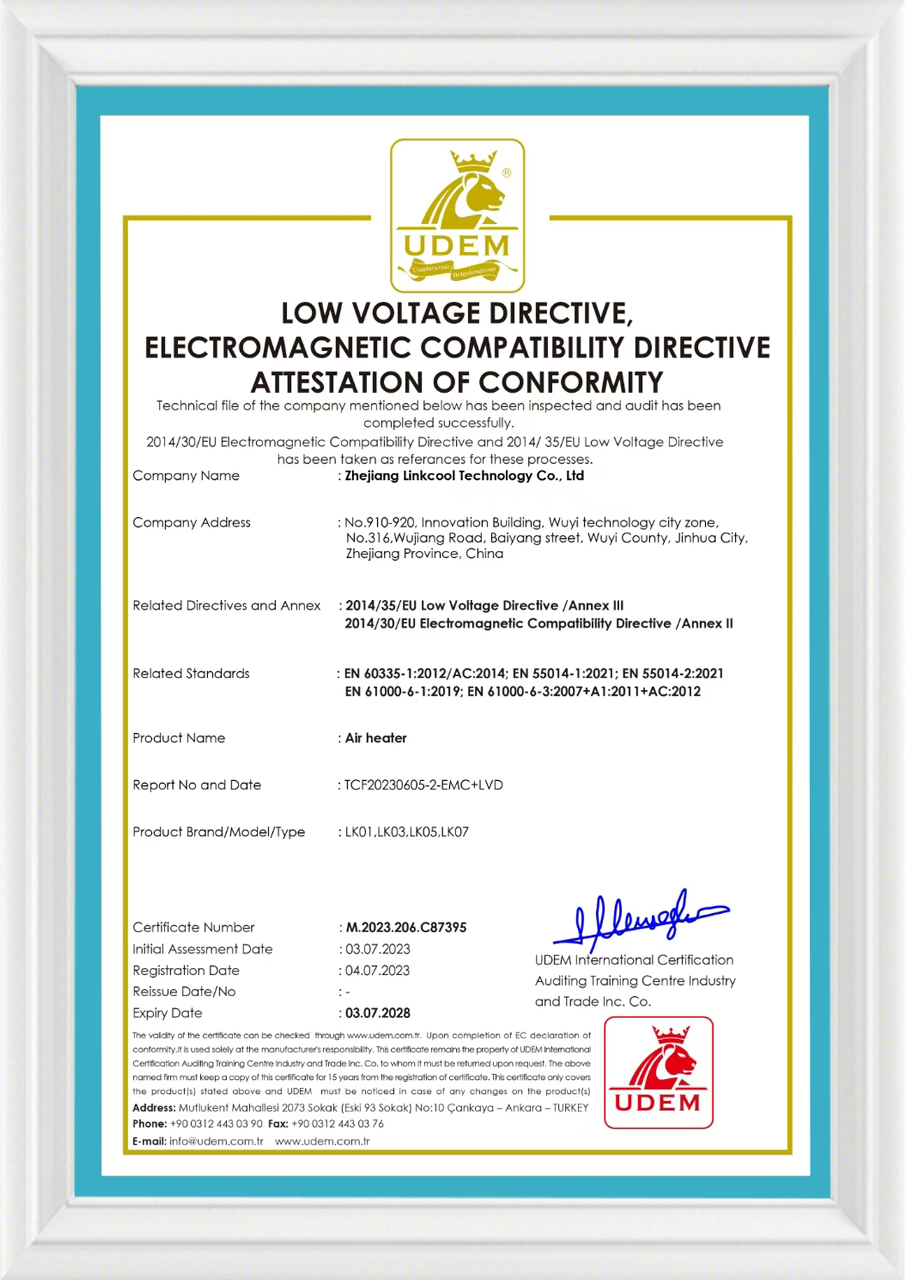
Zhejiang Linkcool Technology Co., Ltd. is China Outdoor Freezer Manufacturer and Sale Outdoor Freezer Factory. It focuses on the research, development, production and sales of automotive new energy appliances. Its main products include parking air conditioners, parking heaters and car water dispensers. As an integrated industrial and trade enterprise, we are committed to providing customers with high-quality, high-performance automotive appliances and outdoor camping appliances. We have more than 800 after-sales service outlets across the country.
Zhejiang Linkcool Technology Co., Ltd. covers an area of 20,000 square meters, providing employees with a spacious working environment. It currently has more than 150 employees and a professional R&D team and production team. We actively conduct technical exchanges and cooperation with industry experts and partners to jointly promote technological progress in the industry.
RV air conditioning is usually discussed in terms of BTU capacity and power consumption, but the physical location of the cooling ...
View MoreA larger tent does not automatically require a dramatically larger air conditioner. Outdoor cooling behaves differently from resid...
View MoreOn September 17, the 10th China "Heating and Cooling Intelligent Manufacturing" Awards Ceremony was held in Shanghai, where Zhejia...
View MoreWinter driving creates two different heating demands for commercial vehicles. A truck may need a warm sleeper during an overnight ...
View MoreOutdoor Freezer Industry Knowledge Extension
A camping refrigerator is not a mini version of the one in a kitchen. Home fridges use a compressor that runs on household current and assumes unlimited power. A camping refrigerator uses either a small, efficient compressor (the 12V/24V DC type) or an absorption system (the propane/120V/12V type). Each works differently.
Precautions for using a camping refrigerator
A 12V small fridge freezer camping setup with a 100Ah lithium battery typically runs 2–3 days without recharging, assuming normal use and moderate outside temperatures.
On a 35°C day with the fridge set to 2°C and opened ten times, the compressor runs almost continuously. Consumption jumps to 2–3 amps per hour. That same 100Ah battery lasts barely 30 hours. On a 15°C night with the fridge already cold and the lid untouched, consumption drops to 0.3 amps per hour. That same battery stretches past a week.
A camping cooler freezer comes with a specification sheet that confuses more than it helps. Here is what each number actually means.
How a camping cooler freezer actually cools
A small DC compressor does the same job as a home fridge's compressor, just scaled down. Here is the sequence.
Why camping cooler freezers differ from home fridges
+86-18657986688
sale@lkcool.net
Building B, No. 9 Liunan Road, Niubeijin Industrial Zone, Baiyang Street, Jinhua, Zhejiang, China
Copyright © Zhejiang Linkcool Technology Co., Ltd. All Rights Reserved.
 Privacy Policy
China Dual Fridge Freezer Camping


 English
 Español