When the truck is moving at highway speed, air rushes through the condenser at 80–100 km/h, carrying heat away efficiently. At idle, the condenser fan is the only thing moving air. Many heavy trucks have an electric condenser fan, but some older models rely on a mechanical fan attached to the engine—and that fan spins slowly at idle (500–800 rpm versus 1,500–2,000 rpm at speed). Let me break down what's happening:
Airflow difference: At idle, the condenser receives only 30–50% of the airflow it needs, depending on fan design. This reduces heat rejection by about 40–60%. The refrigerant leaving the condenser stays hotter (55–70°C instead of 40–50°C), so the evaporator can't cool the cabin properly.
Compressor speed drop: The AC compressor is belt-driven off the engine. At idle, the compressor turns at roughly 600–1,000 rpm, producing only 40–60% of its rated refrigerant flow. At cruising speed (1,500–2,000 engine rpm), the compressor spins faster and moves more refrigerant.
Solutions: Check that the electric condenser fan operates when the AC is on. Some trucks have a fan that cycles on and off with pressure; it should run continuously at idle. For mechanical fans, a fan clutch that isn't engaging fully will cause poor idle cooling. Also, a dirty condenser—dust, bugs, oil film—reduces heat transfer by 20–40% regardless of fan speed. Cleaning the condenser with a degreaser and low-pressure water (direct spray can bend fins) often helps.
How does a heavy truck AC system differ from a car system in terms of components and durability? (Bullet points)
Truck AC components are built differently because the operating environment is harsher. Here are the main differences:
Compressor type and mounting: Most heavy trucks use reciprocating piston compressors (York, Tecumseh, or Sanden SD series) with displacement of 600–1,200 cc. Car compressors are usually swash-plate or scroll types (120–250 cc displacement). Truck compressors have larger internal clearances (0.05–0.10 mm piston-to-cylinder) to tolerate vibration and thermal expansion, whereas car compressors run tighter (0.02–0.04 mm) for efficiency.
Refrigerant lines: Truck lines are longer (3–6 meters) and use larger diameters—typically 3/8 inch for liquid lines and 1/2 or 5/8 inch for suction lines, compared to 1/4 and 3/8 inch on cars. The longer lines hold more refrigerant (1.2–2.5 kg for a truck sleeper system vs. 0.6–0.8 kg for a car). They also have more connections (6–12 threaded or crimped fittings), each a potential leak point.
Vibration isolation: Truck compressors use heavy-duty mounting brackets with rubber vibration isolators (10–20 mm thick). The condenser and evaporator are mounted on rubber grommets. Without these, copper-to-aluminum joints would crack within 10,000–20,000 km of rough roads. Cars use much softer mounts because road vibration is lower frequency.
Sleeper systems: Many trucks have a separate evaporator and blower for the sleeper compartment. This adds a second expansion valve, additional refrigerant lines, and often a bypass valve to shut off flow to the sleeper when it's not needed. The sleeper evaporator is typically smaller (60–80% of the cab evaporator capacity) and located under the bunk or in a sidewall.
Corrosion protection: Truck condensers are exposed to road salt, mud, and debris. Most use micro-channel aluminum with a thicker fin material (0.15–0.20 mm vs. 0.10–0.12 mm for cars) and a multi-layer epoxy coating on the fins. A car condenser might last 8–10 years in the same environment; a truck condenser is redesigned to last 4–6 years of heavy use, but that's considered acceptable given the abuse.
How can a driver tell if the AC problem is low refrigerant, a bad compressor, or a clogged expansion valve?
These three failures produce different symptoms, and you can narrow it down without special tools—though a basic manifold gauge set helps.
Low refrigerant (undercharge): This is the most common problem, responsible for 50–60% of truck AC service calls according to fleet maintenance records. Symptoms include:
Air from vents is cool but not cold (maybe 15–20°C on a 30°C day, instead of 5–10°C)
The compressor cycles on and off rapidly—every 10–30 seconds—because the low-pressure switch keeps tripping
Sight glass (if equipped) shows bubbles or foam when the system is running; a fully charged system shows a clear, bubble-free stream
The suction line (thick pipe from evaporator to compressor) is not cold to the touch; it feels barely cool or room temperature
Bad compressor (low compression): A worn compressor doesn't pump refrigerant effectively. Symptoms:
No cooling at any engine speed, even at highway rpm
The clutch engages and the compressor turns, but the suction line never gets cold
The high-side pressure stays low (below 500–800 kPa) even at high engine speeds
You might hear a knocking or rattling sound from the compressor—worn bearings or loose pistons
Often accompanied by black debris in the refrigerant (visible through the sight glass or on the expansion valve screen)
Clogged expansion valve (restricted flow): The expansion valve meters refrigerant into the evaporator. When it sticks partially closed or clogs with debris:
The suction line may frost or collect ice at the valve outlet
The evaporator gets cold only in one spot; the rest stays warm
High-side pressure may be normal or slightly high, while low-side pressure drops too low (below 100–150 kPa)
The compressor might run continuously without cycling off because the low-pressure switch never gets enough return pressure
How to check without gauges: Run the AC at high idle (1,000–1,200 rpm) for five minutes. Feel the two pipes at the compressor:
The large (suction) pipe should be cold enough that your hand gets uncomfortable holding it (5–15°C). If it's warm, low charge or bad compressor.
The small (discharge) pipe should be hot (60–80°C)—too hot to hold for more than a second. If it's only warm, the compressor isn't compressing.
Look at the evaporator drain tube under the truck. In humid weather, water should drip from it. No drip means the evaporator isn't cold enough to condense moisture—again, low refrigerant or bad compressor.
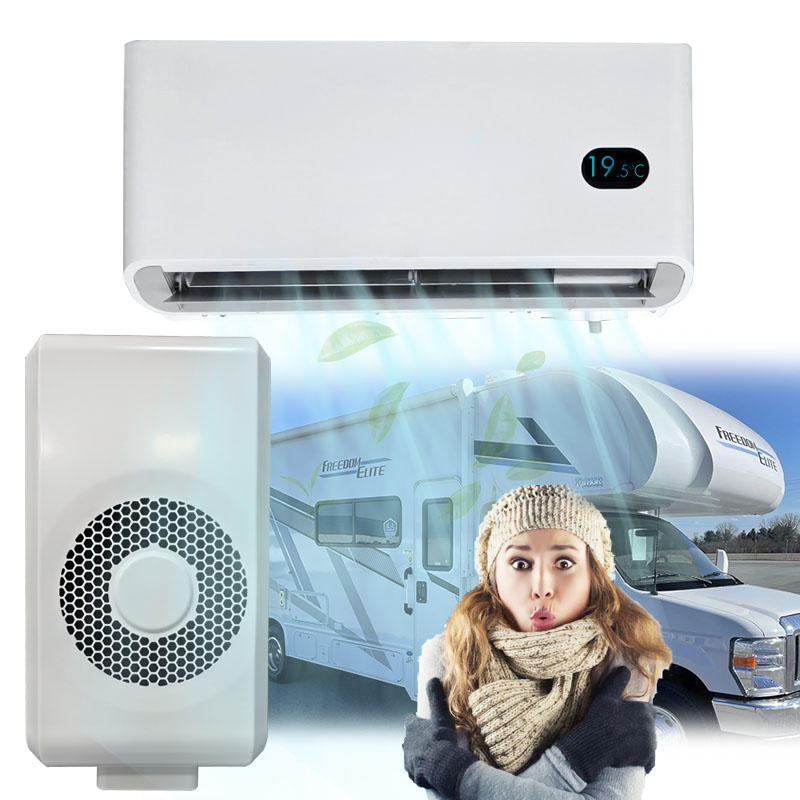 Portable Split Parking Air Conditioner for RV
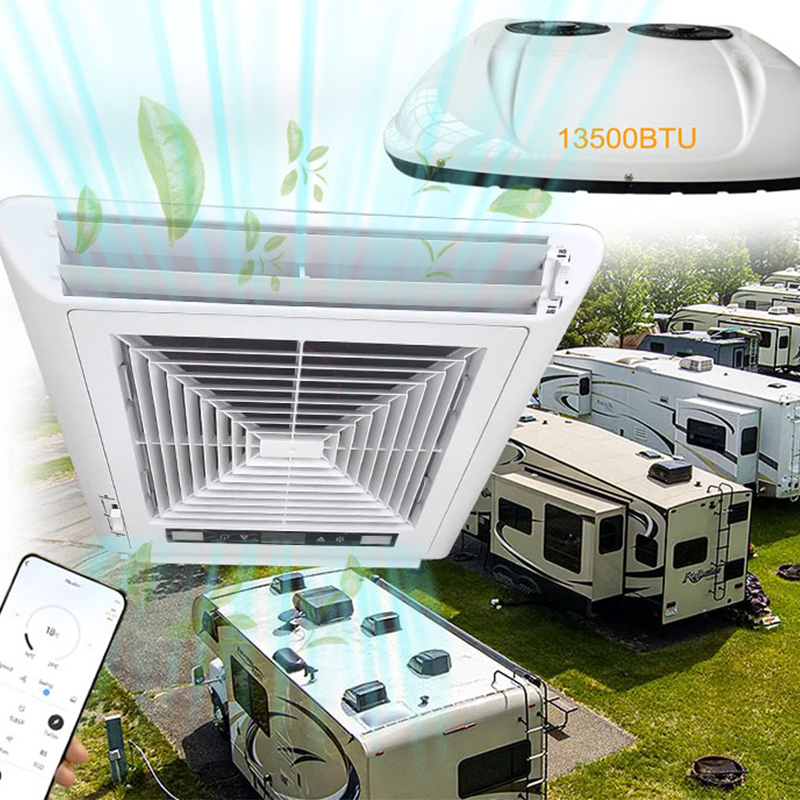 Portable Split Parking Air Conditioner for RV
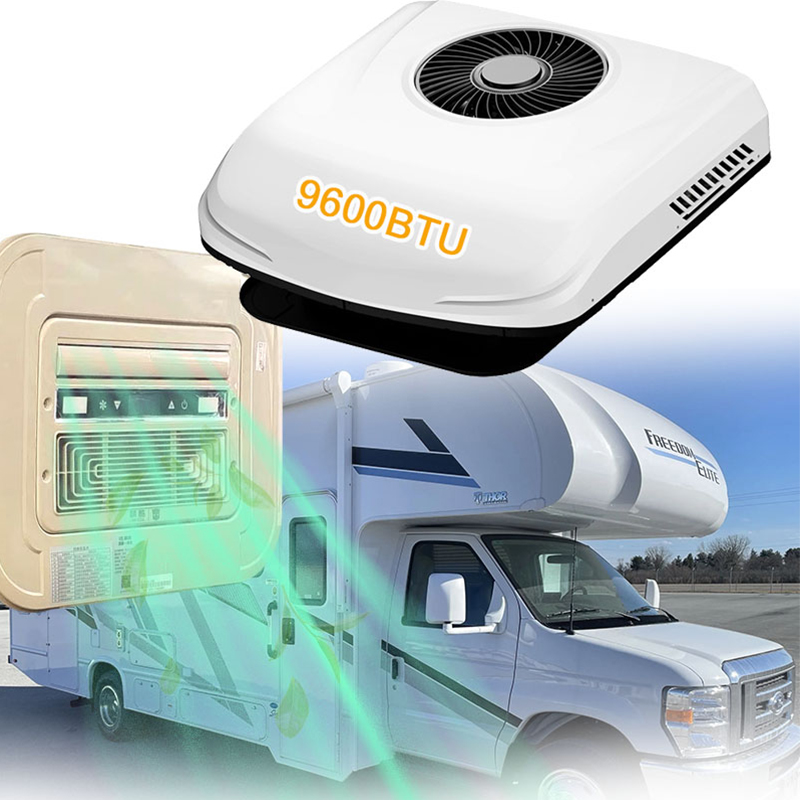 Portable Split Parking Air Conditioner for RV
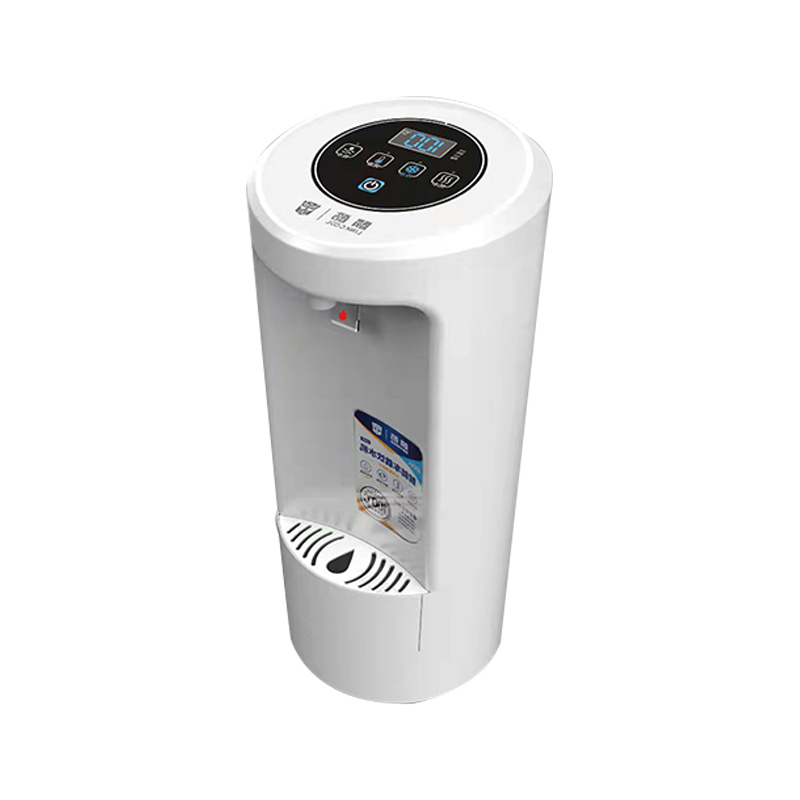 Hot Water Dispenser
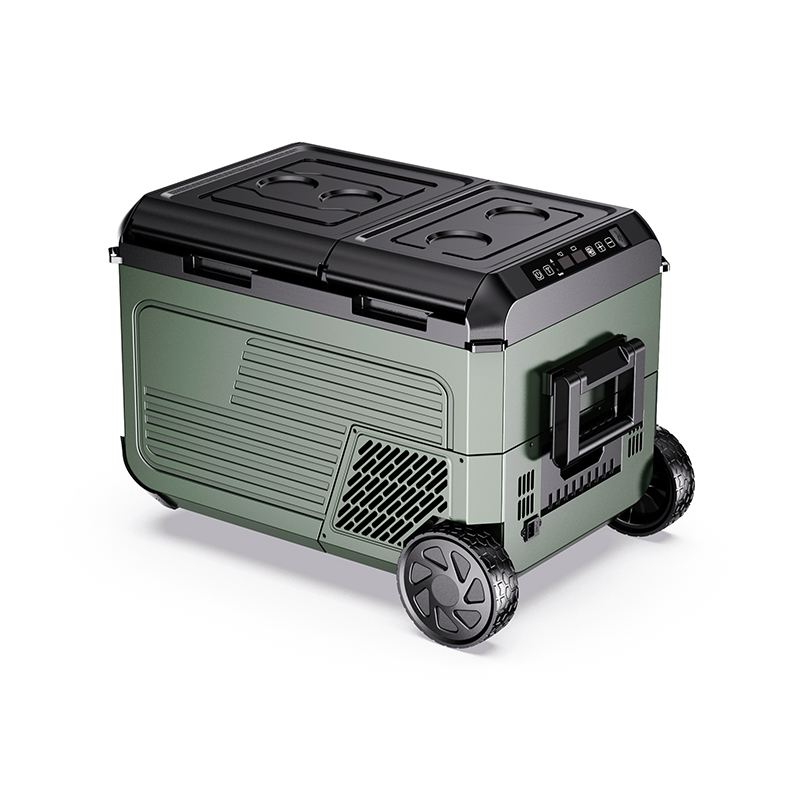 Outdoor Freezer
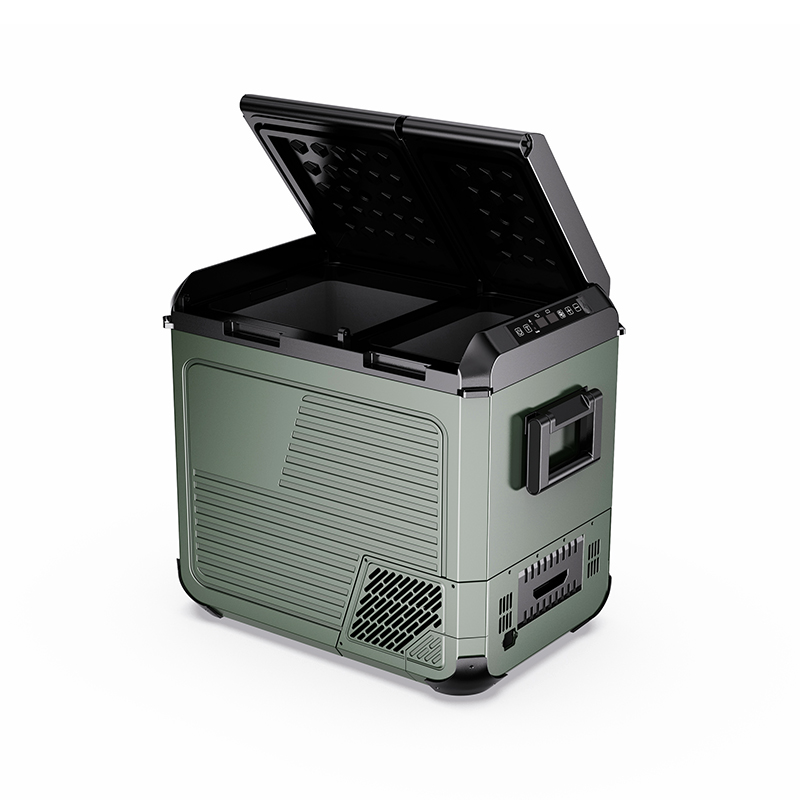 Outdoor Freezer
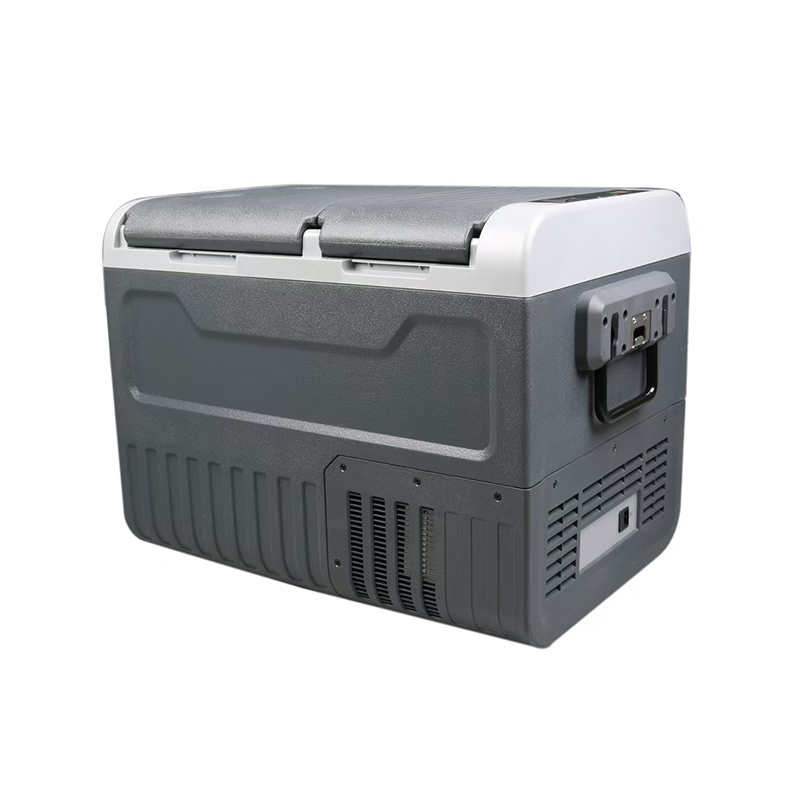 Car Refrigerator
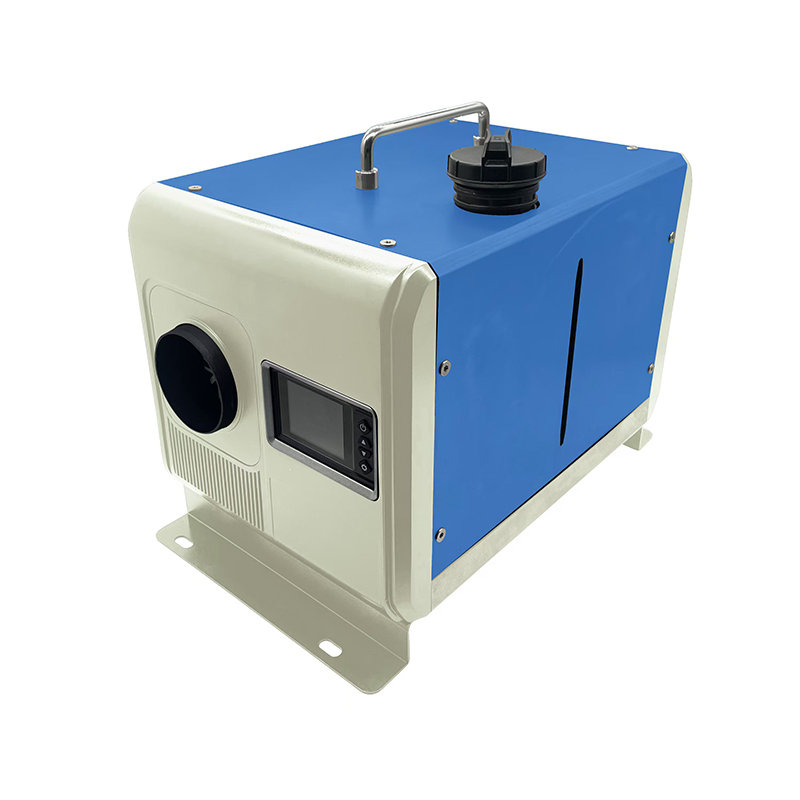 Diesel Heater For Vehicles
+86-18657986688
sale@lkcool.net
Building B, No. 9 Liunan Road, Niubeijin Industrial Zone, Baiyang Street, Jinhua, Zhejiang, China


 English
 Español