Content
Cabin temperatures in a parked vehicle can climb to dangerous levels within minutes on a warm day. For professional drivers who depend on rest stops to recover before continuing a route, that heat does not just cause discomfort — it directly undermines the quality of the rest period and the alertness that follows. Engine idling keeps the standard climate system running, but at a fuel and maintenance cost that fleet operators increasingly cannot justify. A Van Air Conditioner designed to operate independently of the engine offers a different approach: maintaining a stable thermal environment in the cabin while the vehicle sits — at a fraction of the running cost of idling, and without the regulatory exposure that idle restrictions now create in many operating regions.
A closed vehicle absorbs solar radiation through glass surfaces and body panels, rapidly converting sunlight into cabin heat. On a warm day with direct sun exposure, interior temperatures can reach levels that are actively dangerous within a short period. This happens regardless of the external air temperature — a moderately warm day with strong sun creates the same interior heat problem as a significantly hotter day with cloud cover.
The heat buildup rate depends on:
For van operators and long-haul drivers using the vehicle as a rest environment, this is not a theoretical concern. It is a daily operational reality.
High ambient humidity reduces the body's ability to cool itself through perspiration. In humid conditions, a cabin temperature that would be manageable in dry air becomes genuinely uncomfortable at lower temperature readings. For drivers attempting to sleep during a rest period, elevated humidity combined with moderate heat produces a rest environment that does not allow genuine recovery.
Extended exposure to elevated temperatures reduces cognitive function — reaction time lengthens, attention narrows, and decision-making slows. For drivers returning to the road after a rest period in a hot cabin, these effects are present from the moment they resume driving. The rest period did not serve its purpose because the thermal environment prevented genuine recovery.
The relationship between thermal environment and cognitive performance is well established in occupational health research. What is less frequently recognized is that the relevant exposure is not just the driving environment — it includes the rest environment that precedes the next driving period.
Effective sleep requires the body to lower its core temperature. In a hot, poorly ventilated cabin, this thermoregulatory process is disrupted. Drivers who sleep in warm environments wake less restored than those who sleep in thermally neutral conditions, even when total sleep duration is the same.
For professional drivers operating under regulated rest requirements, the quality of rest matters as much as its duration. A mandated rest period spent in an overheated cab does not meet the safety intent of the regulation, even if the hours are technically logged.
Running the engine to power the standard air conditioning system during a rest stop consumes fuel at a rate that adds meaningful operational cost across a fleet's annual operating profile. A single vehicle idling through a required daily rest period over a working year represents a substantial fuel expenditure with no productive output. Across a managed fleet, this cost is amplified to the point where it becomes a significant line in operational budgets.
Engines accumulate wear hours whether the vehicle is moving or idling. Extended idling periods contribute to maintenance intervals — particularly for lubrication systems, which operate under different conditions at idle than at running speed. For fleet operators managing total cost of ownership, idling-related maintenance is a calculable drag on asset value.
Many jurisdictions have introduced restrictions on extended vehicle idling, particularly in urban areas, logistics hubs, and near residential zones. Enforcement varies, but the direction of regulation is clear: idle restrictions are expanding, not contracting. Fleets operating across multiple regions increasingly need to manage idling exposure as a compliance issue, not just a cost issue.
A Van Air Conditioner in the parking or auxiliary context is a self-contained cooling unit designed to operate independently of the vehicle engine. It draws power from an auxiliary battery system, shore power connection, or a dedicated power source — maintaining cabin temperature during rest periods without requiring the engine to run.
Core operating principles:
The system is installed in or on the vehicle and operates on demand — switched on when the driver parks for a rest and switched off when the vehicle resumes operation.
| Factor | Engine Idling | Van Air Conditioner |
|---|---|---|
| Fuel consumption during rest | Continuous — significant per rest period | None — battery powered |
| Engine wear contribution | Yes — adds idle hours to service intervals | None |
| Emissions during rest | Continuous exhaust output | Zero direct emissions |
| Regulatory compliance risk | Increasing in many jurisdictions | No idle restriction exposure |
| Noise during rest | Engine + exhaust noise | Low-noise compressor only |
| Cooling reliability | Dependent on engine health | Independent of drivetrain condition |
| Installation requirement | None — standard system | Requires fitting but minimal ongoing cost |
The comparison is not balanced on installation cost — a parking air conditioner requires an upfront investment that idling does not. The economic case is made over operating time, where the elimination of idle fuel cost and reduced maintenance intervals return the installation cost within a manageable payback period for a broad range of fleet applications.
Truck and van drivers on long routes take mandatory rest breaks that can extend to multiple hours. Without a parking cooling solution, summer months create a choice between expensive idling and inadequate rest. A Van Air Conditioner resolves this by providing the rest environment quality that regulatory intent assumes, without the running cost.
Delivery van operators who park between drops — particularly in urban areas with idle restrictions — need cabin comfort solutions that do not conflict with local regulations. A parking cooling unit allows the driver to rest in comfort between stops without contributing to the fleet's idle record.
Van conversions for extended living or travel use require thermal management solutions that do not depend on connecting to an engine or shore power grid. A self-contained parking air conditioner integrated into the power system of a converted van provides overnight cooling capability across a wide range of climates.
In regions where summer temperatures are consistently high, parking cooling is not a seasonal consideration — it is a year-round operational requirement. Fleet managers in these environments calculate the value of parking AC systems based on daily need rather than occasional use, which strengthens the return on investment case considerably.
The primary design consideration for a battery-powered parking air conditioner is the energy storage capacity required to run through a full rest period. The cooling unit draws power continuously while operating, and the battery bank must hold sufficient charge to support the intended rest duration without depleting to a level that affects engine starting.
Modern lithium battery systems have higher energy density and extended cycle life compared to older lead-acid alternatives, making them better suited to the deep discharge cycles that parking AC use creates. Battery sizing should be matched to the cooling unit's draw and the intended rest duration, with a margin for ambient temperature variation.
Professional installation is standard for commercial vehicle applications where the system needs to integrate with the vehicle's electrical architecture and meet durability requirements for a working vehicle environment.
A well-specified parking air conditioner requires minimal ongoing maintenance compared to the engine maintenance costs it reduces. Standard service activities include:
Fleet procurement teams evaluating parking air conditioner options should consider:
The performance of a parking air conditioner over its service life depends on how it is designed and manufactured — the durability of the compressor, the quality of the refrigerant system, and the robustness of the electrical integration. For fleet operators committing to a solution across a vehicle pool, manufacturing consistency and product support are as important as the initial specification.
Linkcool designs and manufactures parking cooling systems including Van Air Conditioner units for commercial vehicles, logistics fleets, camper vans, and mobile working environments, with product configurations covering a range of vehicle types and operating power requirements. Cooling performance, battery compatibility, and installation specifications are available for review before procurement decisions are made. Zhejiang Linkcool Technology Co., Ltd. works with fleet operators, vehicle converters, and equipment distributors to match cooling system specifications to operational requirements, and can support OEM and ODM projects where integration with specific vehicle platforms or branded product programs is required.
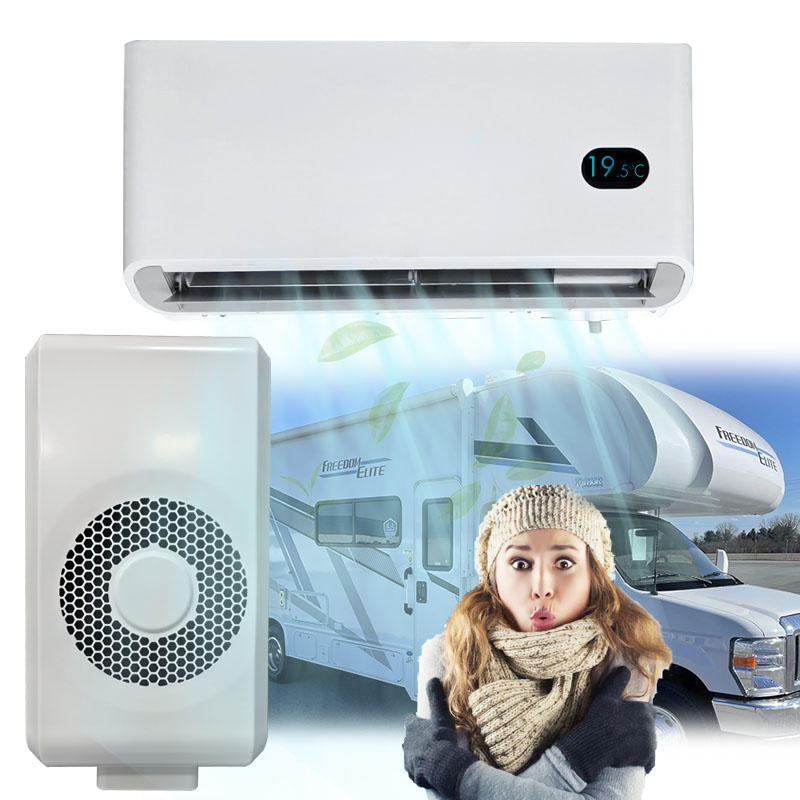 Portable Split Parking Air Conditioner for RV
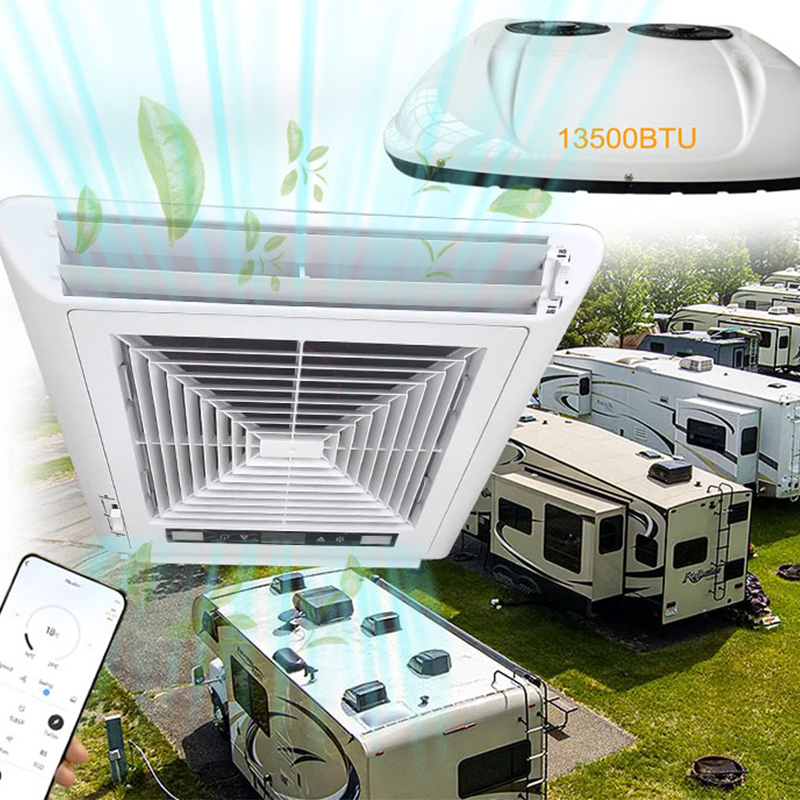 Portable Split Parking Air Conditioner for RV
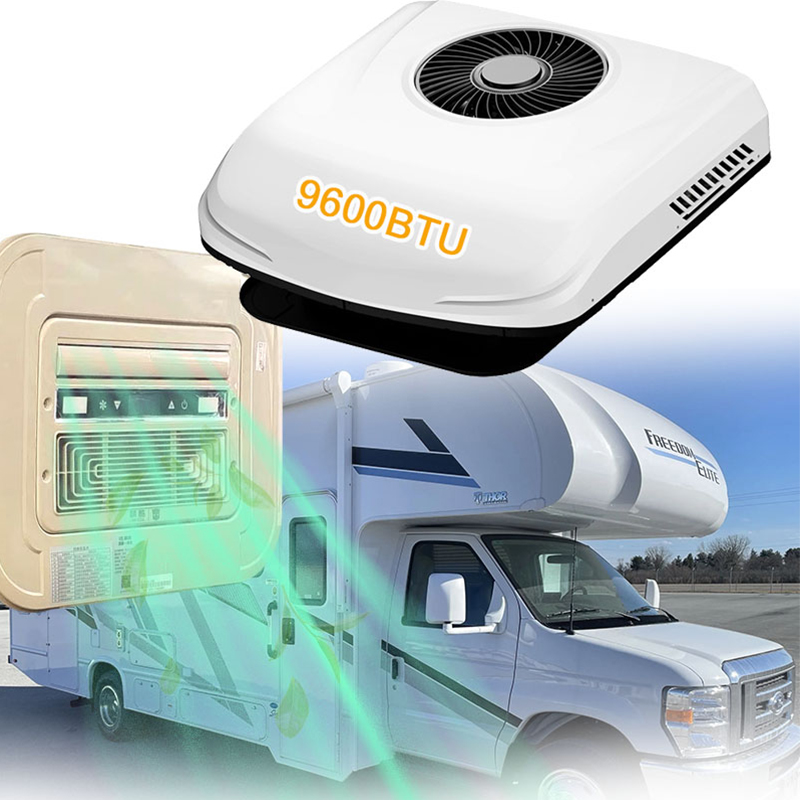 Portable Split Parking Air Conditioner for RV
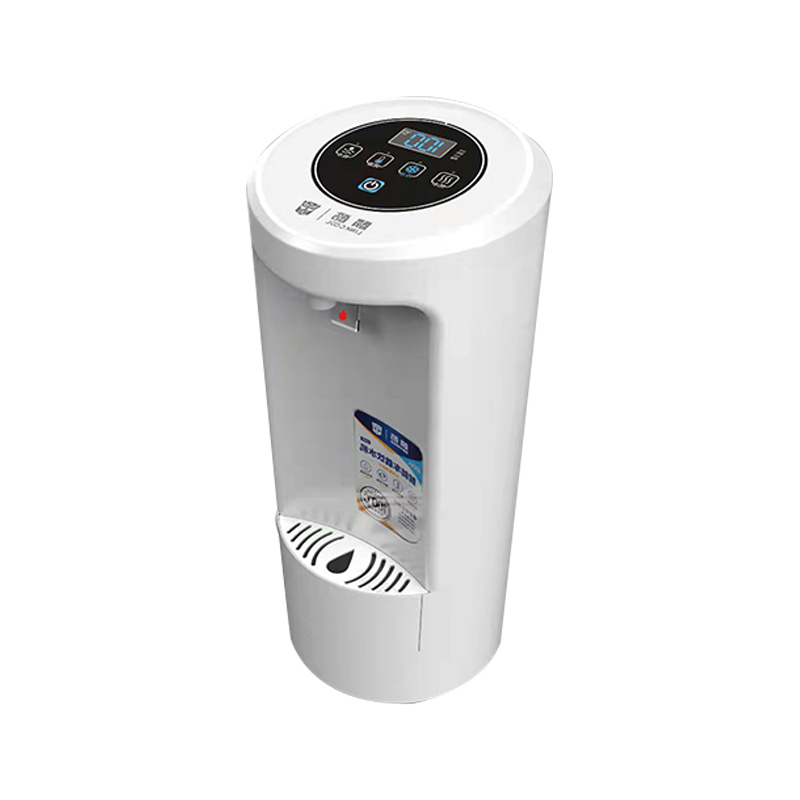 Hot Water Dispenser
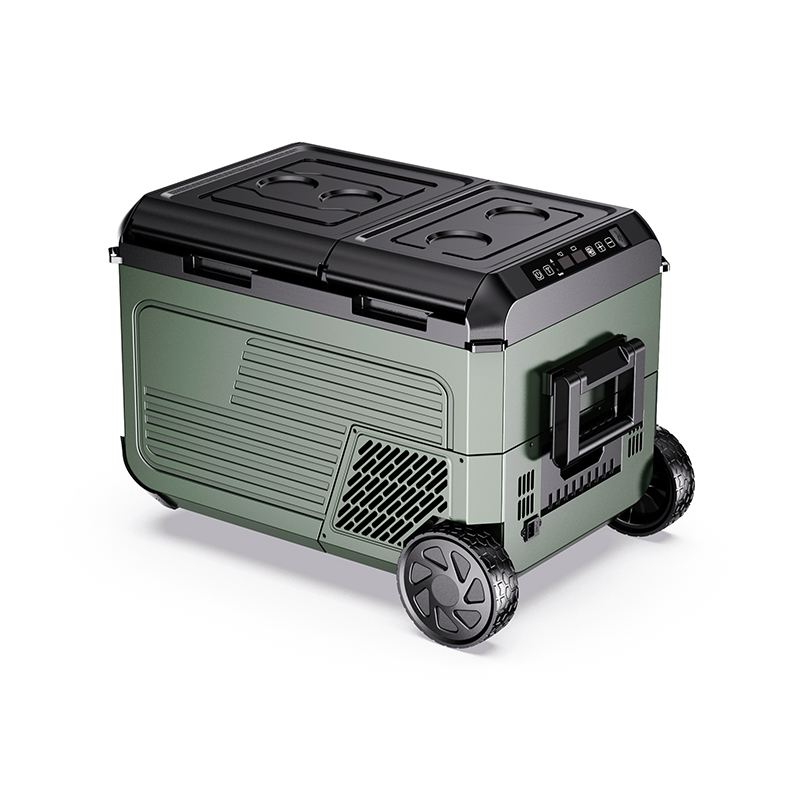 Outdoor Freezer
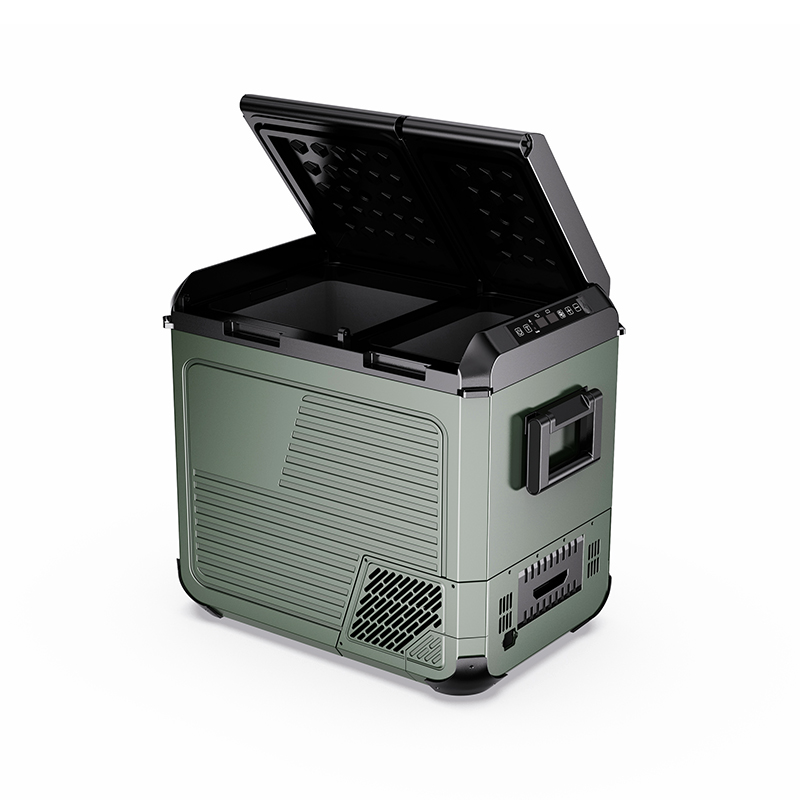 Outdoor Freezer
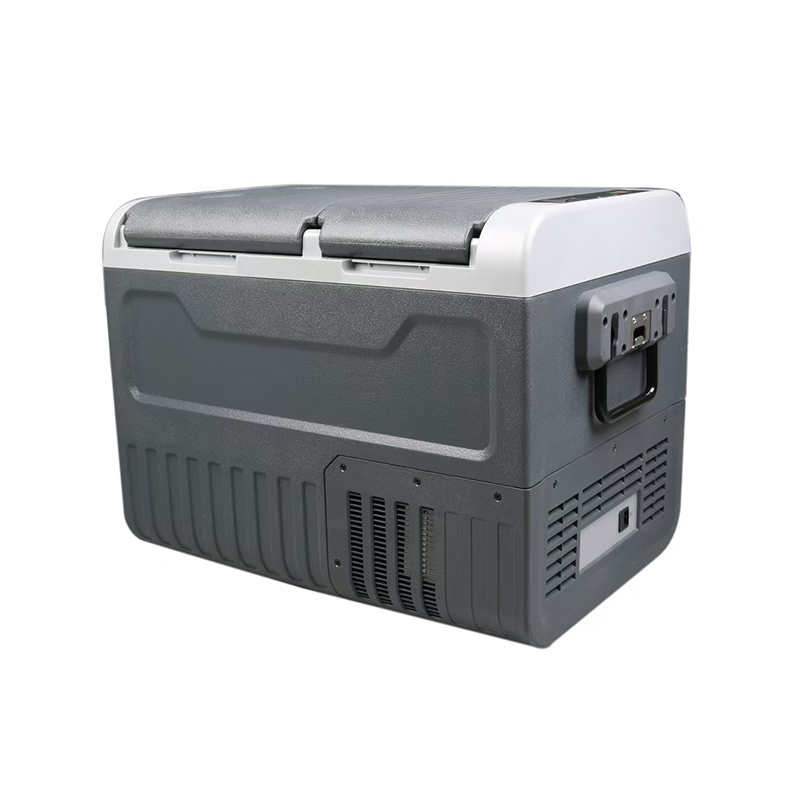 Car Refrigerator
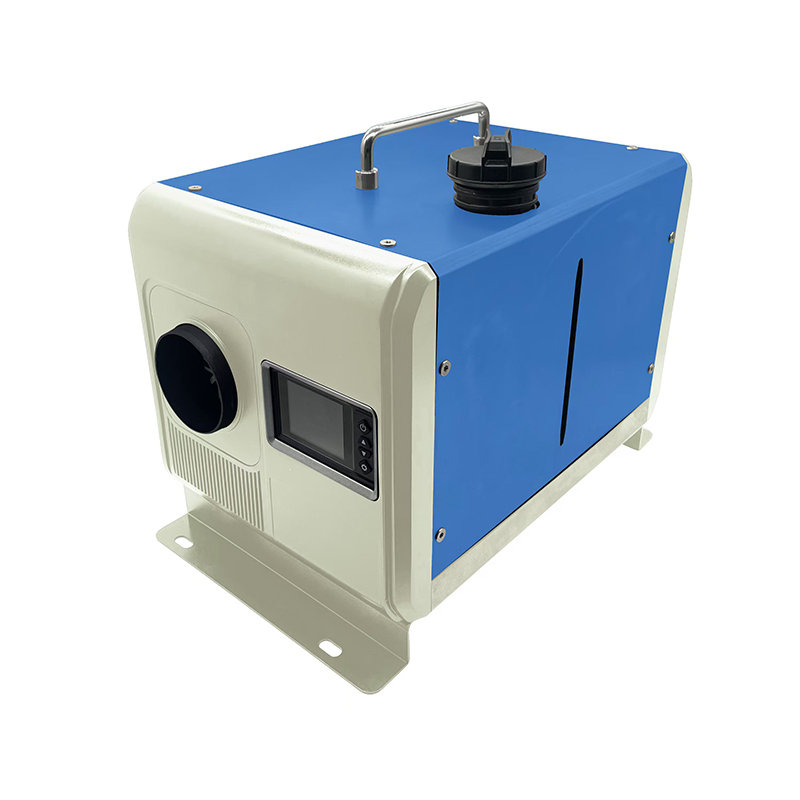 Diesel Heater For Vehicles
+86-18657986688
sale@lkcool.net
Building B, No. 9 Liunan Road, Niubeijin Industrial Zone, Baiyang Street, Jinhua, Zhejiang, China


 English
 Español