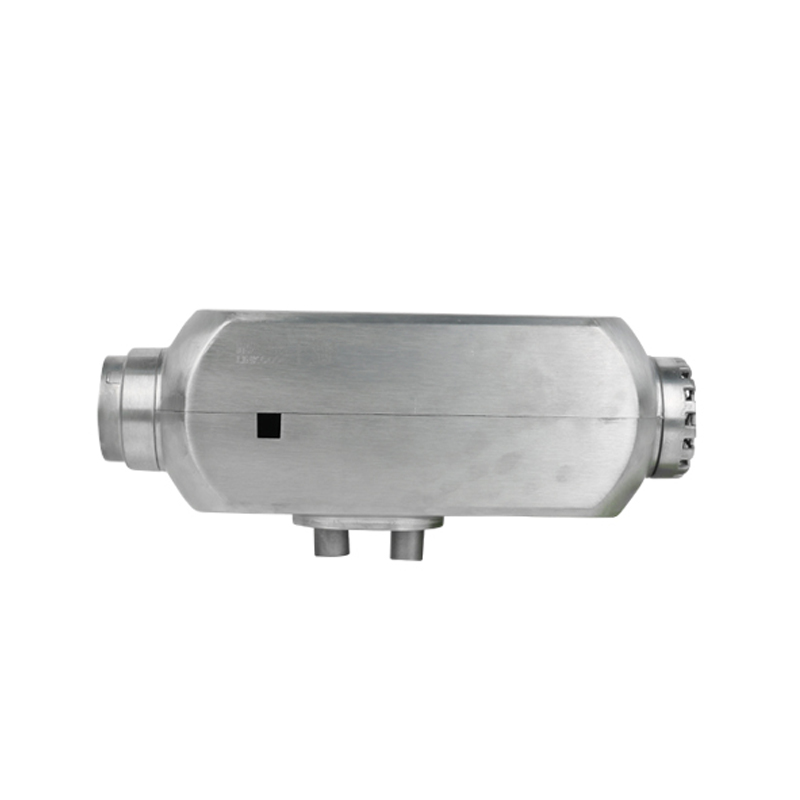
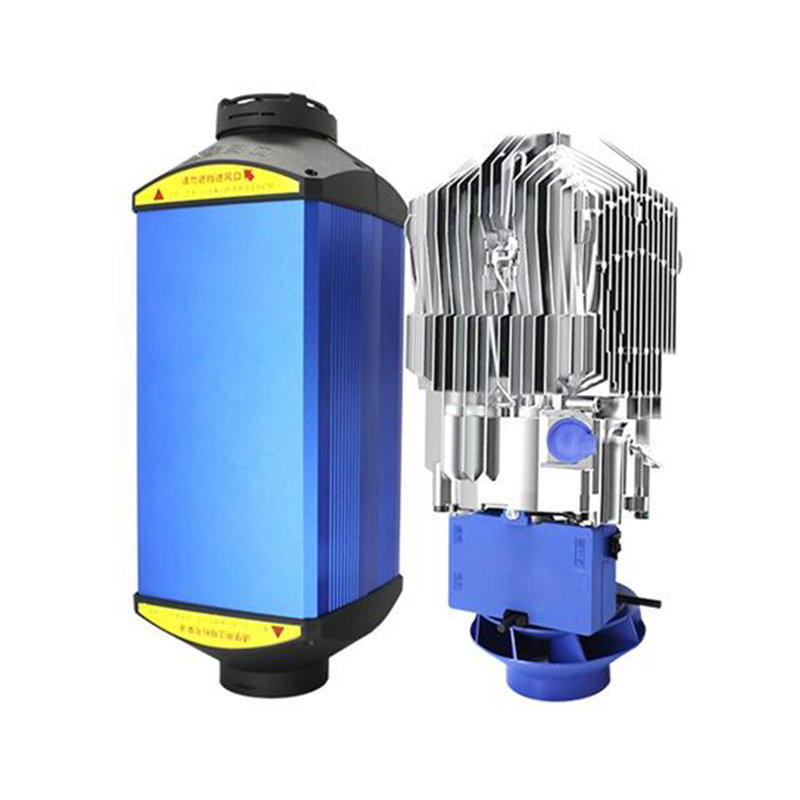
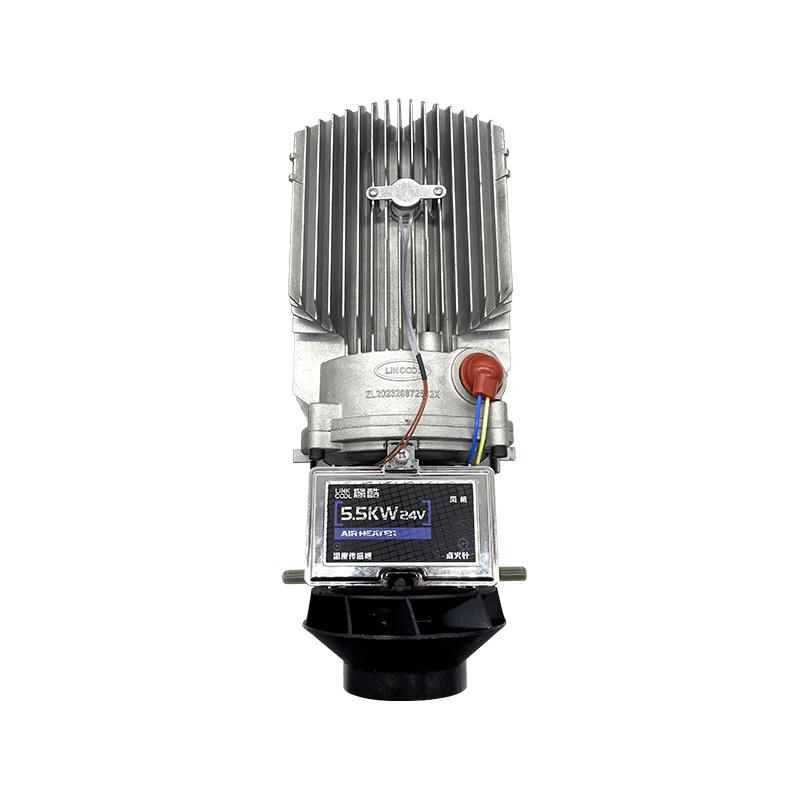
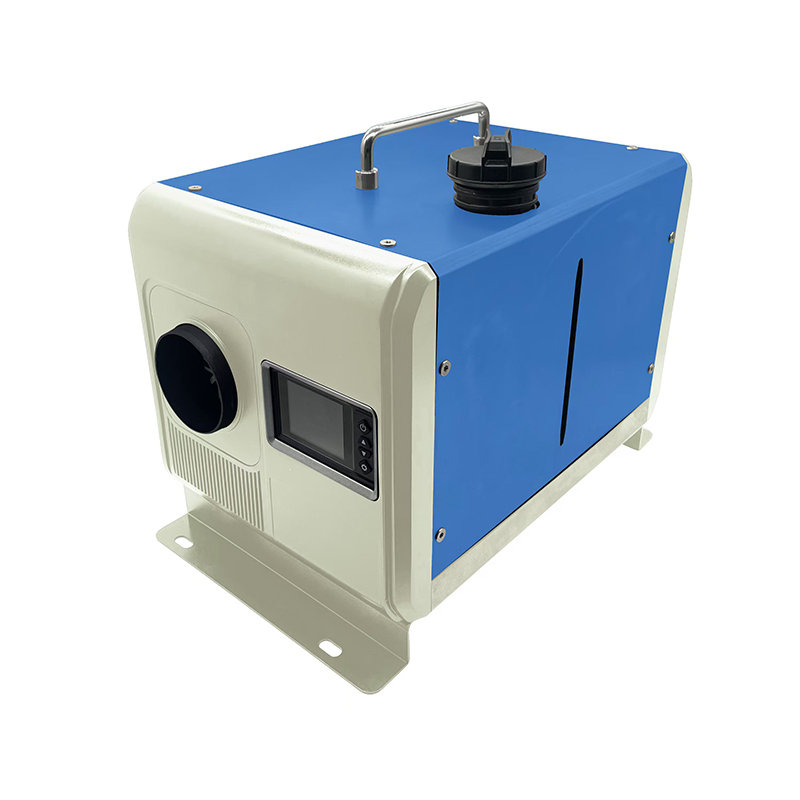
Diesel heaters for vehicles are compact, fuel-efficient systems that use diesel from the vehicle’s fuel tank to generate warm air. These heaters are specifically engineered to deliver reliable performance in a variety of vehicles such as trucks, vans, buses, and off-road machinery.
The core advantage of diesel heaters lies in their ability to operate independently of the vehicle’s engine. This not only reduces engine idling and fuel consumption but also extends engine life by minimizing cold starts. The heaters are typically controlled via digital panels or remote devices, allowing for temperature regulation and timed operation even before entering the vehicle.
In terms of structure, most diesel heaters include an integrated combustion chamber, air intake, exhaust outlet, and blower fan. Advanced models may feature altitude adjustment, fault detection, and silent operation. They can be installed under seats, in storage compartments, or externally mounted, depending on the application.
Diesel vehicle heaters support regulatory compliance with emissions laws while offering practical heating solutions that improve driver well-being and vehicle readiness in winter conditions.
The Diesel Air Parking Heater for RV Truck Car is an efficient an...
The Vehicles Portable Diesel Air Parking Heater is a standalone h...
The 12V 24V Bus Car Diesel Parking Air Heater is a versatile heat...
The All-in-One Universal Diesel Air Parking Heater combines conve...
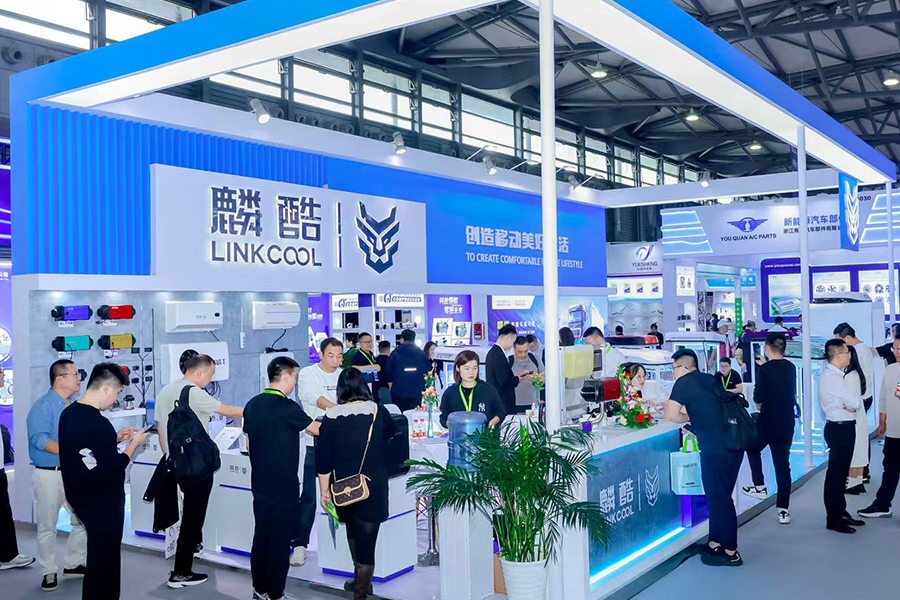
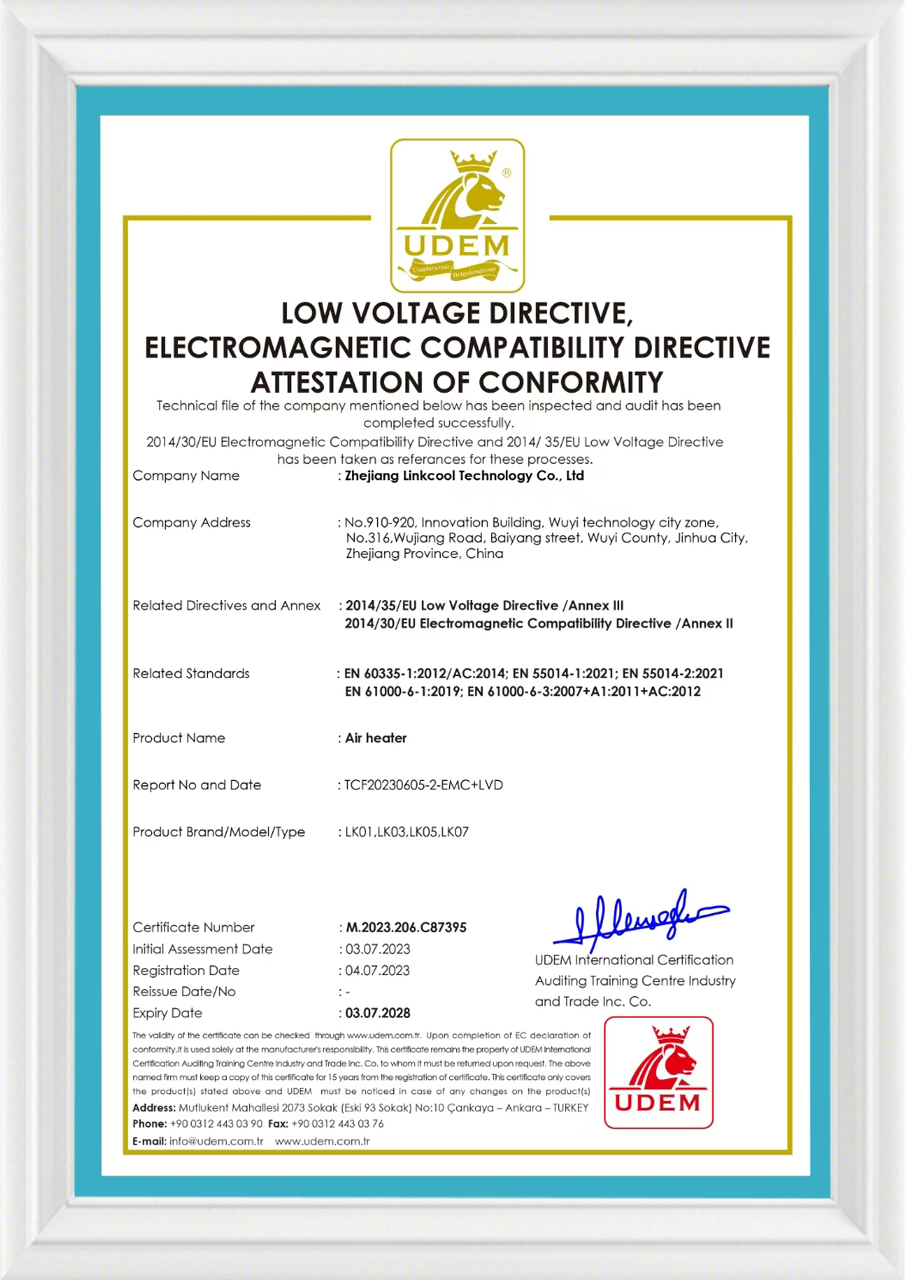
Zhejiang Linkcool Technology Co., Ltd. is China Diesel Heater For Vehicles Manufacturer and Sale Diesel Heater For Vehicles Factory. It focuses on the research, development, production and sales of automotive new energy appliances. Its main products include parking air conditioners, parking heaters and car water dispensers. As an integrated industrial and trade enterprise, we are committed to providing customers with high-quality, high-performance automotive appliances and outdoor camping appliances. We have more than 800 after-sales service outlets across the country.
Zhejiang Linkcool Technology Co., Ltd. covers an area of 20,000 square meters, providing employees with a spacious working environment. It currently has more than 150 employees and a professional R&D team and production team. We actively conduct technical exchanges and cooperation with industry experts and partners to jointly promote technological progress in the industry.

RV air conditioning is usually discussed in terms of BTU capacity and power consumption, but the physical location of the cooling ...
View MoreA larger tent does not automatically require a dramatically larger air conditioner. Outdoor cooling behaves differently from resid...
View MoreOn September 17, the 10th China "Heating and Cooling Intelligent Manufacturing" Awards Ceremony was held in Shanghai, where Zhejia...
View MoreWinter driving creates two different heating demands for commercial vehicles. A truck may need a warm sleeper during an overnight ...
View MoreDiesel Heater For Vehicles Industry Knowledge Extension
A diesel air heater that burns incorrectly does one thing well: it produces carbon monoxide. Not everyone realizes that even a brand new unit becomes dangerous without proper combustion intake and exhaust separation. The heater draws outside air for burning, heats a heat exchanger, and sends cabin air across the hot fins. Those two air streams must never mix.
Installing a 12V diesel parking heater looks straightforward on paper. Fuel pump, controller, heater unit, exhaust. In practice, the installation order determines whether the heater works reliably or fails at 3 AM in freezing weather.
The fuel pump causes most installation headaches. A 12V diesel parking heater uses a metering pump that clicks with every pulse. That pump must sit at a 15–35 degree angle with the outlet pointing upward. Mount it flat, and air locks form. Mount it with the outlet downward, and the pump cannot prime. The noise travels through vehicle floors too—rubber isolators between the pump bracket and chassis reduce the clicking to a faint tick.
Fuel economy matters more when the heater runs all night. A diesel fuel heater for RV applications typically consumes between 0.1 and 0.4 liters per hour, depending on the heat setting. That range means a 10-liter tank lasts anywhere from 25 to 100 hours—a huge variation driven by insulation, outside temperature, and heater tuning.
Altitude effect: Above 1500 meters, the heater requires less fuel for the same heat output. Automatic altitude compensation helps. Manual units need adjustment.
Idle consumption when warm: Once the RV interior reaches temperature, the heater modulates down. Poorly insulated RVs never reach the modulation phase—they run high constantly.
Fuel line priming losses: Every time the fuel system runs dry, the heater burns extra diesel during multiple failed ignition attempts before locking out.
The fuel-efficient setup pairs a diesel fuel heater for RV use with good insulation and a programmable thermostat that lowers temperature overnight instead of shutting off completely.
Chinese portable diesel heaters have become common because they work—when maintained. The maintenance schedule differs from European brands primarily because of material choices. Gaskets harden faster. Glow plugs carbon up sooner. The burn chamber screen (a fine mesh that atomizes fuel) clogs more easily with low-quality diesel.
Every 100 operating hours, the glow plug needs removal and cleaning. Carbon buildup on the tip prevents it from reaching ignition temperature. A brass wire brush works. Sandpaper damages the ceramic. Every 200 hours, the burn chamber comes apart completely. The screen gets replaced or burned clean with a propane torch until it glows orange.
Exhaust cleaning: Soot accumulation inside the exhaust muffler eventually blocks flow. Tapping the muffler against concrete every 300 hours dislodges loose carbon.
Fuel filter replacement: Chinese portable diesel heaters often include tiny in-line filters. Replace every 500 hours or whenever the heater struggles to start. Clogged filters cause false error codes.
Fan bearing lubrication: The combustion fan bearings are sealed but not forever. A single drop of light oil at 400 hours extends fan life by years.
+86-18657986688
sale@lkcool.net
Building B, No. 9 Liunan Road, Niubeijin Industrial Zone, Baiyang Street, Jinhua, Zhejiang, China
Copyright © Zhejiang Linkcool Technology Co., Ltd. All Rights Reserved.
 Privacy Policy
China Diesel Air Car Parking Heater


 English
 Español