Content
Truck cabin cooling has traditionally depended on engine-driven air conditioning systems. This approach works effectively during driving, but it creates challenges during long parking periods, overnight rest, loading operations, and mandatory breaks. Running the engine only for cabin comfort increases fuel consumption and creates additional noise.
The rise of the Parking Cooler Split Air Conditioner introduces a different solution. These independent electric cooling systems use vehicle batteries or auxiliary power sources to maintain cabin temperatures without relying on engine operation. Many truck drivers and fleet operators are now evaluating whether split parking coolers could become a replacement for conventional cabin air conditioning systems.
The transition is not simply about replacing one cooling device with another. It involves changes in energy management, vehicle design, driver comfort expectations, and operating costs.
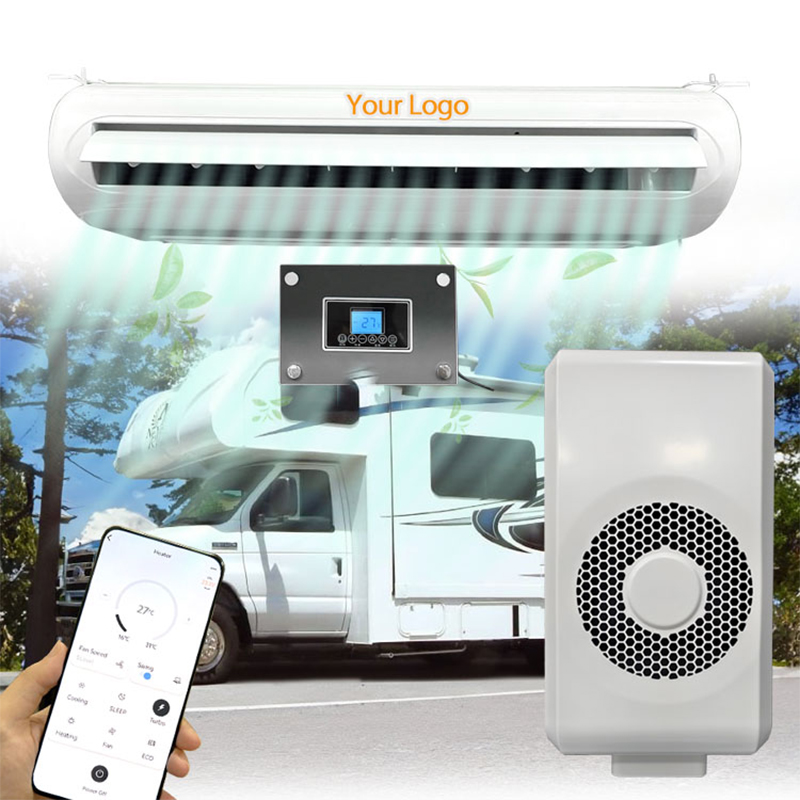
Engine-powered air conditioning systems remain effective during driving because the compressor receives mechanical power directly from the engine. However, parked trucks create a different operating environment.
These factors have encouraged the development of independent parking cooling solutions designed specifically for sleeper cabins and stationary vehicles.
A split parking cooler separates the indoor cooling section from the external heat exchange unit. This structure allows the system to operate independently from the truck engine.
| Component | Function | Installation Area |
| Indoor evaporator | Provides cooled air inside the cabin | Sleeper cab interior |
| Outdoor condenser | Releases heat from refrigerant circulation | Rear wall, side area, or exterior bracket |
| Electric compressor | Drives refrigeration cycle using battery power | Integrated with system design |
| Controller module | Manages voltage protection and operation modes | Electrical system |
Many split parking AC systems operate with DC 12V or 24V power sources and provide cooling capacities ranging from approximately 2000W to 3000W depending on model design.
The biggest difference between the two systems is the energy source. Traditional systems rely on engine operation, while parking coolers use independent electrical power.
| Comparison Point | Traditional Truck AC | Split Parking Cooler |
| Power source | Engine-driven compressor | Battery-powered electric compressor |
| Operation during parking | Requires engine operation | Works with engine off |
| Fuel consumption | Higher during idle cooling | Lower direct fuel usage |
| Noise level | Includes engine noise | Primarily fan and compressor sound |
| Installation flexibility | Integrated with vehicle system | Independent installation options |
Battery-powered truck AC systems are designed to continue cooling during parking, resting, and waiting periods without engine operation.
Cooling performance remains the key factor in determining whether a parking cooler can replace traditional systems. Modern split units are designed around the specific requirements of truck cabins rather than large passenger compartments.
| Specification | Typical Range |
| Voltage | DC 12V / 24V |
| Cooling capacity | 2000W–3000W |
| Cooling output | Approximately 7000–10000+ BTU |
| Power consumption | 500W–1000W depending on load |
| Refrigerant | Commonly R134a |
Some truck split parking AC products are designed with cooling capacities around 2800W and use electric compressors for sleeper cab applications.
Replacing engine-driven cooling with electric operation changes the energy management strategy. The question is no longer about engine power availability but about stored electrical energy.
Some 12V split truck AC systems are designed around battery capacities that can support several hours of overnight operation, depending on cooling demand and battery configuration.
Comfort during rest periods has become an important factor in long-distance transportation. A quiet and stable sleeping environment can influence driver recovery and daily operation.
Some split truck parking AC designs place the condenser on the rear cabin wall while keeping the interior section inside the sleeper area, creating a compact solution for parked cooling.
A full replacement of traditional truck cabin AC systems depends on operating requirements. Engine-driven systems still provide strong cooling performance during driving because they are integrated with the vehicle's original HVAC architecture.
Rather than completely replacing factory systems, parking coolers are becoming a complementary solution that extends cooling capability beyond driving conditions.
The trucking industry is moving toward smarter energy usage. Battery technology, electric compressors, and improved thermal management systems are changing how vehicles handle stationary climate control.
The Parking Cooler Split Air Conditioner represents this shift by separating cabin comfort from engine operation. As battery systems become more capable and installation designs become more adaptable, split parking coolers may become a standard feature for long-haul trucks, especially vehicles requiring extended rest-period cooling.
Split parking coolers are unlikely to eliminate traditional truck cabin air conditioning systems in every application, but they are changing the role of stationary cooling.
By providing independent battery-powered operation, lower idle dependence, and flexible installation, these systems solve many problems associated with parked truck cooling. For long-haul drivers and fleet operators, the future may not be a choice between traditional AC and parking coolers, but a combination of both systems working together to improve comfort and energy management.
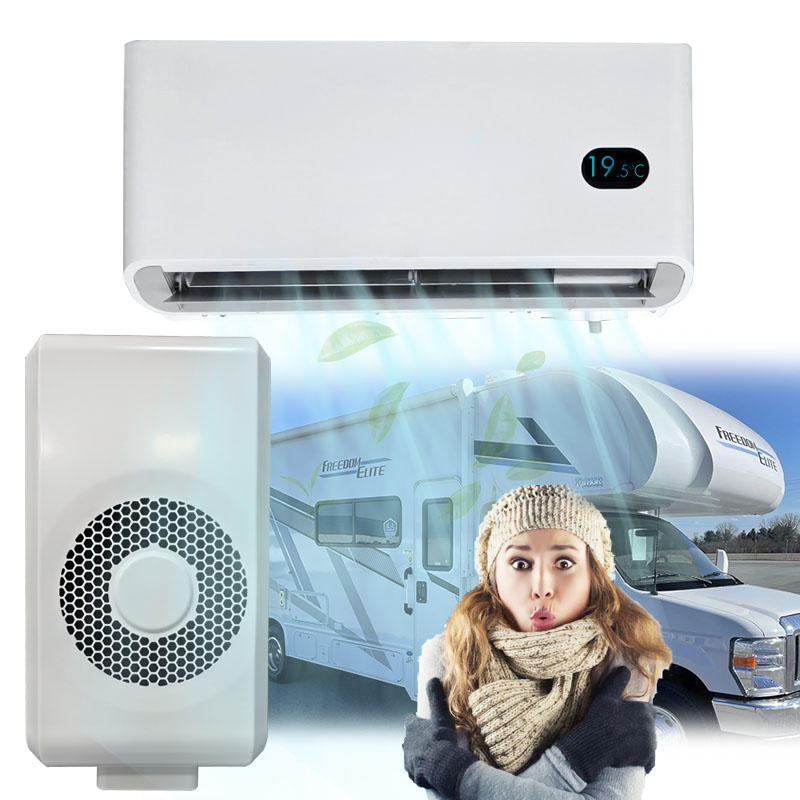 Portable Split Parking Air Conditioner for RV
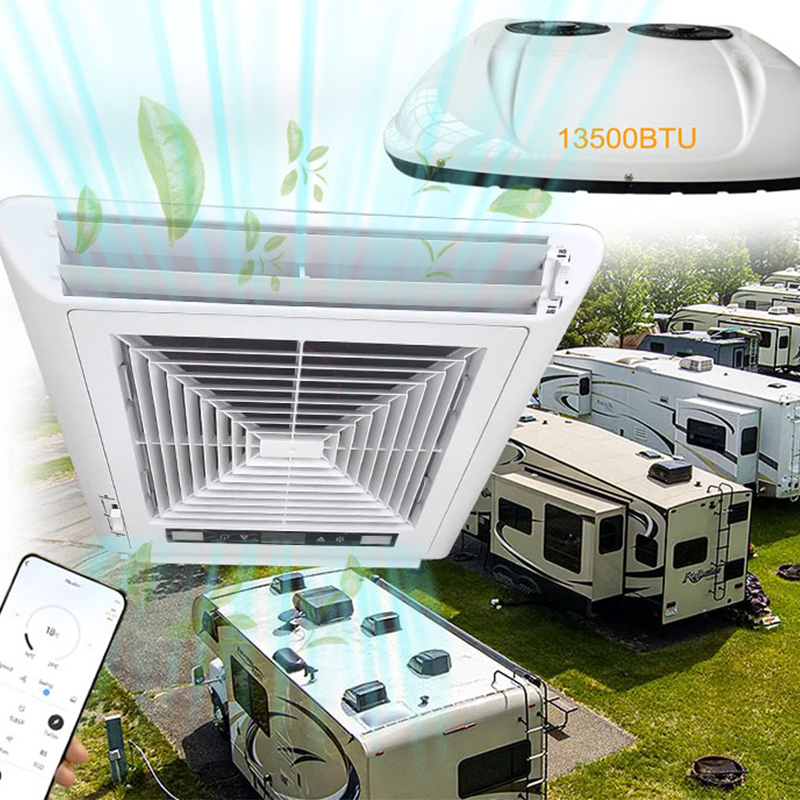 Portable Split Parking Air Conditioner for RV
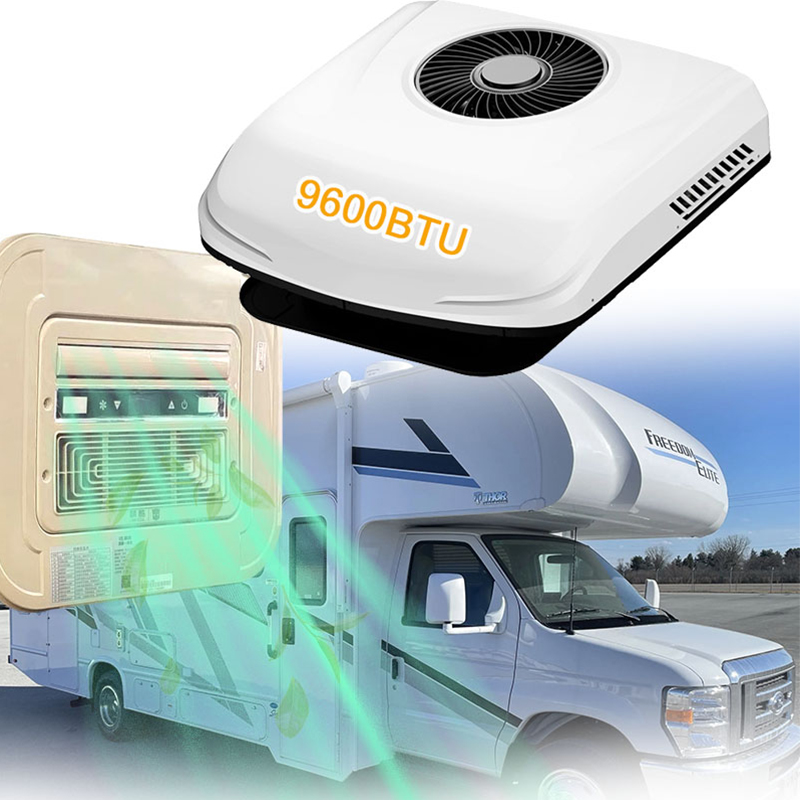 Portable Split Parking Air Conditioner for RV
 Hot Water Dispenser
 Outdoor Freezer
 Outdoor Freezer
 Car Refrigerator
 Diesel Heater For Vehicles
+86-18657986688
sale@lkcool.net
Building B, No. 9 Liunan Road, Niubeijin Industrial Zone, Baiyang Street, Jinhua, Zhejiang, China


 English
 Español