Content
RV owners are adding more equipment to their vehicles than ever before. Solar panels, satellite antennas, storage boxes, roof racks, and ventilation accessories have become common upgrades for modern recreational vehicles. However, the available roof area is limited, creating a challenge for traditional rooftop cooling systems.
This has increased interest in the Electric Universal Split RV Air Conditioner, a cooling solution designed with separate indoor and outdoor components. Unlike conventional rooftop units that occupy a fixed roof position, split systems provide more flexibility in component placement, helping RV owners balance cooling needs with other roof-mounted equipment.
Space management is becoming an important consideration in RV design. Many users are looking beyond cooling capacity and asking how an air conditioning system fits into their overall travel setup. Split configurations offer a different approach by moving part of the system away from the roof while maintaining efficient cabin cooling.

The roof of an RV is no longer reserved only for air conditioning. As off-grid travel grows, many owners use roof areas for energy and communication equipment.
A traditional rooftop air conditioner requires a dedicated installation area, which can limit layout options. A split design changes this approach by separating the cooling components.
A split RV air conditioner separates the evaporator and condenser into different assemblies. The indoor section delivers cooled air inside the RV, while the outdoor unit handles heat exchange.
| Component | Installation Location | Main Function |
| Indoor evaporator unit | Interior wall or ceiling area | Distributes cool air into the living space |
| Outdoor condenser unit | Rear panel, side wall, bracket, or other exterior area | Releases heat and contains compressor components |
| Connection lines | Between indoor and outdoor sections | Transfer refrigerant and electrical signals |
This structure allows RV designers and owners to consider locations beyond the roof surface, reducing competition between air conditioning and other rooftop equipment.
Saving roof area is not the only advantage of a split configuration. The design can influence several aspects of RV usability.
Solar power has become an important energy source for off-grid RV travel. More available roof area allows larger solar panel arrangements, which can support batteries, lighting, appliances, and electric cooling systems.
A split air conditioner can help preserve valuable roof sections for photovoltaic modules, especially on smaller RVs where every available surface matters.
Traditional rooftop units place the entire cooling assembly on the roof structure. A split system distributes weight between multiple locations.
| Design Aspect | Traditional Rooftop AC | Split RV AC |
| Roof occupation | Requires dedicated roof opening | Can reduce roof equipment concentration |
| Component location | Single rooftop position | Separated indoor and outdoor placement |
| Layout flexibility | Limited by roof structure | More adaptable installation options |
Space efficiency is only valuable when the cooling performance meets user expectations. Many RV owners also focus on noise, airflow distribution, and sleeping comfort.
RV users who have converted from rooftop systems to mini-split style solutions often discuss reduced noise and improved comfort, although installation requirements must be carefully considered.
One reason universal split systems attract attention is their adaptability. RV designs vary significantly, ranging from compact camper vans to larger motorhomes.
Cooling capacity still needs to match the vehicle size. Smaller RVs may require lower-capacity systems, while larger vehicles may need higher output or multiple cooling zones.
A flexible installation design does not remove the need for correct system planning. Several technical details determine real-world results.
| RV Size | Common Cooling Requirement | Recommended Consideration |
| Compact camper | Lower cooling output | Focus on energy efficiency and space saving |
| Medium travel trailer | Moderate cooling capacity | Balance battery use and cabin coverage |
| Large motorhome | Higher cooling demand | Consider stronger systems or multiple zones |
Although split systems provide layout advantages, installation requires careful planning.
Compared with replacing a standard rooftop unit, split systems may require additional installation steps. However, the flexible layout can provide advantages for customized RV builds.
The RV market is moving toward more personalized layouts. Travelers increasingly combine solar power, lithium batteries, remote working equipment, and smart appliances inside their vehicles.
This trend creates demand for cooling systems that do not depend on a single installation location. The Electric Universal Split RV Air Conditioner fits this direction by offering more freedom in component placement while supporting modern energy systems.
Limited roof space is becoming a practical challenge as RV owners add more technology and outdoor equipment to their vehicles. Split air conditioning designs provide an alternative approach by separating indoor and outdoor components, allowing more flexible layouts.
The value of a split system is not only about saving roof area. It also connects with quieter operation, customized installation, and better integration with off-grid power solutions. As RV designs continue evolving, flexible cooling systems are likely to become an important part of future mobile living environments.
Portable Split Parking Air Conditioner for RV
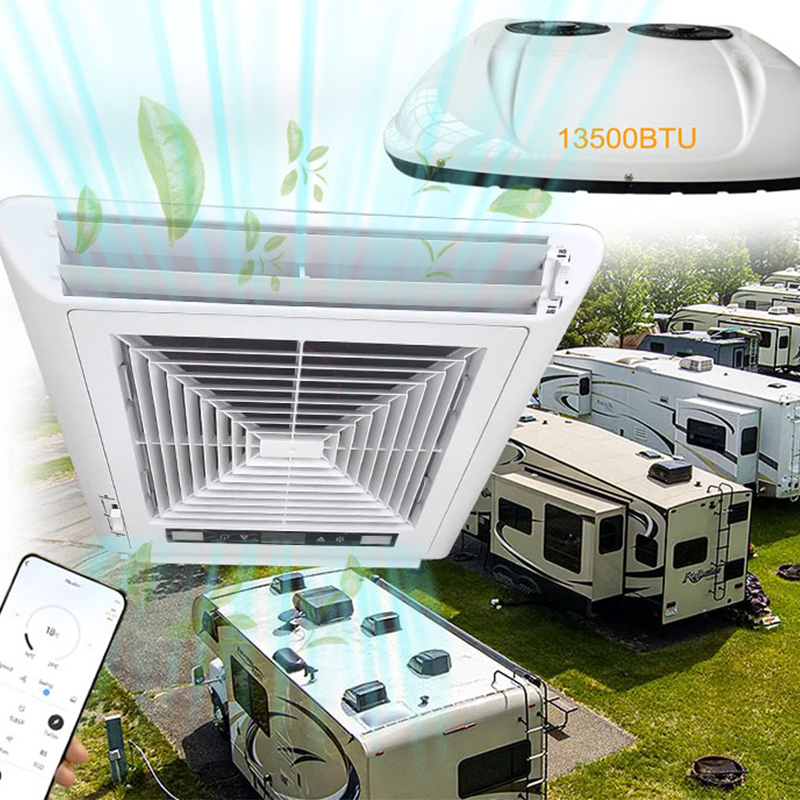 Portable Split Parking Air Conditioner for RV
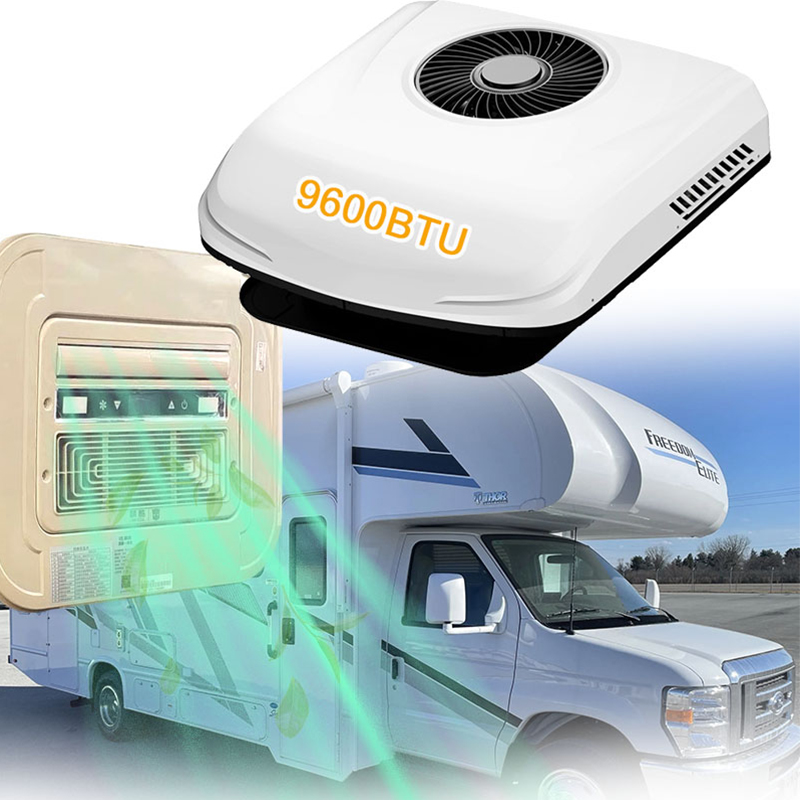 Portable Split Parking Air Conditioner for RV
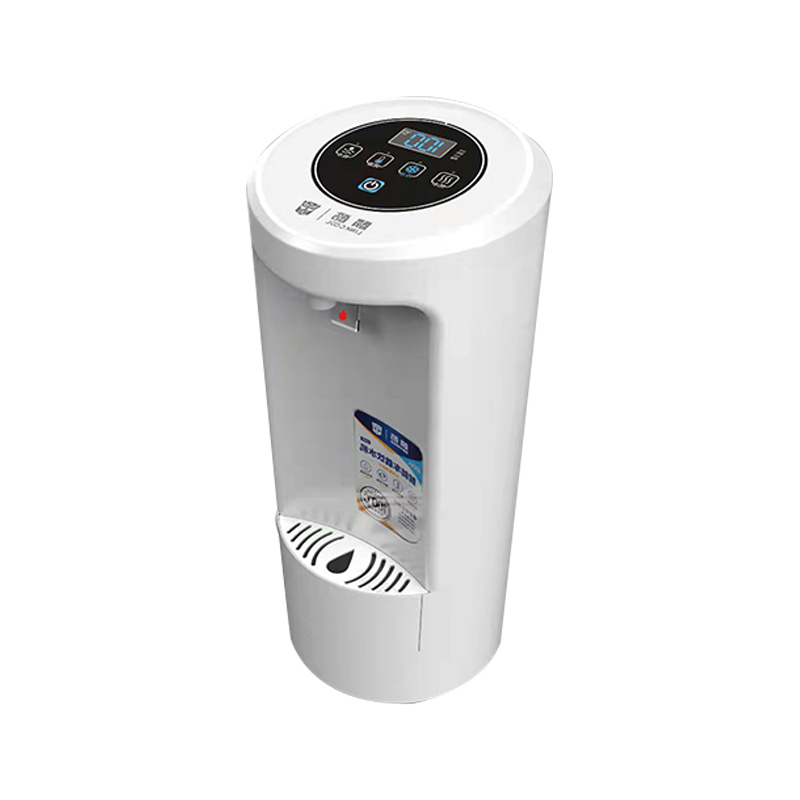 Hot Water Dispenser
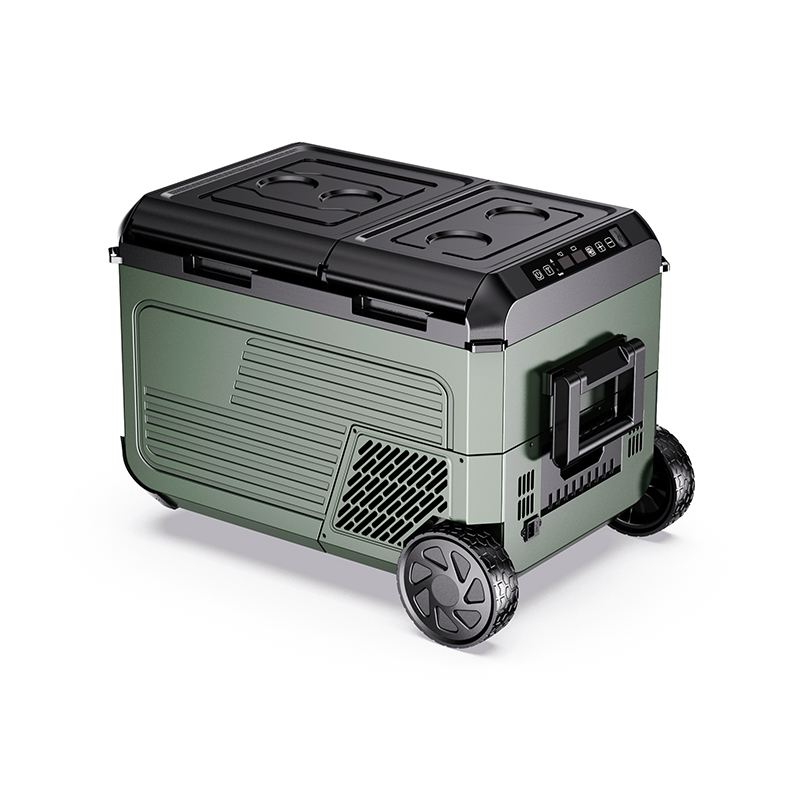 Outdoor Freezer
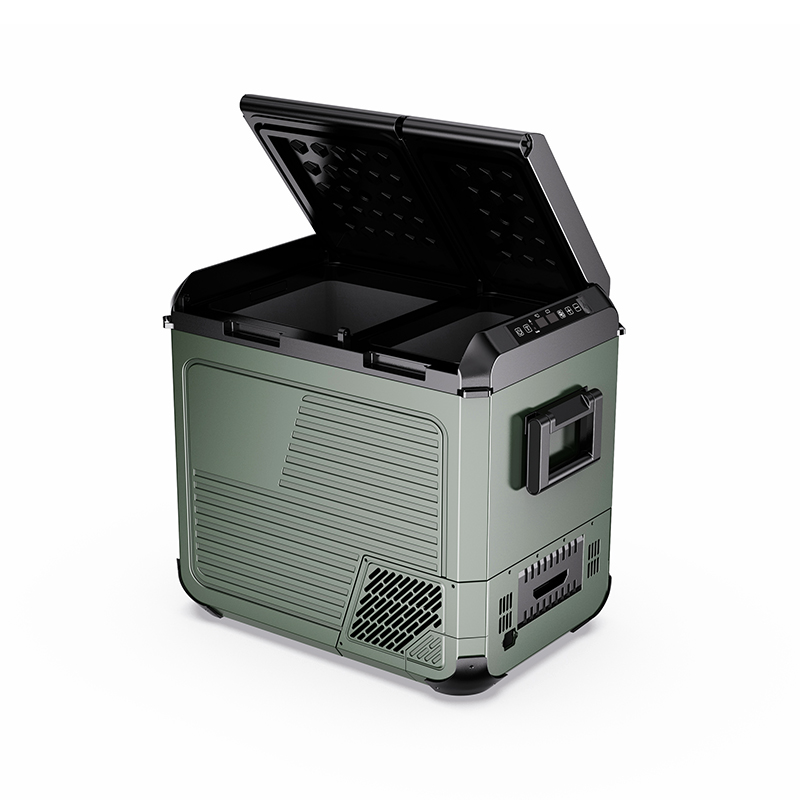 Outdoor Freezer
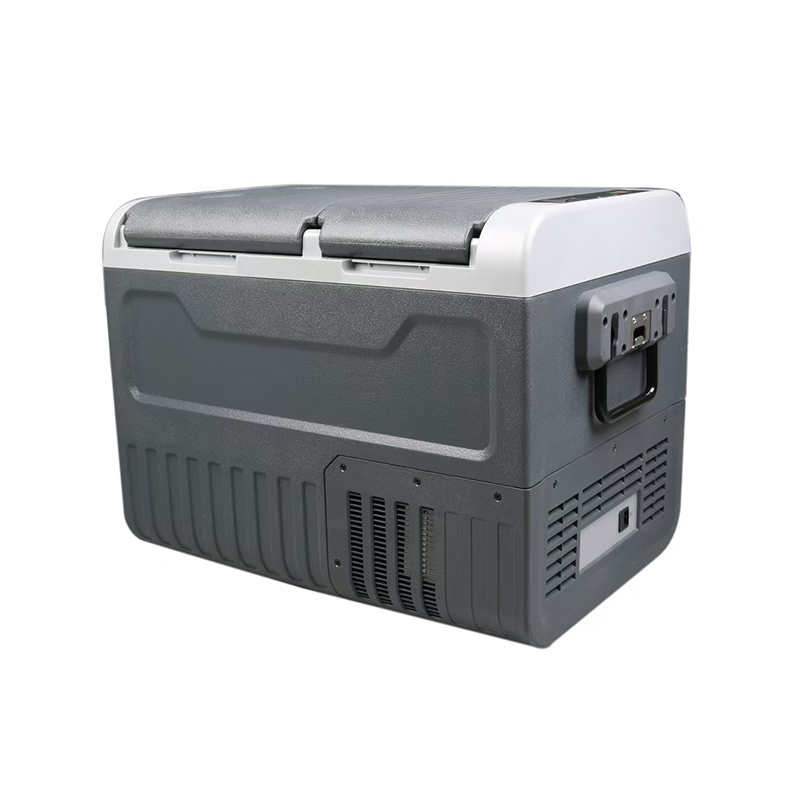 Car Refrigerator
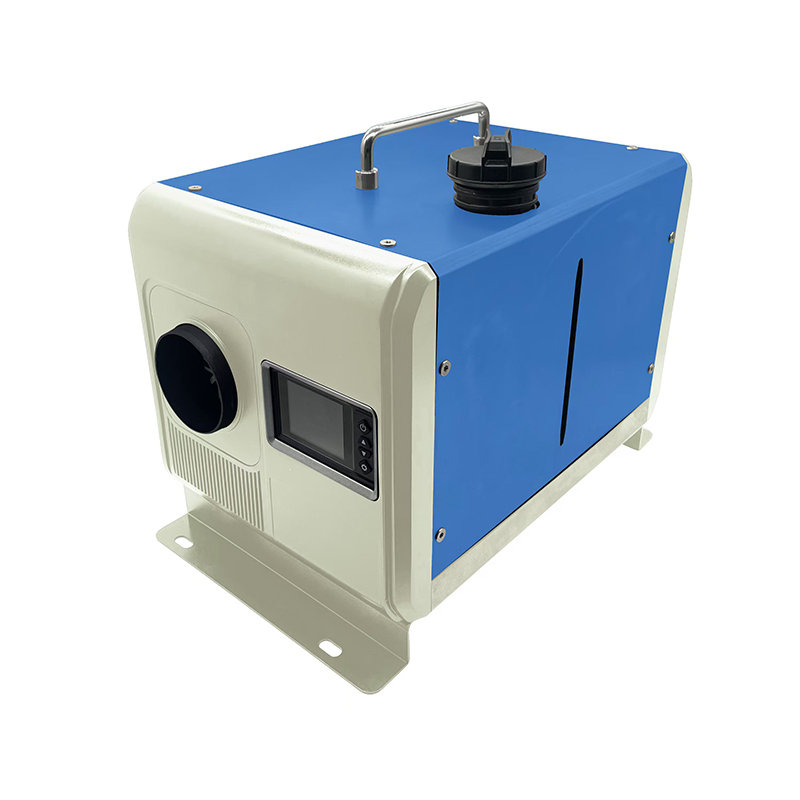 Diesel Heater For Vehicles
+86-18657986688
sale@lkcool.net
Building B, No. 9 Liunan Road, Niubeijin Industrial Zone, Baiyang Street, Jinhua, Zhejiang, China


 English
 Español