Content
Camping habits are changing as more travelers look for quieter, more comfortable ways to enjoy outdoor adventures. Traditional RV cooling methods often depended on generators or shore power, which could limit where campers stay and affect the peaceful atmosphere of remote locations. Today, battery-powered solutions such as RV Electric Parking Cooler Air Conditioner systems are creating new possibilities for overnight stays, off-grid travel, and extended road trips.
Modern RV owners are paying more attention to nighttime comfort because temperature control directly affects sleep quality, energy use, and the overall camping experience. A compact cooling system that operates during parking periods allows travelers to rest without keeping the engine running or relying on noisy equipment. Many 12V and 24V DC cooling systems are designed specifically for RVs, camper vans, and mobile living spaces. Some rooftop models combine low-profile structures with DC compressors, allowing stable cooling while parked.
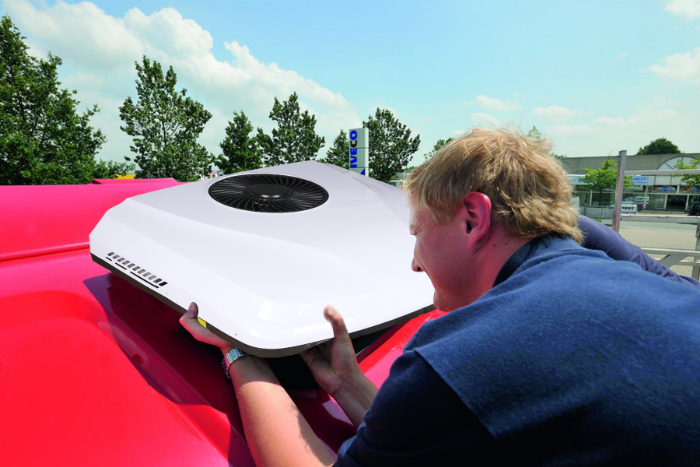
Camping is no longer only about spending time outdoors during the day. Many RV users now treat their vehicles as mobile bedrooms, offices, and travel bases. A comfortable sleeping environment has become an important part of the journey.
An RV electric parking cooler air conditioner provides cooling support after the vehicle stops, helping maintain a comfortable cabin temperature during warm nights. Compared with traditional engine-powered air conditioning, electric parking systems are designed to work independently from the vehicle engine.
Some rooftop DC air conditioners are engineered with noise levels around 28–45 dB depending on the model design, making them suitable for overnight applications where sound control matters.
The growth of van life, weekend camping, and long-distance travel has changed expectations for vehicle comfort. Campers increasingly want equipment that combines portability, energy management, and easy installation.
New cooling systems are designed around several key technical features:
| Cooling Feature | Typical Specification Range | User Benefit |
| Power Supply | 12V / 24V DC battery system | Suitable for RVs, vans, and mobile applications |
| Cooling Capacity | Approx. 2,000W–2,400W for some rooftop models | Provides cabin cooling during parked periods |
| Compressor Type | DC inverter or scroll compressor | Stable operation with reduced energy fluctuation |
| Installation Style | Rooftop integrated design | Saves interior space |
For example, some 12V/24V rooftop parking air conditioners use DC inverter compressors, offer cooling capacities around 7,600–8,200 BTU, and include features such as low battery cut-off protection and digital controls.
Older RV cooling solutions often required generators, fuel consumption, or campground electricity. Although these methods remain useful in some situations, many travelers now prefer quieter and more flexible alternatives.
The demand for independent power solutions has increased because modern campers often combine solar panels, lithium batteries, and energy management systems. A parking air conditioner can become one part of a complete off-grid setup.
Key reasons behind this shift include:
Online RV communities also show increasing interest in battery-powered air conditioning solutions, with travelers discussing battery capacity, runtime, and installation methods for overnight cooling applications.
Although electric cooling systems provide more freedom, choosing the right configuration depends on the vehicle size, battery capacity, and expected usage time.
| Consideration | Why It Matters |
| Battery Capacity | Larger batteries provide longer operation time during parking. |
| RV Interior Volume | Affects required cooling capacity and airflow distribution. |
| Climate Conditions | Hot and humid environments require stronger cooling performance. |
| Installation Space | Roof structure and available mounting area influence compatibility. |
A properly matched system can provide more consistent comfort, while an unsuitable setup may reduce runtime or fail to maintain the desired cabin temperature. Battery size, insulation quality, and usage habits all influence actual performance.
The modern RV experience is becoming less dependent on fixed campsites and traditional power sources. Travelers now expect their vehicles to support comfortable overnight stays in forests, parking areas, beaches, and remote destinations.
The development of RV Electric Parking Cooler Air Conditioner technology reflects this lifestyle change. Compact designs, DC power compatibility, quieter operation, and intelligent energy management are helping RV owners create more relaxing travel environments.
Silent nights on wheels are becoming a realistic expectation rather than a luxury feature. As mobile living continues to expand, cooling systems will remain an important part of creating comfortable, flexible, and enjoyable outdoor experiences.
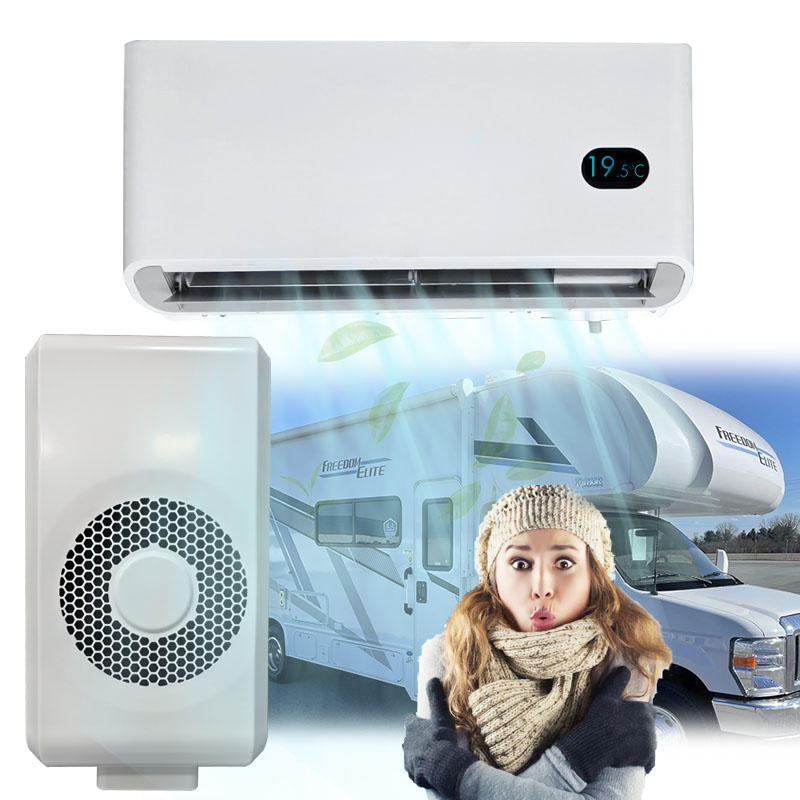 Portable Split Parking Air Conditioner for RV
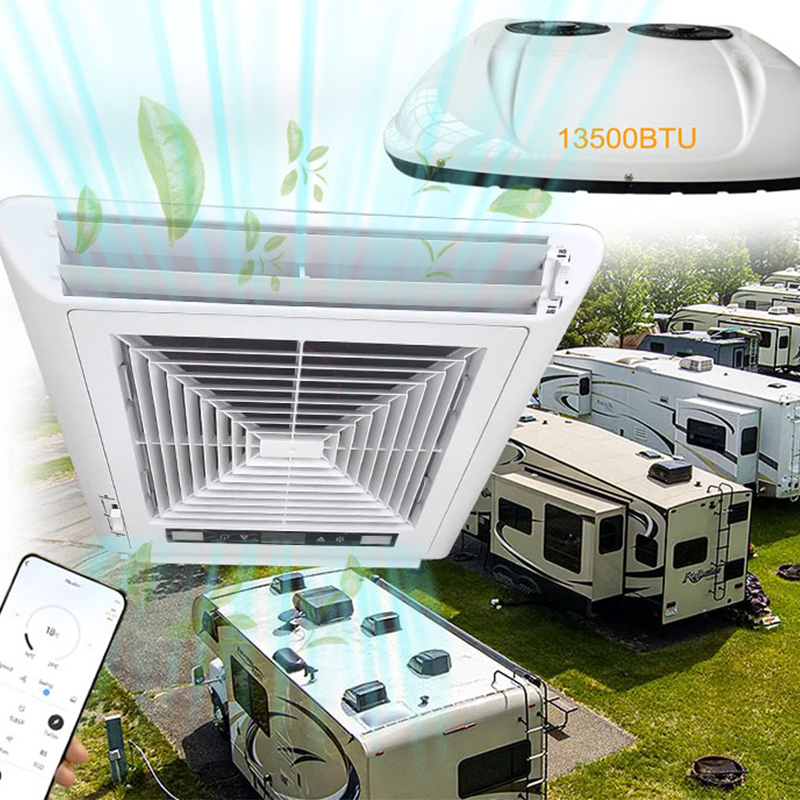 Portable Split Parking Air Conditioner for RV
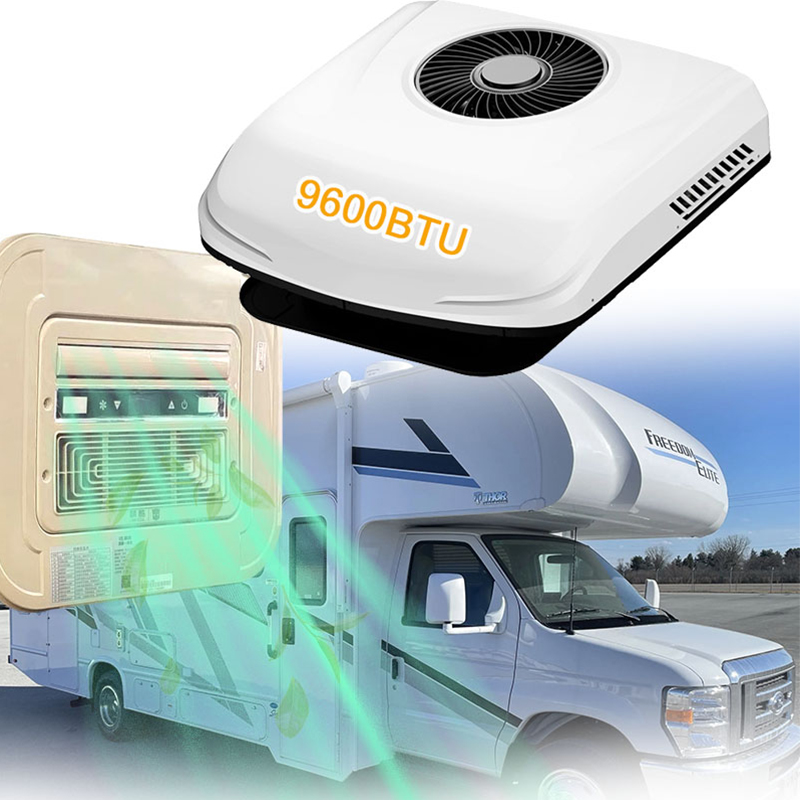 Portable Split Parking Air Conditioner for RV
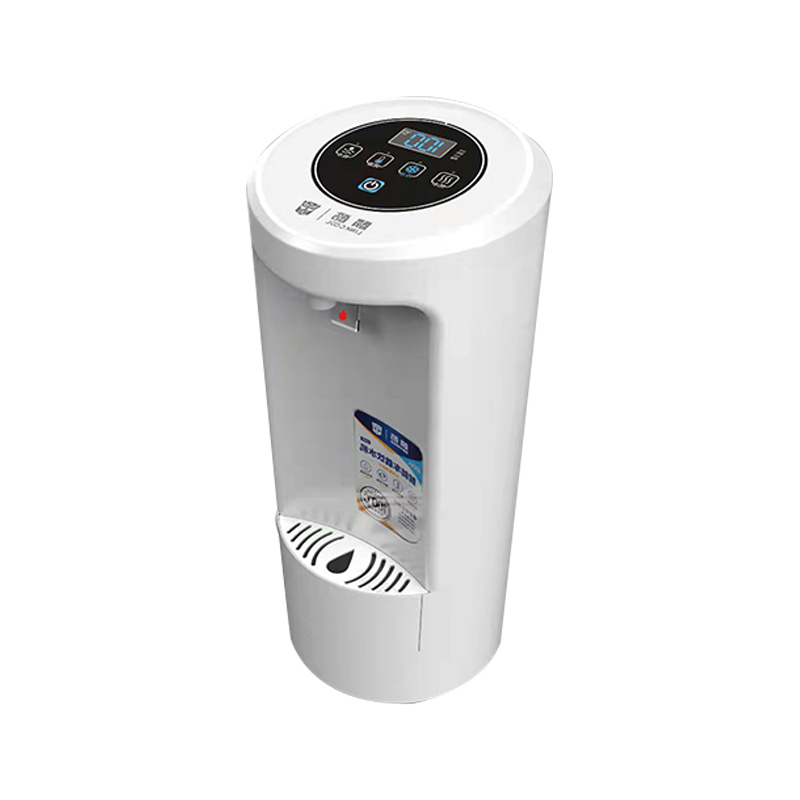 Hot Water Dispenser
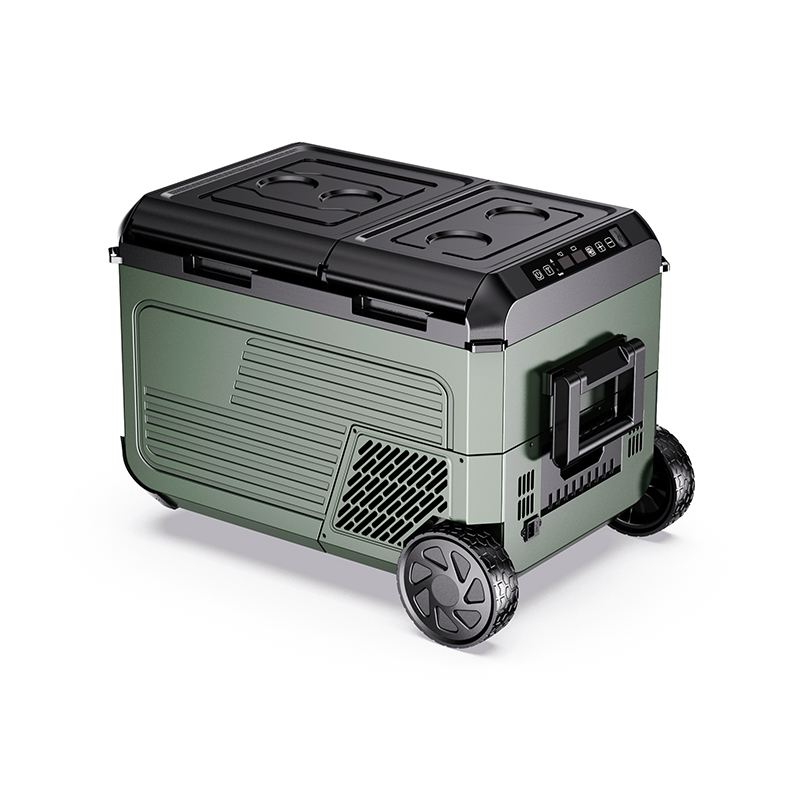 Outdoor Freezer
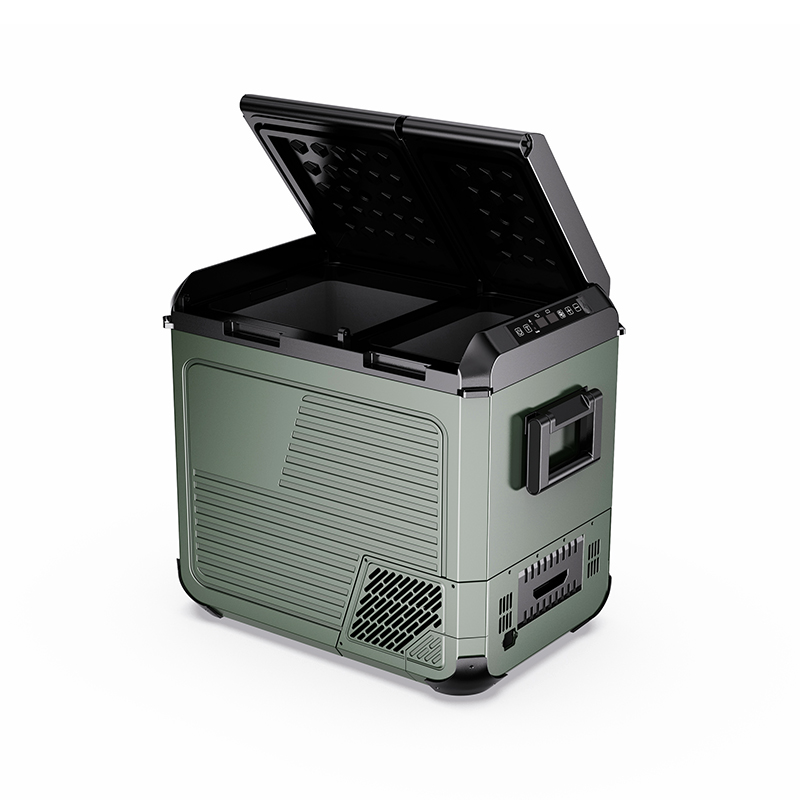 Outdoor Freezer
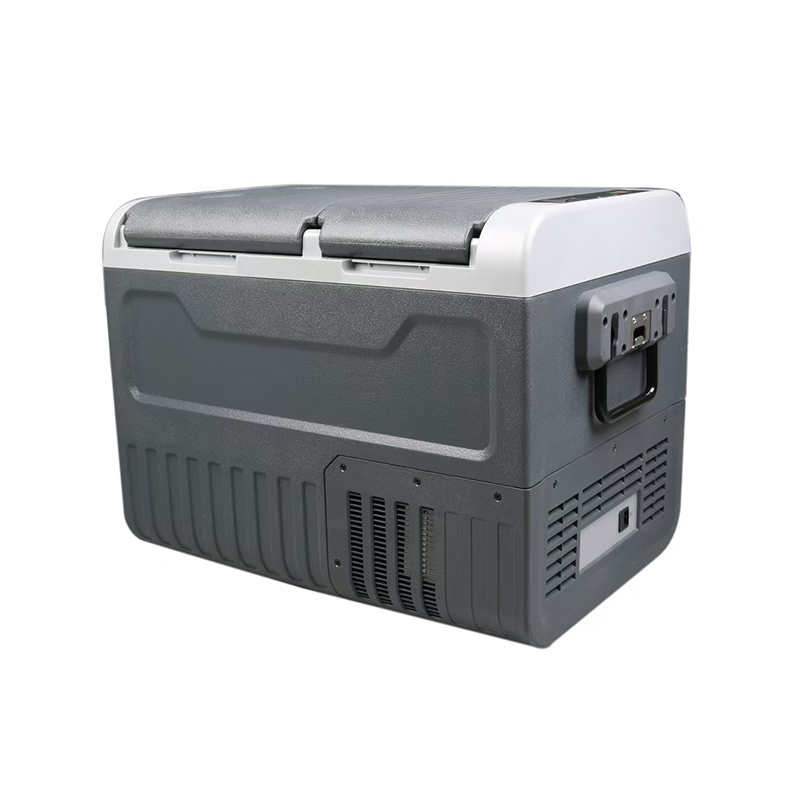 Car Refrigerator
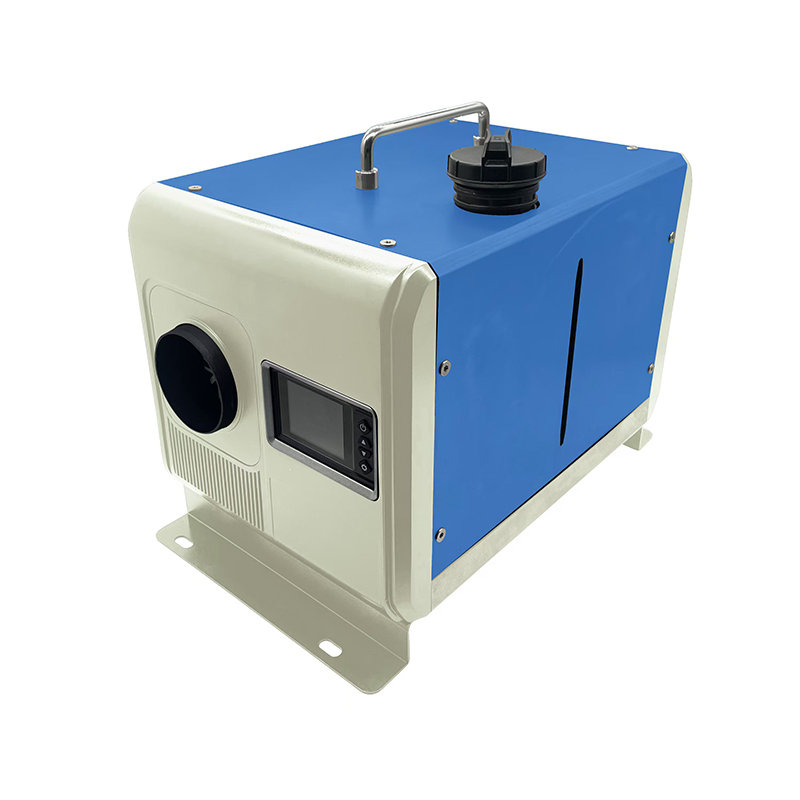 Diesel Heater For Vehicles
+86-18657986688
sale@lkcool.net
Building B, No. 9 Liunan Road, Niubeijin Industrial Zone, Baiyang Street, Jinhua, Zhejiang, China


 English
 Español