Content
Compact RV living is becoming a popular way for travelers to explore more places with fewer limitations. As camper vans, small motorhomes, and converted vehicles become more common, owners are looking for solutions that provide home-like comfort without taking up valuable interior space. One technology receiving increasing attention is the RV Rooftop Parking Air Conditioner, a cooling system designed to deliver comfortable temperatures while the vehicle remains parked.
Unlike traditional portable cooling devices that occupy cabin space, rooftop air conditioning systems are installed above the vehicle. This design keeps the interior layout available for sleeping areas, storage, kitchens, or working spaces. For compact RV users who carefully manage every inch of space, rooftop cooling has become an attractive option.
The growing interest in rooftop cooling also reflects changing travel habits. More people are embracing weekend adventures, off-grid camping, and mobile lifestyles where reliable climate control is important. Modern rooftop systems often combine DC power technology, compact compressor designs, and intelligent control functions to support flexible travel.
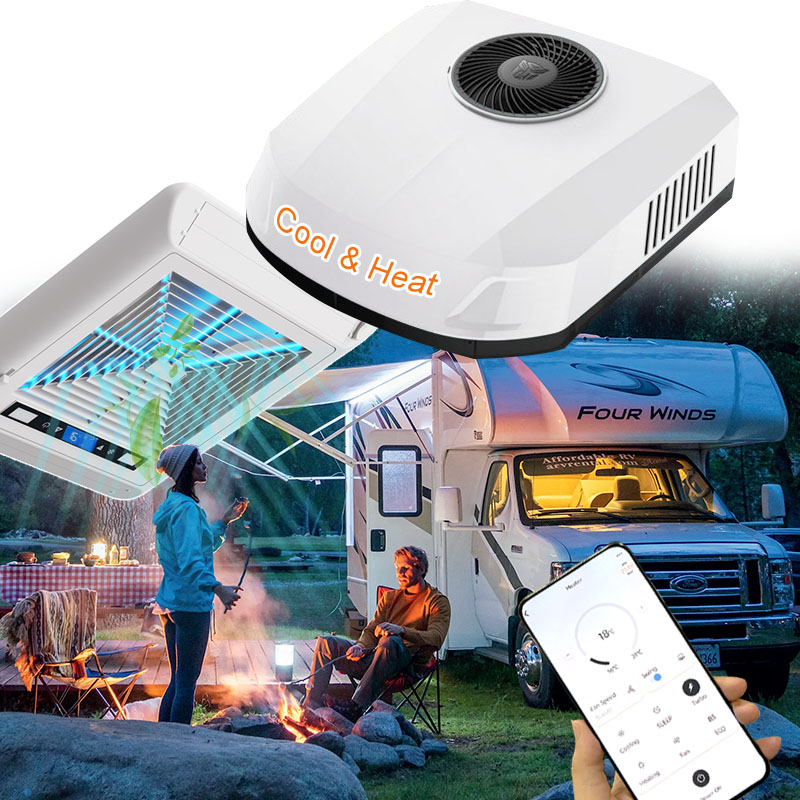
Small RVs create unique challenges compared with larger recreational vehicles. Every component must provide practical value because limited floor space affects comfort and storage capacity.
A traditional indoor air conditioner installation may reduce usable living areas. The RV Rooftop Parking Air Conditioner solves this issue by moving the cooling unit outside the cabin. The rooftop position allows cold air distribution without sacrificing valuable interior space.
For many van travelers, the goal is not simply adding more equipment but creating a balanced living environment. Rooftop systems support this idea by combining cooling performance with efficient use of limited space.
Modern RV owners often spend nights away from traditional campsites. They may stay at remote locations, rest areas, outdoor destinations, or temporary parking spots. This requires cooling equipment that can operate independently during parked periods.
An RV Rooftop Parking Air Conditioner typically uses a direct battery connection, allowing operation through 12V or 24V electrical systems. Some models use DC compressors and are designed for low-power applications where battery capacity and energy management are important.
| Application Scenario | Rooftop Cooling Advantage | User Experience |
| Weekend Camping | Provides cooling without occupying indoor space | More comfortable overnight stays |
| Van Conversion Projects | Fits compact roof layouts | Keeps interior design flexible |
| Off-Grid Travel | Compatible with battery and solar systems | Greater location freedom |
| Long-Term RV Living | Supports daily climate control needs | Improved living comfort |
The development of rooftop air conditioners has focused on improving cooling output while maintaining a compact structure. Modern designs often include rotary compressors, inverter control systems, digital displays, and battery protection functions.
Typical rooftop parking air conditioners designed for vehicles may provide cooling capacities around 7,500–10,000 BTU, operate with 12V/24V DC power systems, and maintain noise levels around 47–55 dB depending on the structure and compressor technology.
| Technical Parameter | Common Range | Purpose |
| Voltage | DC 12V / 24V | Matches vehicle electrical systems |
| Cooling Capacity | Approx. 7,500–10,000 BTU | Supports different RV cabin sizes |
| Compressor Type | Rotary / BLDC inverter compressor | Provides stable cooling performance |
| Control Method | Remote control / digital panel | Improves operation convenience |
One of the biggest questions among RV owners is whether a rooftop air conditioner can match their power system. Since many compact RV travelers use lithium batteries, solar panels, and portable power stations, energy planning has become an important part of vehicle design.
Users often evaluate:
RV communities frequently discuss balancing battery size, solar capacity, and air conditioner power requirements for off-grid cooling. Many users consider DC rooftop units because they can connect directly with battery systems and avoid some energy losses associated with additional conversion equipment.
The popularity of compact RVs shows that travelers are looking for freedom without giving up essential comforts. A smaller vehicle does not need to mean a less enjoyable experience. Smart equipment choices can transform limited space into a functional mobile home.
The RV Rooftop Parking Air Conditioner represents this change by combining space efficiency, flexible installation, and practical cooling performance. Instead of adding bulky indoor equipment, RV owners can use rooftop space to improve cabin comfort.
As mobile lifestyles continue to grow, rooftop cooling systems may become an important part of compact RV design. They provide a solution for travelers who want quieter nights, better temperature control, and more freedom to explore without being restricted by traditional camping conditions.
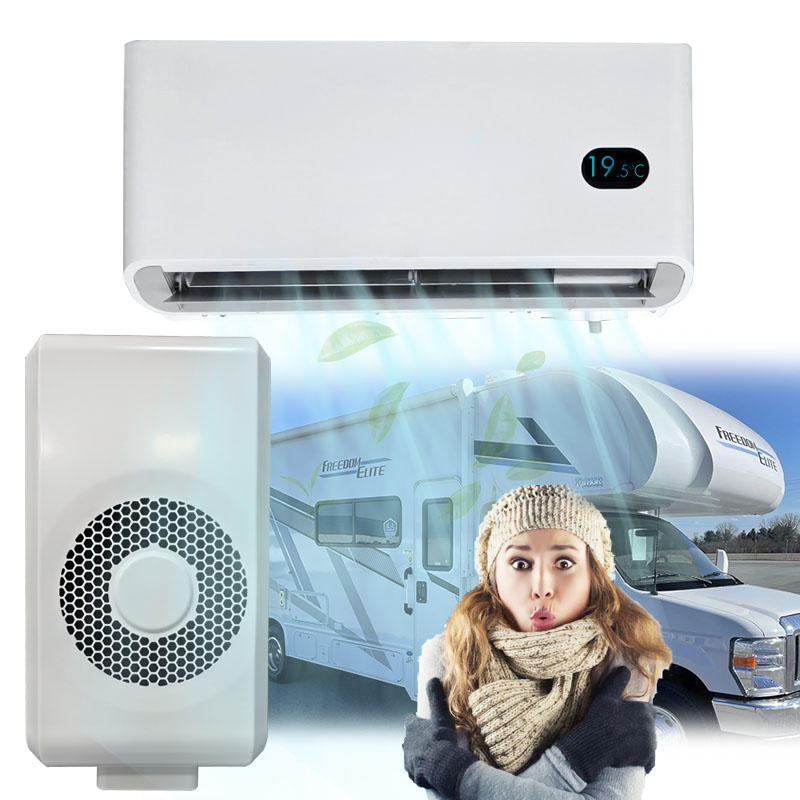 Portable Split Parking Air Conditioner for RV
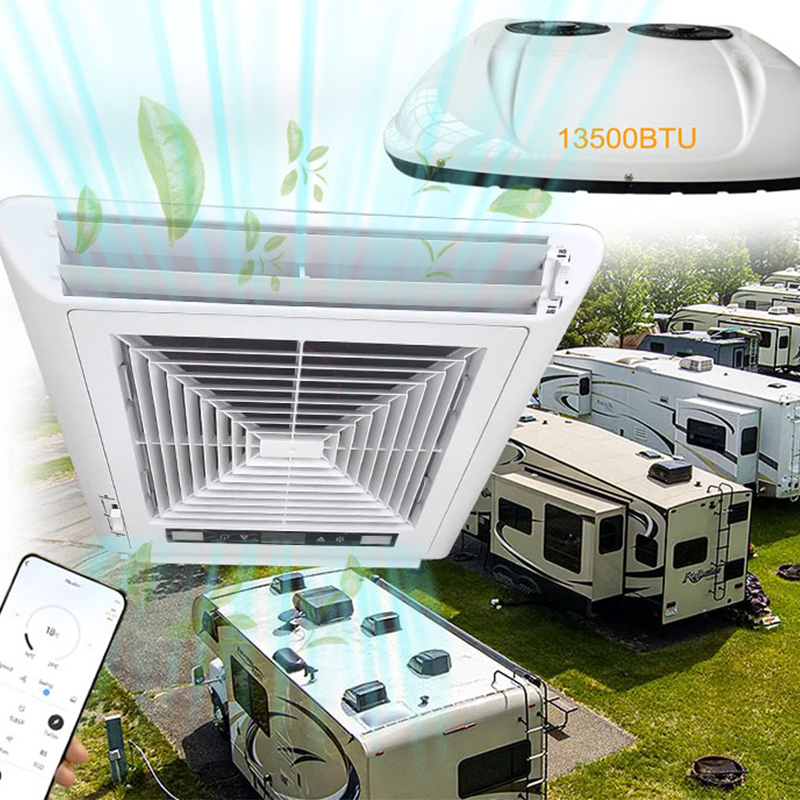 Portable Split Parking Air Conditioner for RV
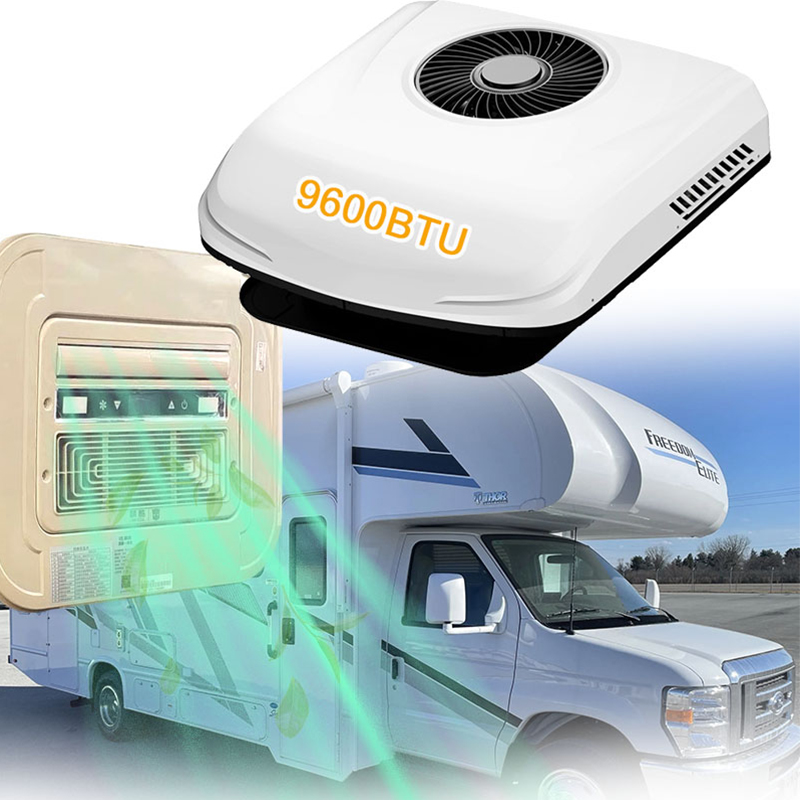 Portable Split Parking Air Conditioner for RV
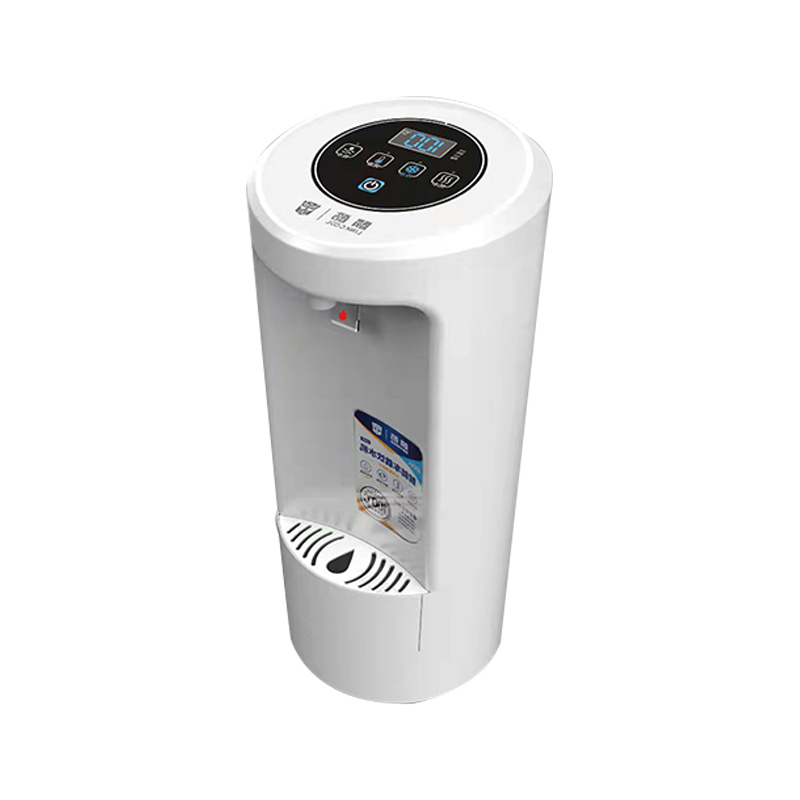 Hot Water Dispenser
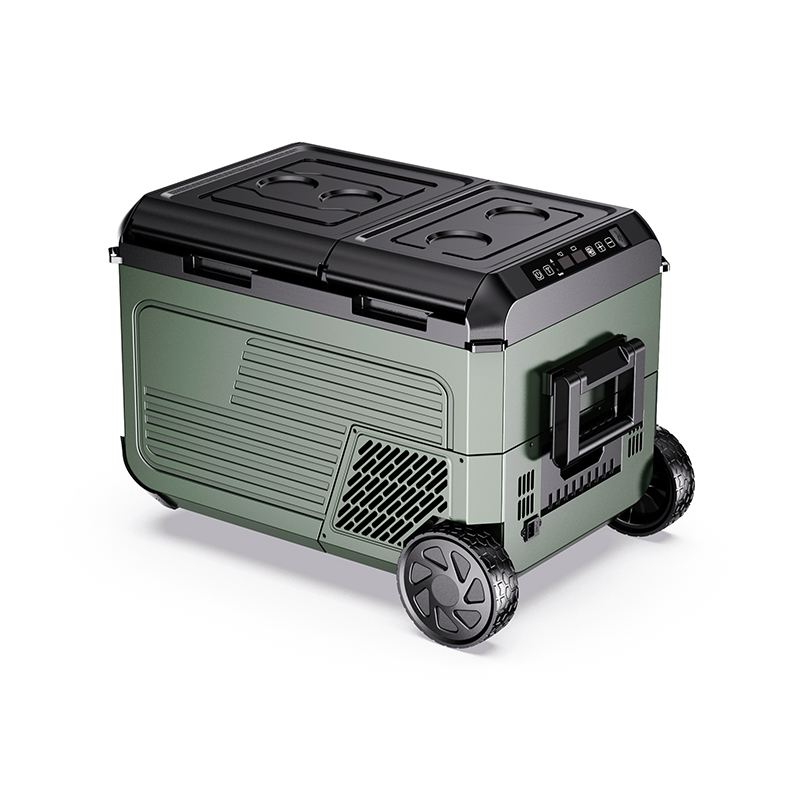 Outdoor Freezer
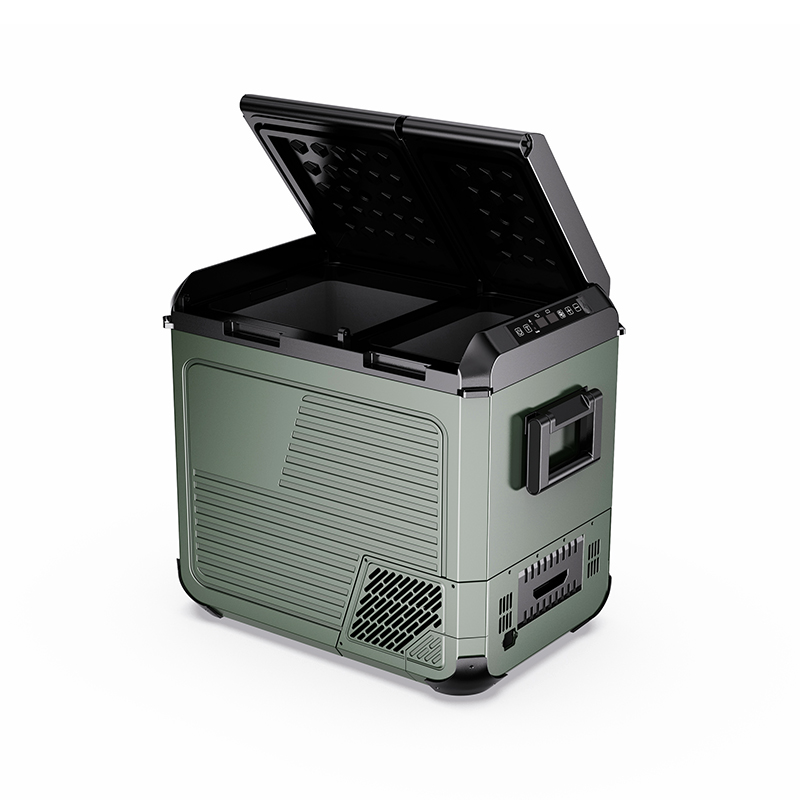 Outdoor Freezer
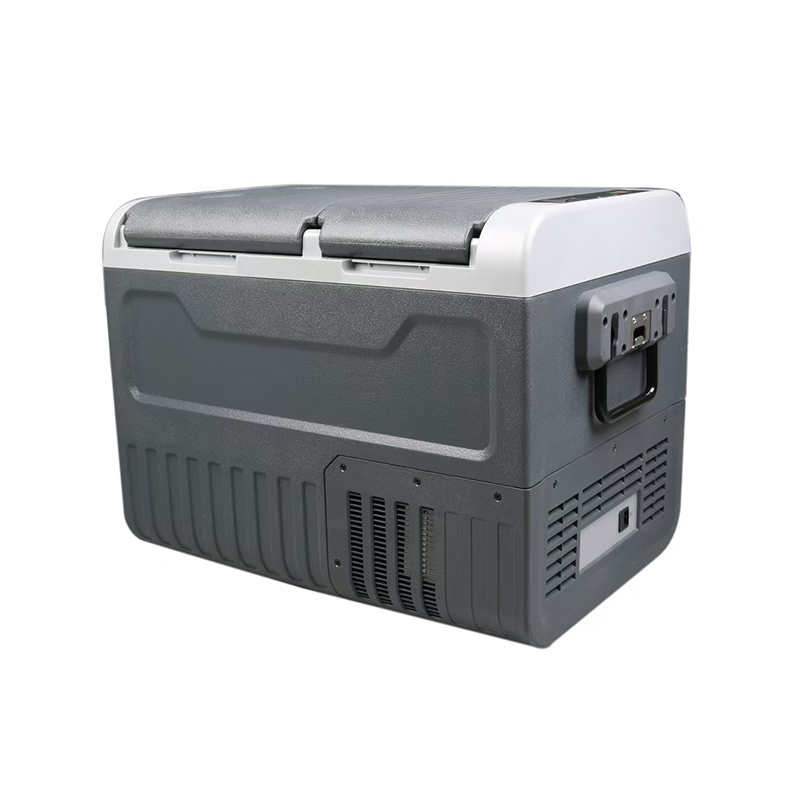 Car Refrigerator
 Diesel Heater For Vehicles
+86-18657986688
sale@lkcool.net
Building B, No. 9 Liunan Road, Niubeijin Industrial Zone, Baiyang Street, Jinhua, Zhejiang, China


 English
 Español