Sleeper cabin cooling for long-haul trucks.
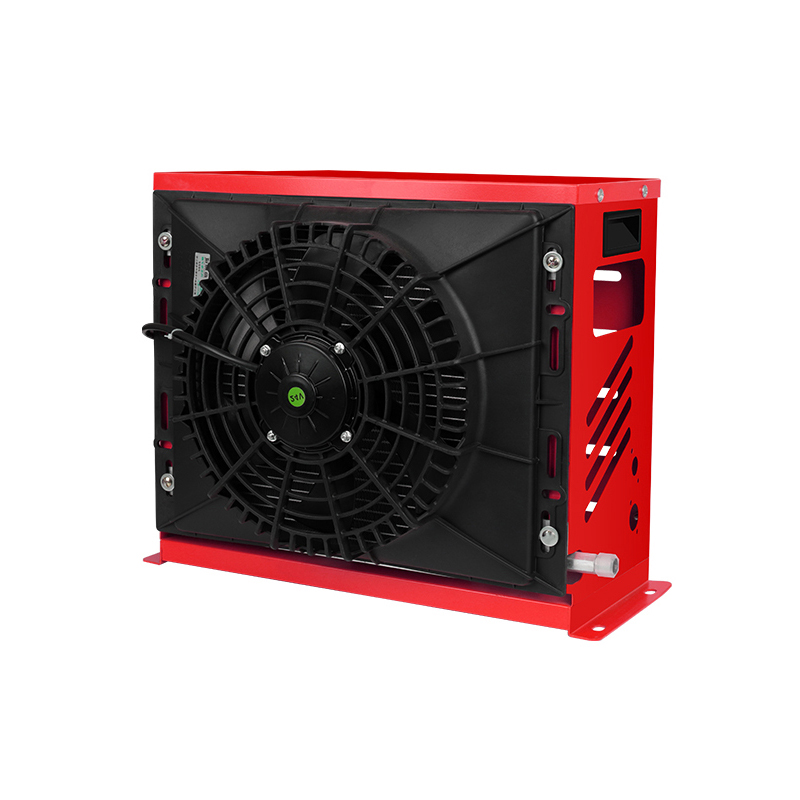
A mini split air conditioner for truck is a compact, split-system AC designed to cool the sleeper compartment without idling the main engine. The system has two main parts: an outdoor condenser unit mounted on the back of the truck cab or behind the sleeper, and an indoor evaporator unit mounted inside the sleeper area. Refrigerant lines and electrical wiring connect the two. Unlike residential mini splits (usually 9,000–24,000 BTU), truck units are smaller—typically 4,000 to 8,000 BTU, sized for sleeper volumes of 4–8 cubic meters. The 12V or 24V DC compressors run from the truck's battery bank, often with an auxiliary battery pack (two to four deep-cycle batteries, 200–400 Ah total) to provide power when the engine is off. A typical 6,000 BTU unit draws 45–65 amps at 12V (540–780 watts) while the compressor runs, which is about 40–60% of the alternator's idling output on most heavy trucks.
Battery capacity and run time calculations.
The biggest operational question for any truck mini split is "how long can it run without starting the engine?" The answer depends on battery bank size, outdoor temperature, and thermostat setting. An example: two 100 Ah deep-cycle batteries (200 Ah total) should not be discharged below 50% to avoid shortening battery life. That gives 100 usable Ah. A mini split drawing 55 amps on average (accounting for compressor cycling) would run for about 1.8 hours (100 ÷ 55 = 1.8). With four 100 Ah batteries (400 Ah total, 200 usable), run time extends to about 3.6 hours. In practice, most truck mini split systems are designed for 4–8 hours of run time, assuming 300–600 Ah of battery capacity. When batteries drop below 11.5V (for a 12V system) or 23V (24V system), the mini split's low-voltage cutoff shuts down the compressor to protect against deep discharge. Some systems incorporate a battery monitoring display showing remaining run time in 15–30 minute increments.
Compressor technology and noise considerations.
Truck mini splits use either conventional reciprocating compressors or variable-speed inverter compressors. Reciprocating compressors (found on lower-cost units) run at a fixed speed, cycling on and off to maintain temperature. The on-off cycle creates a noticeable click and surge in power draw. Inverter compressors ramp up and down continuously, maintaining a more stable temperature with fewer power spikes and lower noise (45–52 dB vs. 55–65 dB for reciprocating types). For a truck driver sleeping a meter away from the indoor unit, inverter noise levels are comparable to a box fan on low speed. The outdoor condenser fan and compressor produce another 50–60 dB outside the cab—about the level of a normal conversation. This matters for overnight parking in quiet rest areas; some drivers choose low-noise units specifically to avoid disturbing other trucks parked nearby.
North America: EPA SNAP and DOT regulations.
In the United States and Canada, truck mini split systems must comply with EPA regulations under the Significant New Alternatives Policy (SNAP). As of 2024, refrigerants permitted for new mobile air conditioning include R-134a (phasing down, allowed through 2030), R-1234yf (low global warming potential, GWP <1), and R-290 (propane, GWP 3). R-290 is increasingly common in truck mini splits because it has excellent thermodynamic performance and low environmental impact. However, R-290 is flammable (A3 safety class). The EPA permits up to 150 grams of R-290 in a single system, provided the unit includes specific safety features: leak detection sensors, audible alarms, and labeling that identifies the flammable refrigerant. The National Highway Traffic Safety Administration (NHTSA) does not directly regulate AC systems but applies the Federal Motor Vehicle Safety Standards (FMVSS) for electrical components. A truck mini split installed after market must not create fire hazards or obstruct driver visibility. For electrical safety, the system must comply with SAE J2464 (for battery systems) and SAE J2894 (for high-voltage components above 60V DC). Many 12V and 24V systems are exempt from high-voltage rules but still require overcurrent protection (fuses or circuit breakers within 30 cm of the battery connection). The US Department of Transportation (DOT) also requires that any external condenser unit not extend beyond the legal width of the truck (102 inches, or 8.5 feet) and not block required lighting or reflectors. In practice, most truck mini splits are mounted on the back of the sleeper or on the roof within the existing envelope.
Europe: ECE R10, RoHS, and low-emission zone restrictions.
European truck mini splits must comply with ECE Regulation No. 10 (electromagnetic compatibility), which ensures the AC does not interfere with the truck's CAN bus, radios, or electronic logging devices. Compliance testing measures radiated emissions between 30 MHz and 1 GHz; a compliant unit shows emissions below 30 dBµV/m at 10 meters distance (similar to standards for passenger vehicles). The RoHS Directive (2011/65/EU) restricts lead, mercury, cadmium, and other hazardous substances in electrical components. A truck mini split sold in the EU must have CE marking, indicating compliance with both RoHS and the low-voltage directive (LVD) 2014/35/EU. For refrigerant, Europe has moved faster than North America toward low-GWP options. R-290 (propane) is permitted in mobile AC under EN 378-1, with the same 150 gram charge limit as the US. However, several European countries impose additional restrictions: Germany's "Blue Angel" certification for low-noise units requires outdoor condenser noise below 55 dB at 3 meters. Austria and Switzerland prohibit R-134a in new mobile AC installations as of 2023, effectively requiring R-1234yf or R-290. Low-emission zones in cities like London, Paris, and Berlin do not directly regulate AC refrigerants but do restrict truck idling, which makes electric mini splits more attractive. A truck parked overnight in London's LEZ cannot idle its engine to run the AC; a battery-powered mini split is allowed because the engine remains off. The European Truck Platooning Challenge also encourages standardized electrical connections for auxiliary systems, including AC. Some newer trucks come pre-wired with a dedicated 24V circuit for an auxiliary mini split, with a standard connector (ISO 12098) near the sleeper area.
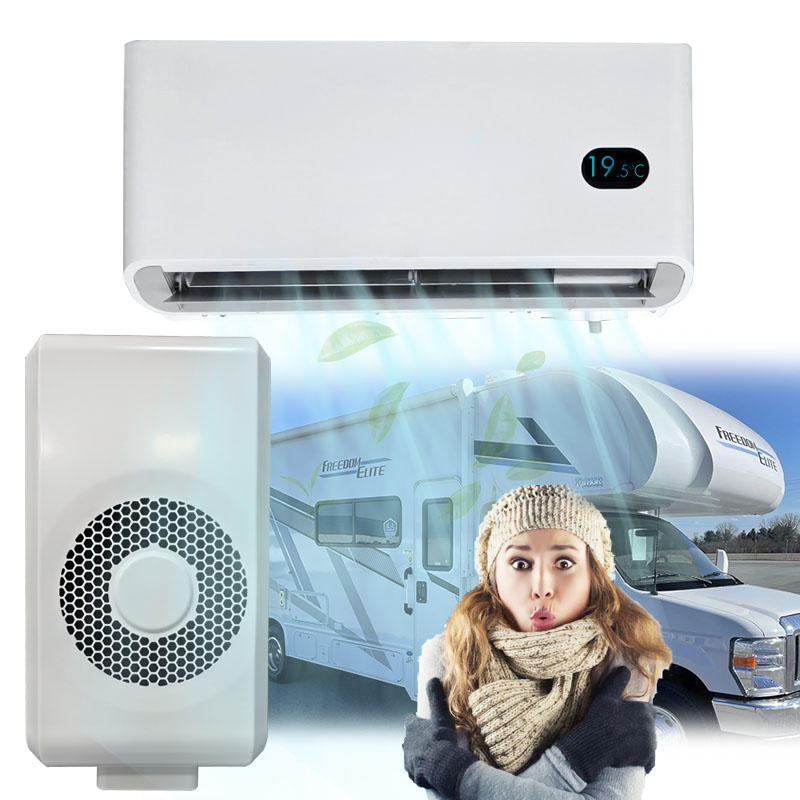 Portable Split Parking Air Conditioner for RV
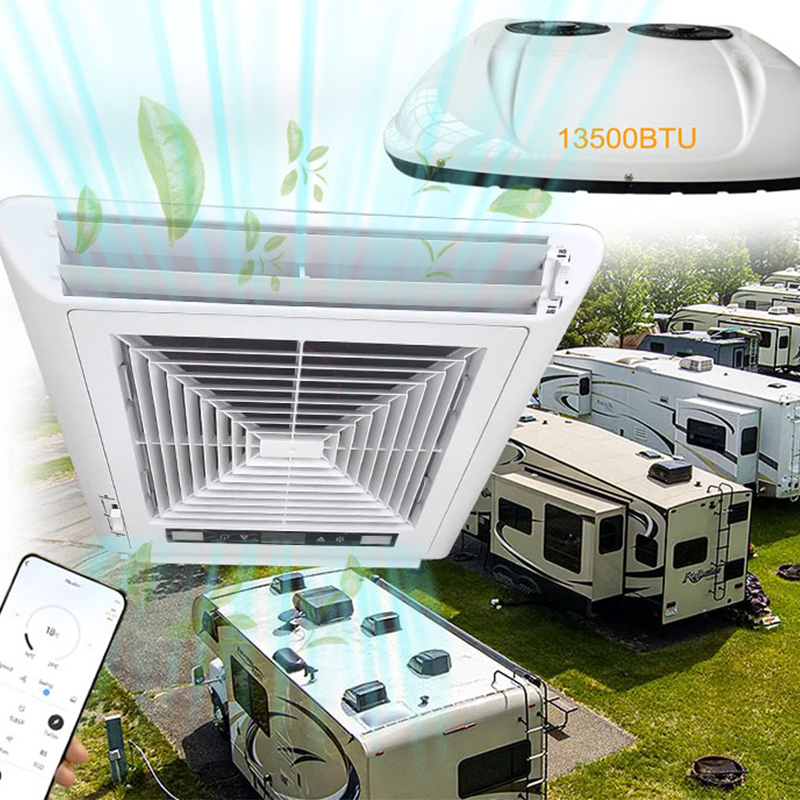 Portable Split Parking Air Conditioner for RV
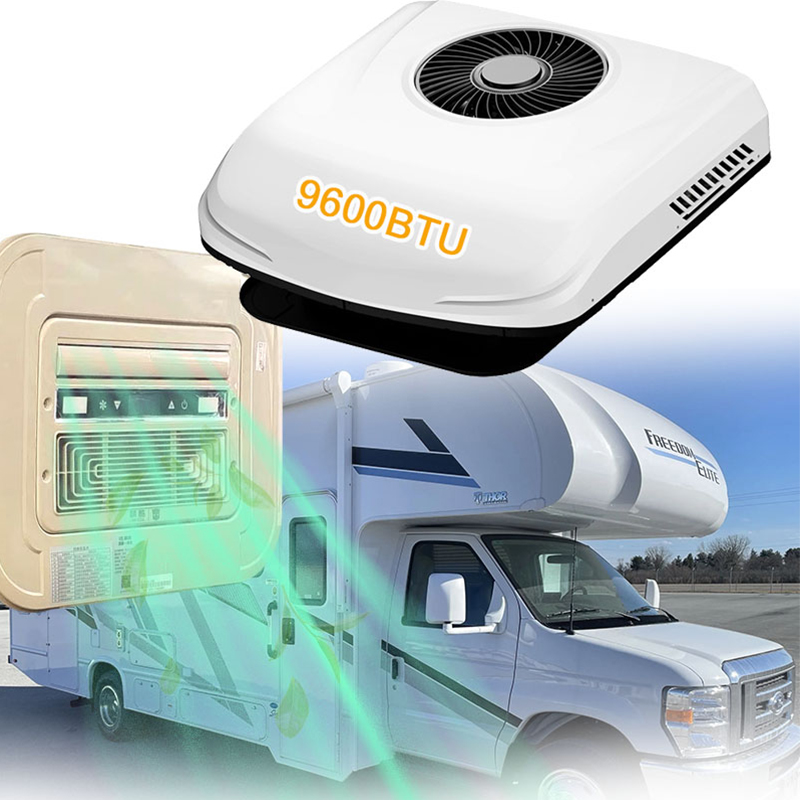 Portable Split Parking Air Conditioner for RV
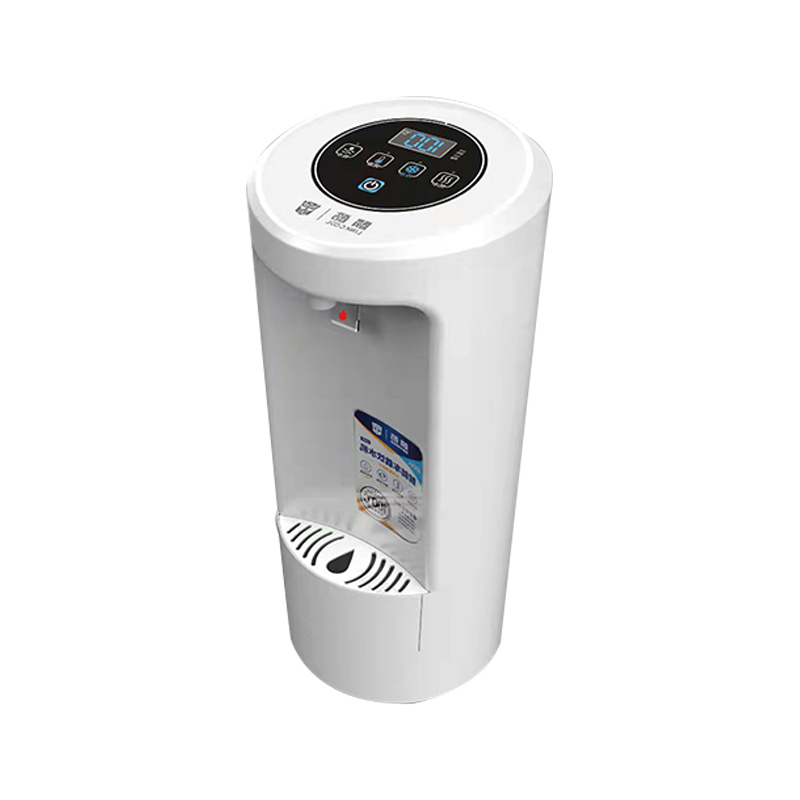 Hot Water Dispenser
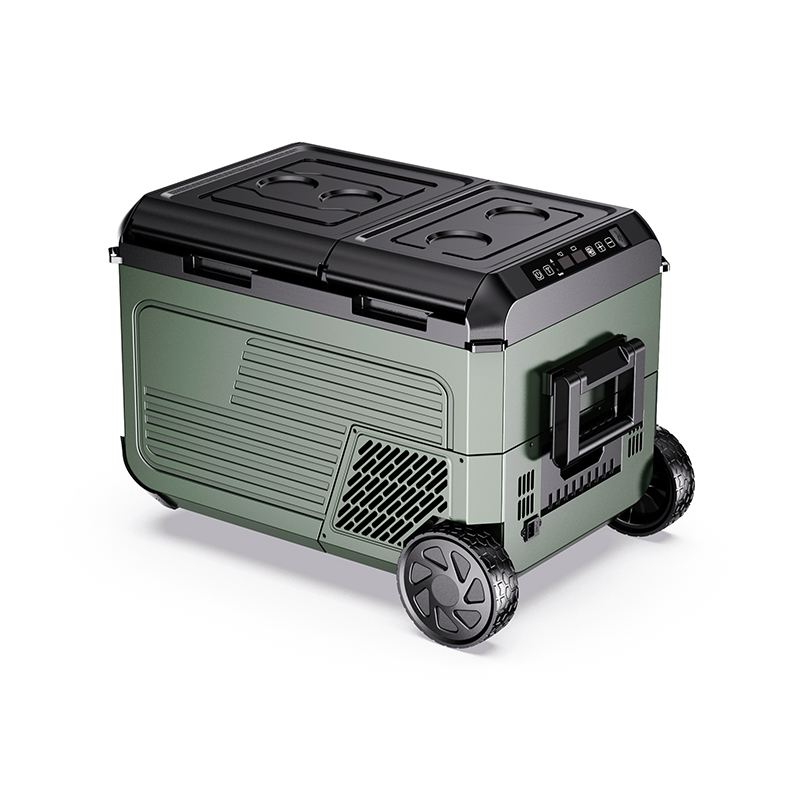 Outdoor Freezer
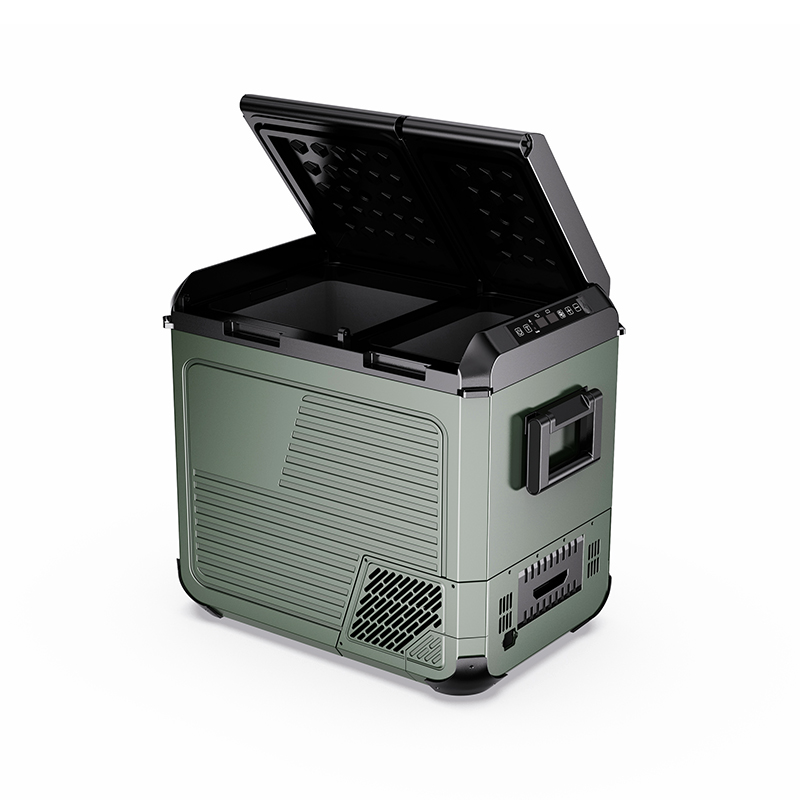 Outdoor Freezer
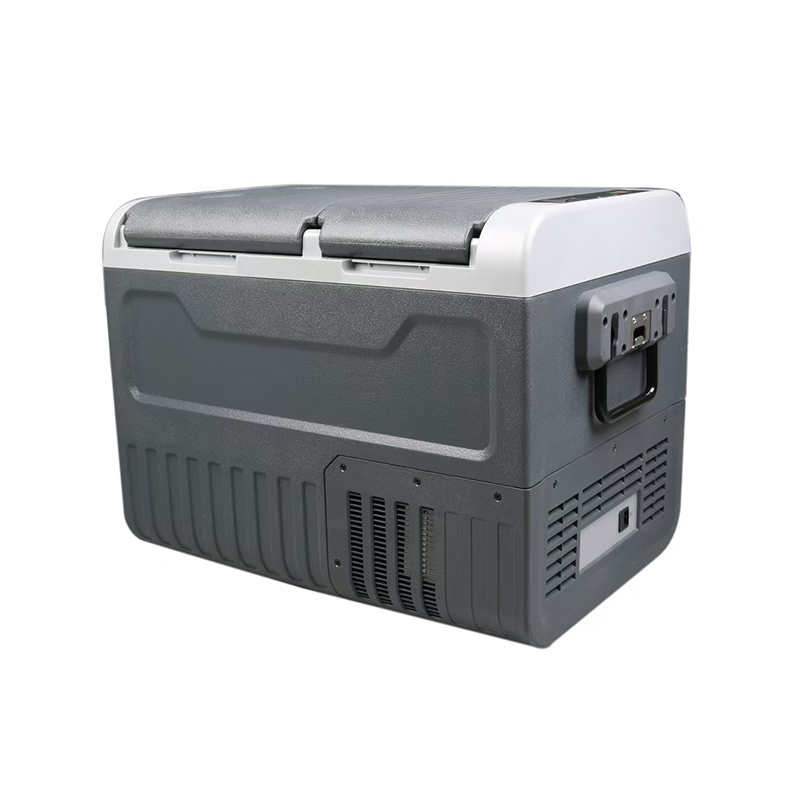 Car Refrigerator
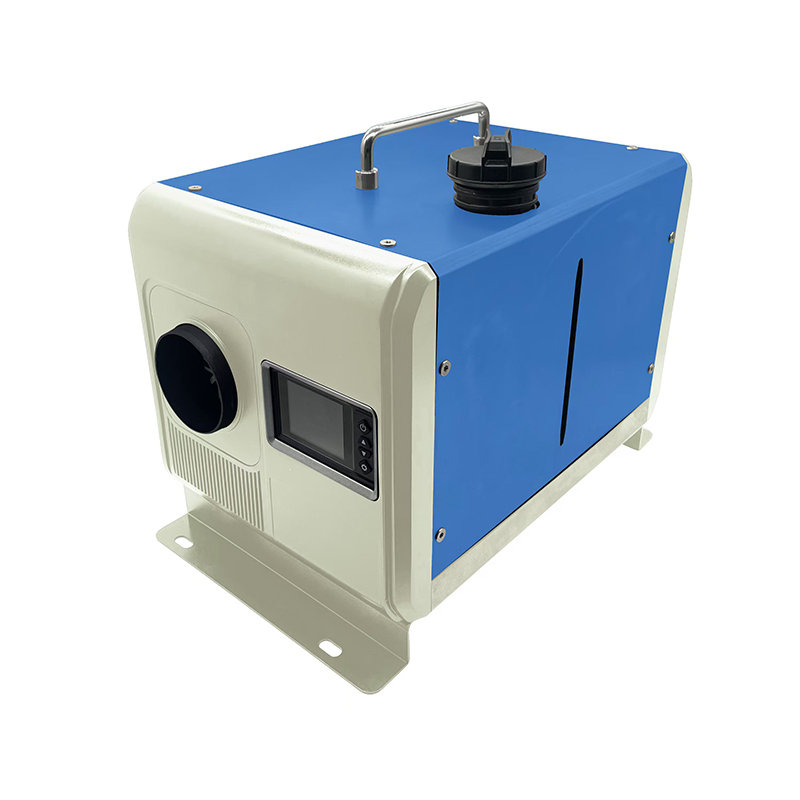 Diesel Heater For Vehicles
+86-18657986688
sale@lkcool.net
Building B, No. 9 Liunan Road, Niubeijin Industrial Zone, Baiyang Street, Jinhua, Zhejiang, China


 English
 Español