Dual-Voltage Rooftop AC vs. 12V Parking Cooling Systems: A Practical Breakdown for Off-Grid and Mobile Setups
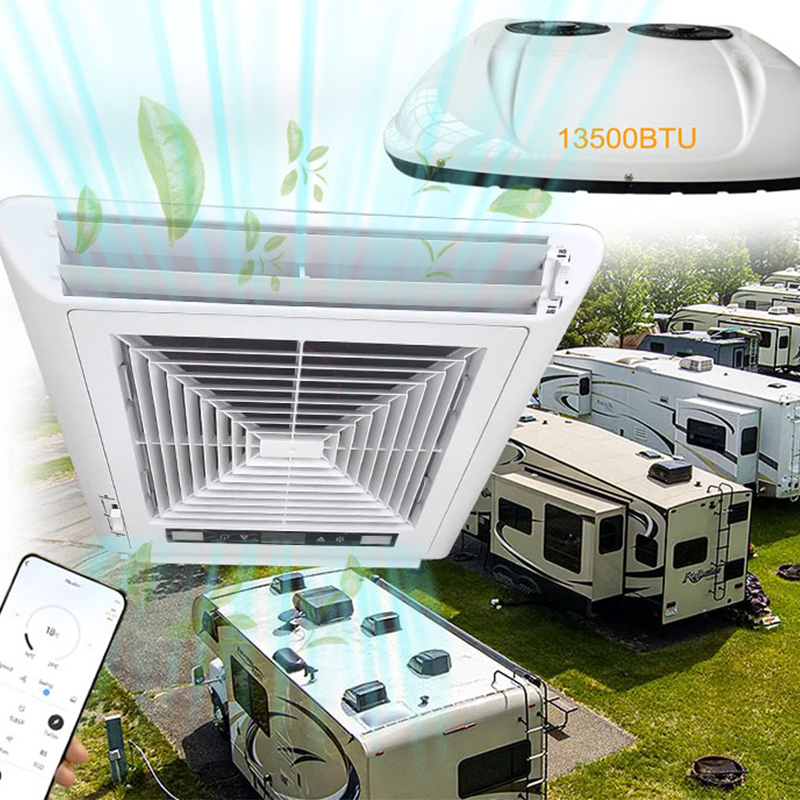
1. Rooftop 12V 24V Air Conditioner
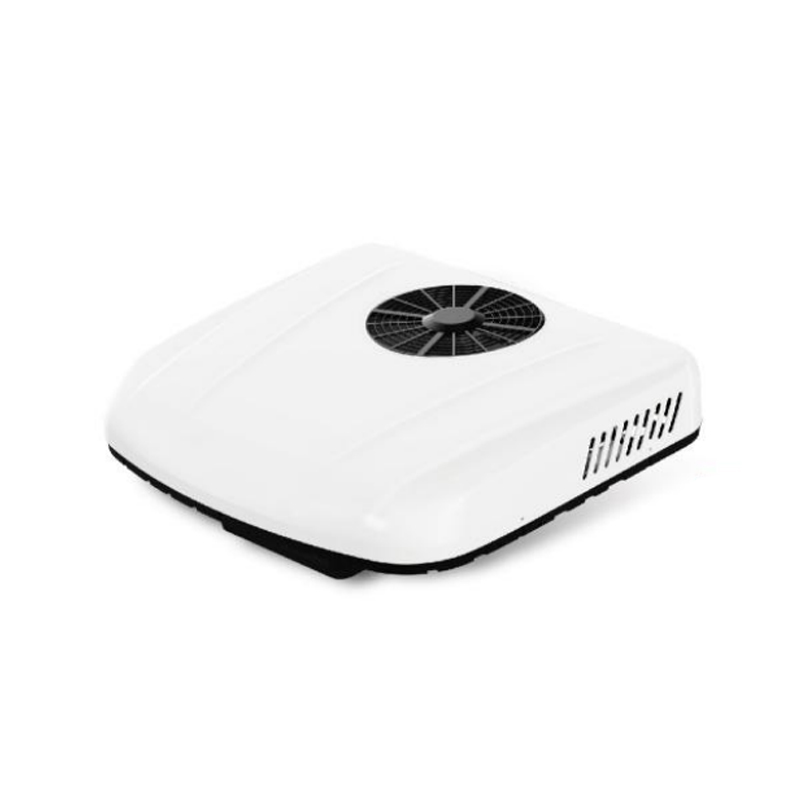
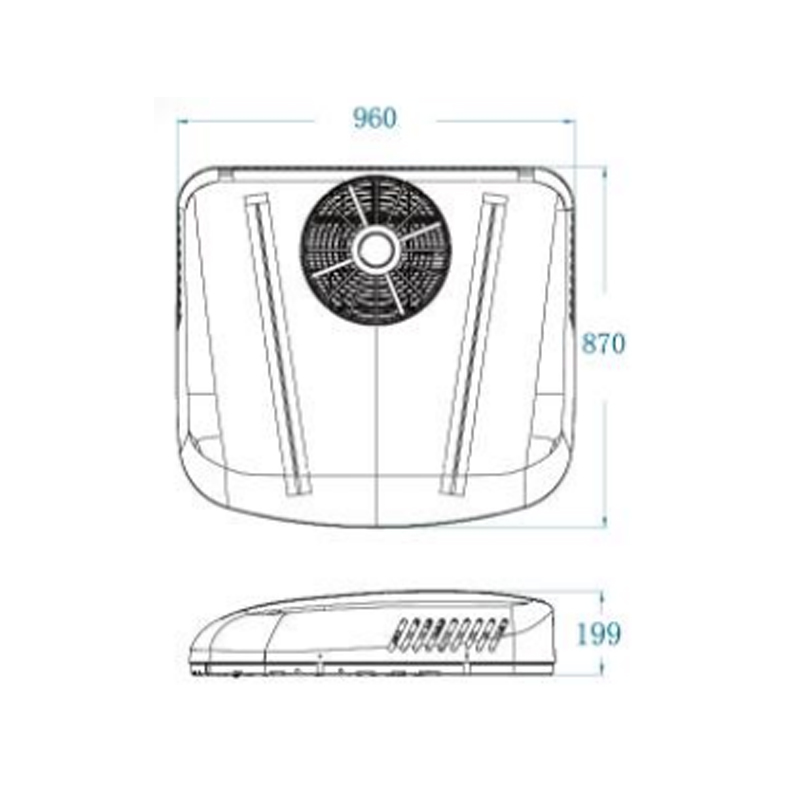
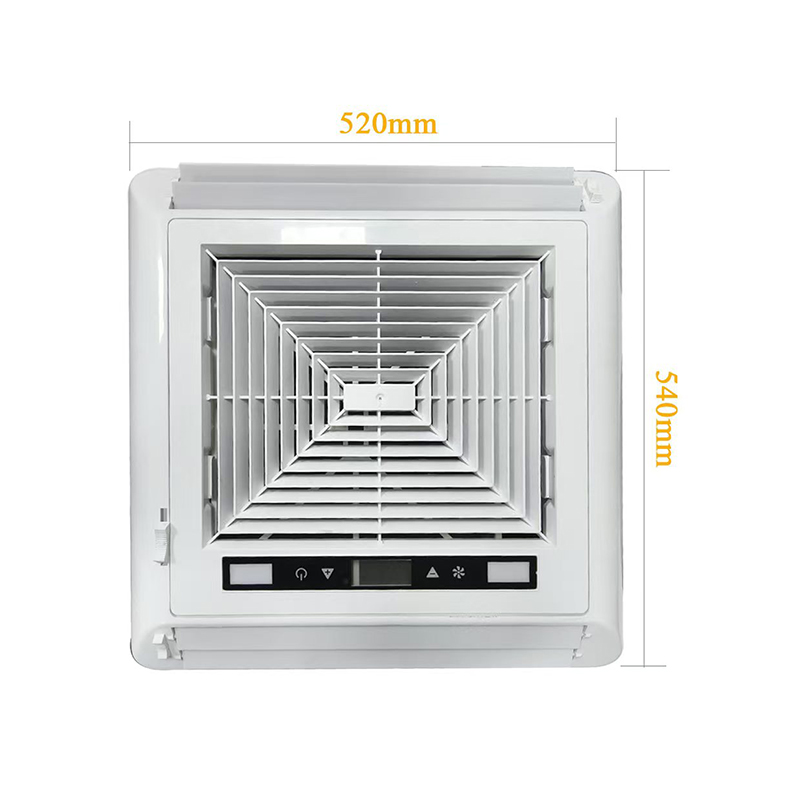
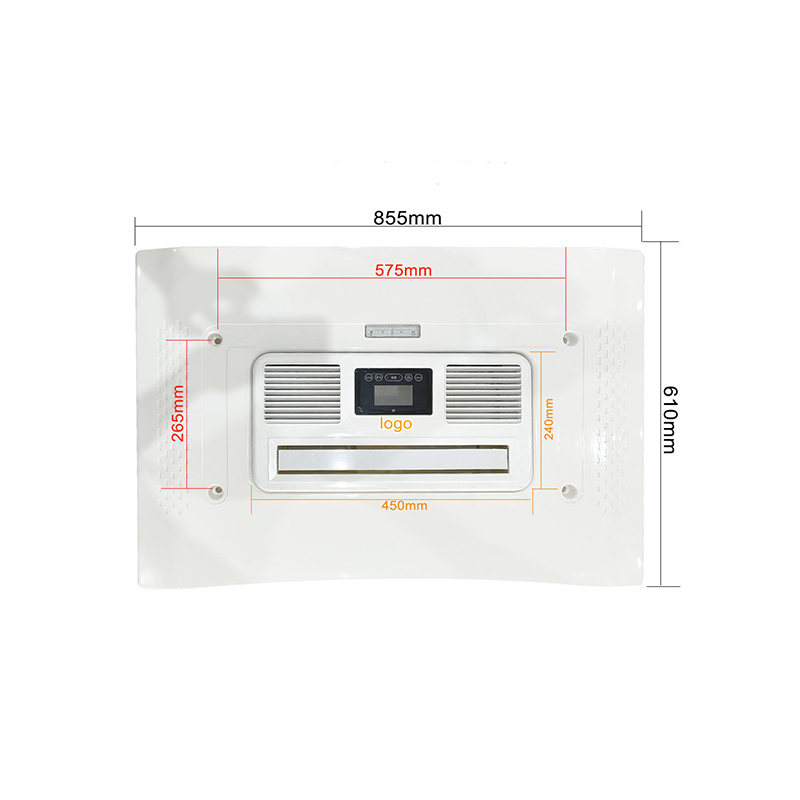
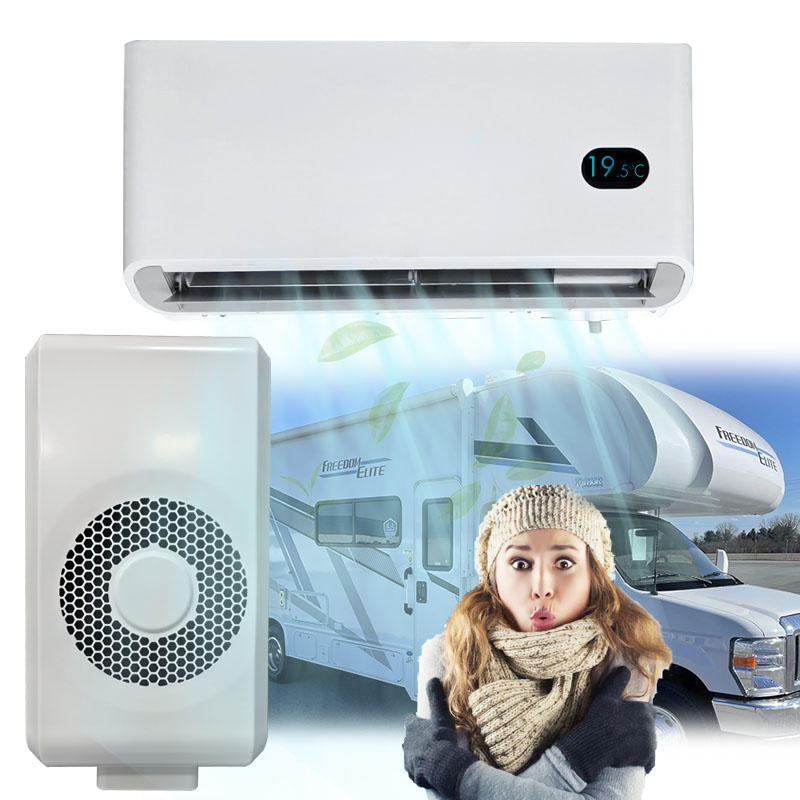
A rooftop-mounted climate control unit engineered to operate on both 12V and 24V DC power sources. Unlike standard household AC units that require shore power or generators, this Rooftop 12V 24V Air Conditioner draws directly from battery banks commonly found in RVs, campervans, trucks, and tiny homes.
The dual-voltage flexibility means the same unit automatically adjusts to a 12V system (e.g., a single lead-acid or lithium battery setup) or a 24V system (series-connected batteries in commercial vehicles). Internally, brushless DC compressors and variable-speed fans reduce startup surges, making them compatible with solar-charged off-grid electrical architectures. Many models integrate smart thermostats that prioritize energy preservation when battery levels drop below preset thresholds.
A conversion van owner spends weekends in remote desert locations with only 400W of solar on the roof. During midday heat, the rooftop unit runs on 24V from two 12V batteries wired in series. At night, switching to 12V mode maintains low-power circulation without waking the occupants with generator noise.
Unlike portable floor-standing AC that vent through a window (inefficient and space-consuming), the rooftop variant frees up interior floors and avoids heat leakage around window seals. Compared to engine-driven AC, it functions without idling the alternator, slashing fuel use. However, it demands adequate roof reinforcement and is less effective in high-humidity environments than a mini-split system.
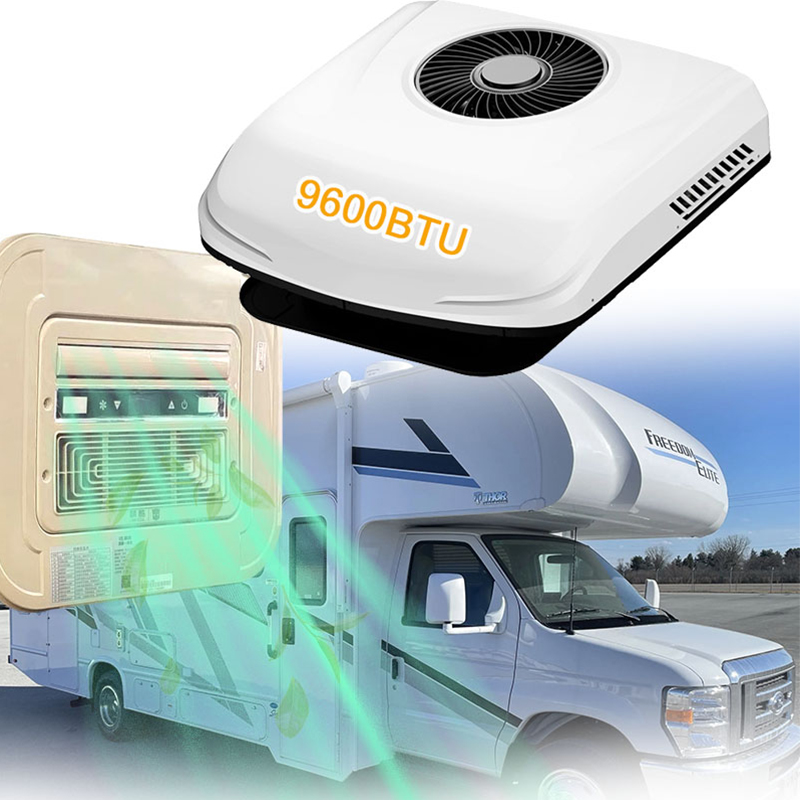
2. 12V Parking Air Conditioner
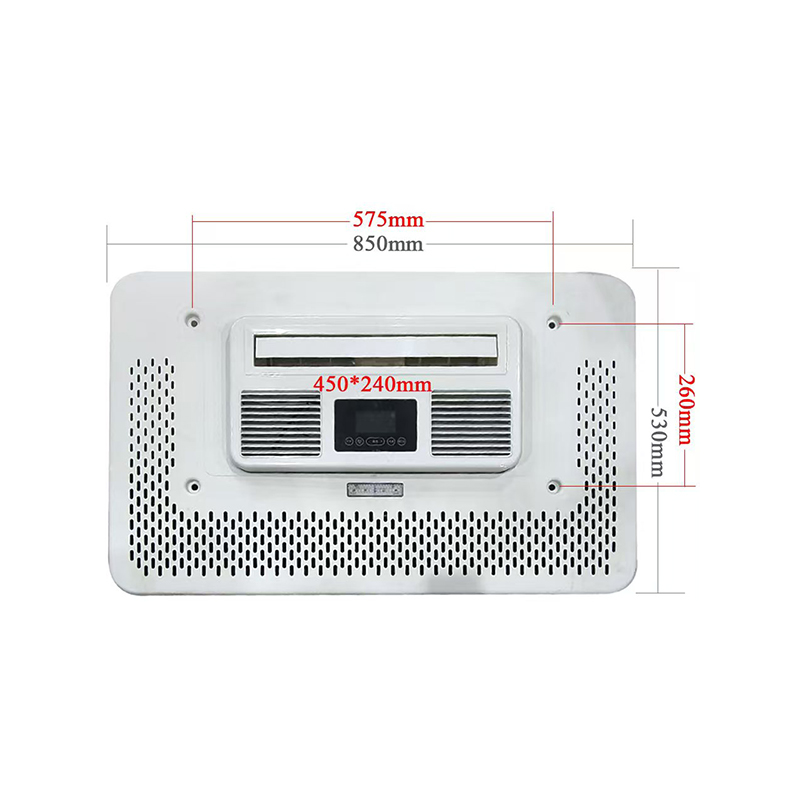
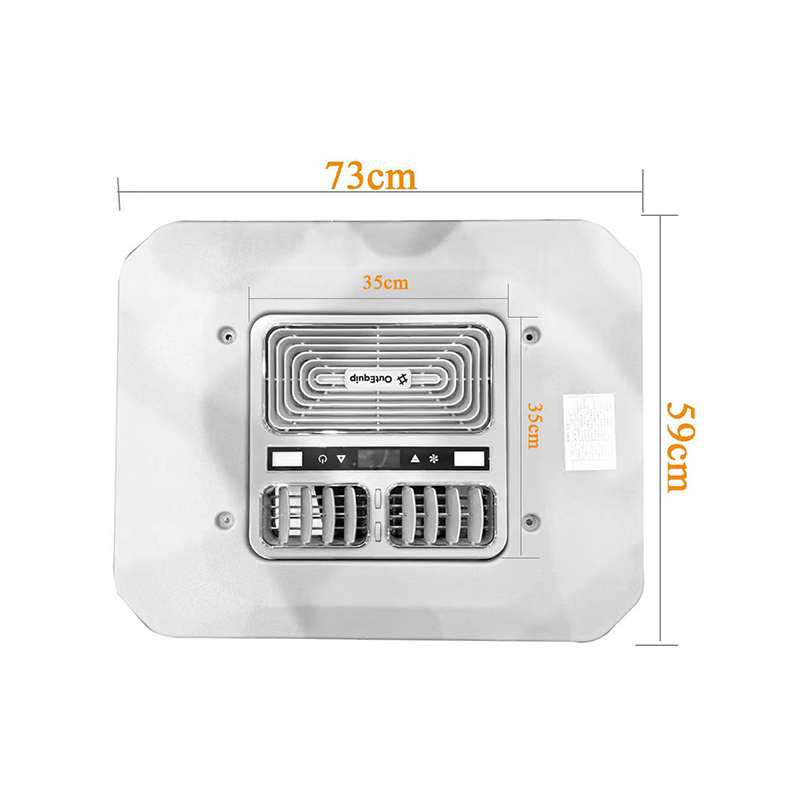
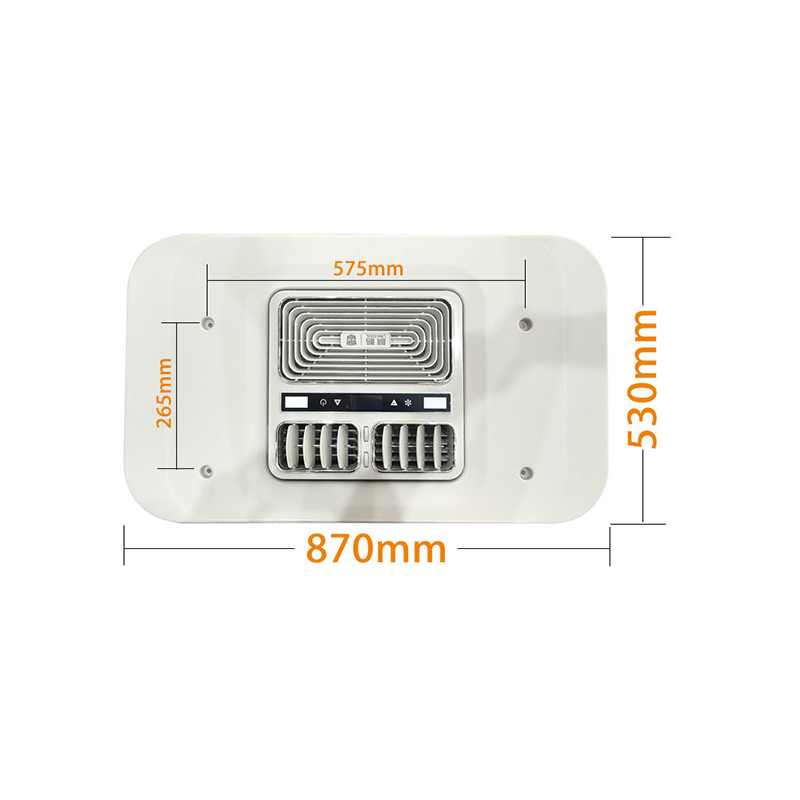
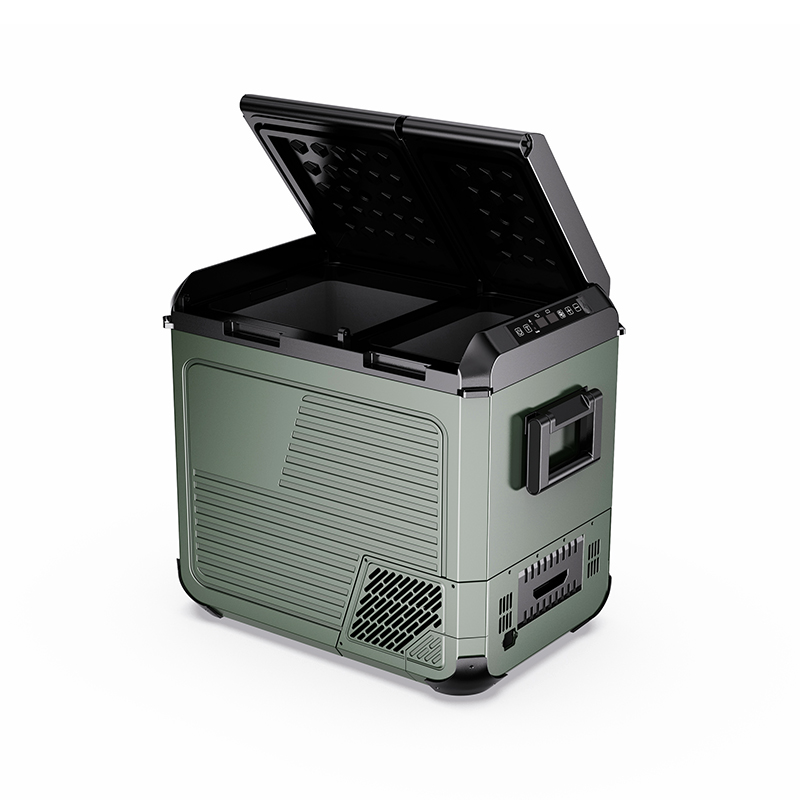
A low-voltage cooling solution specifically designed to operate while a vehicle’s engine is off—often referred to as a parking cooler. These units run solely on 12V DC, typically sourced from auxiliary or starter batteries, without requiring an inverter.
Parking AC units use rotary or scroll compressors tuned for sustained low-RPM operation. Energy consumption ranges from 20–50 amps per hour, making deep-cycle lithium or AGM batteries necessary for overnight use. Many include programmable timers and soft-start technology to avoid voltage drops. Installation can be roof-mounted, semi-integrated into window frames, or split-style with the condenser placed remotely.
A long-haul truck driver stops for a mandatory 10-hour rest at a roadside bay. Idling the diesel engine is prohibited due to noise ordinances and fuel costs. The 12V parking AC, wired to a dedicated 200Ah lithium pack, keeps the sleeper cabin at 22°C (72°F) for eight hours while solar trickle-charges during daylight.
Versus a rooftop 12V/24V unit, the pure 12V parking cooler is simpler to install on vehicles with existing single-battery 12V architecture. It avoids voltage-switching complexity but lacks the higher efficiency of 24V operation under heavy loads. Compared to a propane absorption fridge cooler (which only recirculates air, not cooling it), a true parking AC actively removes heat. Against a generator-plus-window-AC combination, it produces zero fumes and operates silently but offers shorter runtime per battery cycle.


 English
 Español