Content
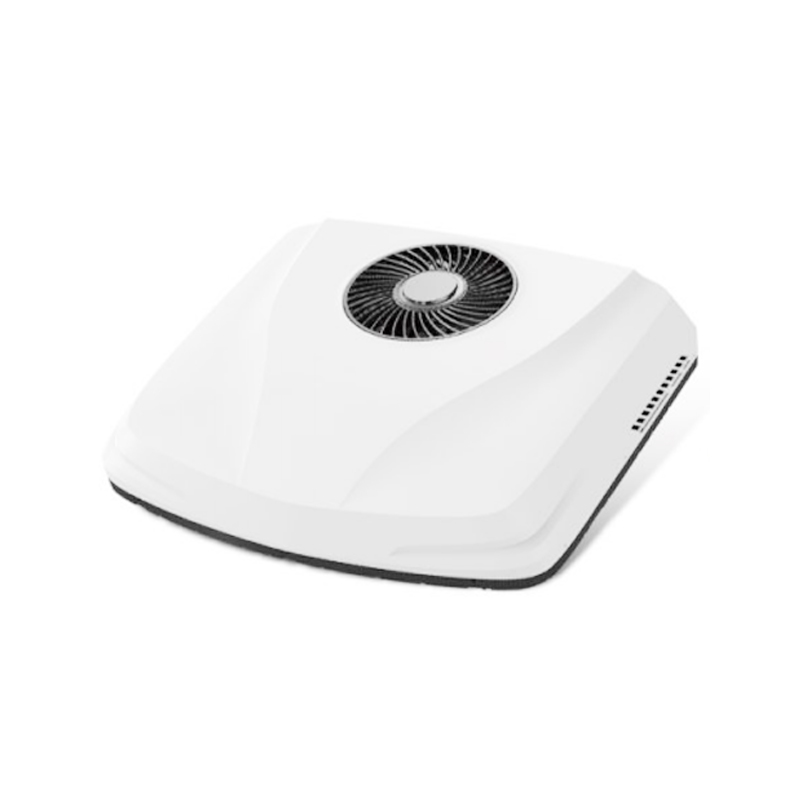
Rooftop parking air conditioners have found a wide range of applications in various industries and settings. They are increasingly used in both private and commercial vehicles, particularly in regions with hot climates where interior vehicle temperatures can rise to extreme levels when parked in direct sunlight.
|
Application |
Details |
|
Private Cars |
RPACs can be installed in private vehicles to maintain a cool and comfortable interior while parked, especially during summer months. This is beneficial for families, commuters, and anyone who spends time in their vehicles. |
|
Commercial Vehicles |
Trucks, delivery vans, and buses often utilize RPACs to keep the cabin cool during long stops, ensuring driver comfort and protecting sensitive equipment. |
|
Recreational Vehicles (RVs) |
RVs are popular in regions where people travel frequently for leisure. RPACs are commonly used in RVs to provide a comfortable temperature when parked at campsites or rest areas. |
|
Public Transportation |
In some buses and taxis, rooftop parking air conditioners are used to cool the vehicle during layovers or breaks in service, ensuring that the environment remains comfortable for passengers. |
|
Fleet Management |
Businesses with a fleet of vehicles often use RPACs to keep the fleet in optimal condition, especially in areas with high temperatures. This helps in maintaining both the vehicles and the comfort of drivers. |
Rooftop parking air conditioners are designed to provide efficient cooling while parked, addressing a critical need in vehicles that are exposed to direct sunlight for extended periods. The following are some key characteristics of RPACs:
1. Energy Efficiency
RPACs are designed to be energy-efficient, utilizing technologies that minimize power consumption. Since these units are powered by the vehicle's battery or an external power source, they are optimized to use as little power as possible while delivering sufficient cooling. This makes them a great option for individuals who want to avoid excessive energy consumption when using the air conditioner while the vehicle is not in motion.
2. Compact Design
One of the primary features of rooftop parking air conditioners is their compact design. These units are mounted on the roof of the vehicle, taking up minimal space inside the cabin. The compact nature of these air conditioners ensures that the vehicle’s interior space is not compromised, and they are ideal for use in smaller vehicles such as compact cars, trucks, or delivery vans.
3. Ease of Installation
Rooftop air conditioners are relatively easy to install, particularly with the precut designs and mounting kits provided by many manufacturers. The installation process typically involves securing the unit to the roof, connecting it to the vehicle's power source, and setting up the necessary airflow ducts. The simplicity of the installation process ensures that users can add air conditioning to their vehicle without significant modification.
In addition to their compact design and energy efficiency, rooftop parking air conditioners have other features that enhance their effectiveness and usability:
1. Durability and Weather Resistance
Since RPACs are installed on the roof of the vehicle, they are exposed to various weather conditions, including rain, snow, and extreme heat. Therefore, these air conditioners are built with durable materials that can withstand harsh environments. Many units are designed with weather-resistant casings to protect the internal components from damage caused by the elements. This durability ensures that the RPAC remains functional even after prolonged exposure to outdoor conditions.
2. Quiet Operation
Another important feature of rooftop parking air conditioners is their relatively quiet operation. Unlike traditional air conditioning units that can be noisy and disruptive, RPACs are designed to operate quietly, ensuring that there is no disturbance to the vehicle occupants or to people around the parked vehicle. This is especially important for commercial vehicles, public transportation, and recreational vehicles, where a peaceful environment is desired when the vehicle is parked.
3. Remote Control and Customization
Modern RPACs often come with remote control capabilities, allowing the user to control the air conditioner from a distance. This feature is particularly useful for people who want to cool the vehicle interior before entering or when preparing for travel. Some advanced models also offer customizable settings, such as adjustable fan speeds and temperature settings, allowing the user to tailor the cooling performance based on their specific needs.
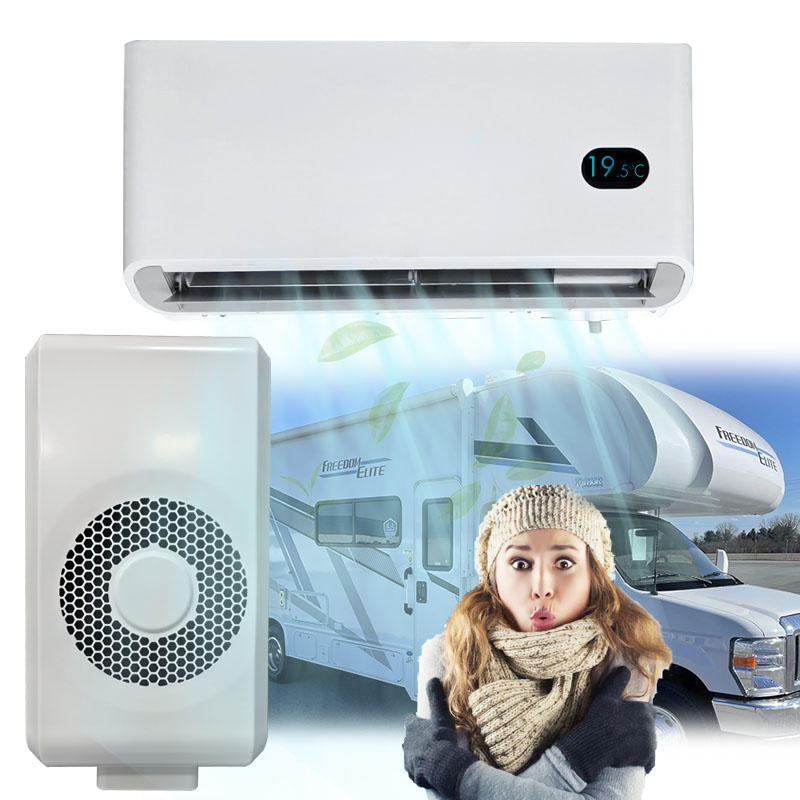 Portable Split Parking Air Conditioner for RV
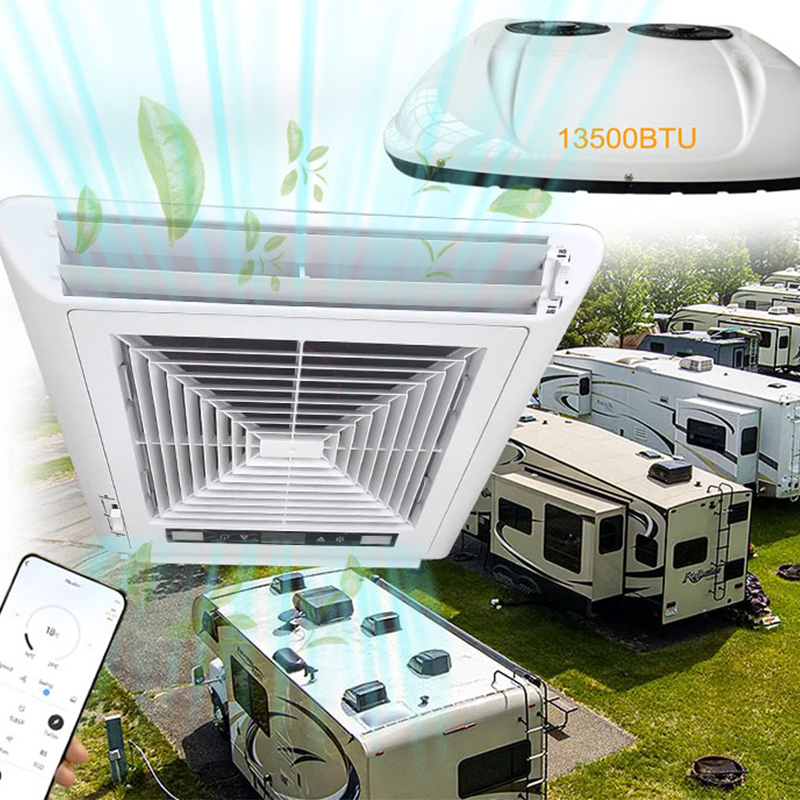 Portable Split Parking Air Conditioner for RV
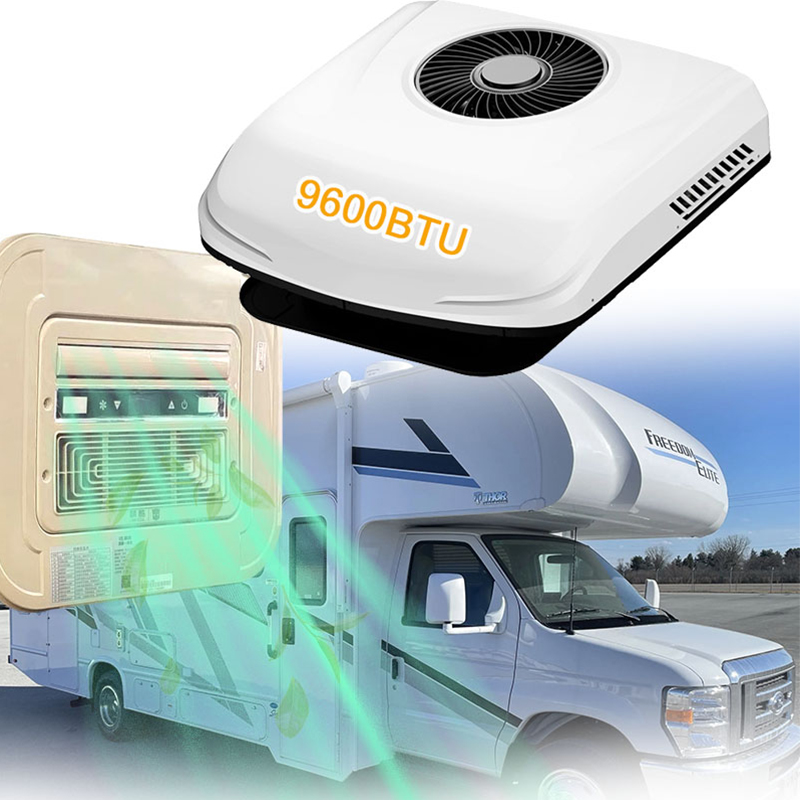 Portable Split Parking Air Conditioner for RV
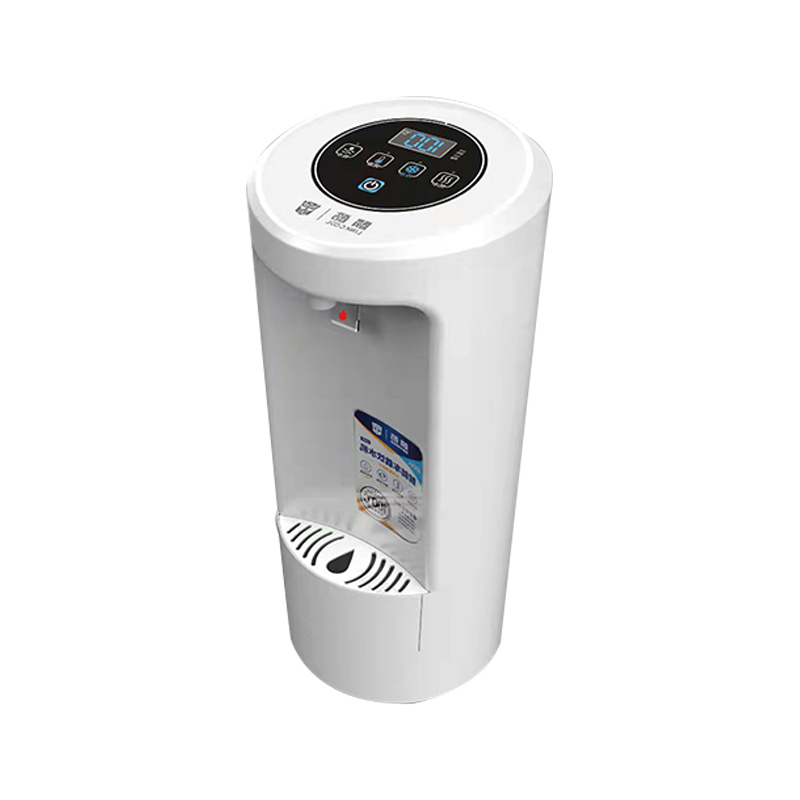 Hot Water Dispenser
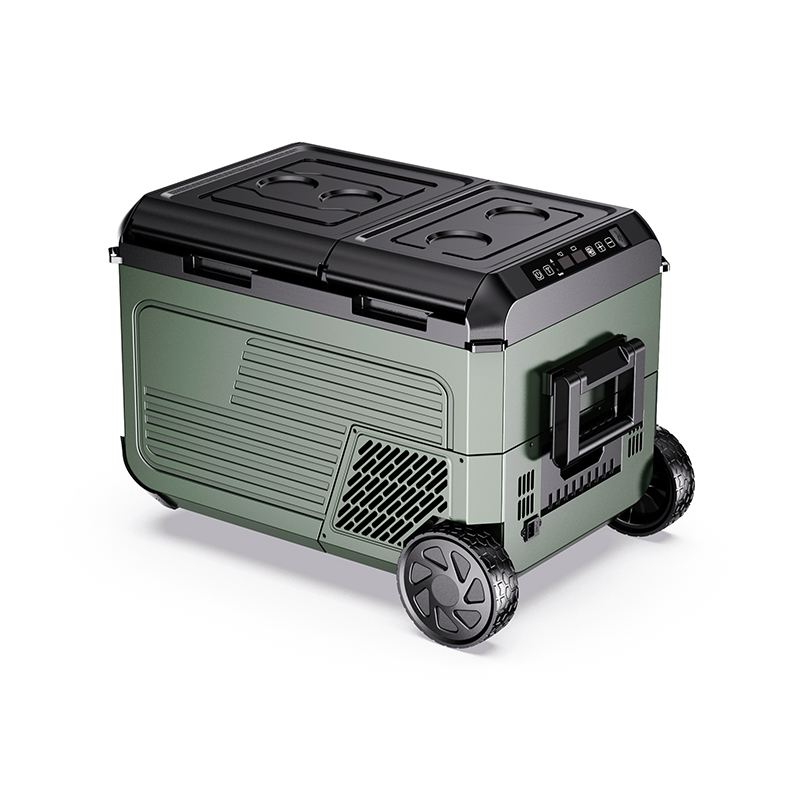 Outdoor Freezer
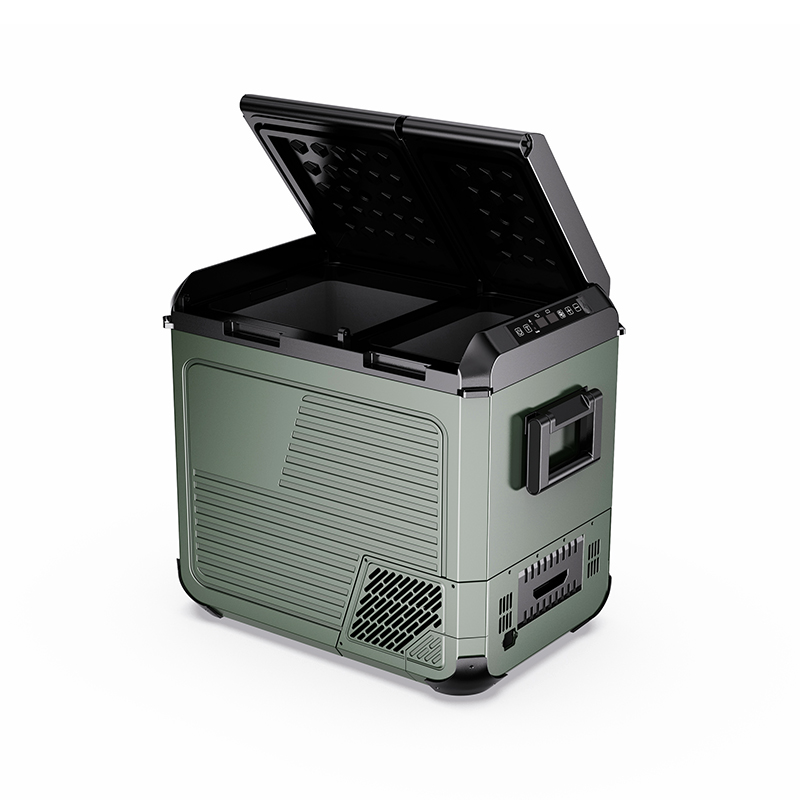 Outdoor Freezer
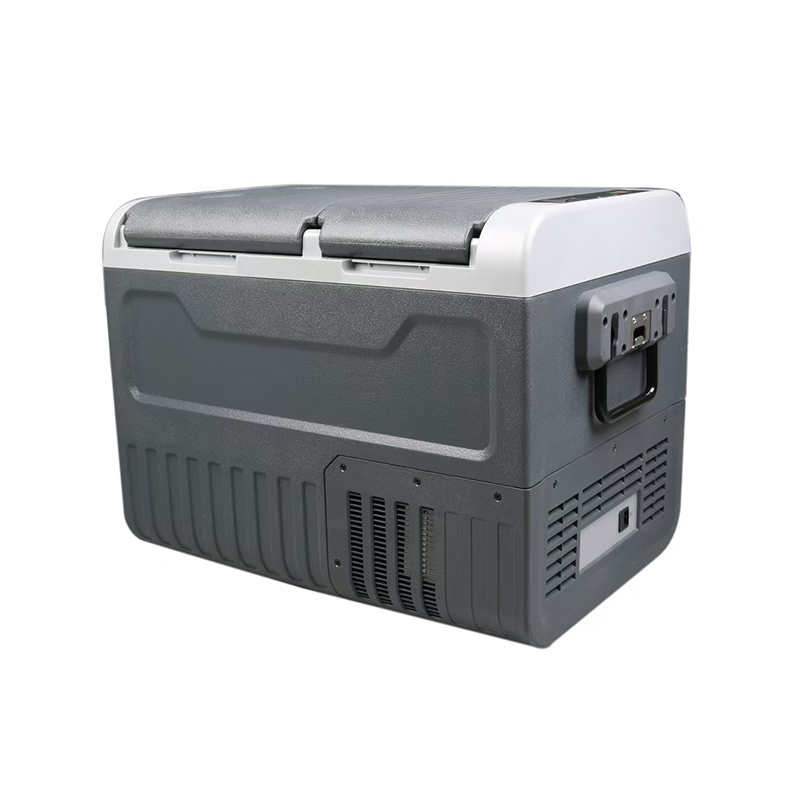 Car Refrigerator
 Diesel Heater For Vehicles
+86-18657986688
sale@lkcool.net
Building B, No. 9 Liunan Road, Niubeijin Industrial Zone, Baiyang Street, Jinhua, Zhejiang, China


 English
 Español