Parking Truck Air Conditioner vs. Pickup Truck Air Conditioner: What Works for Overnight Cab Cooling
A parking truck air conditioner is not the same as the engine‑driven AC that runs while driving. That system needs the engine idling. A parking truck air conditioner runs entirely off battery power—usually a dedicated 24V or 48V battery bank—and keeps the cab cool while the engine is off.
How a parking truck air conditioner works
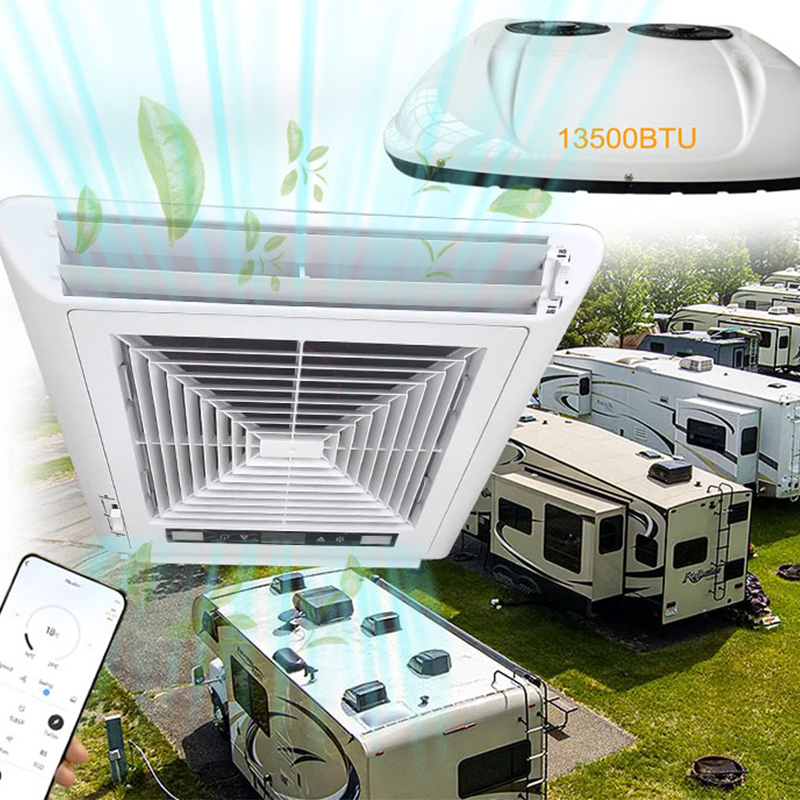
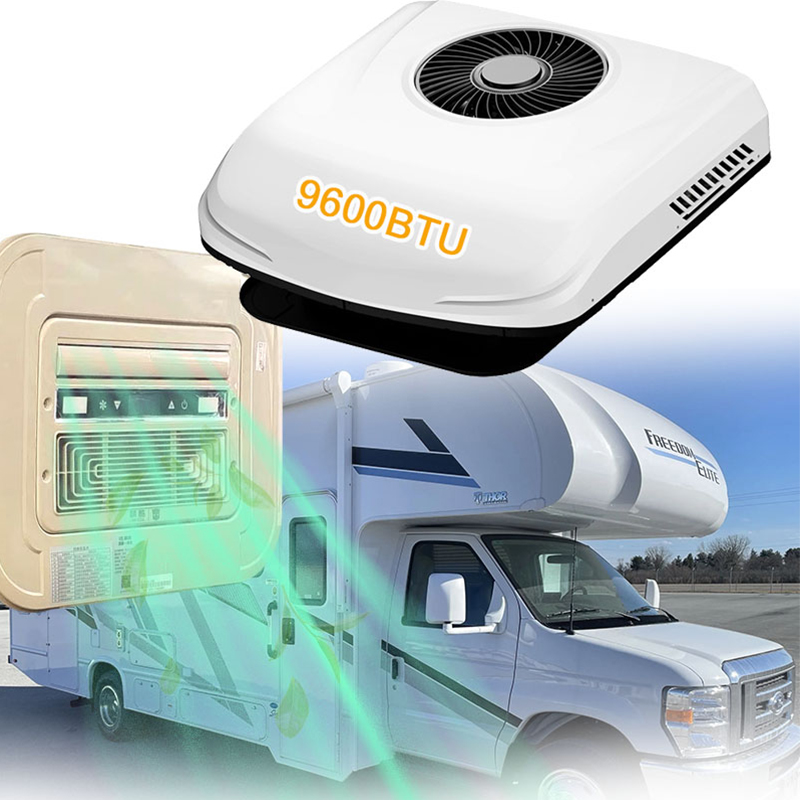
The unit uses a DC compressor, much like a high‑efficiency camping fridge but scaled up. It draws outside air, pulls heat from the cab interior, and dumps that heat outside through a separate condenser. No engine involvement. No idling. The battery supplies all the power.
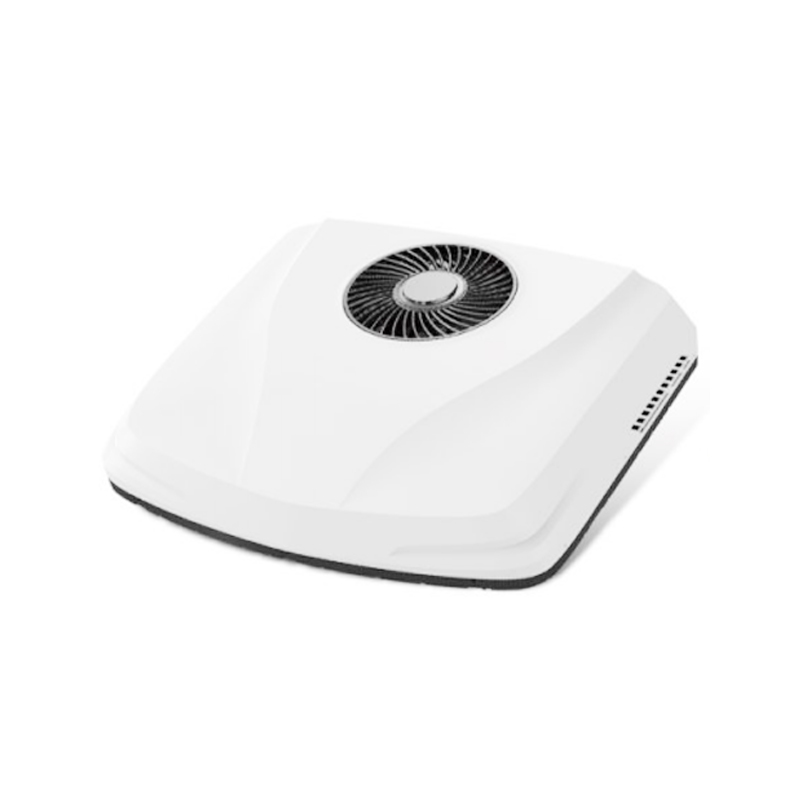
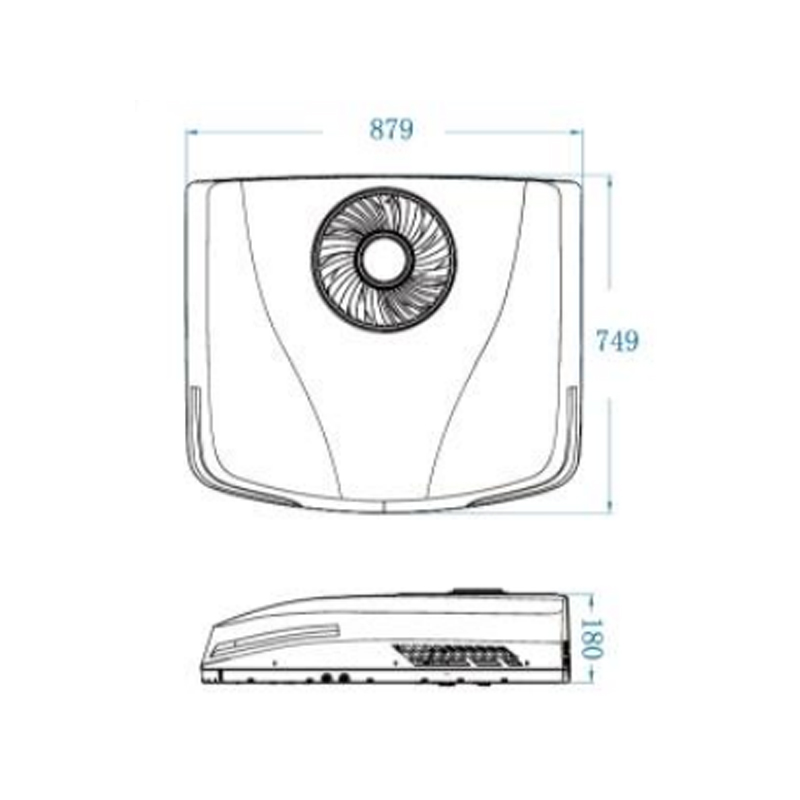
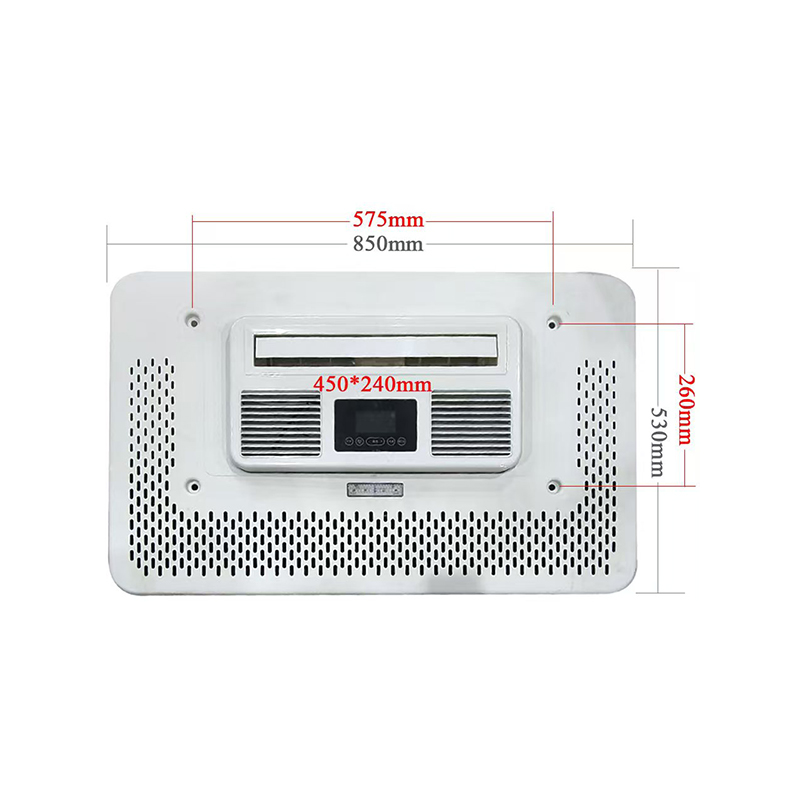
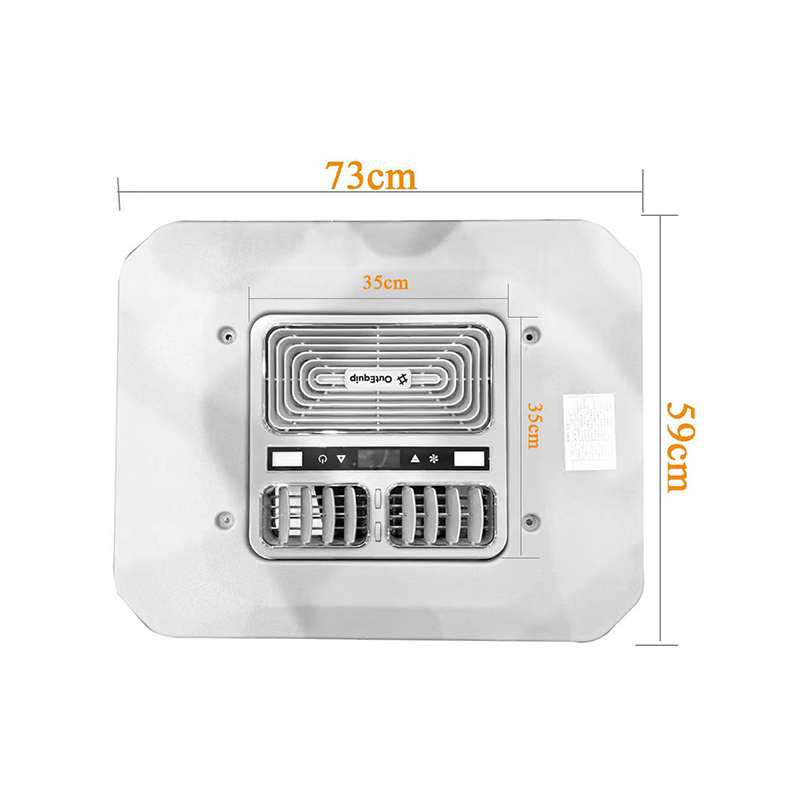
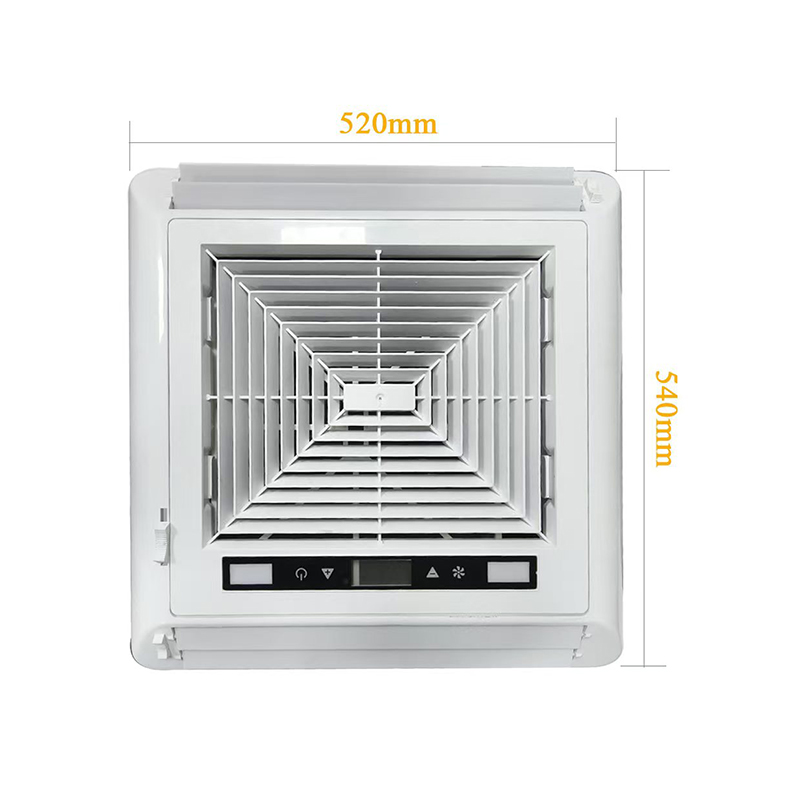
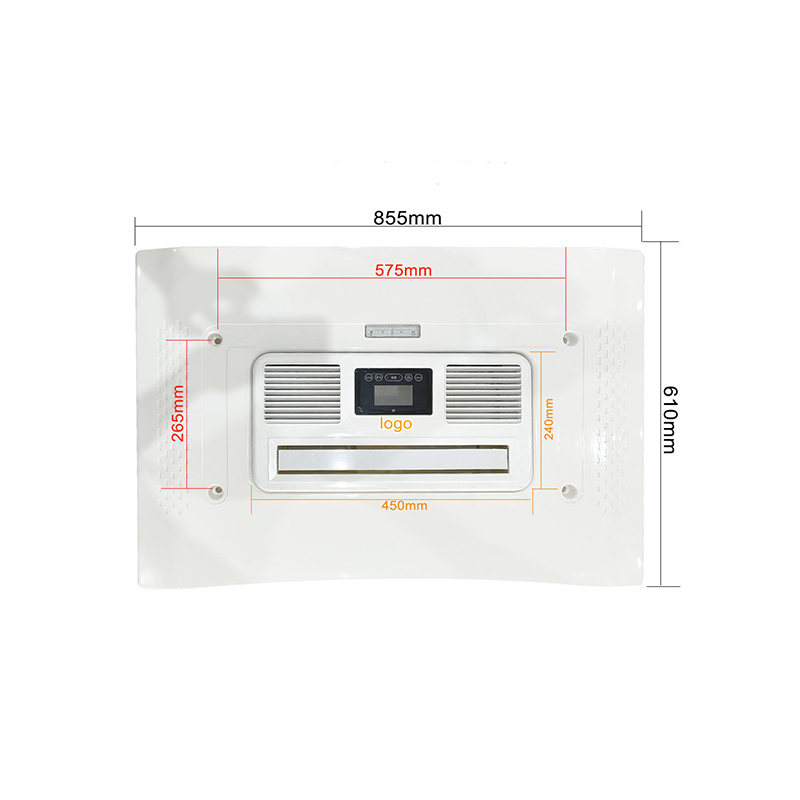
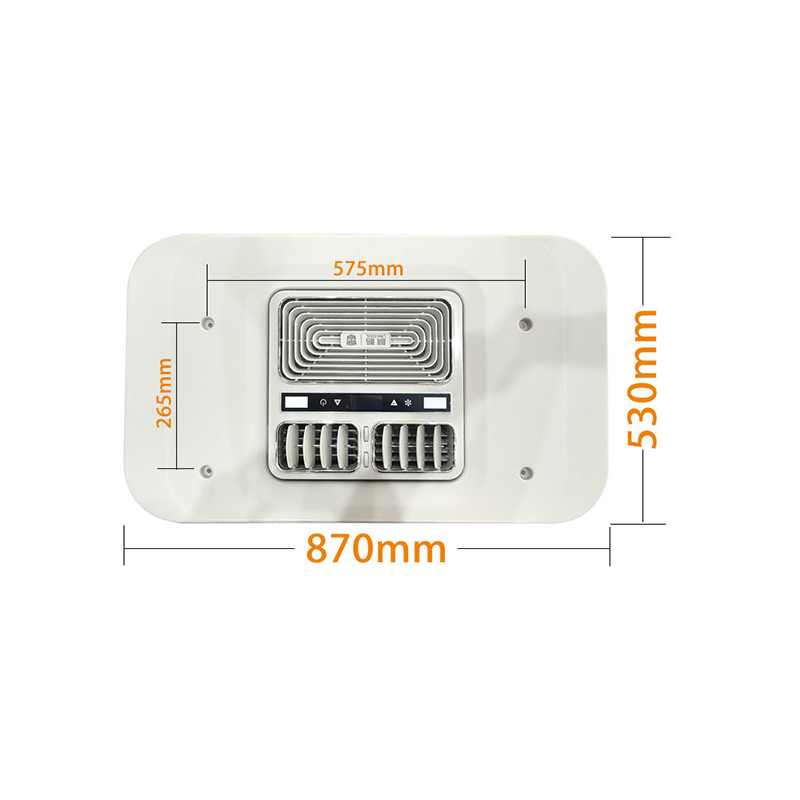
Most parking truck air conditioner installations include a separate evaporator unit mounted inside the cab (often behind the driver's seat or on the rear wall) and a condenser mounted outside the truck, typically behind the cab or on the roof fairing.
Run time considerations
A properly sized parking truck air conditioner draws roughly 20–30 amps per hour at 24V while running. Over a 10‑hour rest period, that translates to 200–300 amp‑hours at 24V (or 400–600 amp‑hours at 12V equivalent). A dedicated lithium battery bank of 5–10 kWh handles this easily. Lead‑acid cannot.
Installation requirements that get overlooked
- Battery isolation: The parking truck air conditioner must draw from a separate battery bank, not the truck's starting batteries. Waking up to a dead cranking battery stops the workday.
- Alternator charging: The truck's alternator needs a DC‑to‑DC charger to replenish the AC battery bank while driving. Without it, the batteries never fully recharge.
- Ventilation clearance: The outdoor condenser requires at least 30 cm of open space on all sides. Mounting it flush against the cab roof or inside a fairing without vents leads to overheating shutdowns.
Common mistakes with parking truck air conditioner setups
Buying a unit rated for a small car and installing it in a sleeper cab. The volume difference matters. A 48‑inch sleeper cab has roughly twice the air volume of a compact car. Undersized parking truck air conditioner units run continuously and still never reach setpoint. A parking truck air conditioner with soft start reduces that surge by 60–70%, allowing smaller battery banks and thinner wiring.
Pickup Truck Air Conditioner
A pickup truck air conditioner used for overnight camping faces a different set of constraints. Pickup cabs are smaller than semi sleepers, but the available battery space is also smaller. The solution often looks different.
Running the factory AC while parked
Some pickup owners idle the engine to run the factory pickup truck air conditioner. That works mechanically but costs fuel and adds engine wear. Idling a modern diesel pickup for eight hours burns roughly 1–2 gallons per hour. It also leaves the vehicle vulnerable to theft since the keys must remain in the ignition.
Dedicated electric pickup truck air conditioner options
Aftermarket electric units designed for pickup trucks exist. They use the same DC compressor technology as parking truck air conditioner units but scaled down. A typical pickup truck air conditioner draws 15–20 amps at 12V averaged over time, roughly half the consumption of a semi unit because the cab volume is smaller.
Mounting challenges unique to pickups
- Interior space: Pickup cabs have no dedicated sleeper area. The evaporator unit typically mounts under the dashboard (replacing or supplementing the factory evaporator) or as a portable unit on the center console. Under‑dash mounts require professional installation to avoid blocking pedals or airbag deployment zones.
- Condenser placement: Unlike a semi with external fairings, a pickup truck air conditioner condenser often mounts under the truck bed or behind the rear seat in a crew cab. Under‑bed mounts risk damage from debris and require splash protection.
- Battery location: Pickup batteries live under the hood or inside the cab floor. Adding a large lithium bank for a pickup truck air conditioner means finding space—often under the rear seat or in the bed with a locking tonneau cover.
Power budgeting for a pickup truck air conditioner
A mid‑sized pickup crew cab requires roughly 1.5–2 kW of cooling capacity. Running that for eight hours consumes 2.5–3.5 kWh of battery storage. A 12V, 280Ah lithium battery provides roughly 3.3 kWh usable. That works for a single night. For multiple nights without driving, solar becomes necessary—400W of panels on the roof or a portable ground array.
Comparison with window or portable units
Some pickup owners skip dedicated pickup truck air conditioner systems entirely. Instead, they use a small window unit mounted in a rear window or a portable floor unit vented through a custom panel. Those options cost less upfront but consume more battery power (lower efficiency) and look permanently installed. They also block windows and create security concerns.


 English
 Español