For professional drivers and commercial fleet operators, a functioning air conditioning system in a truck is not merely a matter of comfort but one of safety and regulatory compliance. In many regions, extreme temperatures can make an un-air-conditioned cab hazardous, contributing to driver fatigue and heat-related illness. Unlike passenger vehicles, trucks often have larger cab spaces, different system configurations, and unique operational demands. For those who depend on these vehicles, several practical questions about truck AC systems frequently arise, ranging from basic troubleshooting to understanding advanced idle reduction technologies.
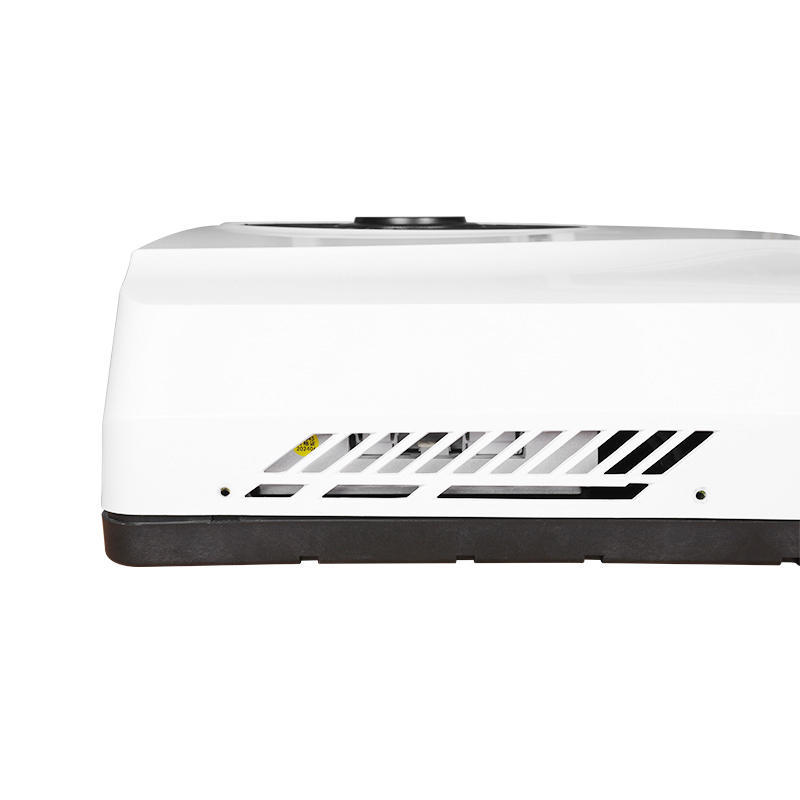
1. Why is my truck AC blowing warm air, and what are the common causes?
When a truck's air conditioning system fails to produce cold air, the cause can often be traced to one of a few common issues. Diagnosing the problem typically begins with understanding what the system requires to function: refrigerant, compression, and air flow.
- Low Refrigerant Level (Due to Leak): This is the most frequent cause of AC failure. The system is a closed loop, so it does not consume refrigerant. If the level is low, there is a leak somewhere—in a hose, a seal, the condenser, or the evaporator. Low refrigerant means the system cannot absorb and release heat effectively. A professional leak test is required to find and repair the source before recharging.
- Compressor Issues: The compressor is the pump that pressurizes and circulates the refrigerant. If the compressor clutch fails to engage, often due to an electrical problem or a low refrigerant pressure cut-off switch, no cooling occurs. A failing compressor may also make noise or leak internally.
- Electrical or Sensor Malfunctions: Modern systems rely on pressure switches, temperature sensors, and relays. A faulty pressure switch can prevent the compressor from engaging even if refrigerant levels are adequate. A blown fuse or a bad relay in the AC circuit can also interrupt power to the system.
- Blocked Condenser or Restricted Air Flow: The condenser, mounted at the front of the truck, releases heat from the refrigerant to the outside air. If the condenser fins are clogged with debris, bugs, or road grime, air cannot pass through efficiently, and cooling performance drops significantly. A faulty condenser fan (on systems so equipped) will have the same effect.
- Cabin Air Filter Restriction: While less common in older trucks, many modern cabs have cabin air filters. If this filter becomes completely clogged, it restricts air flow across the evaporator, reducing the system's ability to cool the cab, even if the AC mechanics are functioning properly.
2. How does a truck's AC system differ from a typical passenger car system?
While the fundamental principles of refrigeration are the same, the scale and configuration of a truck's AC system often differ due to the vehicle's size, purpose, and duty cycle. These differences have practical implications for maintenance and repair.
- System Capacity and Component Size: A Class 8 truck cab has a much larger interior volume than a passenger car. To cool this larger space effectively, truck AC systems typically have larger condensers, evaporators, and a greater refrigerant capacity. The components are also built to be more robust to withstand the constant vibration and harsh operating environment of heavy-duty use.
- Compressor Drive: In many passenger vehicles, the AC compressor is driven by the same serpentine belt as the alternator and other accessories. In heavy trucks, the compressor is often driven directly by the engine, sometimes with its own dedicated belt or a gear-driven power take-off (PTO) arrangement. This influences belt maintenance schedules and replacement procedures.
- Air Distribution and Ductwork: The layout of a truck cab, often with a sleeper compartment behind the seats, requires more complex ductwork to distribute conditioned air throughout the entire living space. This adds length and complexity to the air path, which can affect static pressure and fan requirements compared to a simple passenger car dashboard.
- Integration with Sleeper Controls: Trucks with sleeper cabs often have separate HVAC controls in the bunk area, allowing the driver to maintain a comfortable temperature while resting without running the engine. This requires additional control modules, sensors, and actuators in the rear of the cab, adding potential failure points not found in a standard vehicle.
3. What is an "idle reduction" or "parking" AC system for trucks?
In the trucking industry, "idle reduction" refers to technologies that allow drivers to maintain comfort during rest periods without idling the main propulsion engine. A parking AC system is a dedicated, secondary air conditioning unit designed specifically for this purpose.
- Purpose and Benefits: Anti-idling laws in many jurisdictions restrict the amount of time a truck engine can run while parked. A parking AC allows the driver to cool the sleeper cab during mandated rest breaks without violating these regulations. It also reduces fuel consumption and engine wear compared to idling the main diesel engine for hours solely to run the AC.
- Power Source: These units are typically powered by electricity. The most common configuration draws power from a bank of deep-cycle batteries installed on the truck. These batteries are recharged by the truck's alternator while the engine is running. Alternatively, some parking AC units can be plugged into shore power (120V or 240V) at a truck stop or depot, allowing them to run off the electrical grid.
- System Configuration: A parking AC is a completely separate system from the truck's main, engine-driven AC. It has its own compact compressor, condenser, evaporator, and controls. The evaporator unit is typically mounted inside the sleeper cab, while the condenser unit may be mounted on the back of the cab or under the chassis. These systems are sized to cool the sleeper area efficiently, not the entire cab, and consume significantly less power than a full engine-driven system.
- Installation Considerations: Retrofitting a parking AC requires careful electrical planning to ensure the battery bank has sufficient capacity and that the charging system can handle the additional load. The physical installation of the units must also be secure and weatherproof.
4. How often should a truck's AC system be serviced, and what does that service involve?
Unlike oil changes, AC service is not typically performed on a strict mileage interval but rather on an as-needed basis or as part of a seasonal pre-summer inspection. However, neglecting the system can lead to more costly repairs down the road.
- Annual or Seasonal Inspection: Many fleet maintenance departments and owner-operators schedule an AC check in the spring, before the heavy cooling demand of summer. This inspection is proactive and can identify potential issues before they lead to a failure on the road.
- Components of a Typical Service: A thorough AC service check should include several steps. A visual inspection of all belts, hoses, and connections for signs of wear, cracking, or oil residue (which can indicate a leak) is the first step. The condenser fins are inspected and cleaned of debris. System pressures are checked with manifold gauges to verify proper operation and refrigerant charge. The temperature of the air coming from the vents is measured to confirm cooling performance. The cabin air filter, if equipped, should be inspected and replaced if dirty.
- Refrigerant Recharge: If the system is low on refrigerant, a leak must first be located and repaired. Simply adding refrigerant to a leaking system is a temporary and environmentally unsound practice. After repairs, the system is evacuated with a vacuum pump to remove air and moisture, then recharged with the precise amount and type of refrigerant specified for the vehicle.
- Lubrication Consideration: In some systems, the compressor circulates oil with the refrigerant to lubricate its internal components. If the system has a significant leak, it may have lost oil as well. During service, the technician should ensure the proper oil level is maintained. Some preventive maintenance programs also include the use of UV dye, which is added to the system to make future leak detection easier.
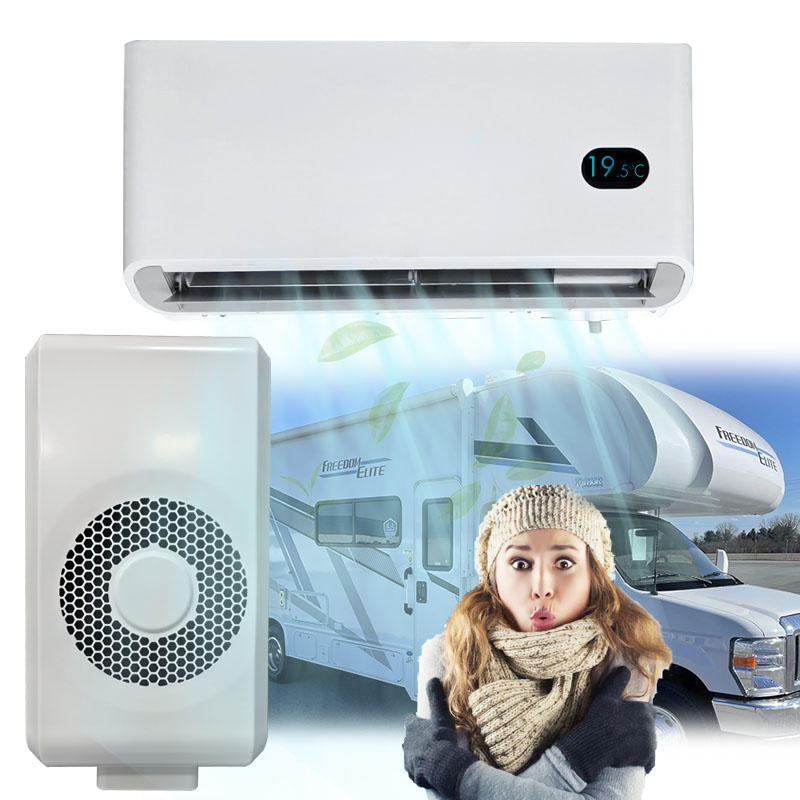 Portable Split Parking Air Conditioner for RV
 Portable Split Parking Air Conditioner for RV
 Portable Split Parking Air Conditioner for RV
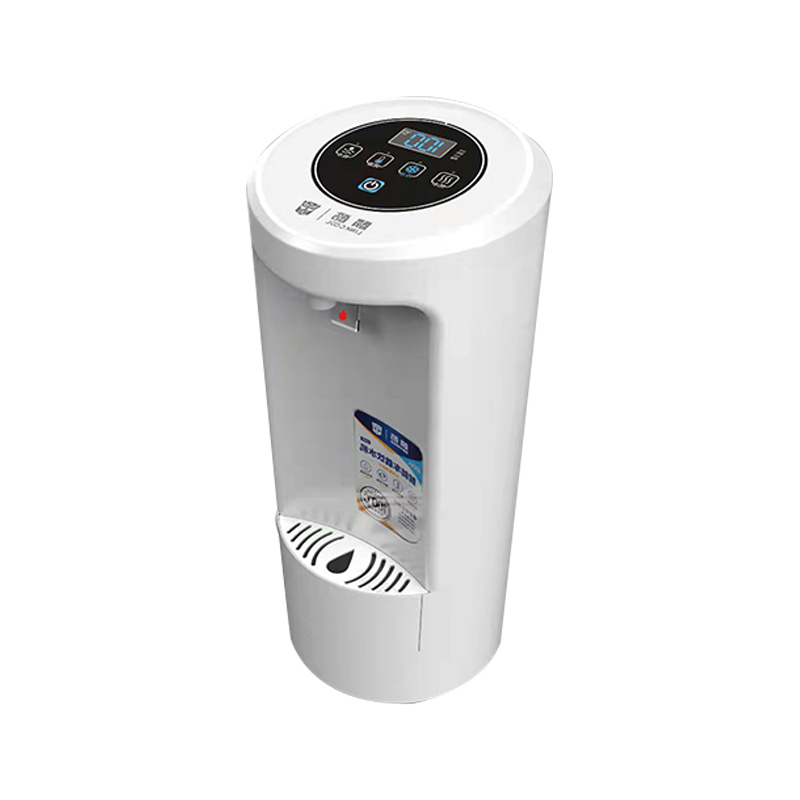 Hot Water Dispenser
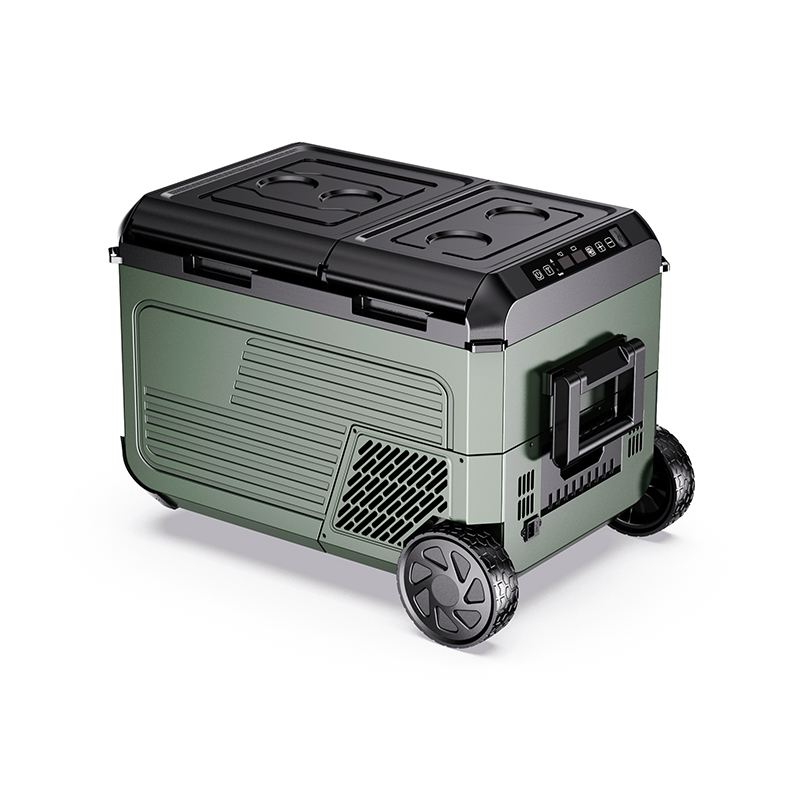 Outdoor Freezer
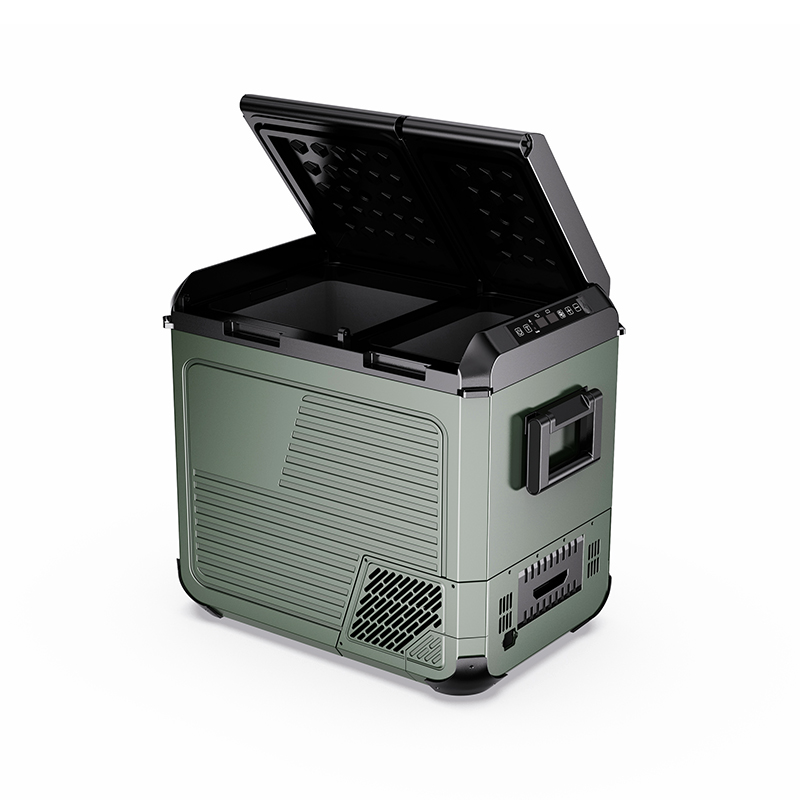 Outdoor Freezer
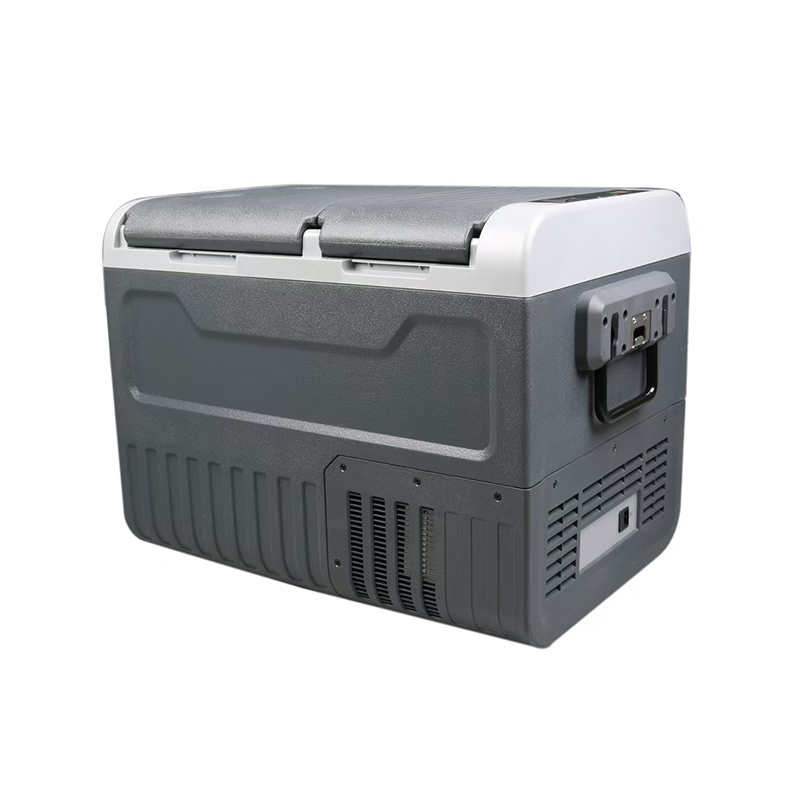 Car Refrigerator
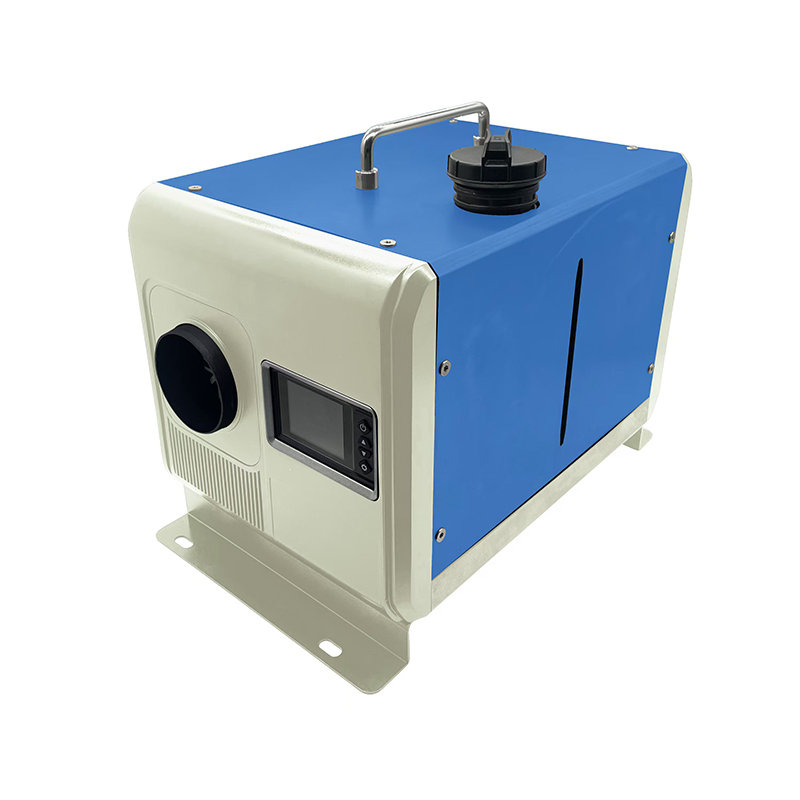 Diesel Heater For Vehicles


 English
 Español