Content
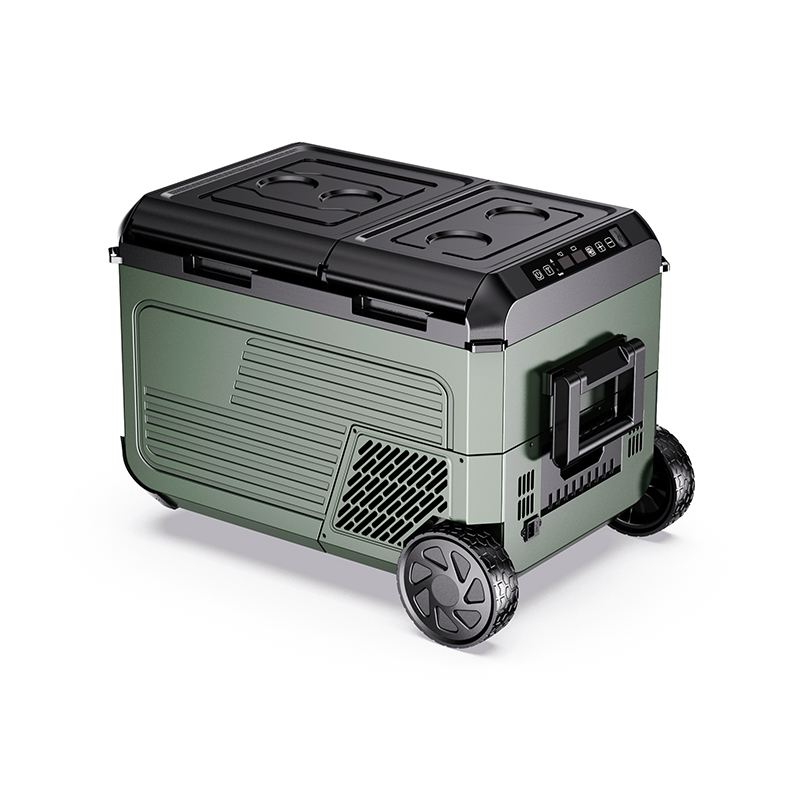
Camping refrigerators powered by 12V DC are popular for outdoor enthusiasts, road trips, and off-grid travel. These compact refrigeration units are designed to operate directly from a vehicle’s electrical system, including cars, RVs, or boats, allowing users to store perishable food and beverages without relying on ice.
Cooling Mechanism
Most 12V camping refrigerators rely on one of two core technologies: thermoelectric cooling or compressor-based refrigeration.
Thermoelectric Cooling
Thermoelectric models use a Peltier module that transfers heat from the refrigerator compartment to an external heat sink when electrical current flows through it. They are lightweight, silent, and typically used for moderate cooling needs.
Compressor-Based Cooling
Compressor-based refrigerators function similarly to household refrigerators but on a smaller scale. A refrigerant circulates through a mini-compressor and evaporator, absorbing heat from inside the compartment and expelling it outside. These units achieve lower temperatures and faster cooling than thermoelectric models.
Power and Control
Operates directly from a 12V DC power supply, drawing minimal current to preserve battery life
Many units include thermostatic or digital temperature control for consistent cooling
Safety features often include a low-voltage cut-off to protect the vehicle battery and overheat protection
Storage and Insulation
Well-insulated compartments help maintain temperature and reduce continuous power draw
Some models feature separate freezer and refrigerator zones or adjustable shelves
Benefits:
Portable and suitable for off-grid use
No need for ice, reducing water mess and weight
Can be powered from vehicles, solar setups, or battery packs
Solar-powered camping refrigerators combine a 12V compressor or thermoelectric unit with solar panel energy input. Their feasibility depends on energy requirements, solar panel capacity, and weather conditions.
|
Factor |
Consideration |
Notes |
|
Power Source Reliability |
Depends on sunlight availability |
May need battery storage for nighttime or cloudy conditions |
|
Energy Efficiency |
Solar-compatible compressors draw minimal current |
Thermoelectric units require continuous current and may perform less efficiently |
|
Initial Investment |
Solar panels + refrigerator + charge controller |
Higher upfront cost than standard 12V models |
|
Maintenance |
Panels require occasional cleaning |
Battery maintenance is critical for off-grid setups |
|
Practical Use Cases |
RVs, cabins, tents, or long road trips |
Works best when daily solar exposure is sufficient |
|
Sustainability |
Reduces reliance on vehicle power or grid electricity |
Eco-friendly and cost-saving over long-term use |
Solar-powered camping refrigerators can operate effectively if the solar array and battery system are properly sized. Efficiency may drop under low sunlight or during extended periods of high cooling demand. The upfront cost is higher, but long-term energy independence and off-grid convenience may justify the investment for frequent travelers or remote campers.
Selecting a suitable size depends on the number of users, the duration of trips, and the types of items stored. Key considerations include:
Estimate Storage Needs
Determine the average per-day consumption of food and beverages
Consider whether items require freezer storage or only cooling
Consider Trip Duration
For short trips, a compact 20–30 liter unit may suffice
For extended trips or multiple users, 40–60 liters or larger may be necessary
Evaluate Available Space
Measure storage space in your vehicle or tent setup
Ensure the refrigerator can fit comfortably without blocking ventilation or access
Power Availability and Consumption
Confirm that the vehicle battery capacity or solar panel size supports continuous operation
Higher-capacity units consume more energy but store more food
User Requirements
Single or dual-zone compartments for refrigerator and freezer
Adjustable temperature settings for different food types
Portability Features
Handles, wheels, or a compact design for easy transport
Lightweight construction may be preferable for smaller vehicles or backpack setups
By combining these factors, users can select a camping refrigerator that balances storage capacity, energy efficiency, and portability to suit their specific outdoor needs.
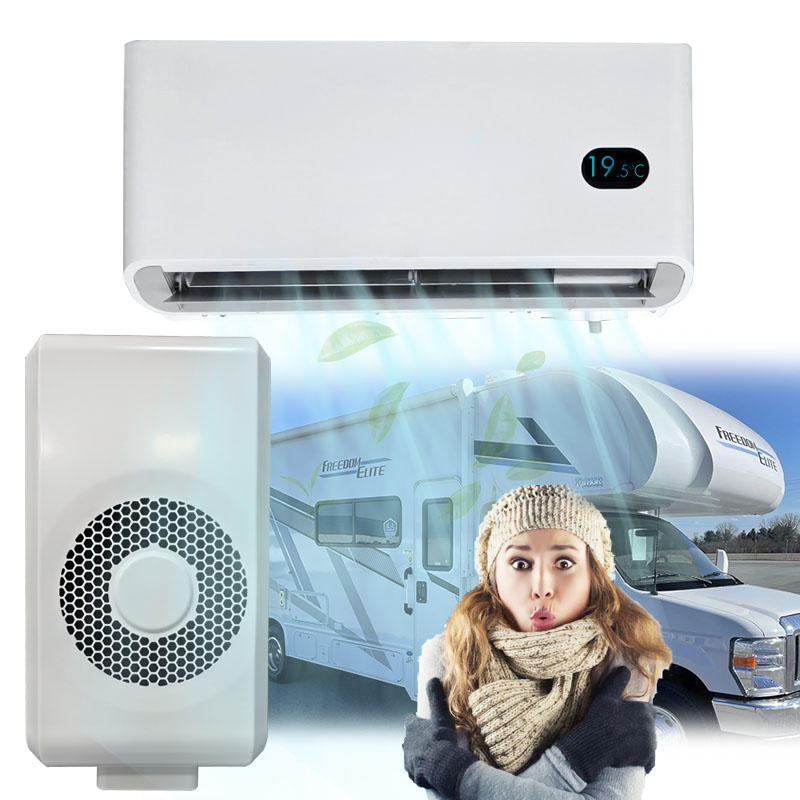 Portable Split Parking Air Conditioner for RV
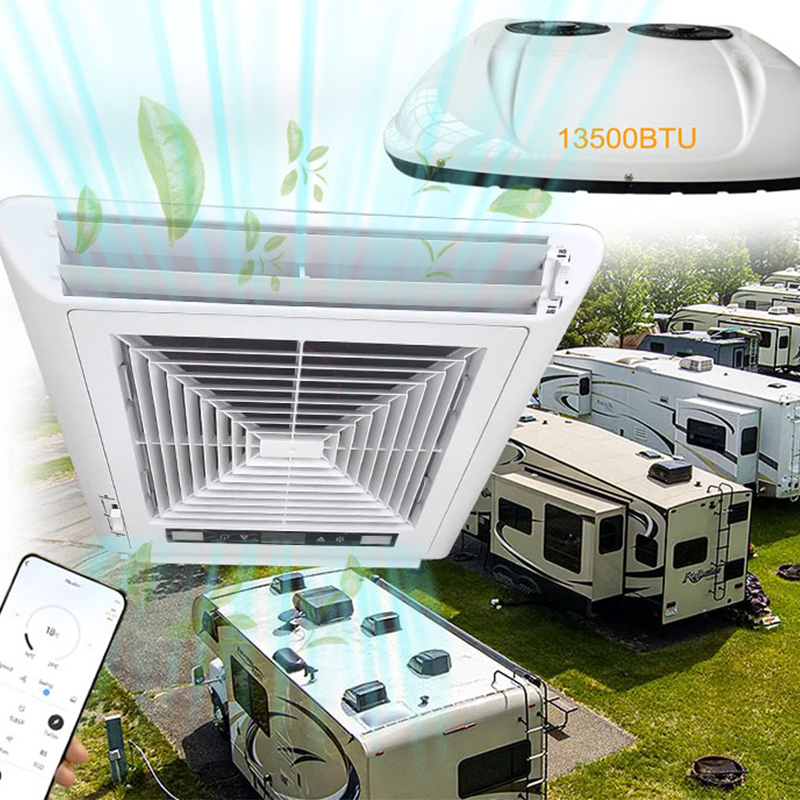 Portable Split Parking Air Conditioner for RV
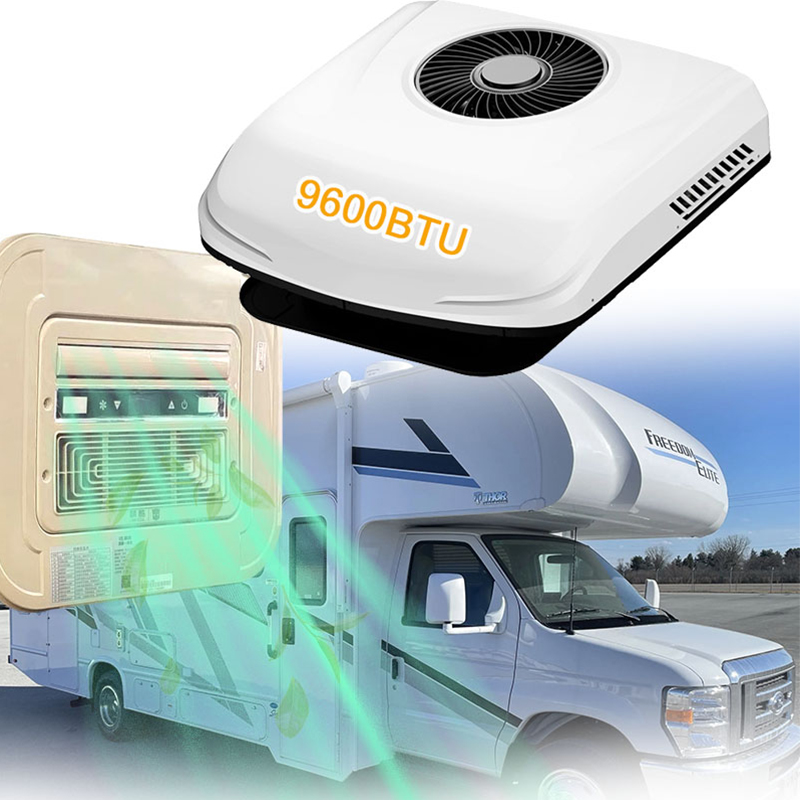 Portable Split Parking Air Conditioner for RV
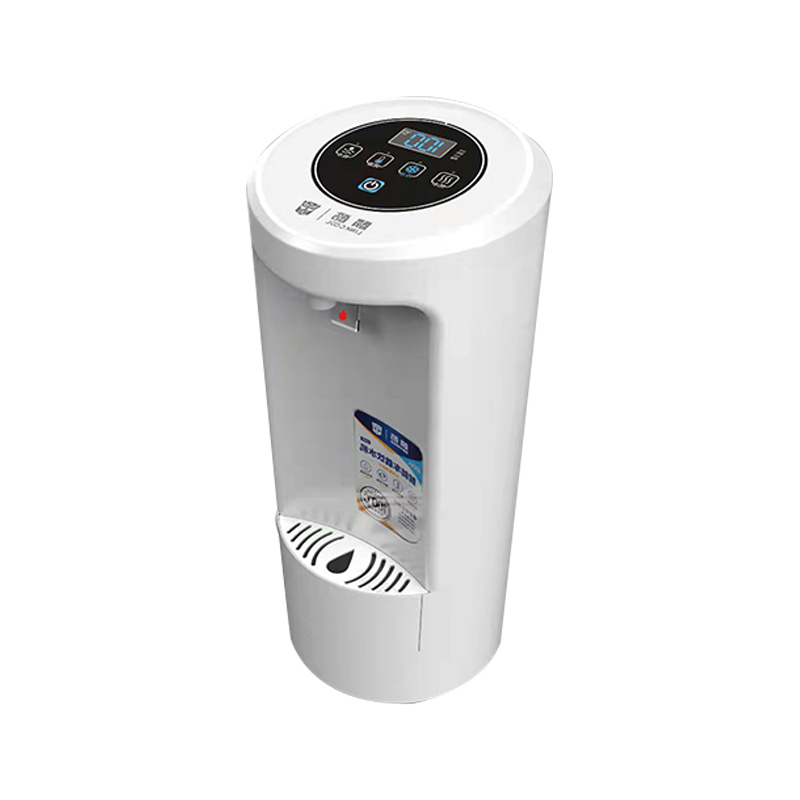 Hot Water Dispenser
Outdoor Freezer
Hot Water Dispenser
Outdoor Freezer
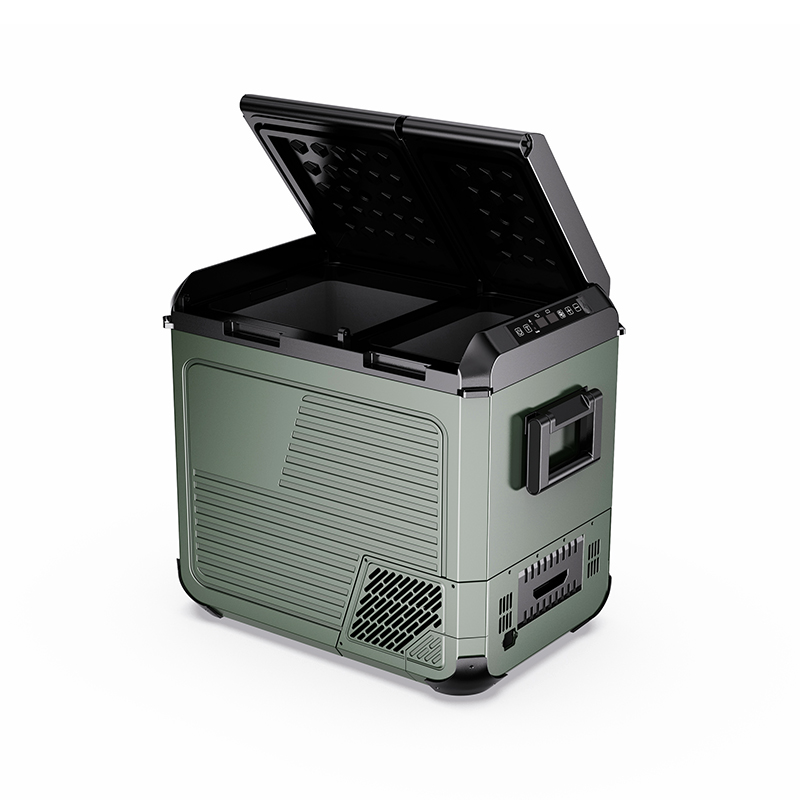 Outdoor Freezer
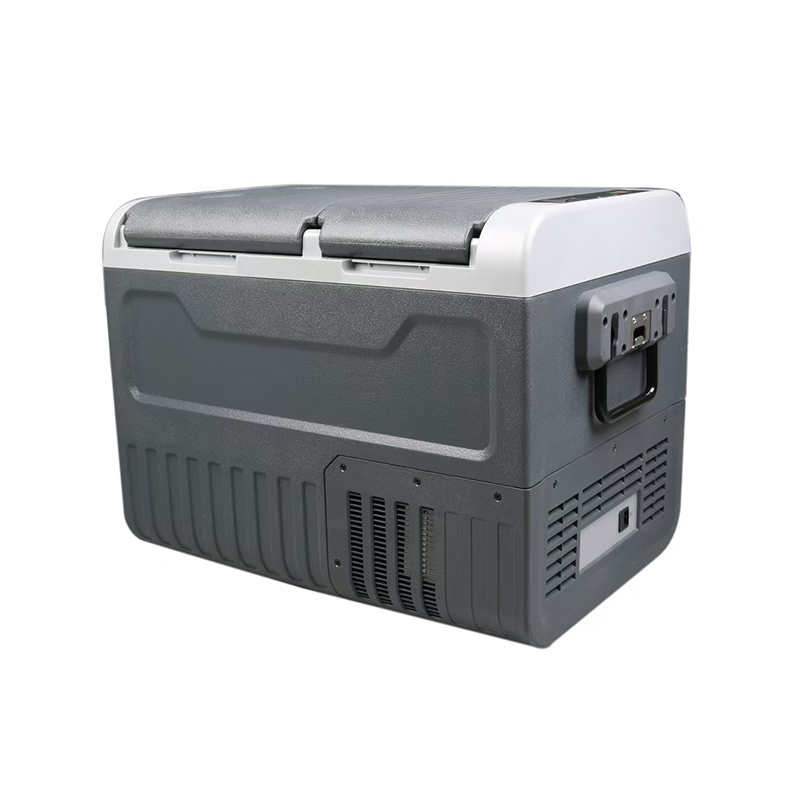 Car Refrigerator
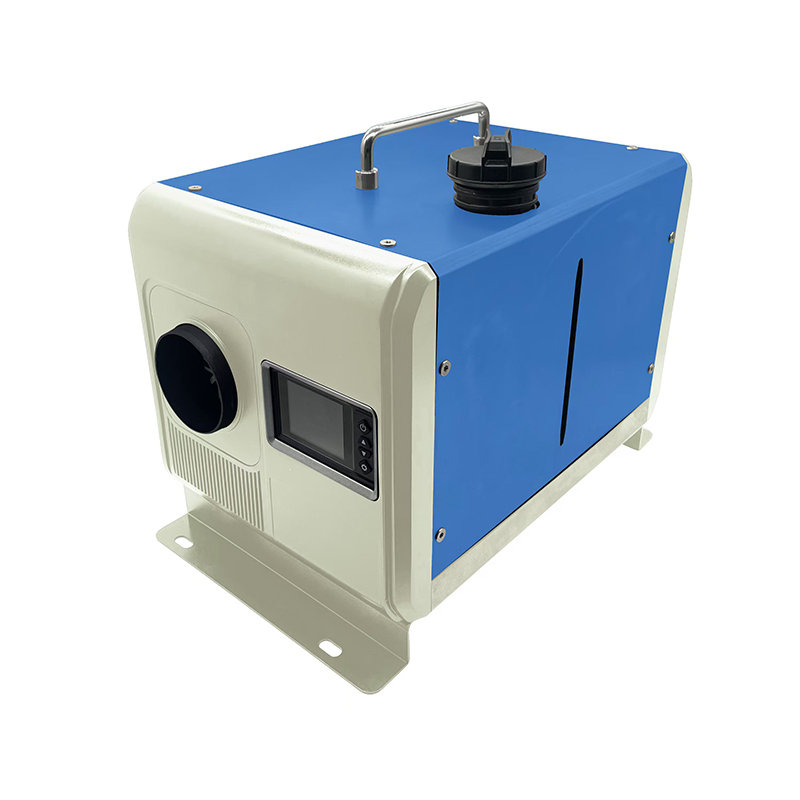 Diesel Heater For Vehicles
+86-18657986688
sale@lkcool.net
Building B, No. 9 Liunan Road, Niubeijin Industrial Zone, Baiyang Street, Jinhua, Zhejiang, China


 English
 Español