Portable car refrigerators have become common accessories for road trips, long-distance driving, and outdoor activities. These compact refrigeration units are designed to operate on vehicle power sources, such as the 12V DC outlet, and provide cooling or freezing capabilities for food, beverages, and perishable items.
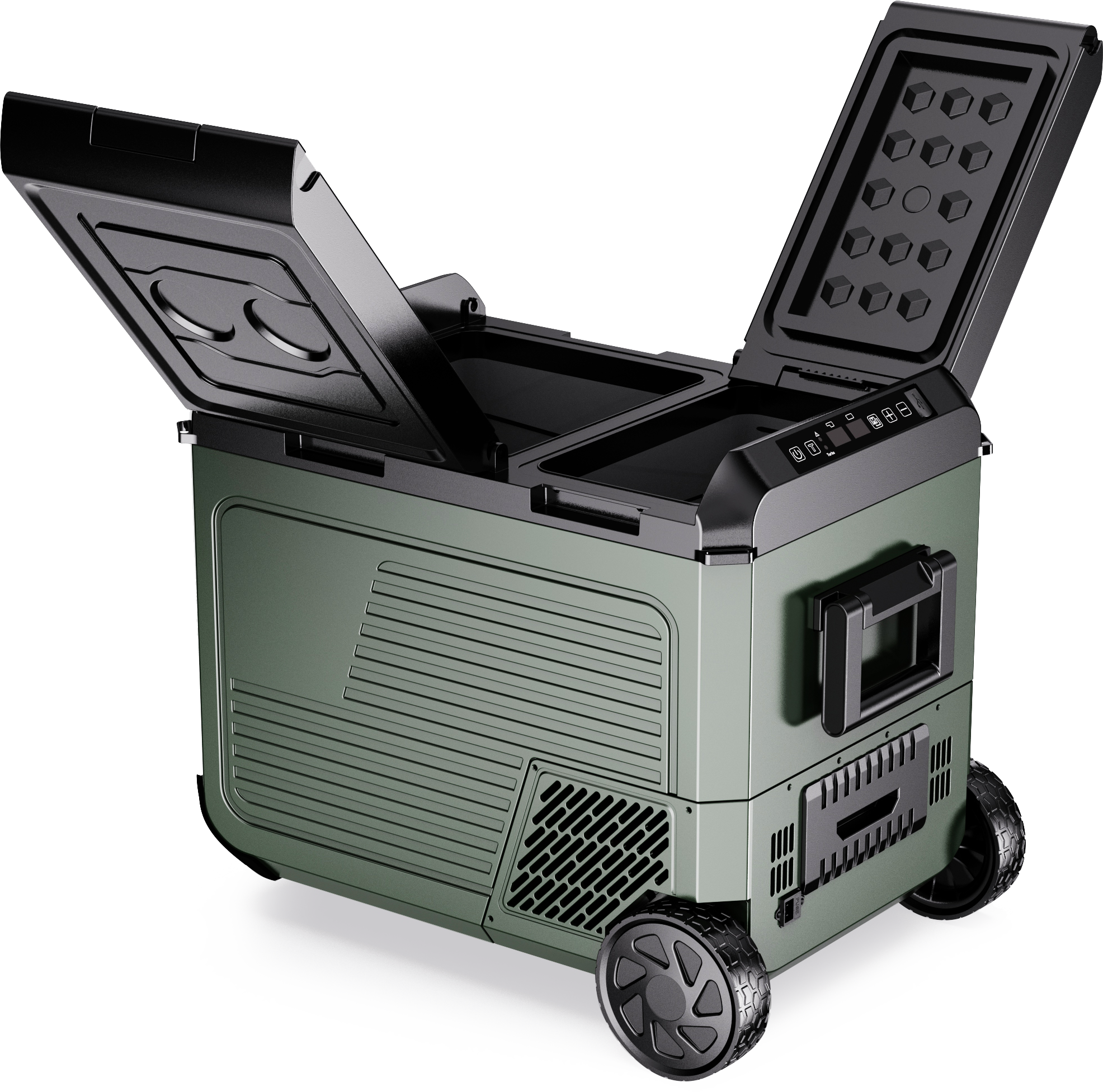
The core of a portable car refrigerator is its cooling system, which determines the unit's ability to maintain low temperatures efficiently. Most portable car refrigerators rely on one of two cooling technologies: thermoelectric modules or compressor-based refrigeration.
|
Component |
Function Description |
Notes |
|
Cooling Unit (Core) |
Extracts heat from the storage compartment |
May use thermoelectric Peltier elements or a mini-compressor |
|
Heat Sink / Condenser |
Releases heat absorbed from inside the fridge |
Typically includes a fan for improved air circulation |
|
Evaporator / Cold Plate |
Transfers cold to storage compartment |
Works in conjunction with refrigerant (compressor type) or directly with thermoelectric module |
|
Refrigerant (Compressor Model) |
Medium that absorbs and releases heat in the cycle |
Commonly R134a or R600a |
|
Control Circuit / Thermostat |
Regulates temperature inside the compartment |
Some models allow precise digital control |
|
Insulated Compartment |
Minimizes heat gain from surroundings |
Foam or double-walled insulation for efficiency |
|
Power Supply Connection |
Connects to vehicle 12V DC or 24V DC system |
Some models also accept 110V–220V AC adapters |
In thermoelectric models, the core consists of a Peltier module that transfers heat from the inside compartment to a heat sink using electrical current. These units are generally lighter and quieter but less efficient for extremely low temperatures. In compressor-based units, a miniature refrigeration compressor circulates refrigerant to absorb and release heat, providing lower temperatures and faster cooling. The choice of core technology influences overall performance, noise level, and energy consumption.
Energy efficiency is a key factor when operating a portable car refrigerator, especially since most units rely on a vehicle's battery or alternator. Portable car refrigerators are designed to minimize power draw while maintaining a stable temperature for stored items.
Benefits of Vehicle Use
Low Voltage Operation
Portable car refrigerators are built to operate on 12V or 24V DC systems, drawing minimal current from the vehicle's battery. This allows long-term use without significantly affecting engine performance or electrical load.
Automatic Temperature Regulation
Most models include thermostatic control, which adjusts cooling output according to the interior temperature. This prevents unnecessary energy consumption by maintaining the desired temperature rather than continuously running at maximum output.
Insulation and Compartment Design
Well-insulated compartments reduce heat gain from the environment, allowing the cooling system to operate intermittently rather than continuously. Double-walled insulation, vacuum panels, or foam layers reduce energy requirements.
Low Standby Power Draw
When the desired temperature is reached, modern portable car refrigerators reduce compressor activity or power supplied to thermoelectric modules, conserving battery energy. This feature is particularly beneficial for overnight or long trips where continuous vehicle operation may not be feasible.
Benefits Beyond the Vehicle
Reduced Reliance on Ice or External Cooling
By maintaining a consistent cold temperature with minimal energy, portable car refrigerators reduce the need for ice, which can melt and require refreezing. This reduces water waste and energy spent on ice production.
Long-Term Energy Savings
Compressor-based car refrigerators are more efficient than thermoelectric types for maintaining sub-zero temperatures over extended periods, requiring less energy per degree of cooling.
Flexible Power Source Compatibility
Many units can operate on household AC power using adapters, enabling energy-efficient use at home or in recreational vehicles without depending solely on the vehicle's alternator.
Sustainability Considerations
Efficient power use combined with high-quality insulation reduces overall energy consumption, making portable car refrigerators a more sustainable option for frequent travelers compared to repeated use of cooler boxes with ice or disposable cold packs.
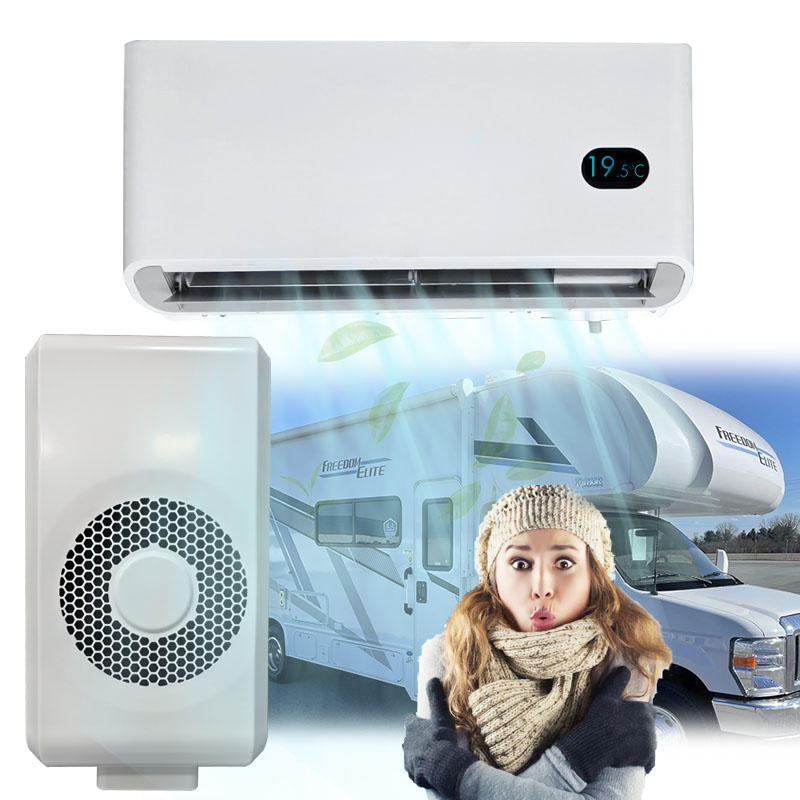 Portable Split Parking Air Conditioner for RV
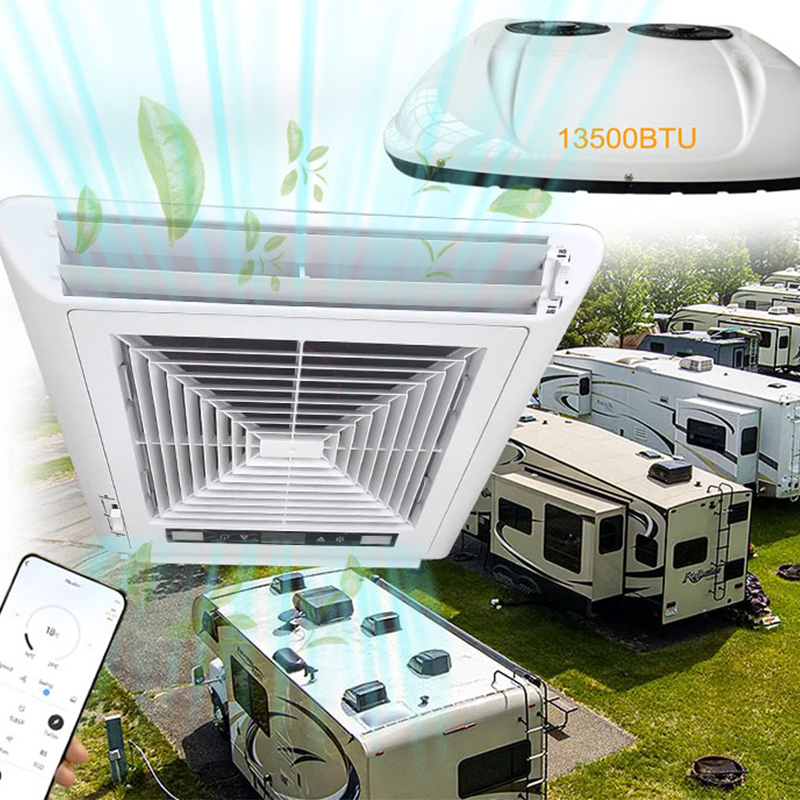 Portable Split Parking Air Conditioner for RV
 Portable Split Parking Air Conditioner for RV
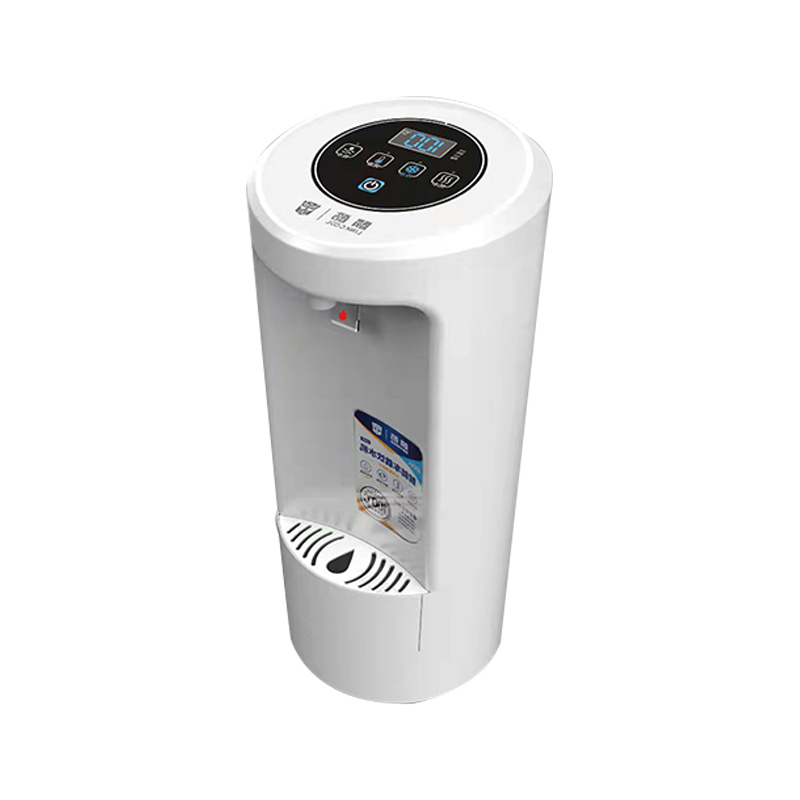 Hot Water Dispenser
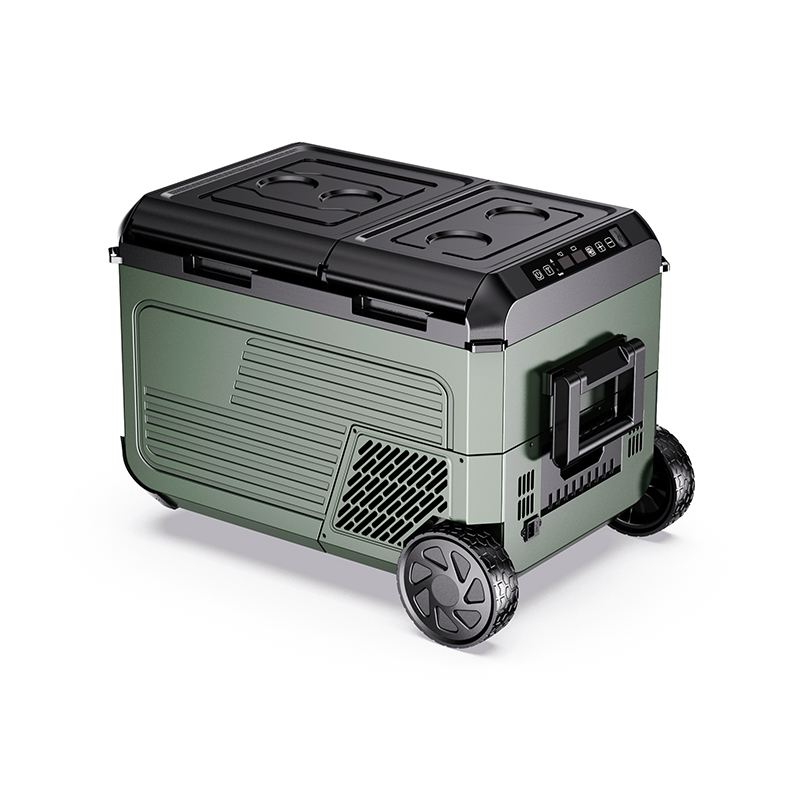 Outdoor Freezer
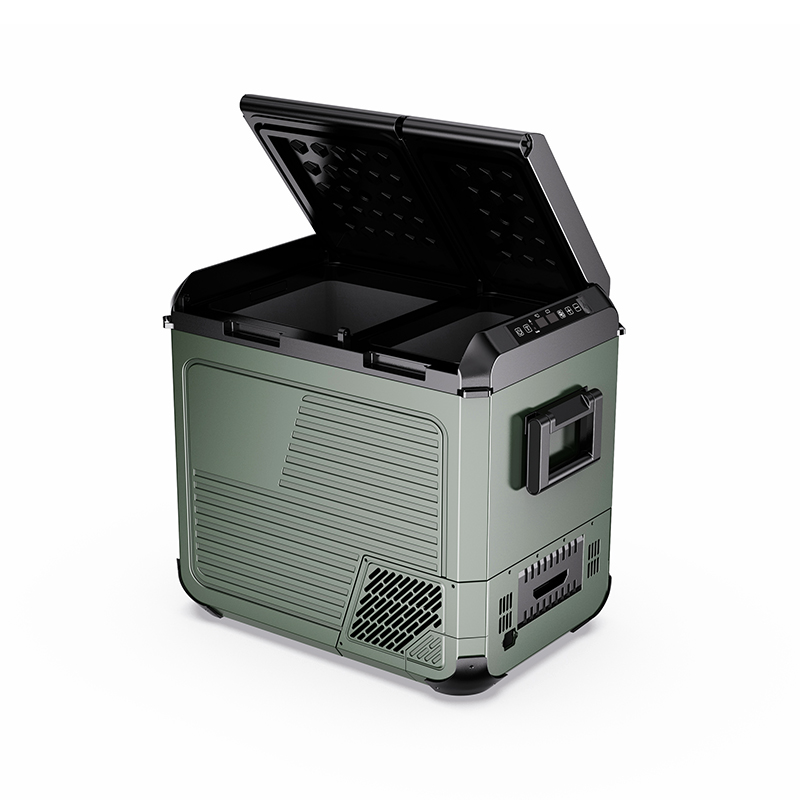 Outdoor Freezer
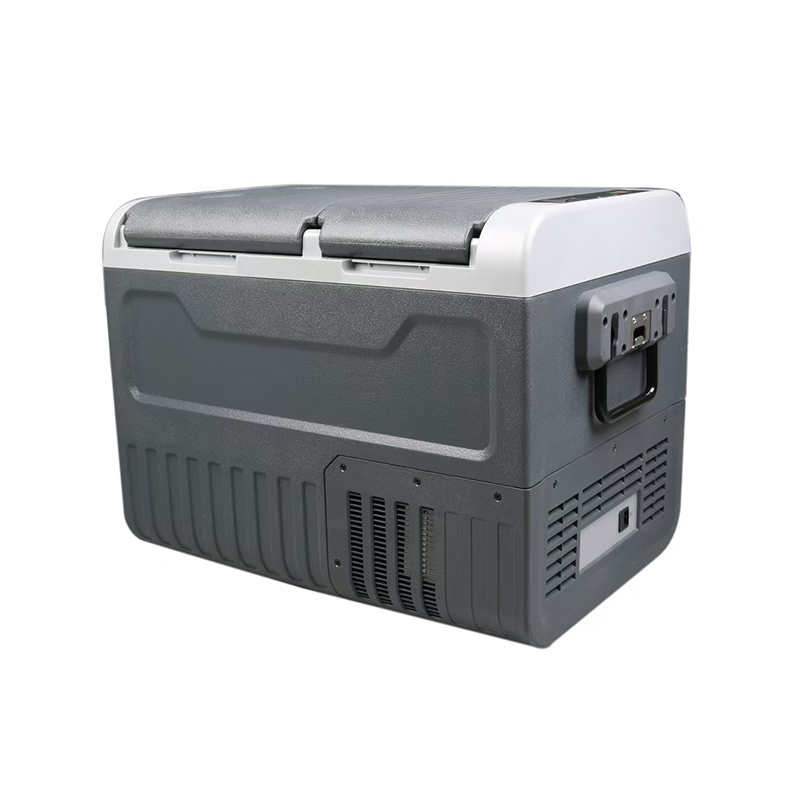 Car Refrigerator
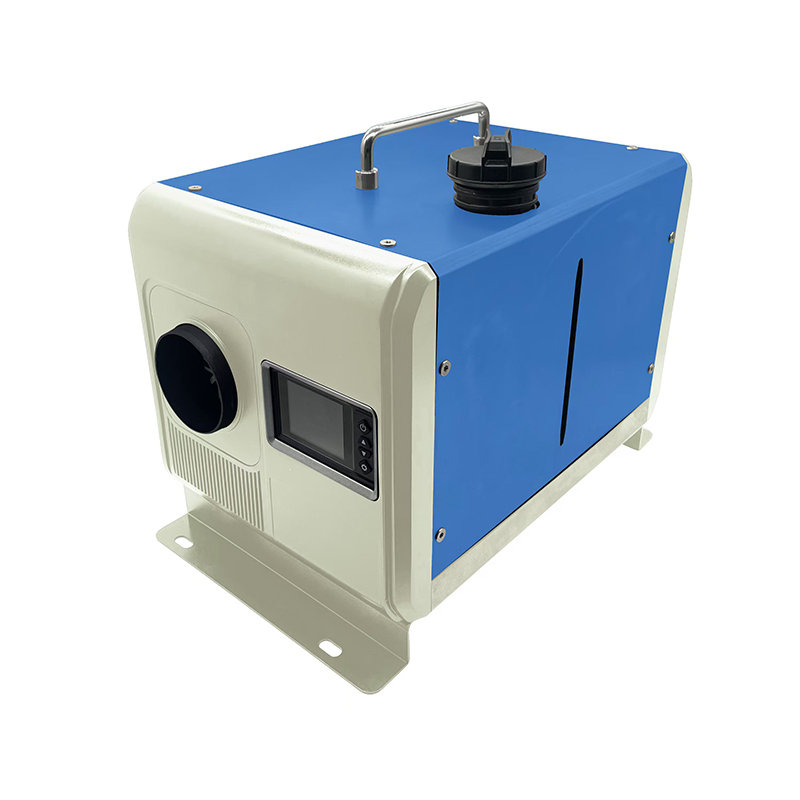 Diesel Heater For Vehicles
+86-18657986688
sale@lkcool.net
Building B, No. 9 Liunan Road, Niubeijin Industrial Zone, Baiyang Street, Jinhua, Zhejiang, China


 English
 Español