Electric air heaters operate on a straightforward principle: electrical resistance generates heat. The process can be summarized as follows:
Heating Element Activation
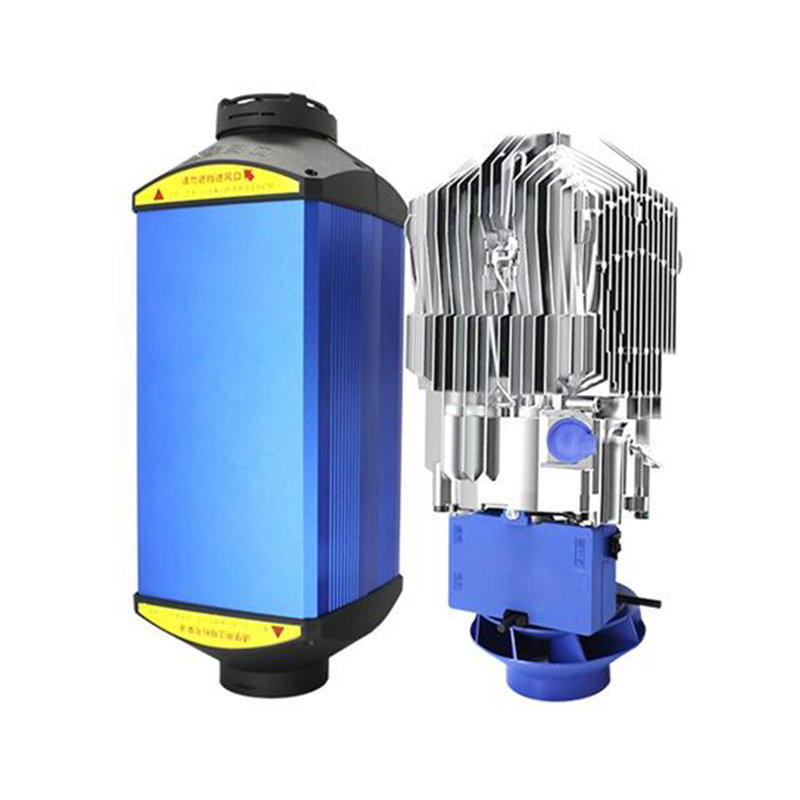
An internal resistance element—commonly made from nichrome wire or ceramic materials—heats up when electrical current passes through it. The resistance converts electrical energy into thermal energy.
Air Movement Mechanism
In fan-assisted models, a built-in motor forces air across the heated element and distributes warm air into the room. In convection heaters, warm air rises naturally without a fan.
Temperature Control System
Most heaters include thermostats that regulate operation. When the ambient temperature reaches the preset level, the heater cycles off to maintain stability.
Safety Components
Many units incorporate overheat protection, tip-over switches, and thermal cut-off devices to reduce risk during operation.
Heat Distribution
The warmed air increases room temperature by raising the thermal energy of surrounding air and objects.
Benefits of Electric Air Heaters:
Because they directly convert electricity into heat at the point of use, electric air heaters are commonly applied in offices, bedrooms, workshops, and temporary structures.
Energy efficiency in air heaters is measured differently depending on technology type and fuel source. The following sections outline common rating approaches.
Electric Resistance Heaters
Electric resistance heaters, including fan heaters and panel heaters, generally convert nearly all input electricity into heat at the point of use. In many regions, they are considered close to 100% efficient in terms of electrical-to-heat conversion. However, overall efficiency also depends on insulation conditions and thermostat control accuracy. These heaters do not typically carry AFUE (Annual Fuel Utilization Efficiency) ratings because they do not burn fuel.
Heat Pump Air Heaters
Air-source heat pumps operate differently. Instead of generating heat directly, they transfer heat from outdoor air to indoor spaces using refrigerant cycles. Their efficiency is commonly expressed as:
COP (Coefficient of Performance): Ratio of heat output to electrical input
HSPF (Heating Seasonal Performance Factor): Seasonal efficiency metric used in certain markets
Heat pumps often achieve COP values greater than 1.0 because they move heat rather than create it through resistance.
Gas or Oil-Fired Air Heaters
Fuel-based air heaters, such as furnaces, are rated using:
AFUE (Annual Fuel Utilization Efficiency)
Indicates the percentage of fuel energy converted into usable heat over a heating season. For example, an AFUE rating of 90% means 90% of fuel energy becomes heat, while 10% is lost.
While electric heaters have high point-of-use efficiency, system-level efficiency depends on electricity generation methods. By contrast, fuel-fired heaters may have combustion losses but can deliver high output capacity for large spaces.
Understanding rating metrics allows comparison across technologies based on climate, building size, and energy pricing.
Selecting an appropriate air heater requires evaluation of room size, insulation quality, budget, and intended use. The following structured considerations provide guidance:
Assess Room Size and Heating Capacity
Estimate required wattage based on floor area. A common guideline is approximately 10 watts per square foot in moderately insulated spaces. Larger or poorly insulated rooms may require additional capacity.
Determine Usage Pattern
For occasional or spot heating, portable electric fan heaters may be sufficient. For continuous heating, panel heaters or heat pump systems may offer better energy management.
Check Electrical Infrastructure
Ensure the available circuit can support the heater’s rated power. High-wattage units may require dedicated circuits to prevent overload.
Consider Energy Costs
Compare local electricity rates with alternative fuel costs. In regions with higher electricity prices, operating expenses may influence the selection between resistance heaters and heat pumps.
Review Safety Features
Look for thermostatic control, overheat protection, and tip-over shutoff mechanisms, particularly in households with children or pets.
Evaluate Noise and Airflow Preference
Fan-assisted heaters provide faster heat distribution but generate sound. Convection or radiant models operate more quietly.
Examine Portability and Installation Needs
Portable units require no permanent installation, while wall-mounted or ducted systems involve structural considerations.
Through careful analysis of these factors, users can match heater type and capacity to environmental conditions and operational needs.
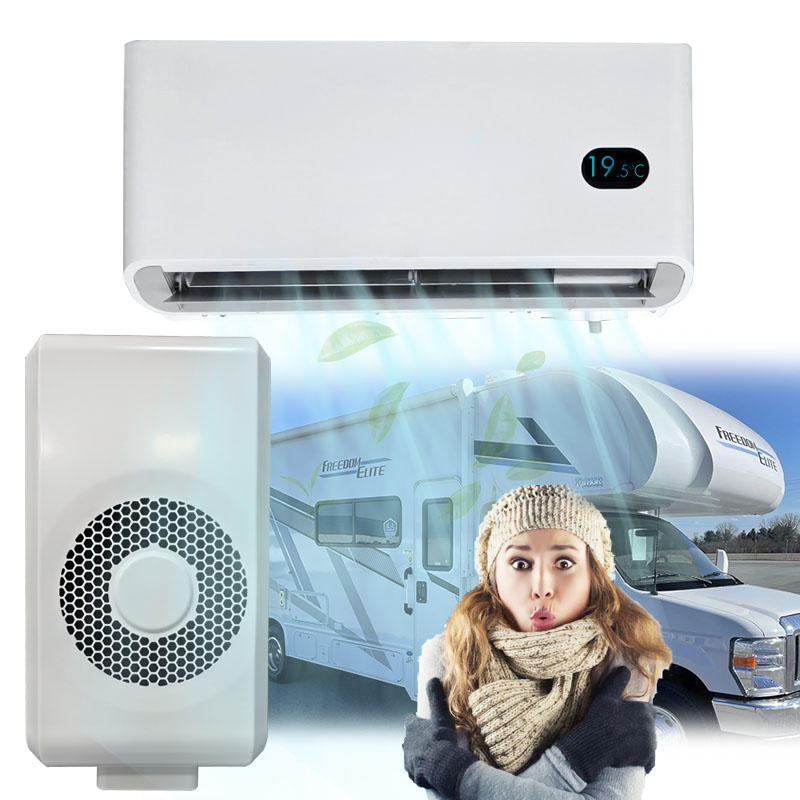 Portable Split Parking Air Conditioner for RV
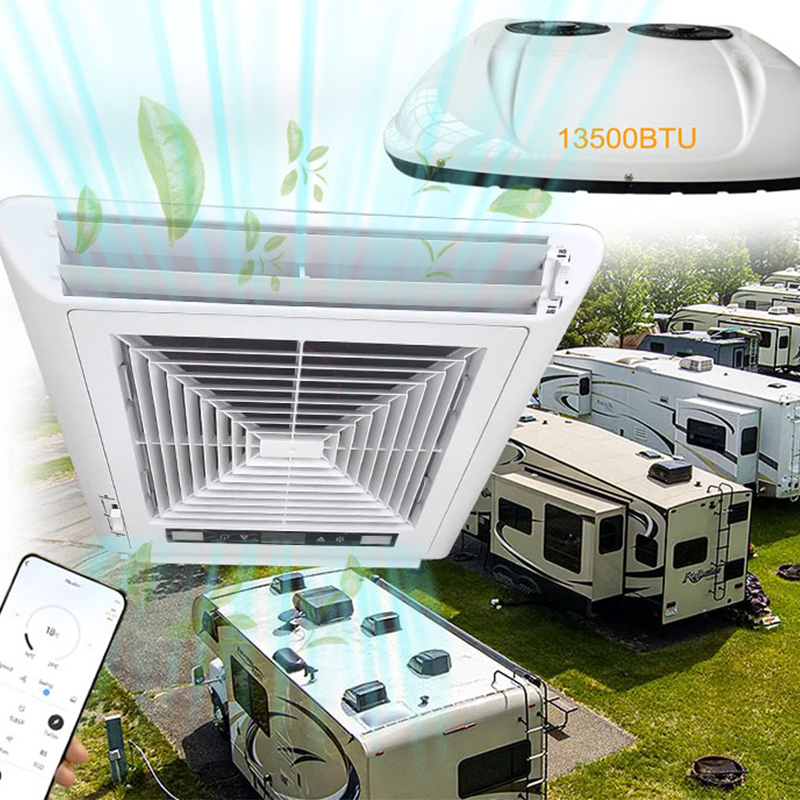 Portable Split Parking Air Conditioner for RV
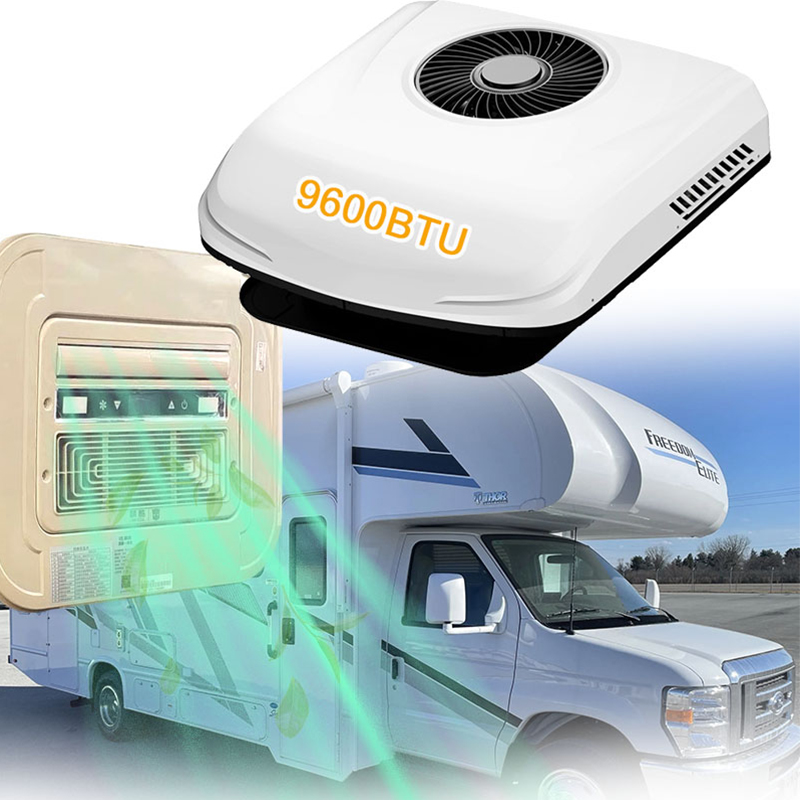 Portable Split Parking Air Conditioner for RV
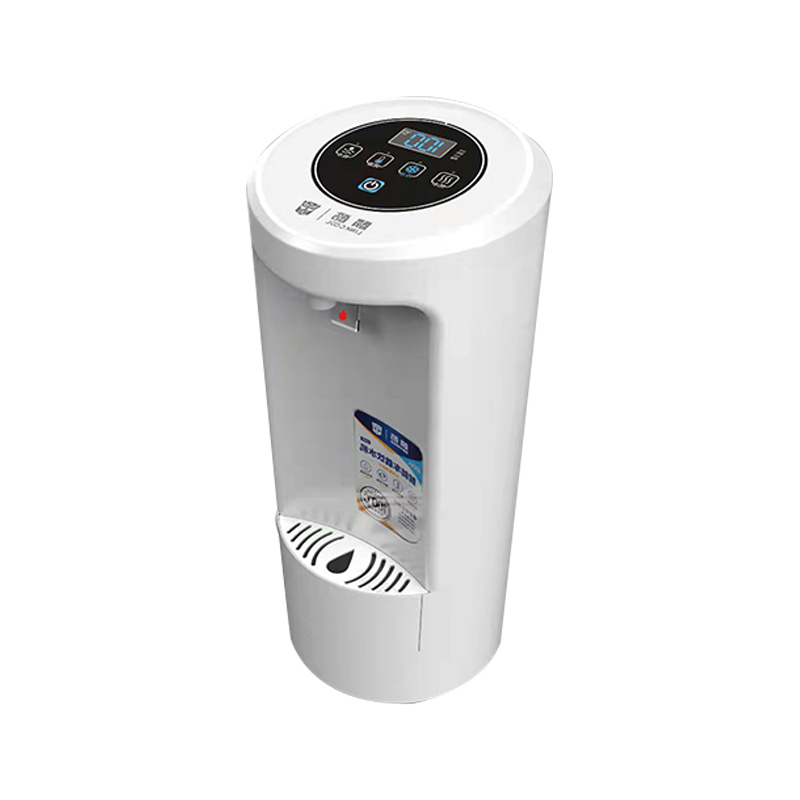 Hot Water Dispenser
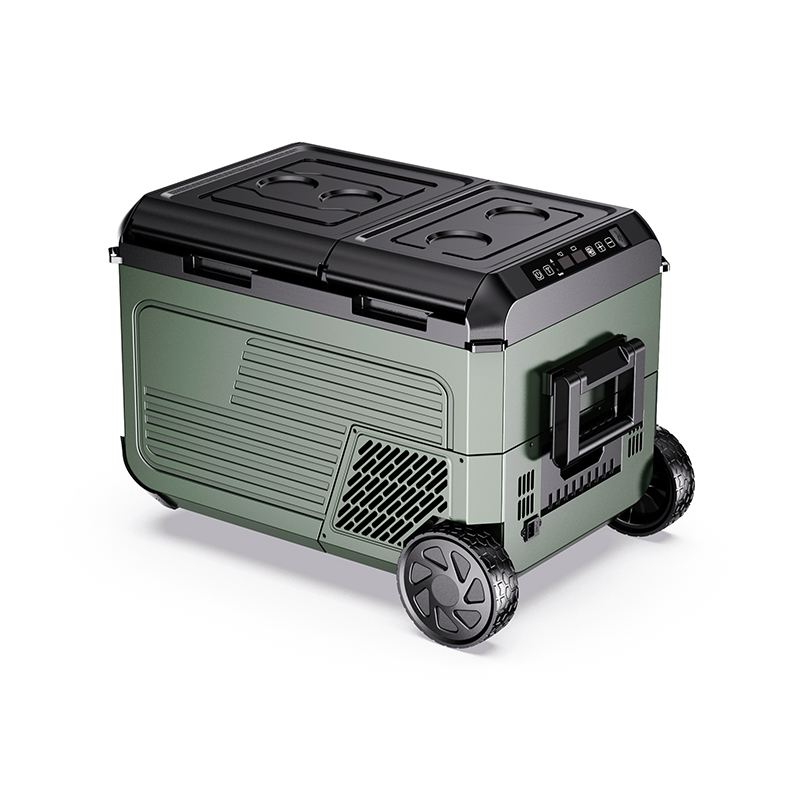 Outdoor Freezer
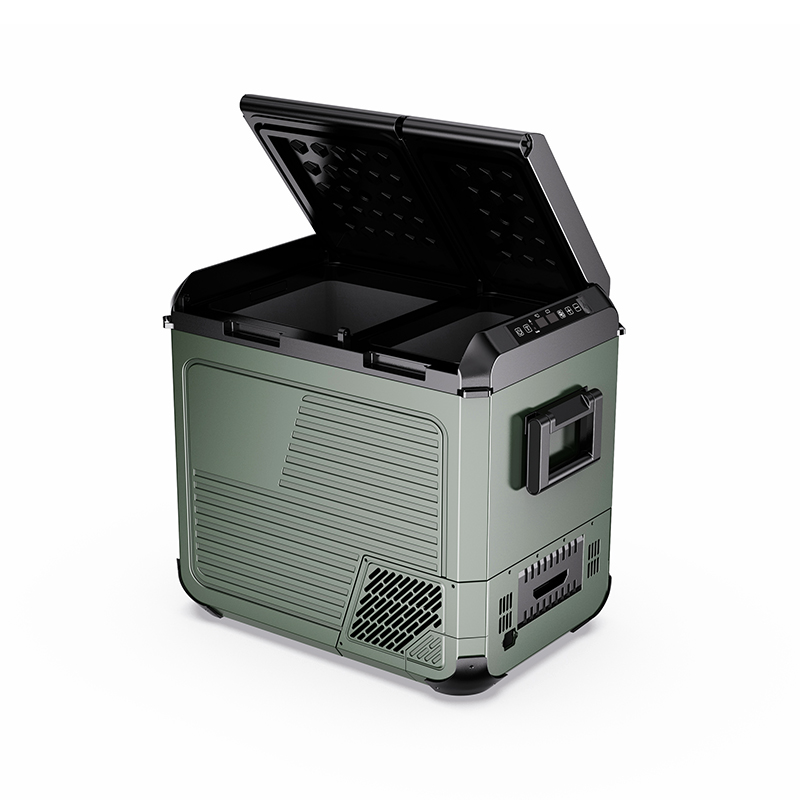 Outdoor Freezer
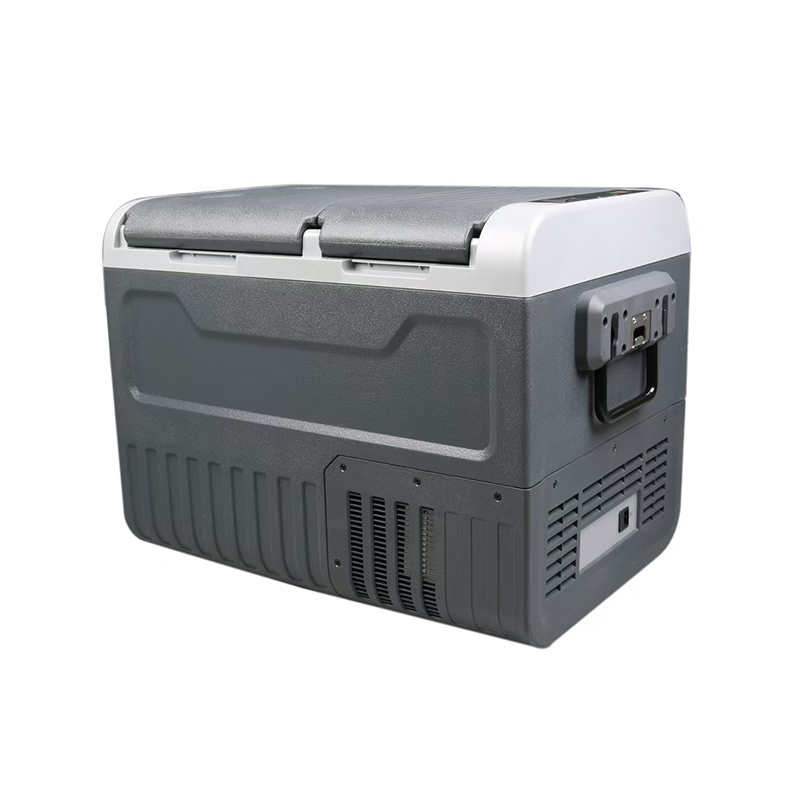 Car Refrigerator
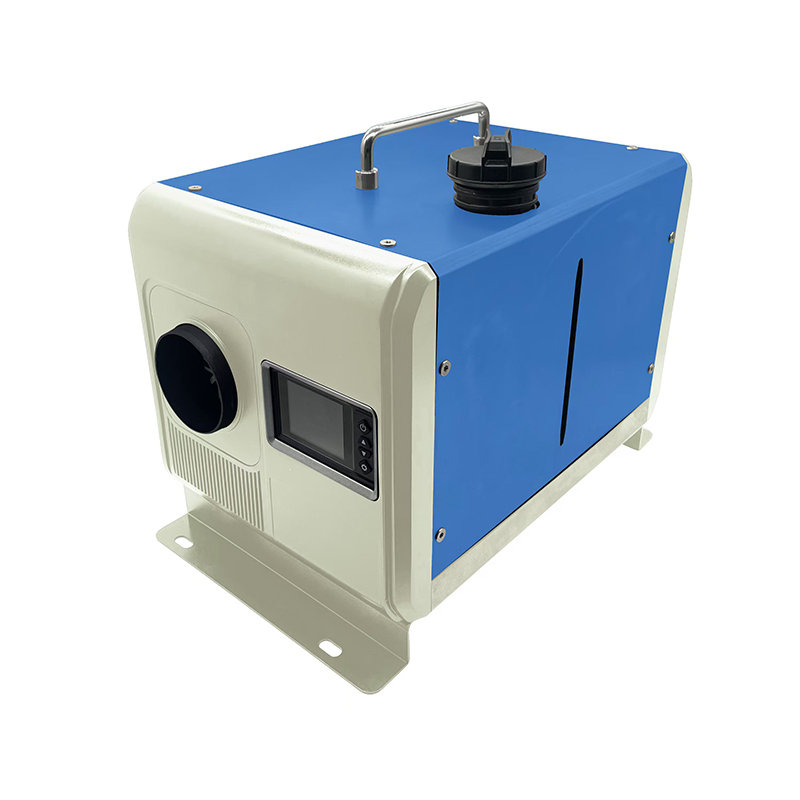 Diesel Heater For Vehicles
+86-18657986688
sale@lkcool.net
Building B, No. 9 Liunan Road, Niubeijin Industrial Zone, Baiyang Street, Jinhua, Zhejiang, China


 English
 Español