The primary difference between truck air conditioning and regular vehicle systems is the size and cooling capacity. Truck air conditioning systems are much more powerful, designed to cool larger cabins and operate for extended periods of time. In contrast, passenger vehicle AC systems are designed for smaller spaces and shorter operating durations.

Truck AC systems generally have a higher cooling output measured in BTUs (British Thermal Units), making them suitable for large commercial vehicles like semi-trucks, delivery trucks, and buses. These vehicles often have larger cabins, and the air conditioning system needs to provide more significant cooling capacity to maintain comfort for drivers during long hours on the road. The increased cooling capacity also means that truck AC systems typically require more power, which is usually supplied by the truck's larger electrical system or a separate dedicated generator.
In passenger vehicles, air conditioning systems are designed for personal comfort and are usually smaller and more efficient, focusing on reducing energy consumption and operating costs. In comparison, truck air conditioners are designed to provide consistent cooling under more demanding conditions, such as when the truck is parked for long periods or idling in hot environments.
Durability and Longevity
Truck air conditioning systems are built for heavy-duty use, which means they are more durable and robust than the systems found in regular cars. These systems are engineered to withstand the rigors of continuous use over long distances, often in weather conditions. Whether the truck is driving through hot deserts or freezing temperatures, the air conditioning system must operate efficiently and reliably.
Passenger vehicle air conditioning systems are designed with standard wear and tear in mind, as they are used for relatively short trips and generally face less strenuous conditions. Truck AC systems, on the other hand, are built to endure constant vibration, longer operating hours, and more frequent use, which places additional stress on components like compressors, condensers, and evaporators. To ensure long-term reliability, truck air conditioning systems are made from higher-quality, more durable materials that are better equipped to handle extended operation without degradation.
Engine and Fuel Efficiency Considerations
Truck air conditioning systems are integrated into the vehicle's overall mechanical setup in a way that ensures performance without significantly affecting fuel efficiency. Many modern truck AC systems are designed with features that minimize the impact on engine performance. For instance, some systems use a more energy-efficient compressor, or incorporate advanced electronic controls that help regulate the system's energy consumption based on load demand.
Additionally, certain truck air conditioning systems are designed to work independently of the engine, allowing the air conditioning to operate even when the engine is idling. This is particularly useful during long stops or overnight rests, as drivers need a comfortable temperature inside the cabin while the impact on fuel consumption.
In contrast, air conditioning systems in regular vehicles often place a higher strain on the engine, particularly during high-load conditions like acceleration or uphill driving. This can bring about reduced fuel efficiency, as the engine must work harder to power both the vehicle and the AC system simultaneously. However, many newer vehicles now feature advanced systems designed to reduce this strain, such as variable displacement compressors that adjust their output based on the cooling needs of the vehicle.
Advanced Climate Control Features
Modern truck air conditioning systems often come equipped with advanced climate control features, which help maintain a comfortable cabin temperature even under challenging environmental conditions. These systems are designed with multi-zone controls, allowing the driver and passengers to adjust the temperature independently. This is particularly important for long-haul truck drivers who may need a consistent and personalized climate control experience during their shifts.
Some advanced truck air conditioners are also equipped with air filtration systems that help remove dust, pollen, and other pollutants from the air, ensuring cleaner and healthier cabin conditions. These features are often not available in standard passenger vehicle systems, where the focus is more on simple, one-zone temperature control.
Additionally, truck air conditioning systems are sometimes integrated with other vehicle systems such as heating, ventilation, and air conditioning (HVAC) units, providing better overall cabin comfort and air circulation. These integrated systems allow for faster, more efficient cooling and can help maintain a constant temperature regardless of external weather conditions.
Maintenance and Servicing
Maintenance is another area where truck air conditioning systems differ from those in passenger vehicles. Given their larger size and complexity, truck air conditioners require more frequent maintenance and servicing. Components like the condenser, compressor, and air filters must be regularly inspected and cleaned to ensure performance, especially since these systems are often subjected to heavy-duty use.
Many truck AC systems are also designed with easy access for maintenance and repairs, which is crucial for downtime. In contrast, passenger vehicle AC systems, while requiring regular maintenance, are generally simpler and less expensive to repair or service. However, the complexity and larger scale of truck air conditioning systems mean that repairs and parts replacement can be more costly, and drivers must ensure their systems are well-maintained to avoid breakdowns during long trips.
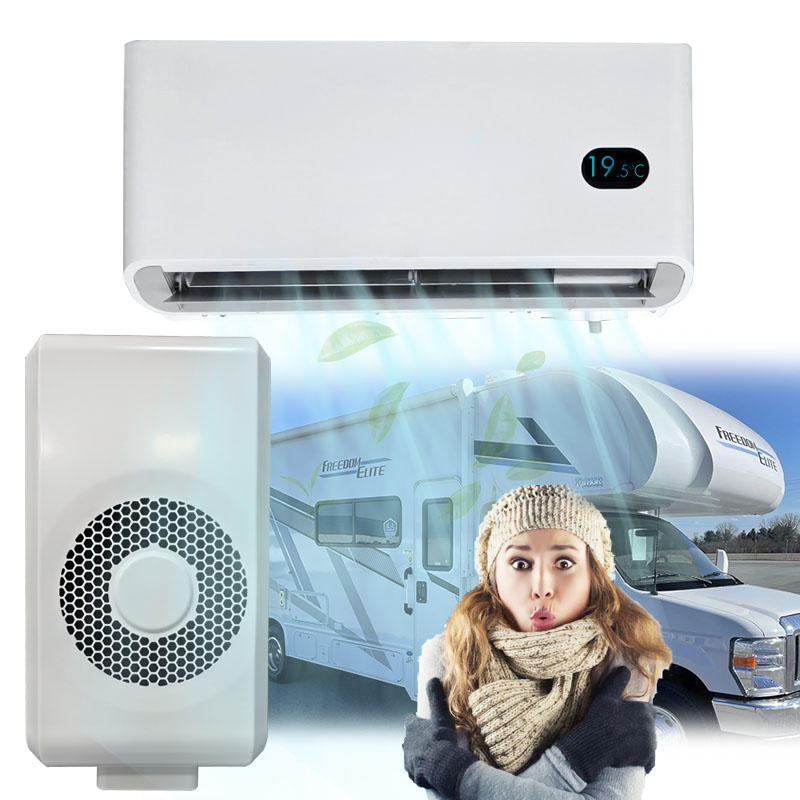 Portable Split Parking Air Conditioner for RV
 Portable Split Parking Air Conditioner for RV
 Portable Split Parking Air Conditioner for RV
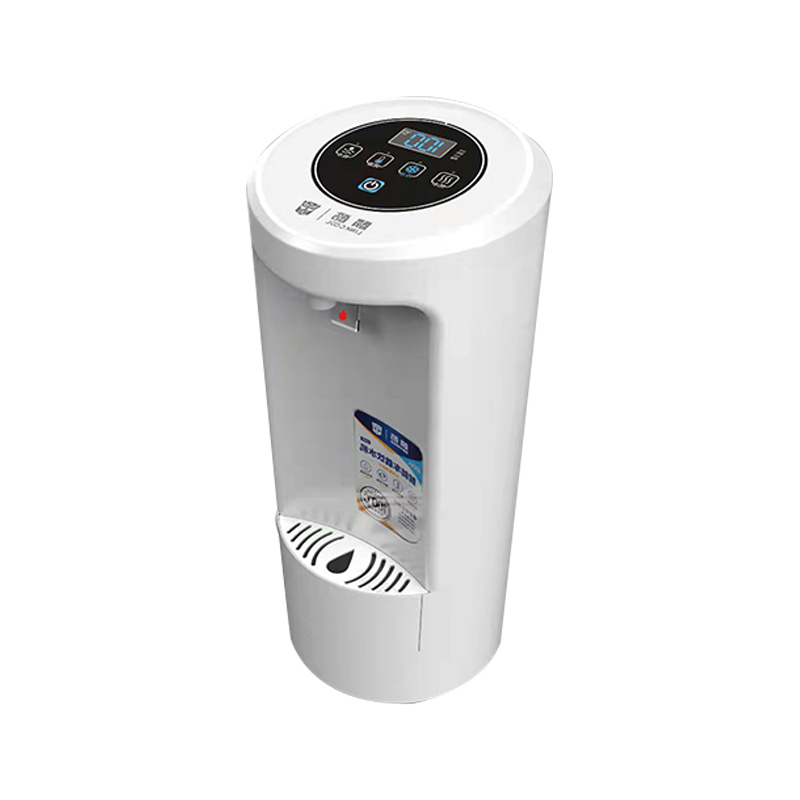 Hot Water Dispenser
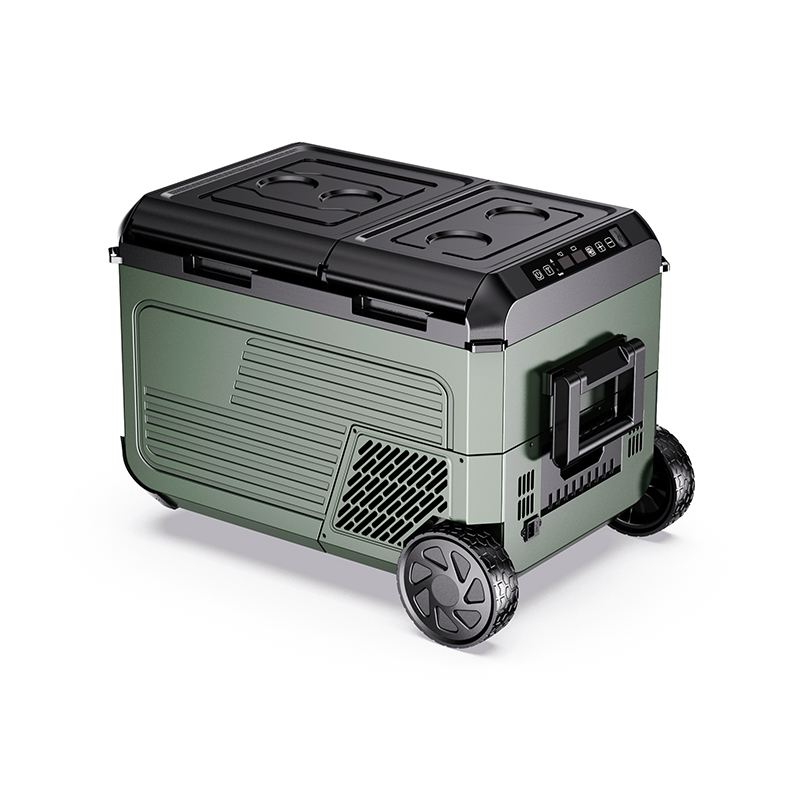 Outdoor Freezer
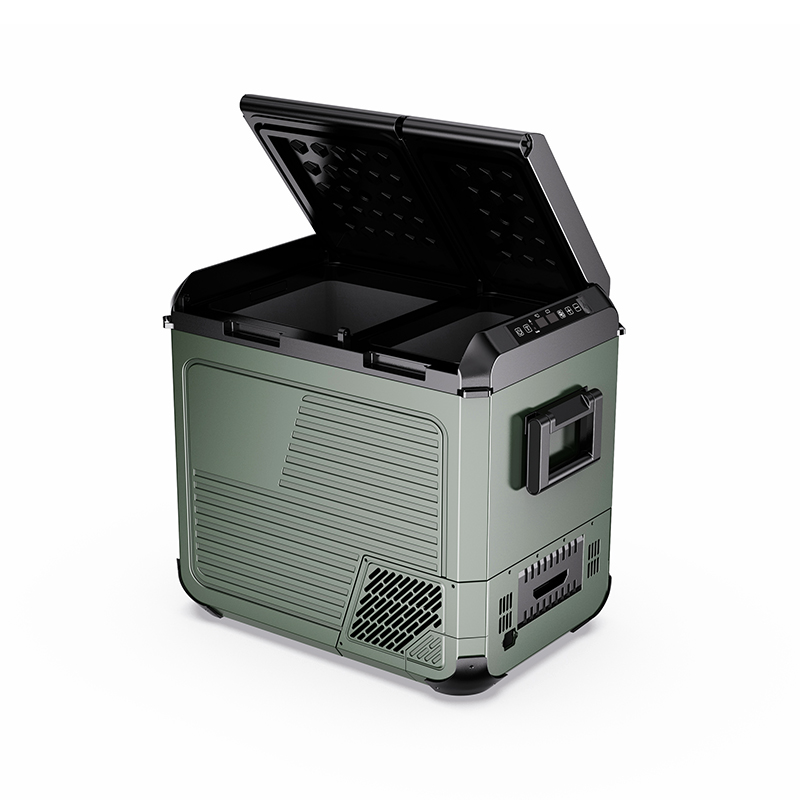 Outdoor Freezer
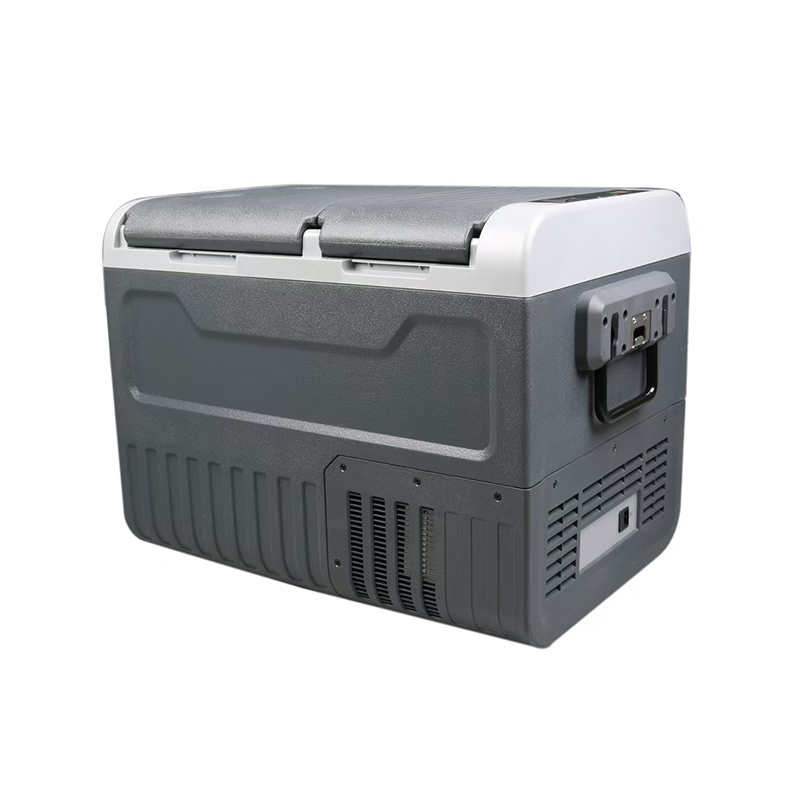 Car Refrigerator
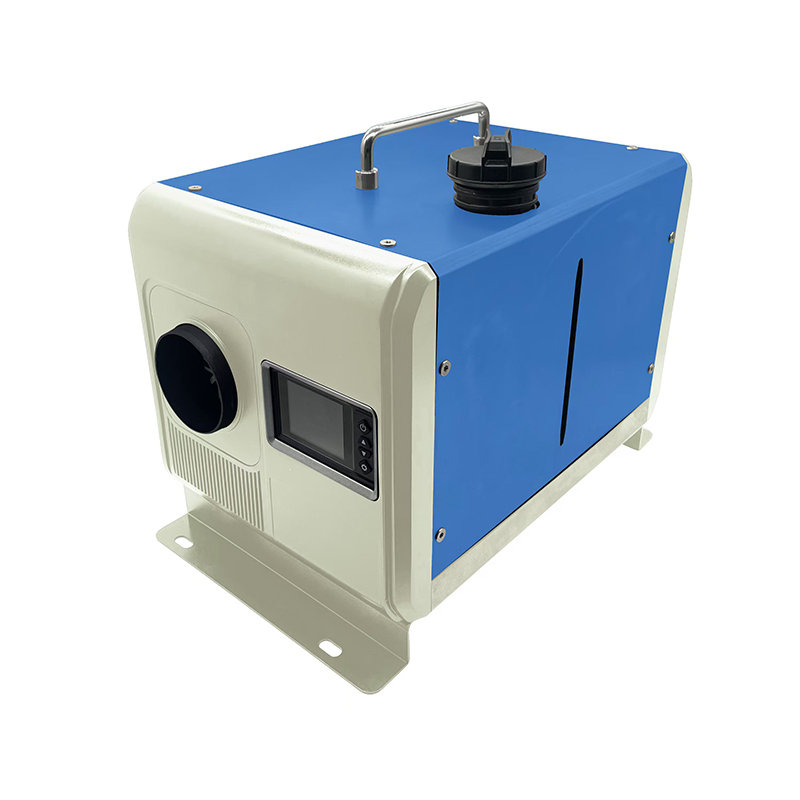 Diesel Heater For Vehicles
+86-18657986688
sale@lkcool.net
Building B, No. 9 Liunan Road, Niubeijin Industrial Zone, Baiyang Street, Jinhua, Zhejiang, China


 English
 Español