Content
RV air conditioners have several notable shortcomings. One major limitation is their high power consumption. RV AC units typically require significant electrical input, often between 1,500 and 2,500 watts depending on the model and cooling capacity. This can be challenging when relying on limited power sources such as onboard batteries, solar systems, or campground electrical hookups.
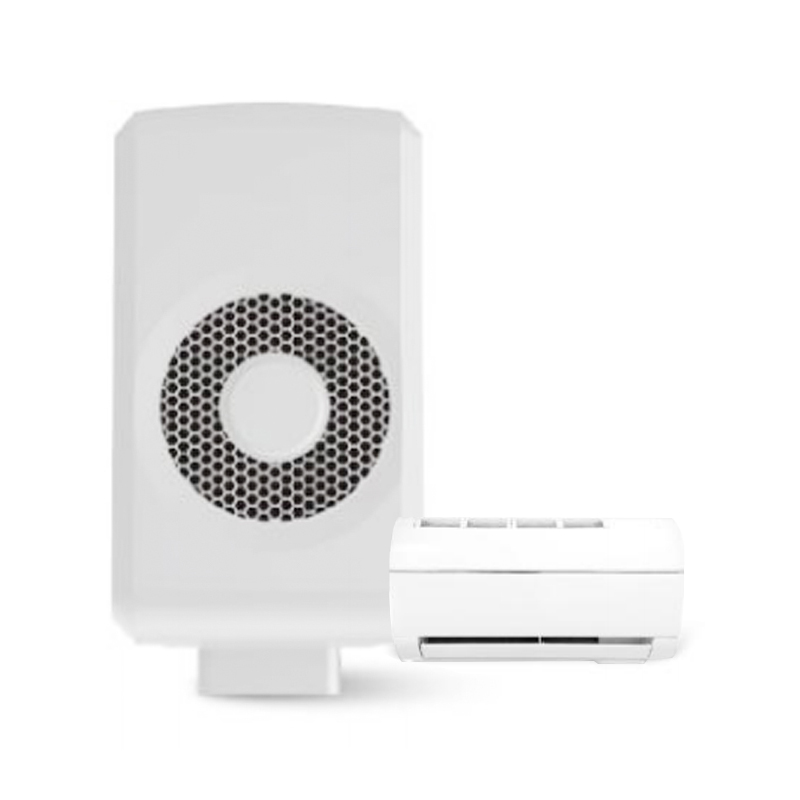
RV air conditioners are relatively heavy and require rooftop installation, which affects vehicle weight distribution and fuel efficiency. Installation also involves cutting and sealing roof openings, which must be done carefully to prevent leaks and maintain insulation.
Noise is also a common issue. RV air conditioners generate noise from both the compressor and fan, which can impact comfort, especially during nighttime use. Although modern units are designed to reduce noise, they still produce noticeable sound compared to home air conditioners.
Finally, RV air conditioners require regular maintenance. Filters must be cleaned or replaced, and the unit should be inspected for refrigerant leaks and proper airflow. Neglecting maintenance can reduce cooling efficiency and increase the risk of breakdowns during travel.
To understand and use an RV air conditioner correctly, it is important to consider the power system, cooling capacity, and operational environment.
Know the cooling capacity
RV air conditioners are rated in BTU (British Thermal Units). Choosing a unit with the right BTU rating for the RV size ensures efficient cooling without overloading the power system.
Understand the power source
RV AC units typically run on shore power or generator power. If using an inverter, ensure it supports the required wattage and surge current.
Manage airflow and insulation
Good insulation and sealed windows reduce cooling load. Using window shades and closing vents can improve efficiency.
Pre-cool before occupancy
Turning on the air conditioner before entering the RV helps lower the temperature quickly and reduces stress on the system.
Use thermostat settings wisely
Set the thermostat to a moderate temperature to balance comfort and power consumption. Avoid setting low temperatures, which increase power draw.
Monitor and maintain the unit
Clean or replace filters regularly and check for blockages in the vents. Ensure the condenser coils are clean and unobstructed.
Operate safely
Ensure the RV electrical system is correctly wired and protected. Avoid running the air conditioner on a weak power source to prevent overload.
Selecting the correct RV air conditioner involves evaluating RV size, insulation, and usage patterns. For smaller RVs or camper vans, a unit between 8,000 and 13,500 BTU is common, while larger RVs may require 15,000 BTU or more. Additionally, climate conditions play a role; hot and humid regions require more cooling capacity. Users should also consider power availability. If the RV often stays at campsites with reliable shore power, a higher-capacity unit may be feasible. For off-grid travel, a lower-power unit or supplementary cooling methods such as roof vents and fans may be more practical.
It is also important to choose a unit with appropriate noise levels and energy efficiency. Some models include energy-saving features such as variable-speed compressors, which adjust cooling output based on demand, improving efficiency and reducing noise.
Maintenance is essential for reliable performance and longevity. Regularly cleaning the air filter ensures proper airflow and cooling efficiency. Dust and debris accumulation can reduce performance and increase power consumption. Additionally, the condenser coils should be kept clean, especially after traveling through dusty or dirty environments. Inspecting the unit for refrigerant leaks and ensuring proper sealing around the roof mount prevents moisture intrusion and potential water damage.
Seasonal maintenance includes checking electrical connections, fan blades, and thermostat functionality. For RVs that are stored for long periods, it is advisable to cover the unit and protect it from weather exposure. Proper maintenance helps extend the unit's lifespan and reduces the likelihood of unexpected failures during travel.
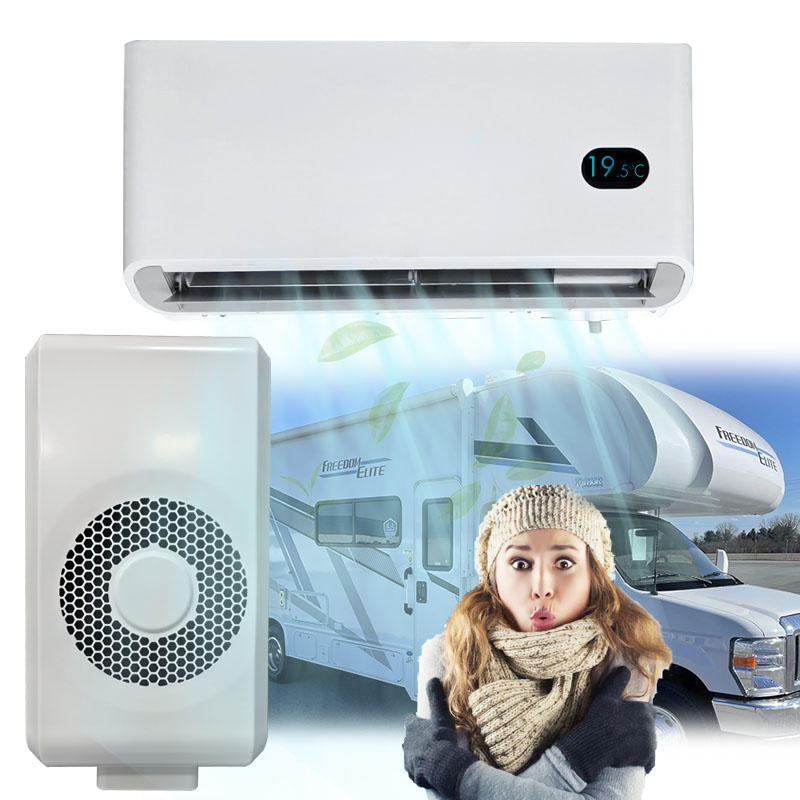 Portable Split Parking Air Conditioner for RV
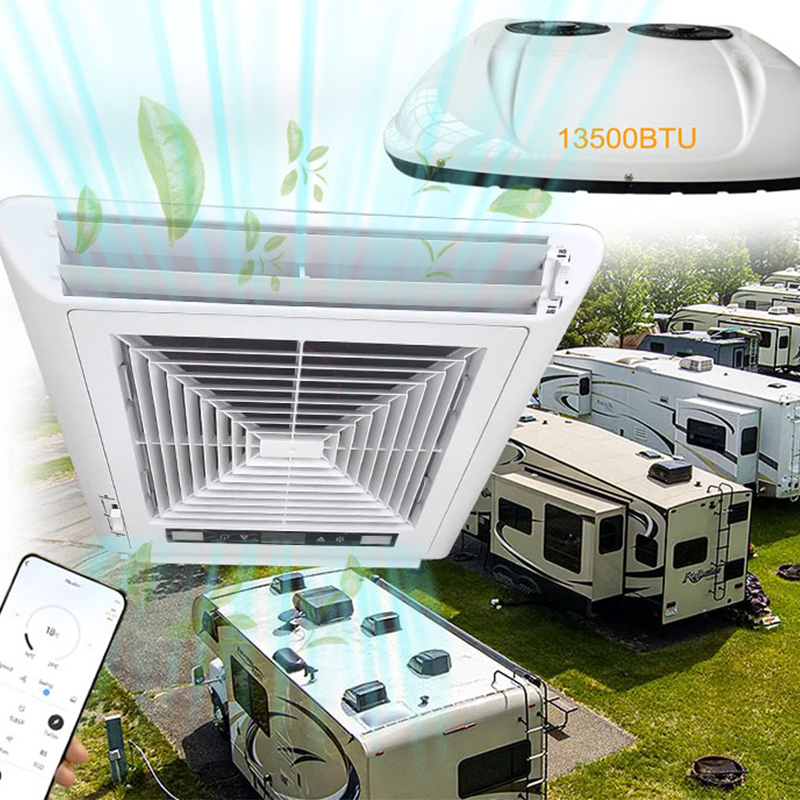 Portable Split Parking Air Conditioner for RV
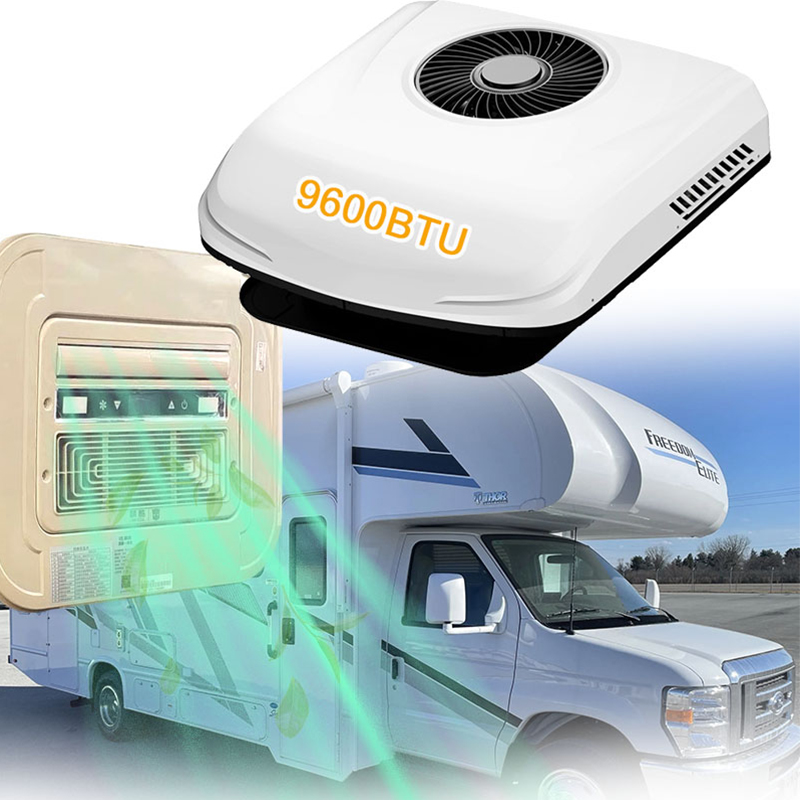 Portable Split Parking Air Conditioner for RV
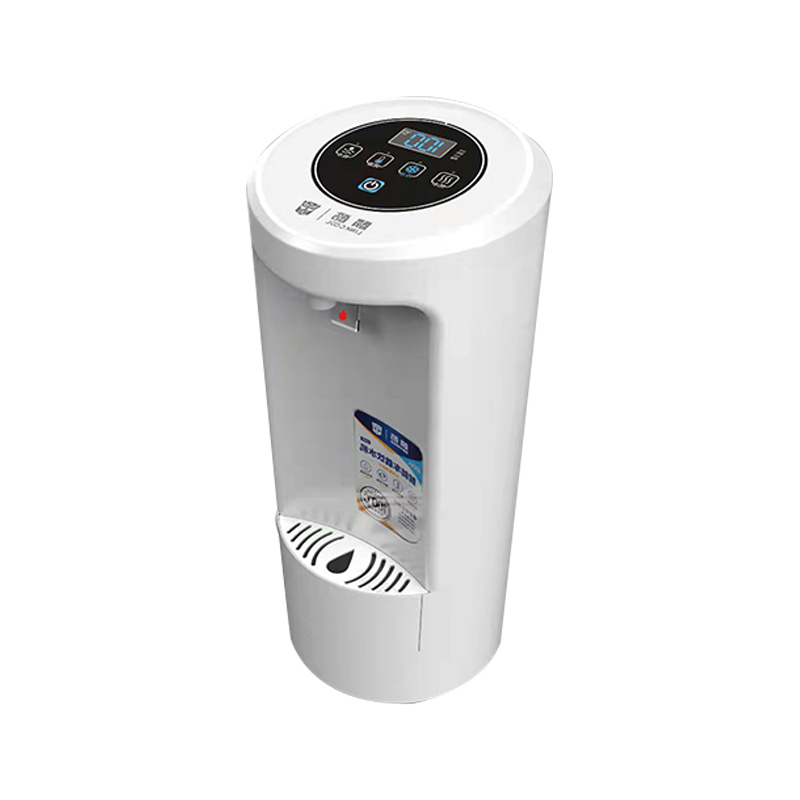 Hot Water Dispenser
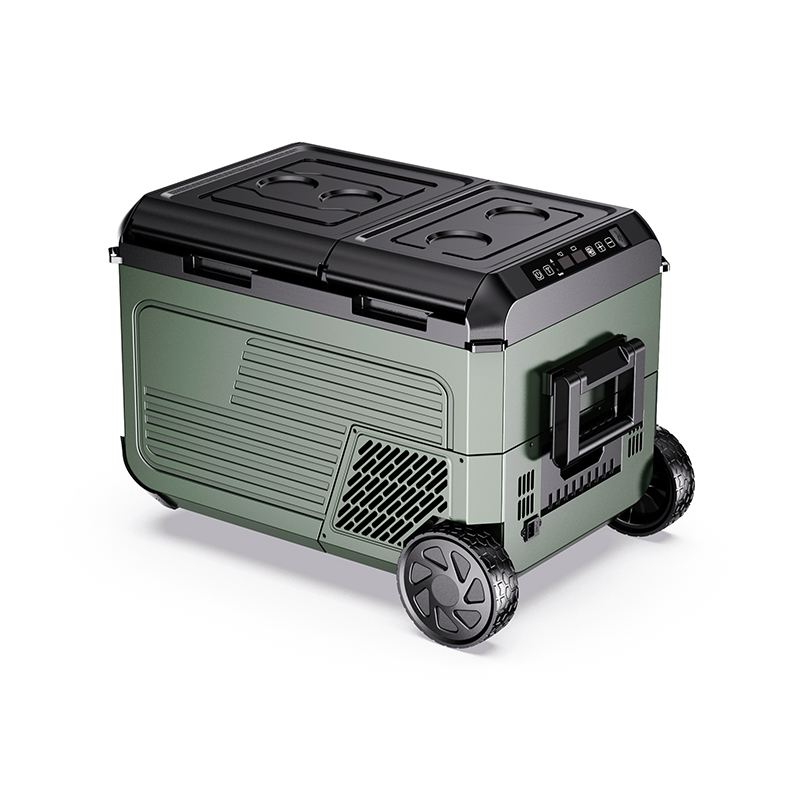 Outdoor Freezer
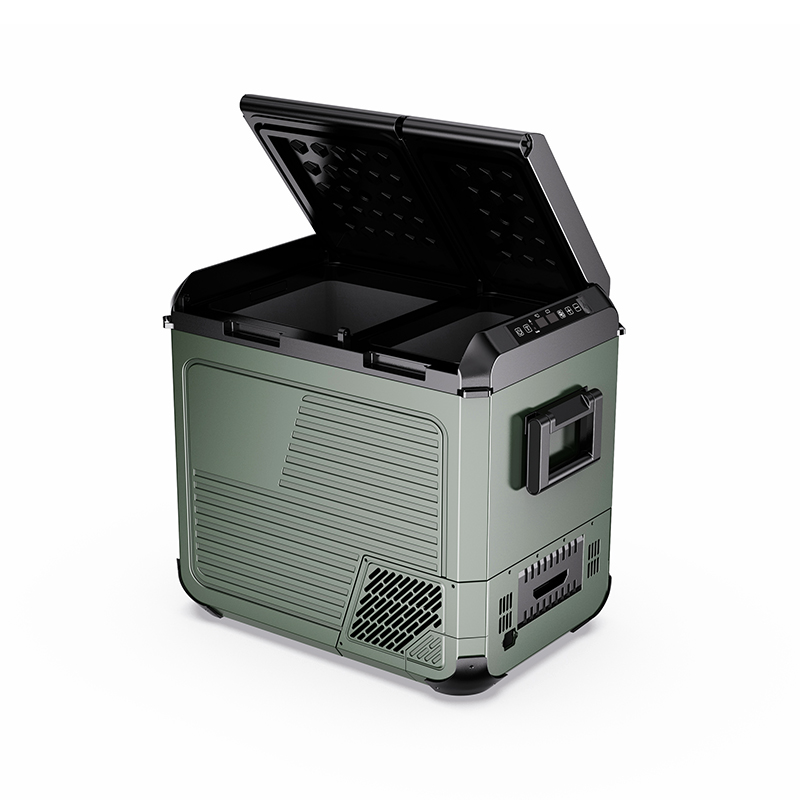 Outdoor Freezer
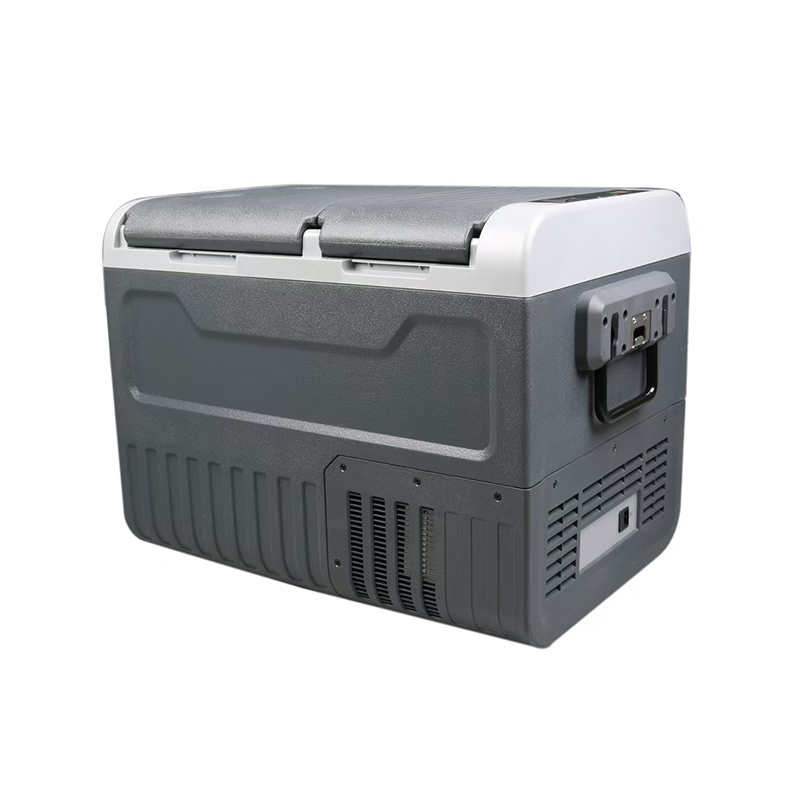 Car Refrigerator
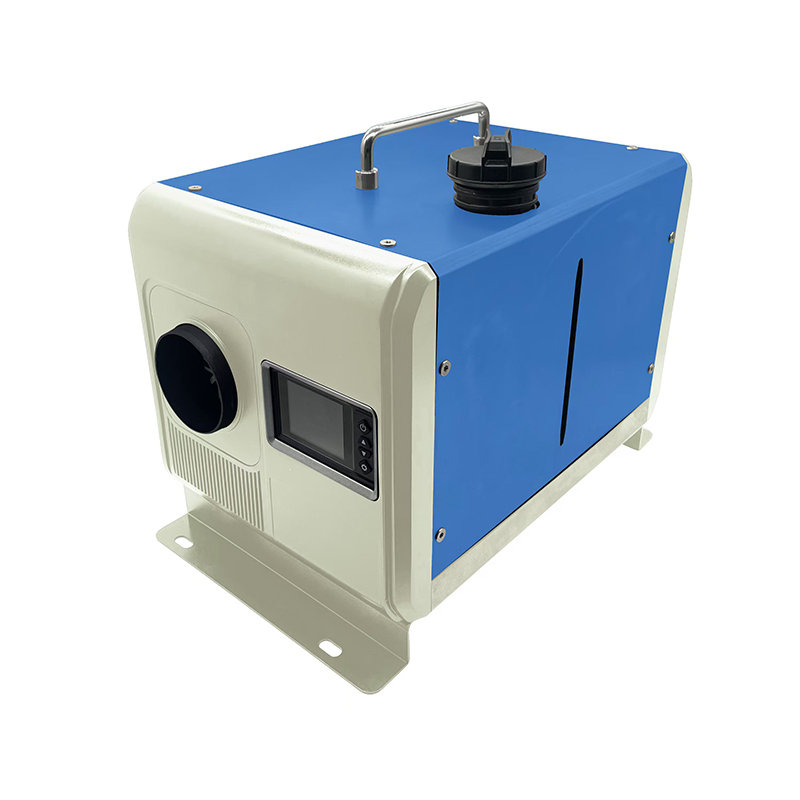 Diesel Heater For Vehicles
+86-18657986688
sale@lkcool.net
Building B, No. 9 Liunan Road, Niubeijin Industrial Zone, Baiyang Street, Jinhua, Zhejiang, China


 English
 Español