Content
In contexts ranging from construction sites to outdoor events and emergency preparedness, portable heaters provide essential warmth. Among the various options available, diesel-powered heaters represent a specific category valued for their fuel efficiency and high heat output. However, their operation involves combustion, which introduces distinct safety considerations.
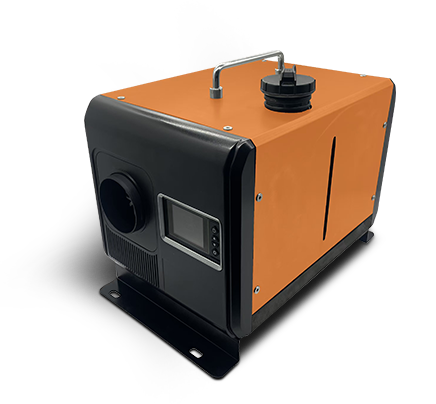
The safe operation of a diesel heater requires attention to several critical factors. These considerations are not optional but fundamental to preventing accidents and protecting health.
Ventilation and Carbon Monoxide
The most critical safety consideration for any combustion heater is adequate ventilation. Diesel heaters consume oxygen and produce combustion gases, including carbon monoxide, which is colorless, odorless, and potentially fatal. Direct-fired heaters, which exhaust combustion products into the space, must only be used in well-ventilated areas. Indirect-fired heaters, which use a heat exchanger to separate combustion from circulated air, are safer for occupied spaces but still require the combustion exhaust to be vented outdoors. A carbon monoxide detector should always be present when any combustion heater is in operation.
Fuel Storage and Handling
Diesel fuel is combustible and requires proper storage. Fuel should be kept in approved containers, away from ignition sources, and in areas with adequate ventilation. Spills during refueling present both a fire hazard and a slip risk. The heater should be turned off and allowed to cool before refueling to prevent accidental ignition of fuel vapors. Storing large quantities of diesel may also be subject to local fire codes.
Electrical Safety
Diesel heaters require electrical power for fans, controls, and ignition. The power cord should be inspected for damage before each use. The heater should be connected to a properly grounded outlet with sufficient capacity for the unit's draw. Using extension cords rated for the heater's amperage is necessary to prevent overheating. The electrical components should be kept dry and protected from moisture.
Placement and Clearance
Heaters produce significant heat and must be placed on a stable, level, non-combustible surface. Manufacturers specify minimum clearances to combustible materials such as walls, tarps, or stored goods. These distances must be respected to prevent fires. The heater should be positioned where it will not be knocked over and where the hot exhaust stream (for indirect units) will not contact people, animals, or sensitive equipment.
Maintenance and Inspection
Regular maintenance is a safety measure. Components such as fuel filters, air filters, and nozzles should be cleaned or replaced according to the manufacturer's schedule. The burner should be inspected for proper operation, and any signs of soot or incomplete combustion should be addressed promptly, as these can indicate increased carbon monoxide production. The unit should be inspected before each heating season and after any period of prolonged storage.
Yes, diesel heaters can be valuable tools in emergencies, but their use is contingent on specific conditions and precautions. They are most effective when the emergency involves a loss of primary heating in a location with available diesel fuel and adequate ventilation.
Power Outage Utility: Most diesel heaters require electricity to run the fan and controls. In a power outage, the heater will only function if connected to an emergency generator or a battery backup system with an inverter. Some models are designed for DC power (e.g., 12V or 24V) and can be connected directly to vehicle or battery bank systems.
Heat Output in Cold Conditions: Diesel heaters are capable of producing substantial heat, often in the range of 8,000 to 40,000 BTU/hr or more for portable units. This makes them effective at preventing hypothermia in extreme cold by warming a defined space, such as a workshop, garage, or temporary shelter, provided the space can be made somewhat secure from the elements.
Fuel Availability Considerations: Diesel fuel has a longer shelf life than gasoline and is less volatile, making it safer to store for emergency preparedness. In a widespread emergency, diesel may also be available from vehicle tanks, though siphoning carries its own risks and should only be done with appropriate equipment and safety knowledge.
Critical Safety Limitations in Emergencies: The requirement for ventilation is non-negotiable. A diesel heater cannot be operated in a tightly sealed room, tent, or vehicle cabin without extreme risk of carbon monoxide poisoning. In an emergency, setting up the heater in a partially open structure, or using it in shifts with periodic ventilation may be necessary but requires constant vigilance.
Drying and Thawing Applications: In an emergency context, diesel heaters are also useful for thawing frozen pipes or drying out water-damaged areas, provided they are used with the same safety clearances and ventilation requirements. The directed heat can accelerate recovery efforts after a flood or freeze event.
When evaluating portable heaters, efficiency is a multi-faceted concept involving fuel cost, heat output per unit of fuel, and the suitability of the heat for the intended space. Diesel heaters occupy a specific position in this comparison.
Diesel vs. Propane Heaters
Propane is a common fuel for portable heaters. In terms of energy content, diesel contains approximately 139,000 BTUs per gallon, while propane contains about 91,500 BTUs per gallon. This means diesel provides more heat energy per unit volume. However, the comparison is not direct, as propane is often sold by the pound or gallon, and the cost per BTU can vary regionally. Propane heaters are often simpler in design and may not require electricity, giving them an advantage in some remote or off-grid situations. Diesel heaters typically have a slight edge in runtime per tank of fuel due to the higher energy density.
Diesel vs. Kerosene Heaters
Kerosene is very similar to diesel in energy content and is also used in portable heaters. Many diesel heaters can actually run on kerosene, and vice versa, though this depends on the specific model and manufacturer guidance. Kerosene generally burns cleaner than diesel with less odor, which is why it is often preferred for indoor use in salamander-type heaters. However, diesel is often more readily available and less expensive, particularly in regions with high diesel vehicle traffic. In terms of pure thermal efficiency, they are nearly equivalent.
Diesel vs. Electric Heaters
Electric resistance heaters are nearly 100% efficient at converting electricity to heat at the point of use. However, this comparison is misleading because the efficiency of the electrical generation and transmission system is not included. In terms of operating cost, electric heat is often more expensive per BTU than diesel heat in many regions, unless the electricity is from a very low-cost source. Electric heaters require no ventilation and produce no combustion gases, making them safer for indoor use. Diesel heaters, requiring ventilation, are less convenient but can provide heat in locations where adequate electrical service is unavailable.
Diesel vs. Forced-Air vs. Radiant
This comparison involves heat delivery. Many portable diesel heaters are forced-air units, meaning they use a fan to blow air over a heat exchanger (indirect) or through the combustion flame (direct) and into the space. Forced-air is effective at quickly raising the temperature of an entire space, but can be drafty and noisy. Radiant heaters, whether diesel-fired or not, heat objects and people directly without warming the air as quickly. The choice depends on whether the goal is spot heating a person or area heating a space. Diesel fuel's efficiency is best realized in forced-air designs that move large volumes of heated air.
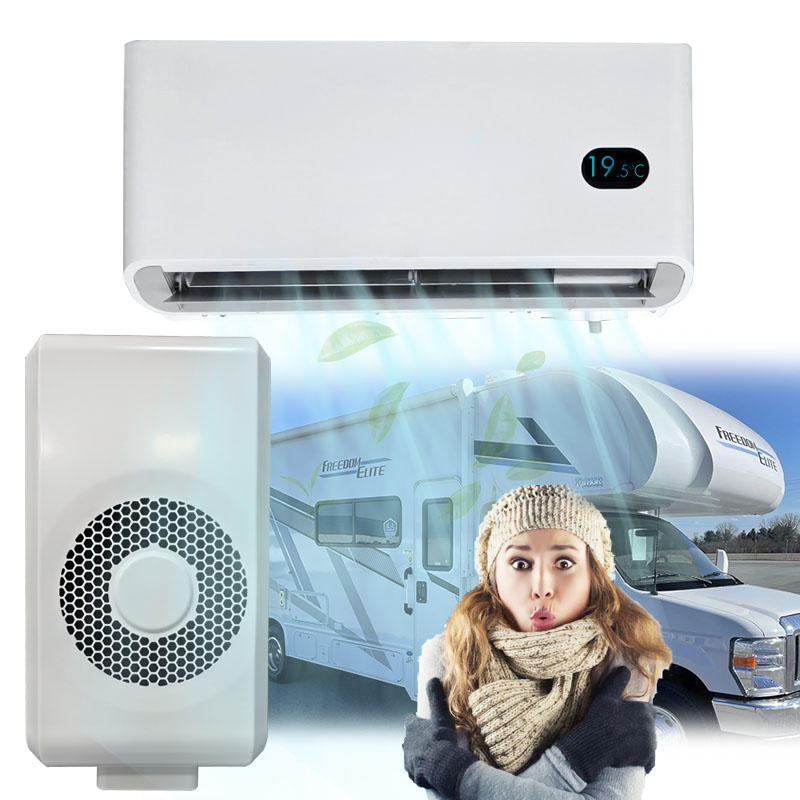 Portable Split Parking Air Conditioner for RV
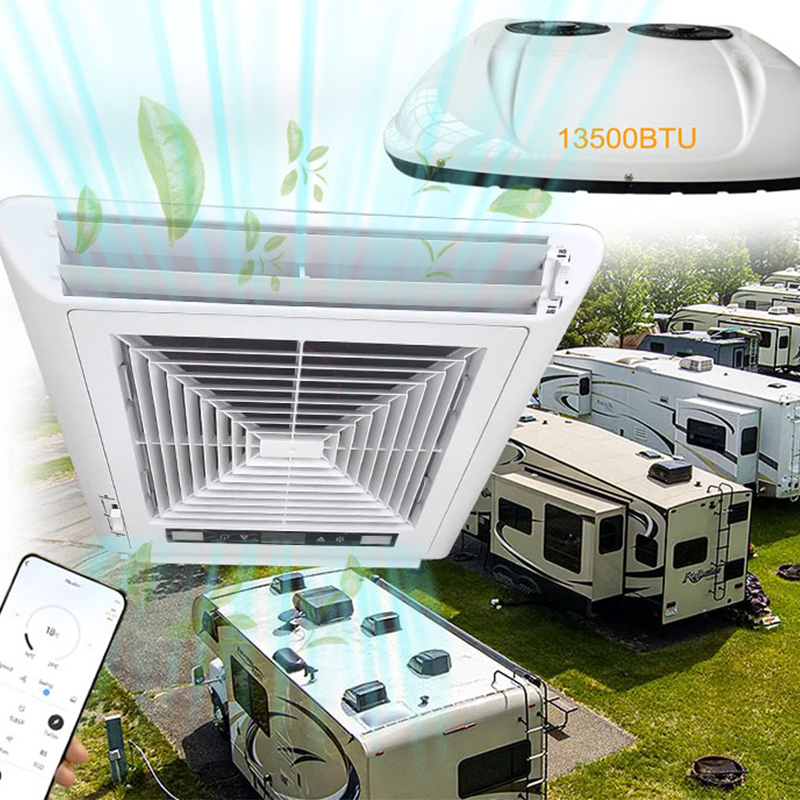 Portable Split Parking Air Conditioner for RV
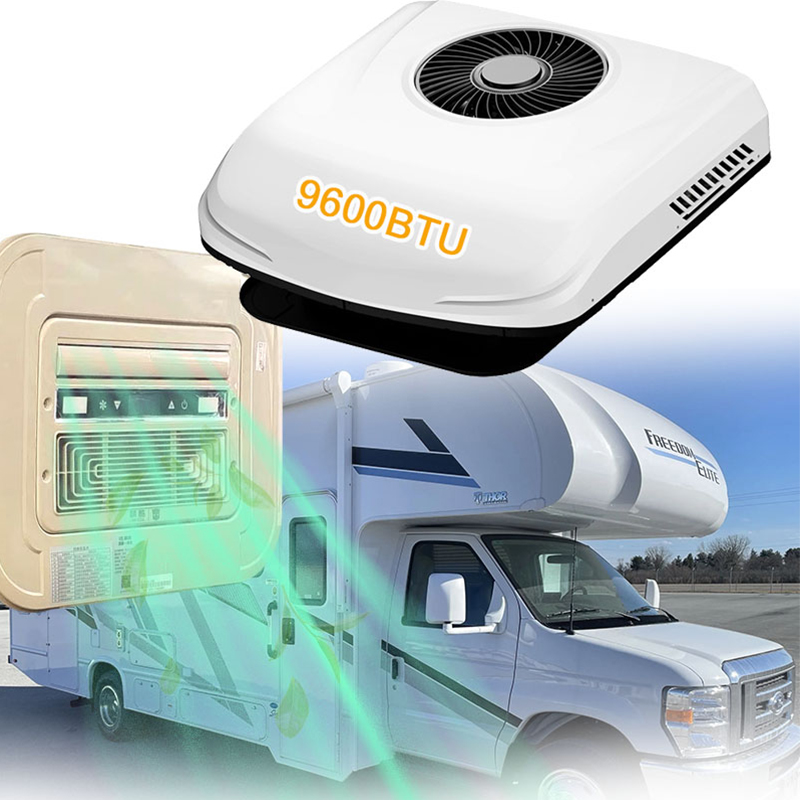 Portable Split Parking Air Conditioner for RV
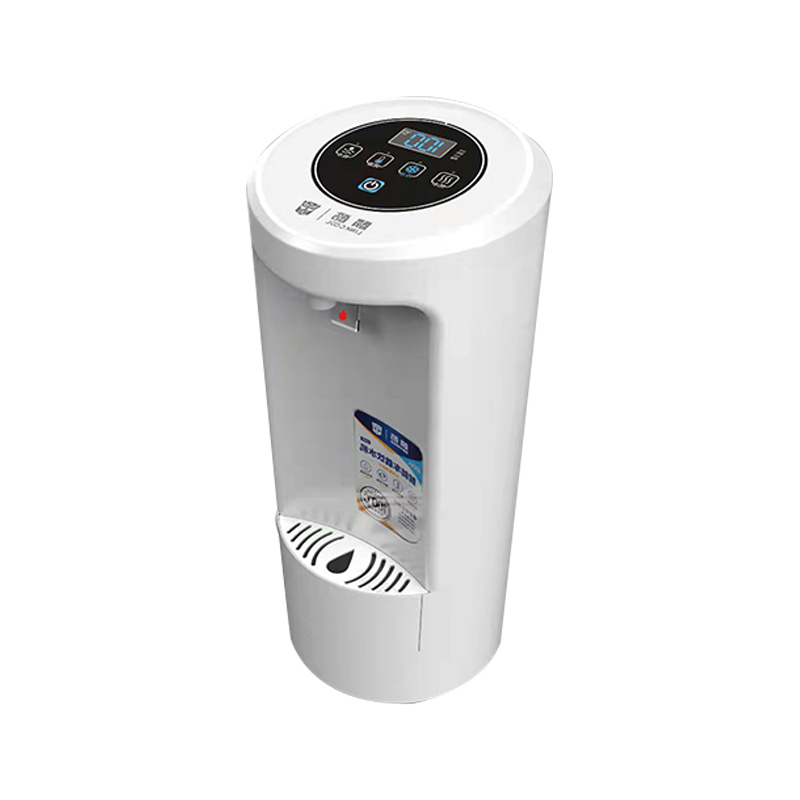 Hot Water Dispenser
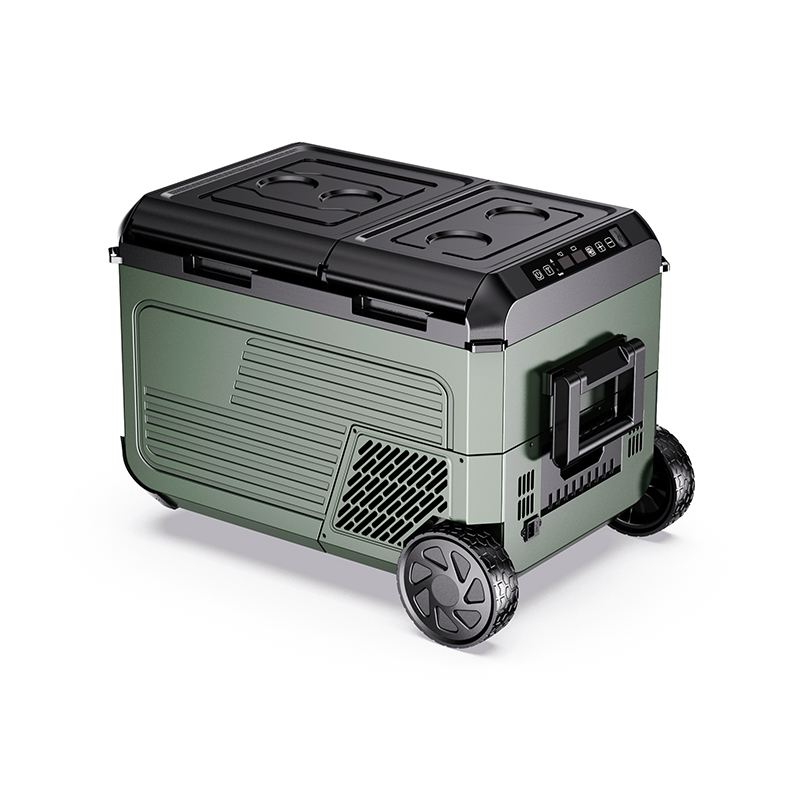 Outdoor Freezer
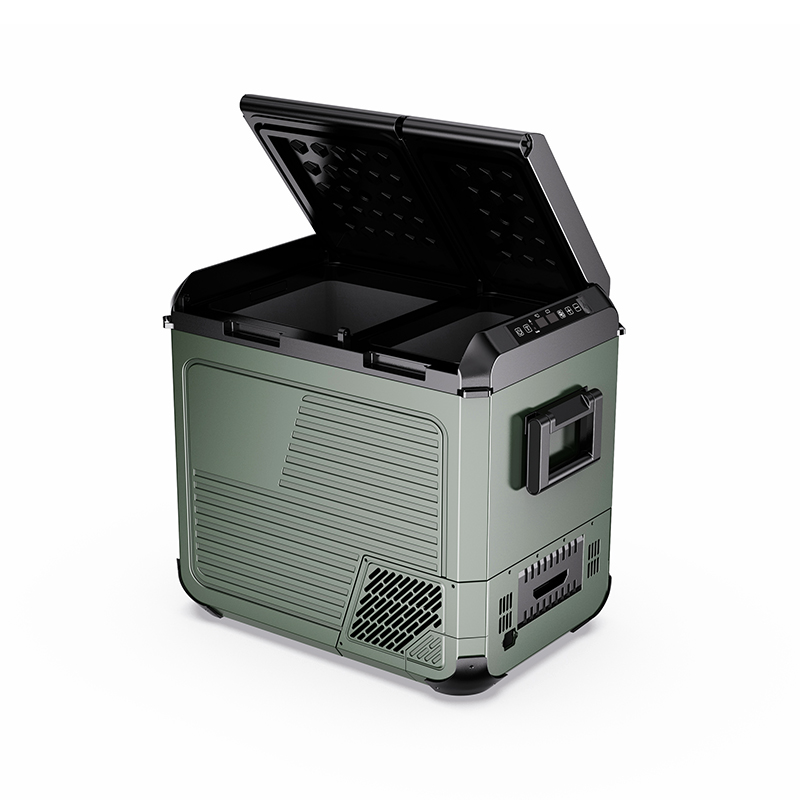 Outdoor Freezer
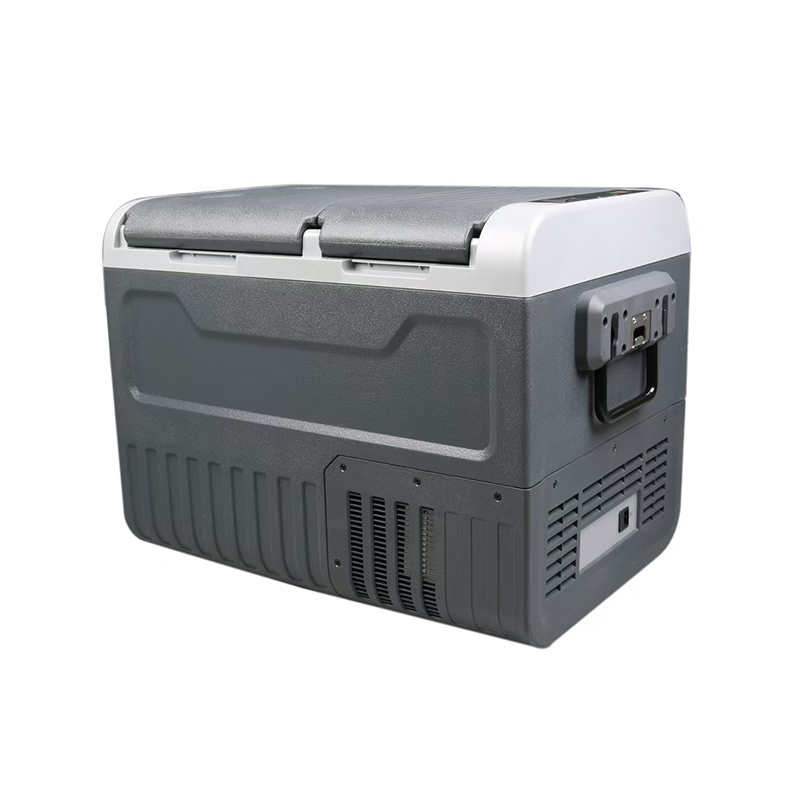 Car Refrigerator
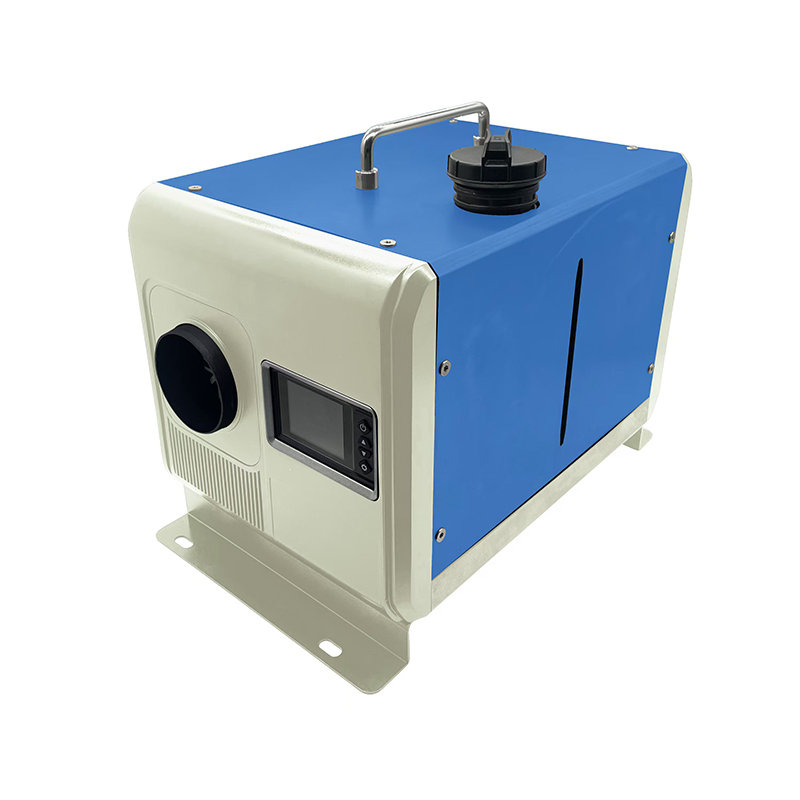 Diesel Heater For Vehicles
+86-18657986688
sale@lkcool.net
Building B, No. 9 Liunan Road, Niubeijin Industrial Zone, Baiyang Street, Jinhua, Zhejiang, China


 English
 Español