Integrated parking air conditioners are auxiliary climate control units installed in vehicles (typically trucks, RVs, and commercial vans) that operate without the main engine running.
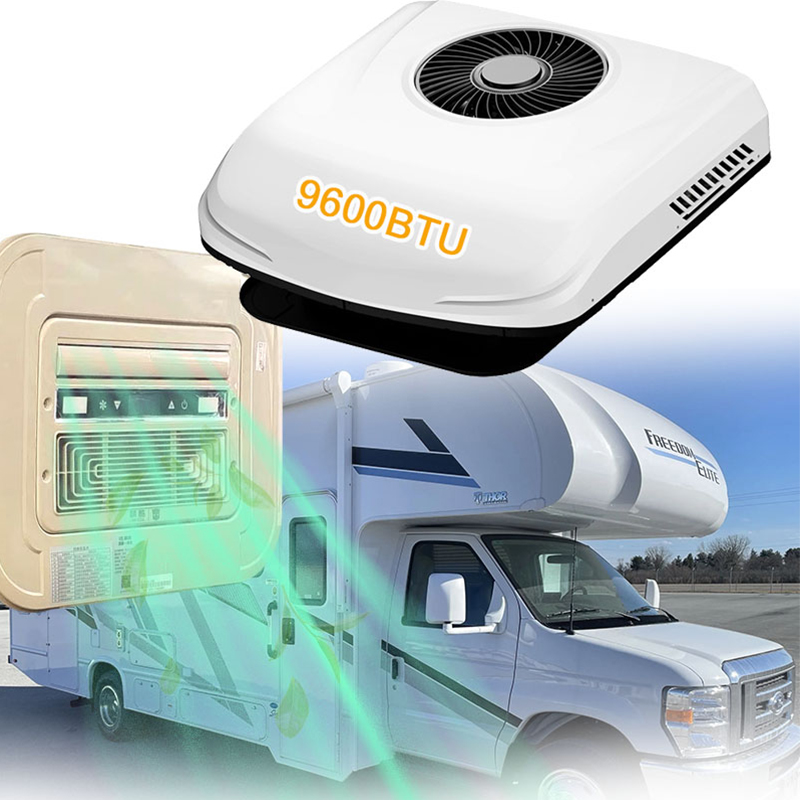
1. Battery-powered DC electric type
This type uses the vehicle’s existing battery bank or dedicated auxiliary batteries (typically 24V or 48V systems). A DC compressor (scroll or rotary design) circulates refrigerant. The unit includes an evaporator, condenser, and blower fan in a single roof-mounted or rear-wall-mounted housing. Power consumption ranges from 500W to 1,500W. Runtime on a standard truck battery (200–300 Ah) ranges from 4 to 10 hours, depending on ambient temperature and set cooling level.
2. Standalone battery-integrated type
The unit contains its own lithium iron phosphate (LiFePO4) battery pack, typically 1 kWh to 3 kWh capacity. No connection to the vehicle electrical system is required for basic operation. Charging occurs via solar panels, shore power (110V/220V AC), or the vehicle's alternator while driving. These units are heavier (15–30 kg) due to the built-in batteries. Common in camper vans and small RVs, where vehicle battery preservation is a priority.
3. Hydraulic/electric hybrid type
Designed for heavy trucks with existing hydraulic systems. A small electric pump circulates hydraulic fluid to drive the compressor when parked, while the engine-driven hydraulic pump takes over during driving. This type is less common (approximately 5–10% of the market) due to higher installation complexity and component cost.
Mechanism of Heat Removal
An integrated parking air conditioner reduces interior temperature by transferring heat from the cabin to the outside environment. The refrigeration cycle uses a compressor, condenser, expansion valve, and evaporator. The evaporator fan draws warm cabin air (e.g., 35°C) across cold evaporator fins (5–10°C), absorbing heat and lowering air temperature to approximately 15–20°C at the vent. The absorbed heat is released outside via the condenser. Unlike passive ventilation, this active system can maintain a cabin temperature 15–20°C below ambient conditions.
Performance Under Different Ambient Conditions
At 25°C ambient (mild weather): The unit typically lowers cabin temperature to 18–22°C. Relative humidity drops from 70% to 40–50%, reducing sticky sensation.
At 35°C ambient (hot summer): The unit maintains 24–28°C inside a well-insulated sleeper cab. A temperature difference of 7–11°C is achieved. Cooling capacity (typically 800–2,000 BTU/h) is sufficient for cab volumes of 5–15 cubic meters.
At 40°C ambient (extreme heat): Performance declines. The unit may only achieve 30–34°C inside. Higher humidity reduces efficiency because condensate freezing on evaporator coils blocks airflow.
Factors That Influence Temperature Improvement
Insulation quality: Vehicles with foam or fiberglass insulation (25–50 mm thickness) require 30–50% less cooling power than uninsulated metal cabs.
Solar load: Window films rejecting 70–90% of infrared radiation reduce heat gain by 15–25%, allowing the AC to reach lower temperatures.
How to use correctly
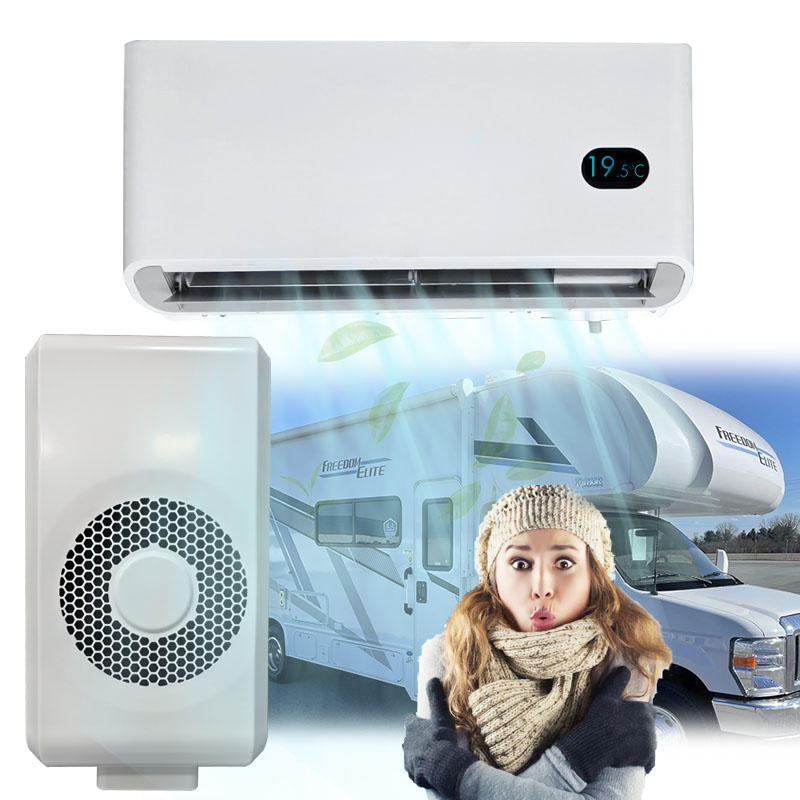 Portable Split Parking Air Conditioner for RV
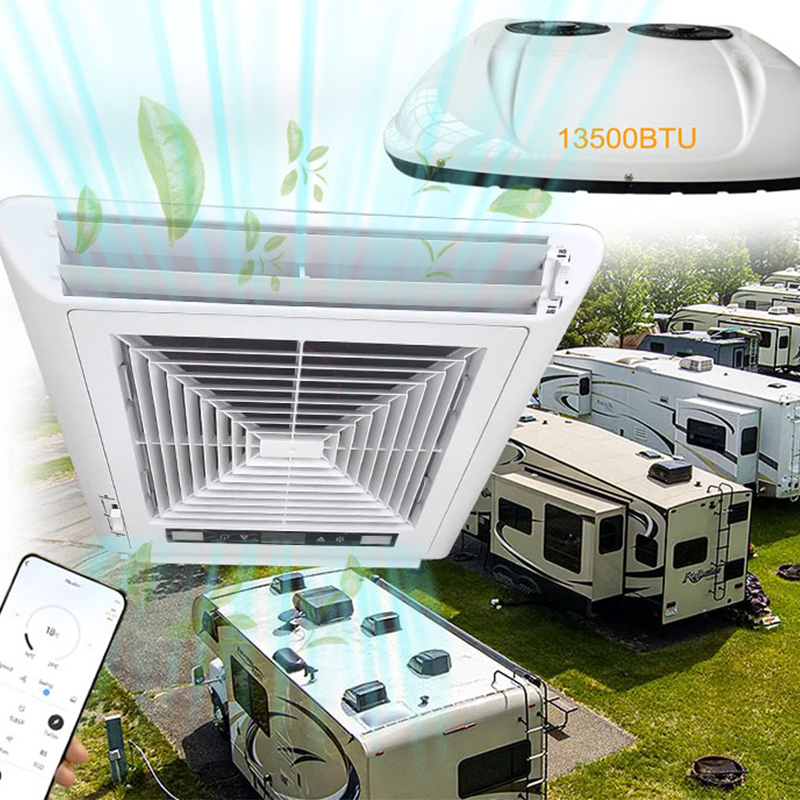 Portable Split Parking Air Conditioner for RV
Portable Split Parking Air Conditioner for RV
Portable Split Parking Air Conditioner for RV
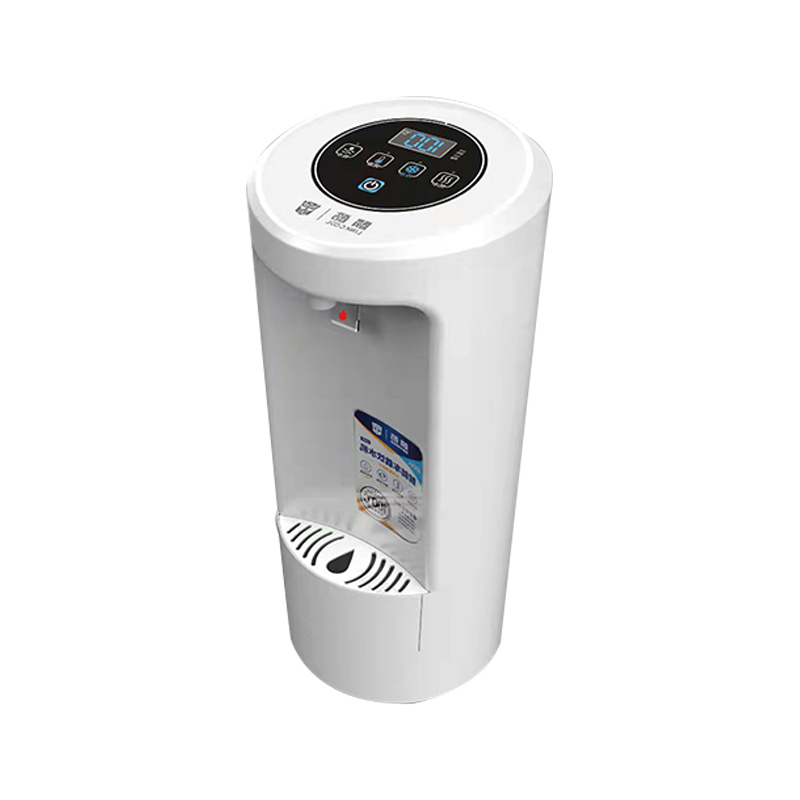 Hot Water Dispenser
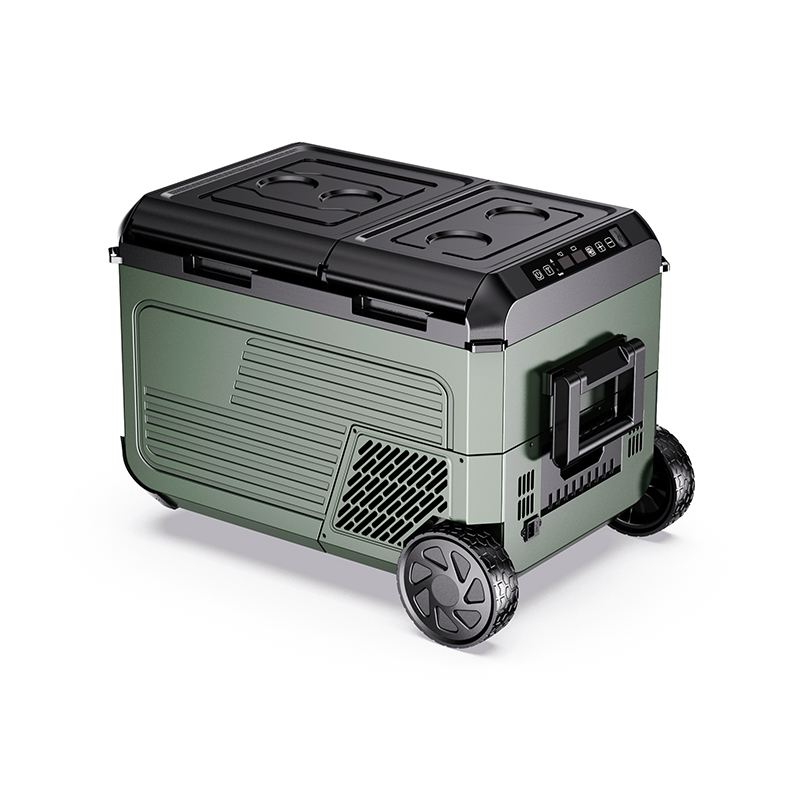 Outdoor Freezer
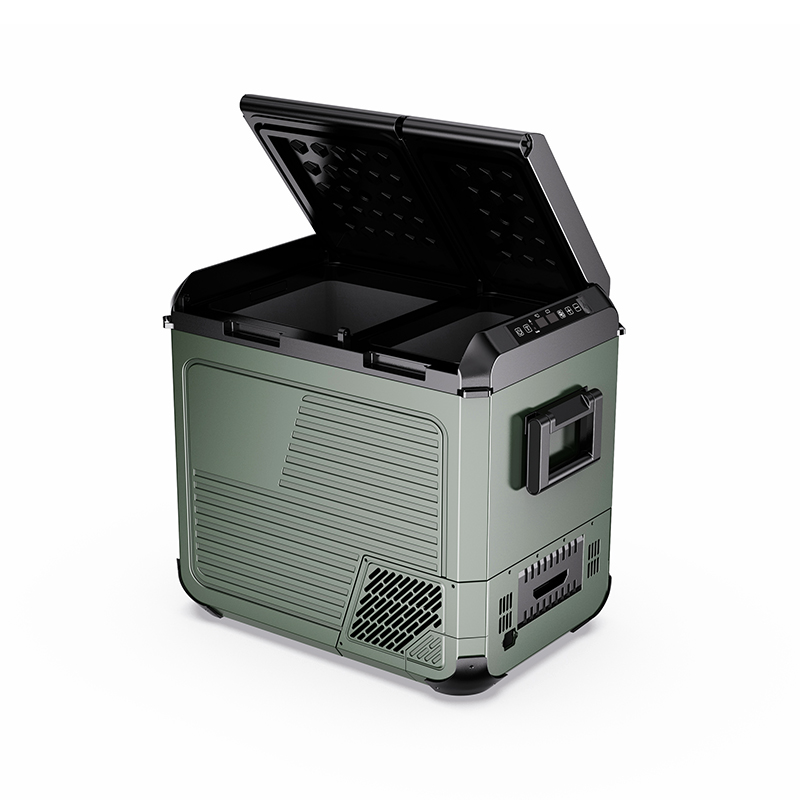 Outdoor Freezer
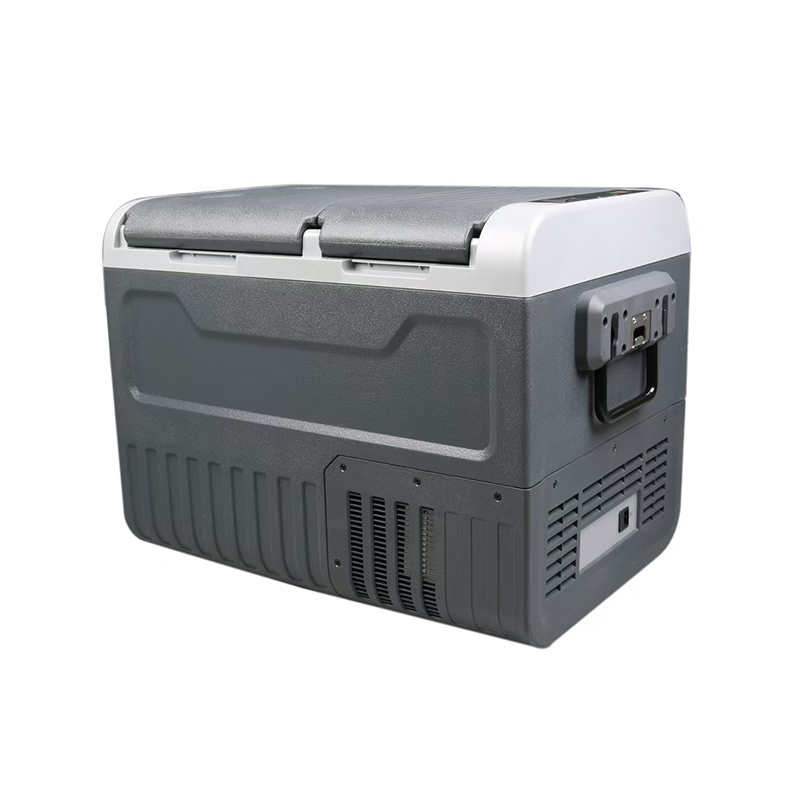 Car Refrigerator
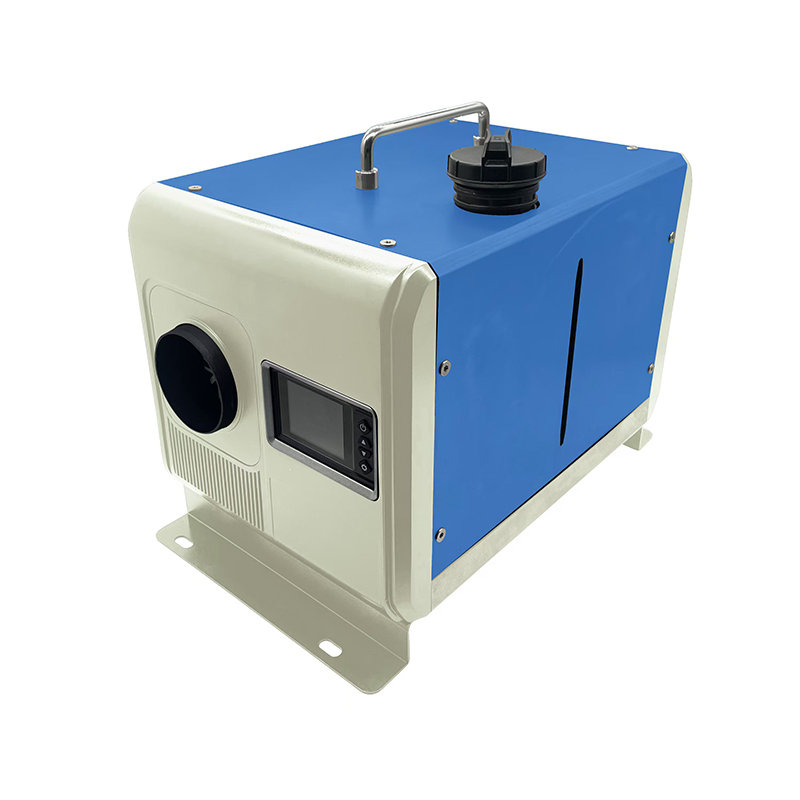 Diesel Heater For Vehicles
+86-18657986688
sale@lkcool.net
Building B, No. 9 Liunan Road, Niubeijin Industrial Zone, Baiyang Street, Jinhua, Zhejiang, China


 English
 Español