Content
Summer nights inside a parked truck can become uncomfortable within a short period of time. Drivers often rely on an Integrated Parking Air Conditioner For Truck to maintain a suitable cabin temperature during mandatory rest periods. Yet one question appears repeatedly across industry discussions and buyer inquiries:
Can a single battery really keep a truck air conditioner running all night?
Battery-powered cooling technology has advanced significantly during recent years. Modern parking air conditioners consume less power than many drivers expect, but actual overnight performance depends on several technical factors rather than battery capacity alone.
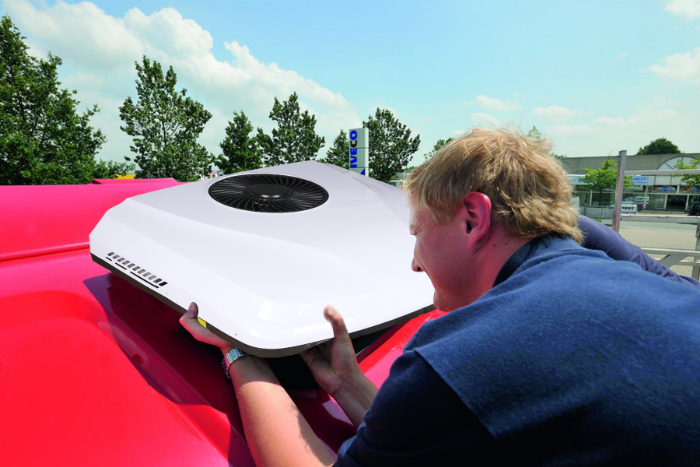
Many truck owners focus entirely on amp-hour ratings when evaluating runtime. Although battery capacity plays an important role, it represents only one element of the overall system.
A typical 24V 200Ah battery bank stores approximately:
24V × 200Ah = 4,800Wh
That figure may appear sufficient for overnight operation. However, usable energy is often lower because batteries should retain a reserve level to support engine starting and protect battery lifespan. Industry sizing guides commonly recommend calculating runtime based on usable energy rather than the battery's advertised capacity.
Drivers who overlook this factor frequently discover that actual runtime differs from theoretical calculations.
Modern integrated parking air conditioners typically operate between 400W and 700W during standard cooling conditions. Advanced inverter compressor technology can adjust output automatically according to cabin temperature, reducing unnecessary energy use.
A simplified example:
Estimated Runtime:
4,800 ÷ 500 = 9.6 hours
Real-world conditions rarely remain constant, though. Cooling demand changes throughout the night as temperatures fall and cabin heat decreases.
This dynamic operation often extends runtime beyond what peak power figures might suggest.
Two trucks equipped with identical air conditioners may produce completely different overnight results.
Several environmental factors affect cooling demand:
A truck parked under intense afternoon sunlight can absorb substantial heat before the driver begins resting.
Interior temperatures may exceed 50°C (122°F), forcing the compressor to work harder during the initial cooling phase. Industry reports indicate that the "pull-down" stage generally consumes more energy than steady-state operation later in the evening.
Outdoor temperatures above 35°C create a heavier thermal load.
Higher heat levels require longer compressor operation and increase overall battery consumption.
Shaded parking areas can significantly reduce cabin heat accumulation.
Many experienced drivers use windshield shades or insulated curtains to decrease cooling demand before activating the system.
An efficient air conditioner cannot compensate for poor insulation indefinitely.
Cabin insulation influences:
Industry experts note that improved insulation often delivers greater runtime improvements than adding a small battery upgrade. Reflective window covers, thermal curtains, and properly sealed door gaskets can noticeably reduce power consumption.
A well-insulated sleeper cab allows the compressor to spend more time in low-power operation.
Older fixed-speed compressors generally operate at maximum output until reaching the target temperature.
Modern integrated systems increasingly use inverter compressors that continuously adjust cooling capacity.
Benefits include:
Some manufacturers report energy savings of 30% to 40% compared with conventional compressor designs.
This technology has become a major reason why overnight battery-powered cooling is now practical for many long-haul applications.
Actual runtime varies according to battery configuration and environmental conditions.
Several industry references suggest that a 24V system equipped with approximately 200Ah capacity can often provide 6 to 12 hours of cooling under normal operating conditions. Runtime may increase or decrease depending on temperature, insulation quality, and compressor efficiency.
Drivers operating in moderate nighttime temperatures generally experience longer operating periods than those parked in extremely hot climates.
Rather than asking whether a battery can run an air conditioner overnight, a more useful question is:
How much cooling load must the battery support during that specific night?
Small adjustments can produce noticeable gains.
Lowering cabin temperature before bedtime reduces the heavy startup cooling phase.
Many parking air conditioners include sleep or night settings that reduce compressor activity and fan speed.
Repairing worn door seals helps retain cooled air inside the cab.
Sunshades and insulated curtains decrease thermal load throughout the day.
A healthy battery bank delivers more consistent performance and supports longer operating periods.
A single battery can support overnight cooling under certain conditions, but system design matters more than battery size alone.
An appropriately matched battery bank, efficient inverter compressor, insulated sleeper compartment, and reasonable ambient temperatures create a combination capable of supporting many hours of operation. Modern Integrated Parking Air Conditioner For Truck systems are increasingly designed around this balance, allowing drivers to rest comfortably without relying on continuous engine idling.
Rather than focusing exclusively on amp-hour numbers, evaluating the entire cooling ecosystem provides a much clearer picture of overnight performance. That approach often reveals that reliable all-night cooling is not determined by one component, but by how every component works together.
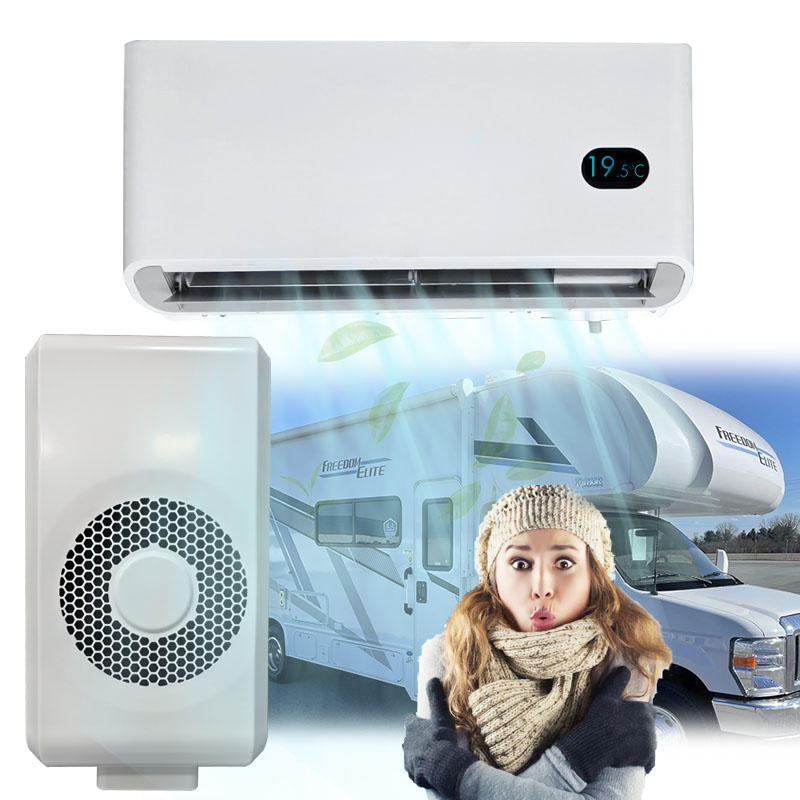 Portable Split Parking Air Conditioner for RV
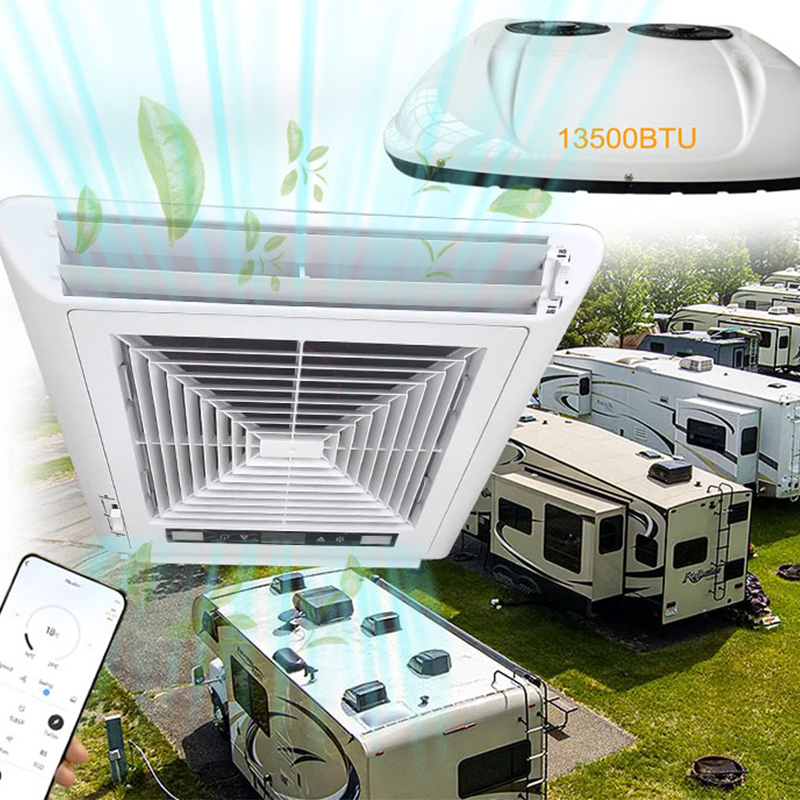 Portable Split Parking Air Conditioner for RV
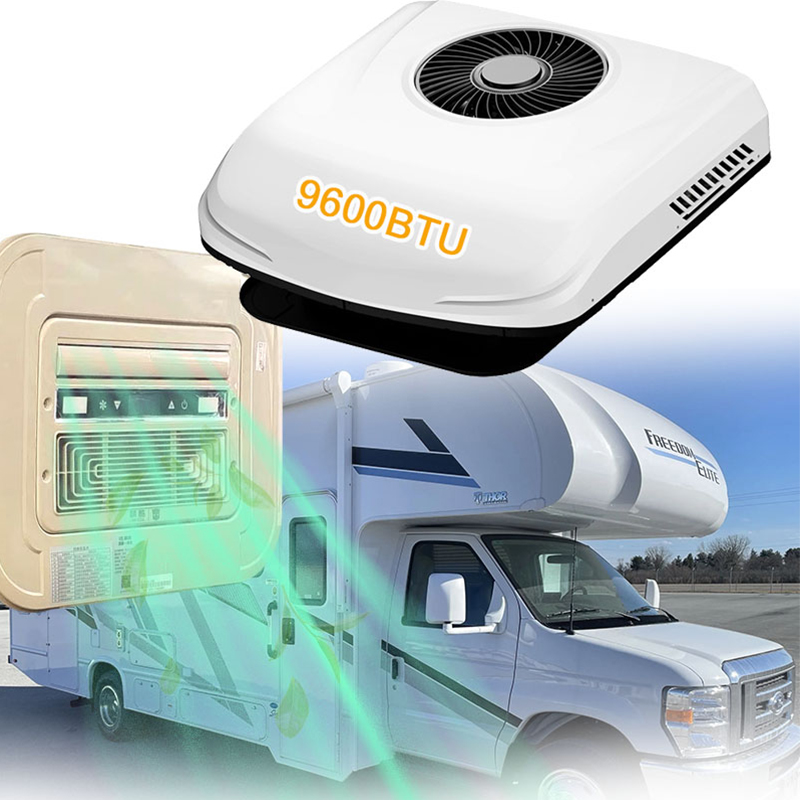 Portable Split Parking Air Conditioner for RV
 Hot Water Dispenser
 Outdoor Freezer
 Outdoor Freezer
 Car Refrigerator
 Diesel Heater For Vehicles
+86-18657986688
sale@lkcool.net
Building B, No. 9 Liunan Road, Niubeijin Industrial Zone, Baiyang Street, Jinhua, Zhejiang, China


 English
 Español