Content
Long-distance drivers often question whether a rooftop system can still deliver stable cooling after hours of exposure to extreme sunlight. A Rooftop Parking Truck Tractor Air Conditioner is widely used on heavy-duty vehicles, yet its real performance under desert or high-temperature conditions remains a debated topic.
Concerns usually center on temperature resistance, airflow stability, and whether rooftop installation exposes the system to additional thermal stress compared with split configurations.
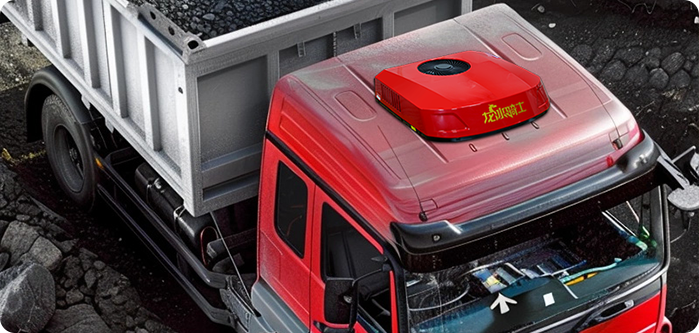
Cab roofs absorb direct solar radiation throughout the day. Metal surfaces can easily reach 60°C or higher in hot climates, especially in open desert routes or asphalt parking yards.
This heat transfers directly into the cabin structure, forcing the air conditioner to compensate for:
Field observations from transport operators show that rooftop systems often require an extended “cool-down phase” before stable airflow is achieved.
A common misunderstanding is that slower initial cooling indicates weak performance. In reality, rooftop systems must overcome accumulated thermal mass before reaching steady operation.
During this phase:
Once internal temperature stabilizes, cooling behavior becomes more consistent and power demand gradually decreases.
Rooftop positioning influences airflow geometry inside the truck cabin.
Key airflow characteristics include:
These patterns are linked to cabin shape rather than refrigeration capacity alone. Adjusting vent direction or adding auxiliary circulation fans often improves uniformity without changing system hardware.
Under ambient temperatures above 40°C, rooftop systems enter high-load operation more frequently.
Observed behavior under extreme heat:
Industry testing data indicates that rooftop units maintain stable operation but may require more time to reach target cabin temperature compared with shaded environments.
Rooftop systems integrate all major components on top of the cab, creating a compact configuration.
This structure introduces both advantages and trade-offs:
Despite exposure concerns, sealed rooftop designs are widely adopted because installation remains straightforward and cabin interior modifications are minimal.
Users often report uneven cooling even after system stabilization. This perception usually comes from environmental and cabin factors rather than equipment malfunction.
Common influencing conditions:
Even a high-capacity system can feel inconsistent under these combined loads.
During continuous high-temperature operation, rooftop systems typically shift into a balanced cycle mode:
This adaptive behavior is designed to maintain comfort rather than maintain constant maximum output.
Real-world performance depends heavily on external environment rather than theoretical cooling ratings.
Under typical long-haul conditions:
Driver experience often confirms that environmental shielding plays as much role as system capacity.
Rooftop cooling systems continue to be widely adopted because of their structural simplicity and integrated design. However, performance perception varies greatly depending on heat exposure, cabin insulation, and airflow distribution inside the vehicle.
Rather than evaluating the system purely by cooling power, real-world conditions reveal that thermal load management and cabin structure interaction define the actual comfort level inside parked trucks.
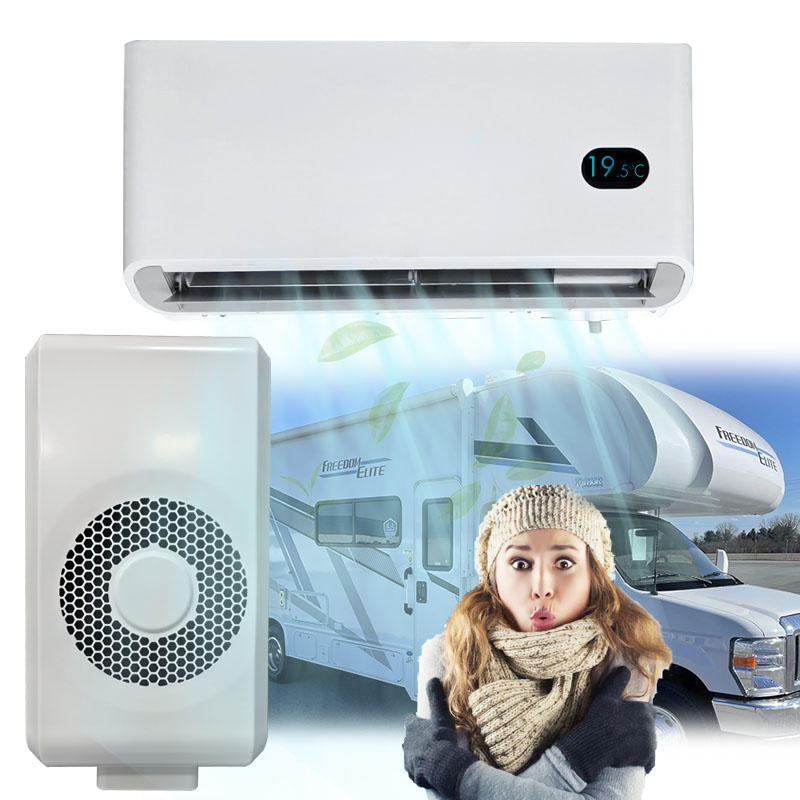 Portable Split Parking Air Conditioner for RV
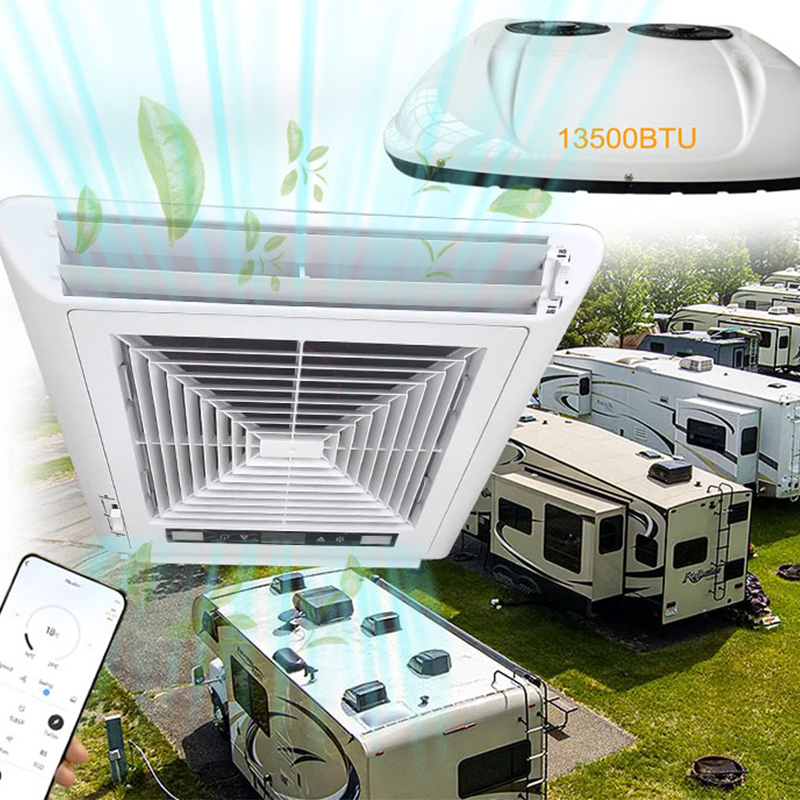 Portable Split Parking Air Conditioner for RV
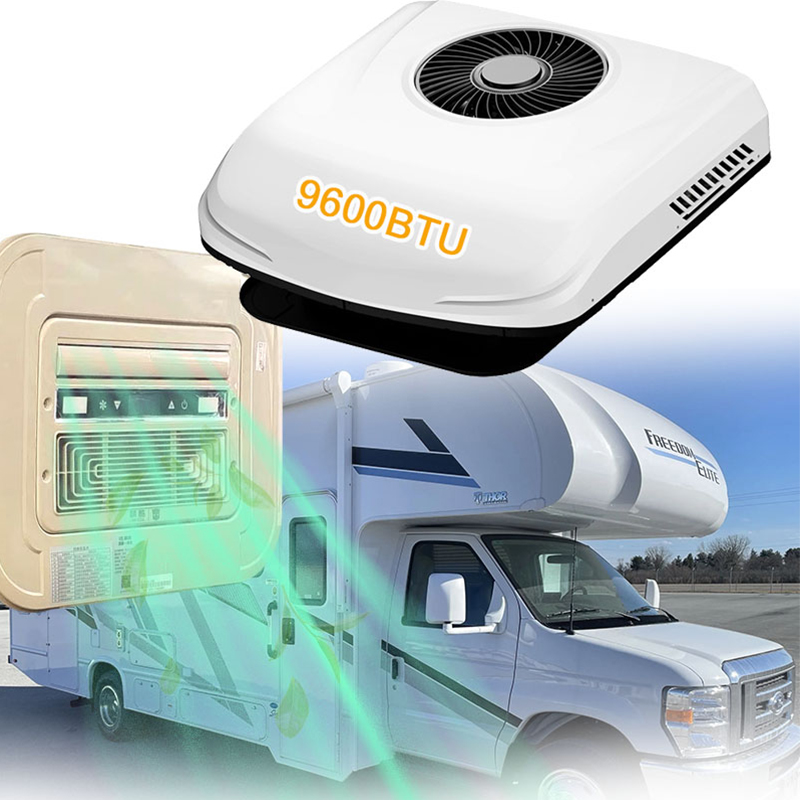 Portable Split Parking Air Conditioner for RV
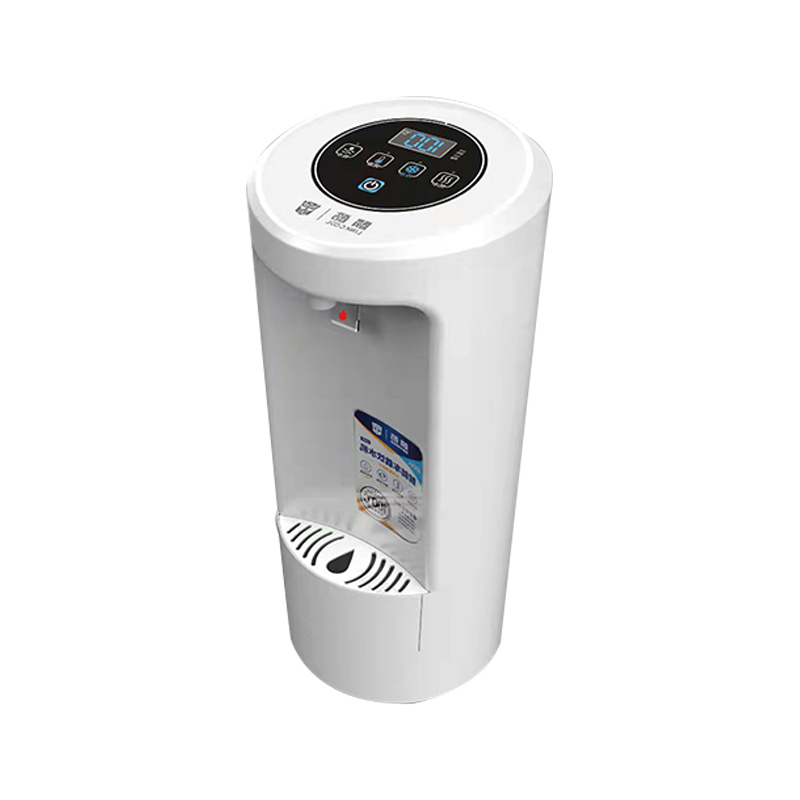 Hot Water Dispenser
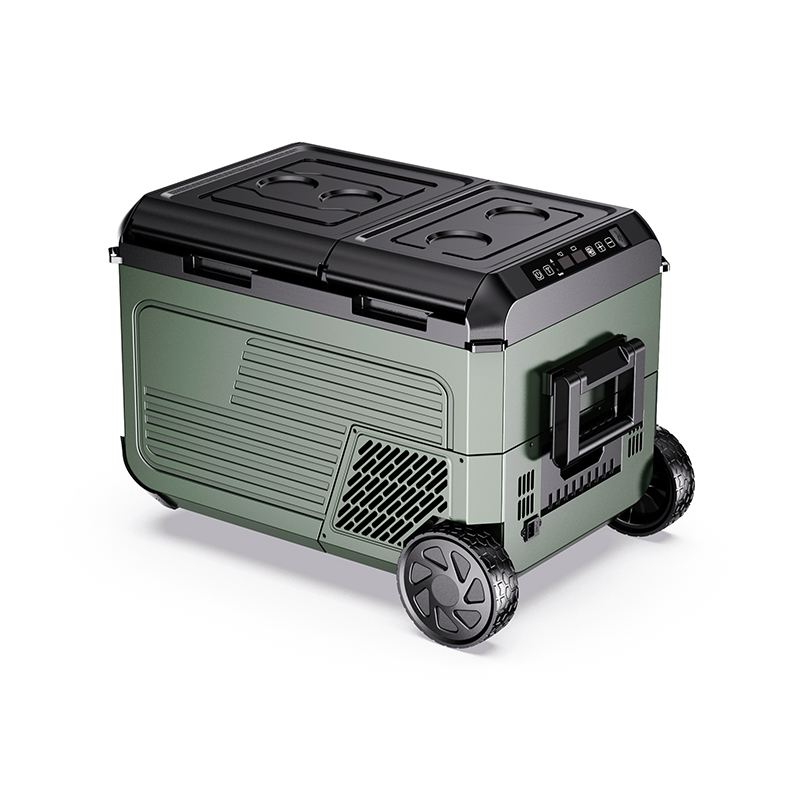 Outdoor Freezer
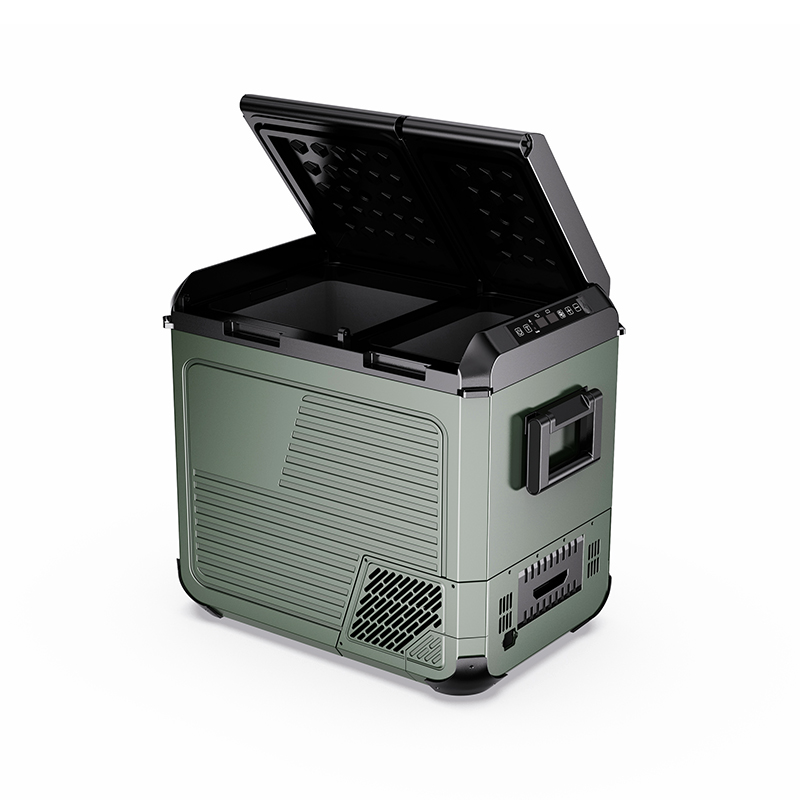 Outdoor Freezer
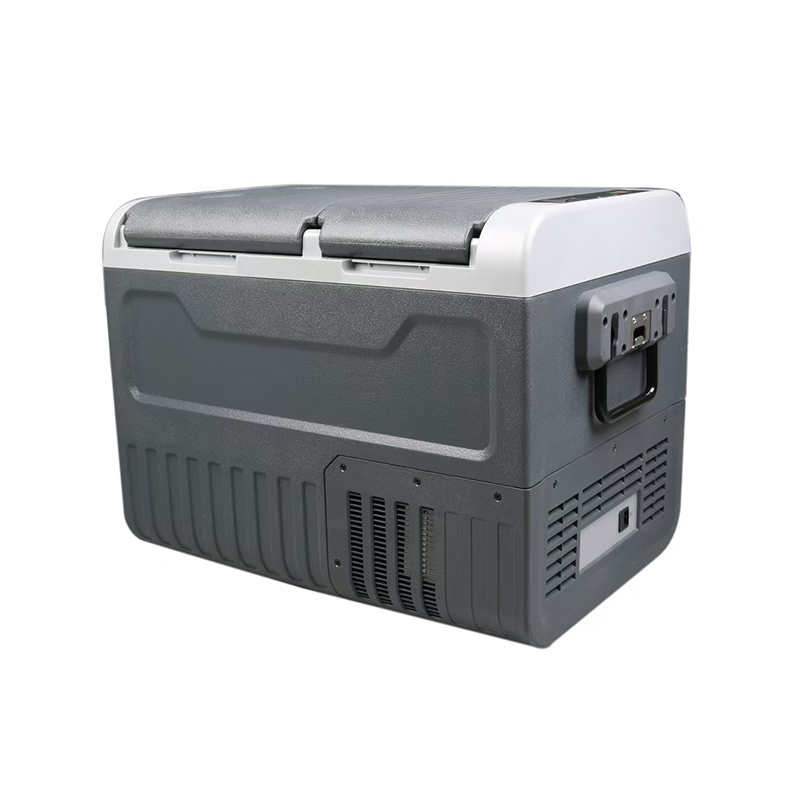 Car Refrigerator
 Diesel Heater For Vehicles
+86-18657986688
sale@lkcool.net
Building B, No. 9 Liunan Road, Niubeijin Industrial Zone, Baiyang Street, Jinhua, Zhejiang, China


 English
 Español