Content
Truck drivers often choose a Strong Cooling Truck Parking Air Conditioner expecting rapid cabin temperature drop even under harsh outdoor conditions. However, real-world feedback from long-haul users shows a recurring confusion: cooling output appears strong on paper, yet cabin comfort does not always match expectations.
This gap between specification and perception raises an important question:
Why does high cooling capacity sometimes feel underwhelming inside the truck cabin?
The answer is rarely related to a single component. Instead, multiple environmental and structural factors interact with the system during operation.
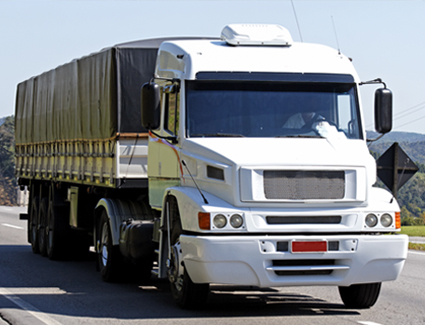
Cooling capacity is usually measured in BTU or wattage, but these numbers assume controlled laboratory conditions.
Inside an actual truck cabin:
Even a high-output system must work against continuous thermal gain rather than a static environment.
Industry discussions frequently highlight that perceived cooling strength depends more on heat load balance than raw BTU rating alone.
After long parking periods under sunlight, cabin materials absorb significant thermal energy.
Typical heat retention sources include:
During early operation, a large portion of cooling capacity is used to neutralize this stored heat rather than immediately lowering air temperature.
This creates the impression of “weak cooling” during startup even though system output remains normal.
Airflow behavior inside truck cabins is not uniform.
Common airflow patterns include:
This mixing effect often causes drivers to feel temperature differences depending on seating position.
Some users report cold airflow near vents while other areas remain noticeably warmer, even under continuous operation.
A parked truck exposed to sunlight continues to absorb heat even while the air conditioner is running.
Key solar influences:
Under these conditions, cooling systems operate in a dynamic environment where heat gain never fully stops.
This creates a scenario where strong cooling output is counterbalanced by continuous thermal input.
Cabin sealing plays a major role in perceived cooling strength.
Common leakage points:
Even small air leaks allow warm external air to enter while cooled air escapes, forcing the system to compensate continuously.
Field reports from fleet operators show that sealing improvements often produce more noticeable comfort gains than equipment upgrades alone.
Modern parking air conditioners adjust compressor activity dynamically.
During operation:
These fluctuations can be misinterpreted as inconsistent cooling, even though they reflect normal control logic.
Stable cabin comfort depends on balance between compressor output and heat inflow rather than constant maximum operation.
Truck environments expose cooling systems to dust, road debris, and airborne particles.
Common effects include:
Research on heavy-duty HVAC systems shows that environmental contamination gradually reduces heat dissipation efficiency, especially in high-dust routes or construction zones.
This directly influences how “strong cooling” is perceived during extended operation.
Many drivers notice stronger cooling performance during motion compared to parking mode.
Reasons include:
This explains why identical systems may feel significantly different depending on whether the truck is stationary or moving.
A Strong Cooling Truck Parking Air Conditioner is capable of delivering high output, yet cabin experience depends on how heat enters, moves, and accumulates inside the vehicle.
Thermal load, air distribution, sealing quality, and environmental exposure all interact simultaneously, shaping the final comfort level perceived by drivers.
Rather than judging performance solely by cooling capacity figures, real-world conditions reveal that cabin design and heat management behavior define how “strong cooling” is actually experienced during rest periods.
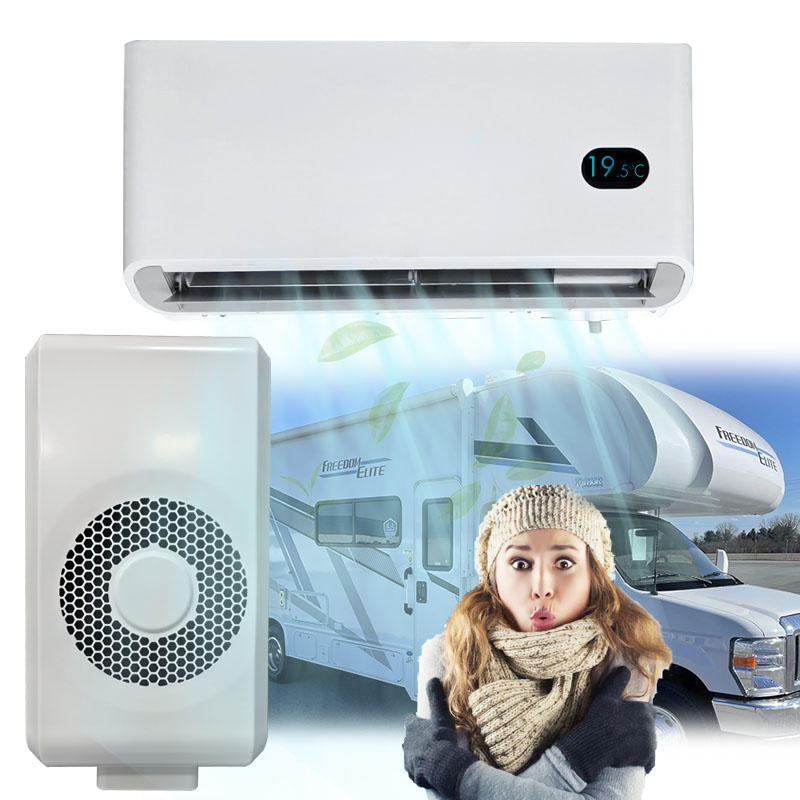 Portable Split Parking Air Conditioner for RV
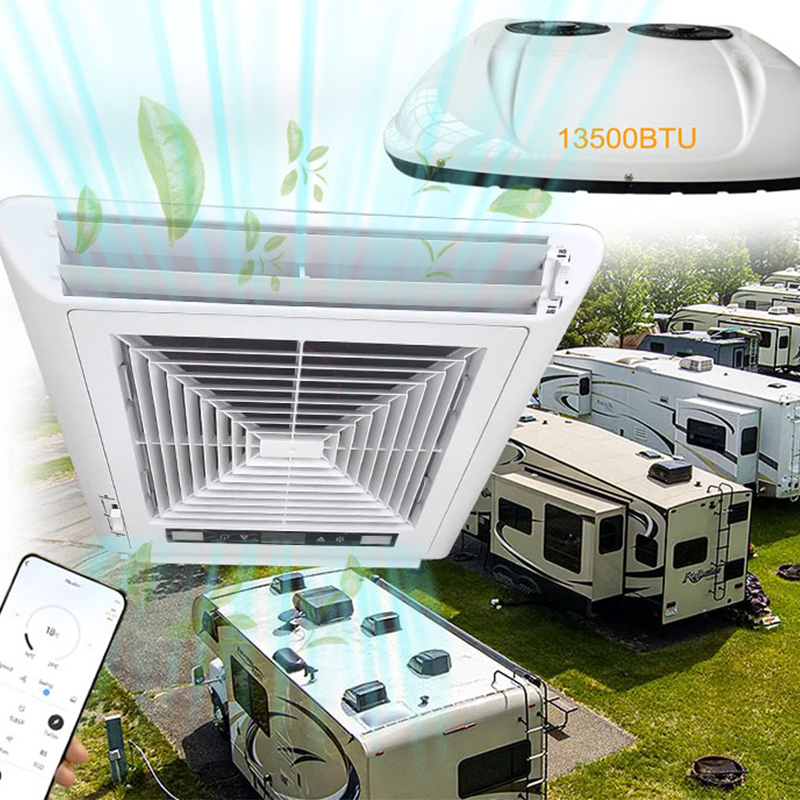 Portable Split Parking Air Conditioner for RV
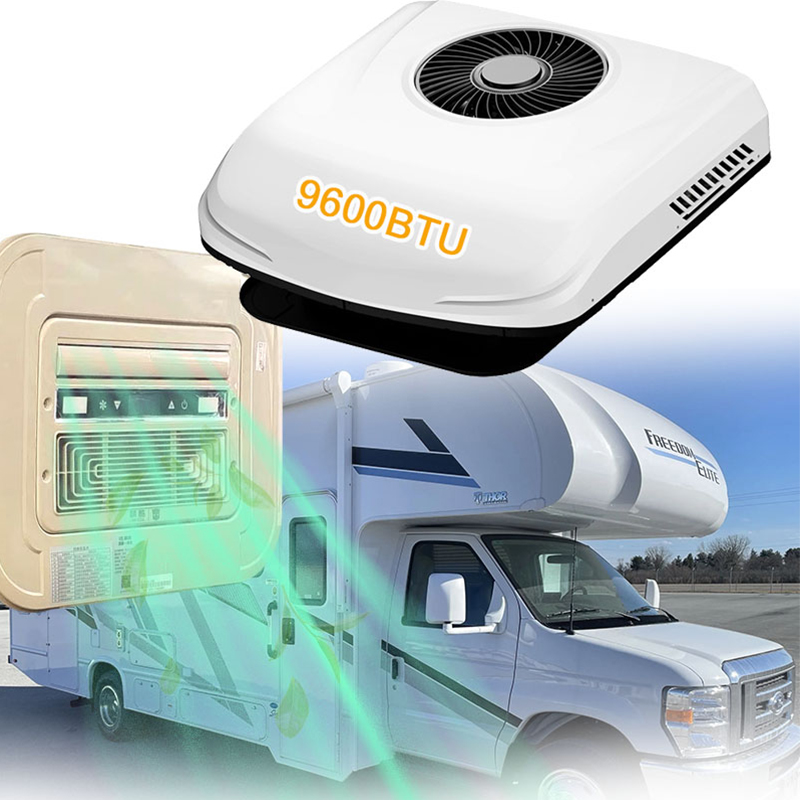 Portable Split Parking Air Conditioner for RV
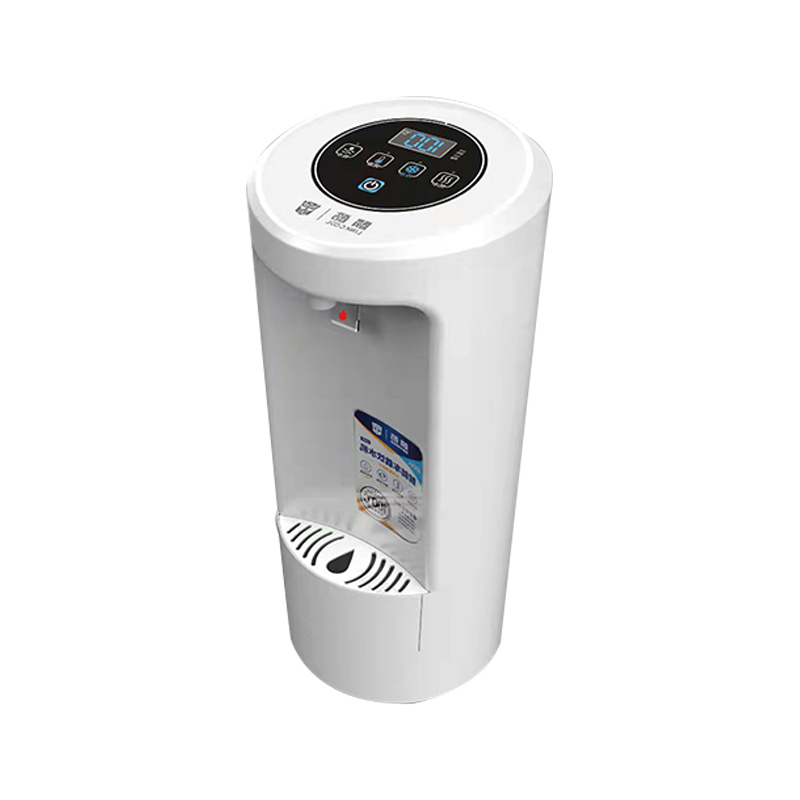 Hot Water Dispenser
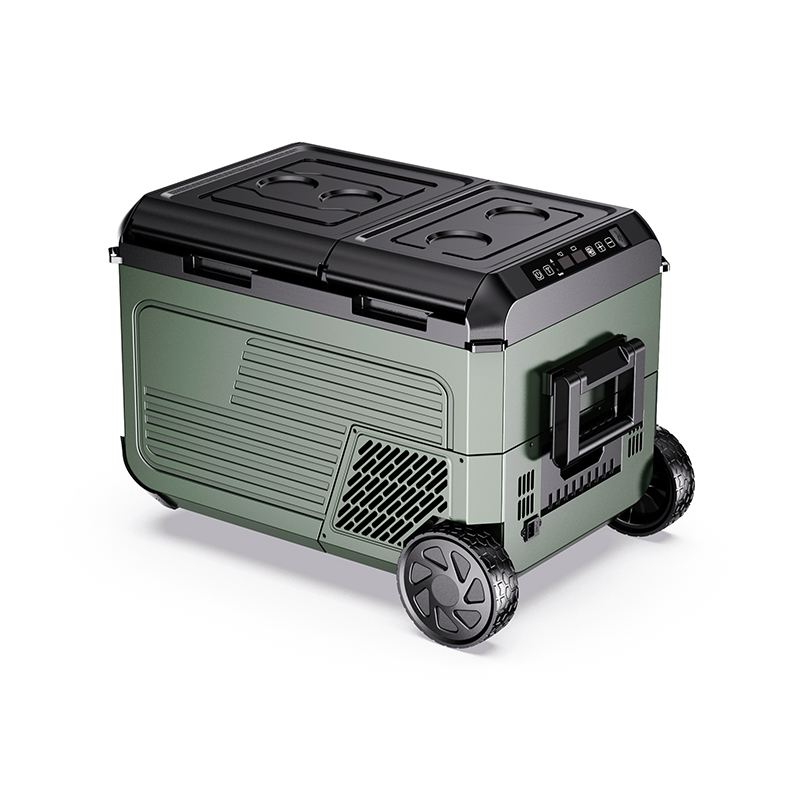 Outdoor Freezer
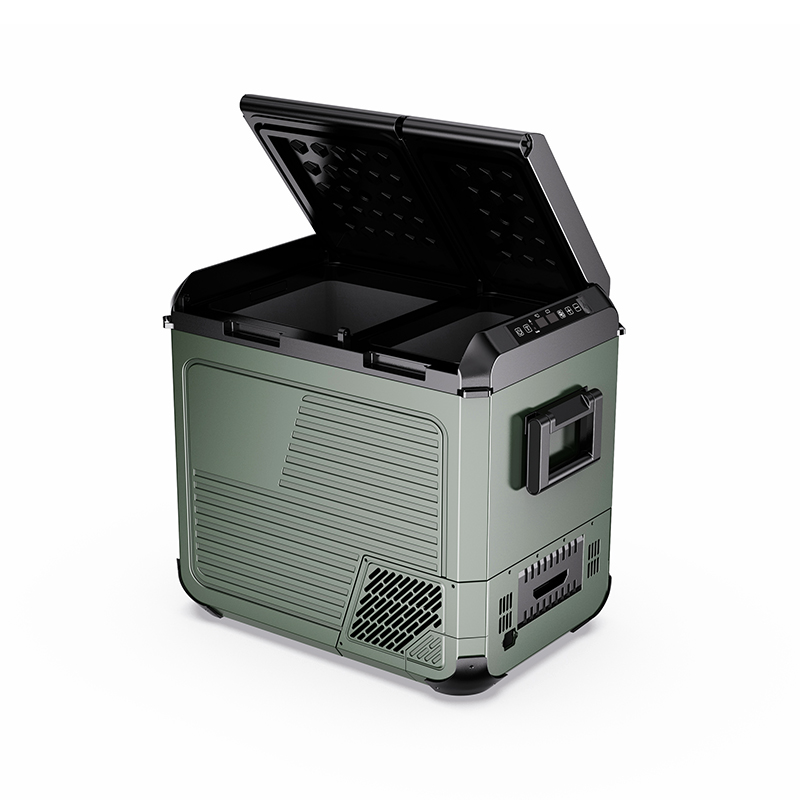 Outdoor Freezer
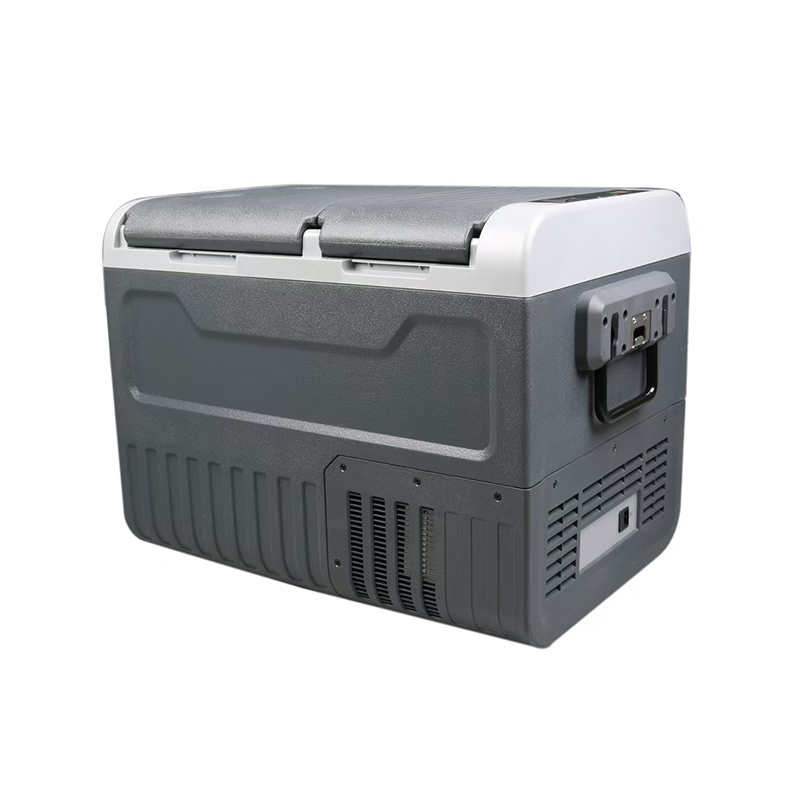 Car Refrigerator
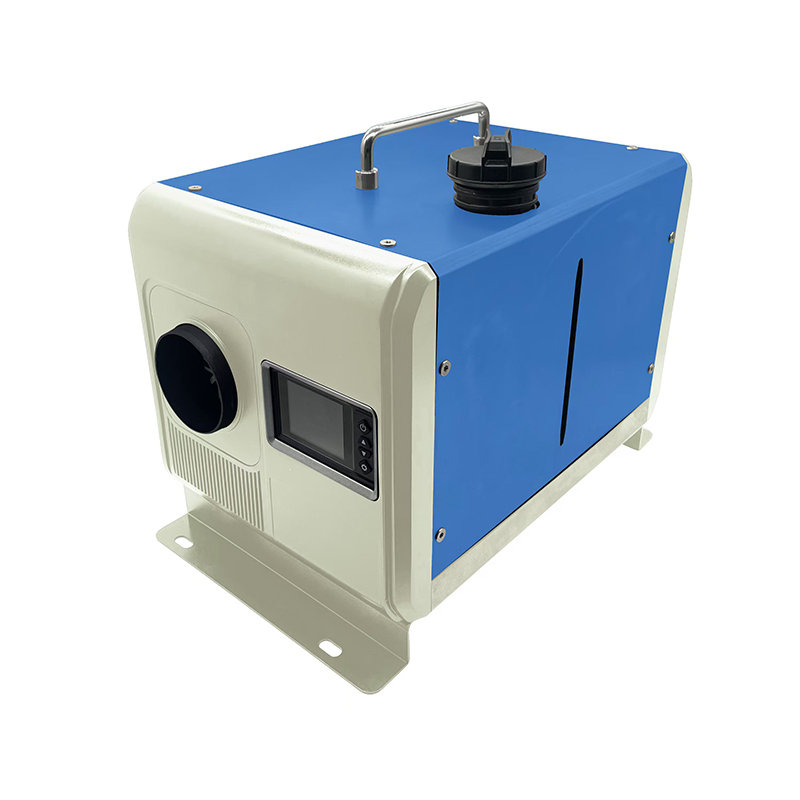 Diesel Heater For Vehicles
+86-18657986688
sale@lkcool.net
Building B, No. 9 Liunan Road, Niubeijin Industrial Zone, Baiyang Street, Jinhua, Zhejiang, China


 English
 Español