Content
Compact cooling systems are becoming a popular topic among long-distance drivers and RV travelers who want flexible climate control without bulky roof equipment. A Parking Cooler Mini RV Air Conditioner is often promoted as a space-saving alternative, yet real-world users continue to question its actual capability.
A key concern keeps appearing across driver discussions and field feedback:
Can a mini RV cooling system truly replace a rooftop air conditioner in long-hour parking conditions?
The answer depends on usage environment, cabin size, airflow design, and power configuration rather than the product category alone.
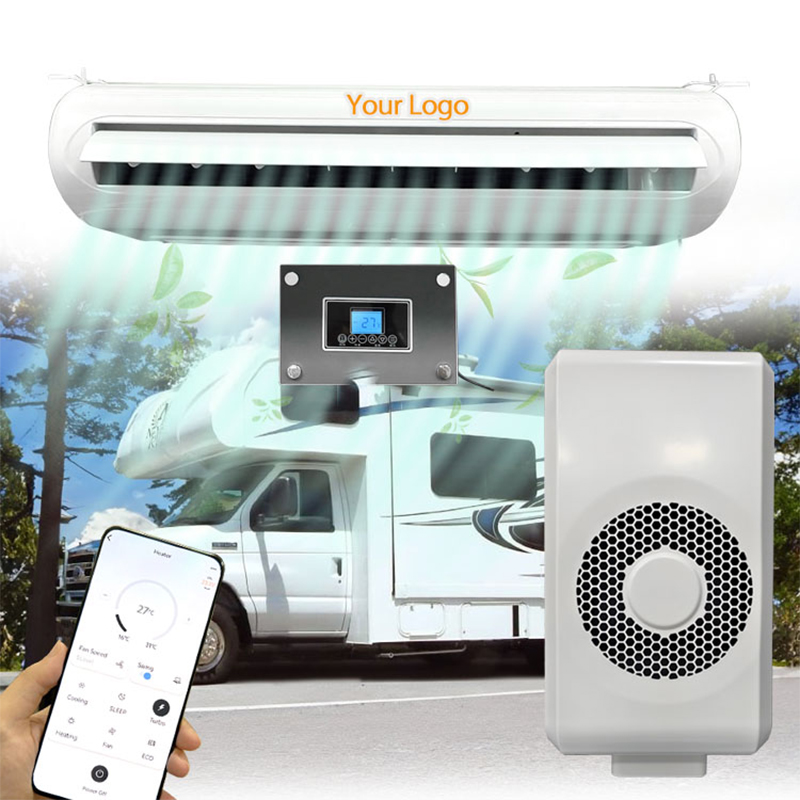
Mini RV air conditioners are designed around reduced size and simplified installation. Their compact structure allows placement in limited spaces, but cooling distribution behaves differently compared to rooftop systems.
Typical characteristics include:
This design makes them suitable for localized comfort but not always optimized for full-cabin temperature balance in larger sleeper spaces.
Cabin volume plays a major role in performance perception.
Observed behavior patterns:
Air circulation efficiency becomes a limiting factor before raw cooling power is fully utilized.
Industry comparisons often highlight that airflow architecture is as important as compressor output in compact systems.
Unlike rooftop systems that distribute air from above, mini RV coolers may be installed in side panels, rear compartments, or under-seat spaces.
Each position changes airflow dynamics:
These variations often explain why identical units produce different comfort results across different vehicles.
Smaller systems are often assumed to consume significantly less energy, but real usage depends on compressor type and runtime cycle.
Typical operational behavior includes:
Some modern inverter-based designs improve consistency by adjusting compressor speed rather than switching on and off repeatedly, helping stabilize energy use over time.
One noticeable difference between mini RV systems and rooftop units is noise location.
Mini systems tend to:
Rooftop systems, by contrast, shift most mechanical noise outside the cabin envelope, leaving only airflow sound inside.
This difference becomes more noticeable during sleep hours rather than daytime operation.
User feedback from RV and truck communities often highlights a gap between advertised portability and real-world comfort.
Common observations include:
Community discussions also show that some users initially adopt mini systems expecting full replacement of rooftop units, but later adjust expectations toward supplemental cooling usage rather than full substitution.
Despite the rise of compact alternatives, rooftop air conditioners remain widely used in trucks and RVs due to structural advantages.
Key reasons include:
However, rooftop units come with trade-offs such as roof load, aerodynamic drag, and installation constraints, which drives interest in compact alternatives.
Mini RV cooling systems perform best under specific conditions:
Replacement scenarios become less realistic in:
In these cases, mini systems often function better as auxiliary cooling rather than full-system substitution.
A Parking Cooler Mini RV Air Conditioner introduces flexibility and installation convenience, yet its effectiveness depends heavily on how the vehicle manages heat distribution and airflow.
Instead of viewing it as a direct replacement for rooftop systems, real-world usage patterns show it fits more naturally as a targeted cooling solution within specific cabin environments. The final comfort outcome is shaped less by product category and more by how the entire cabin handles heat, circulation, and insulation together.
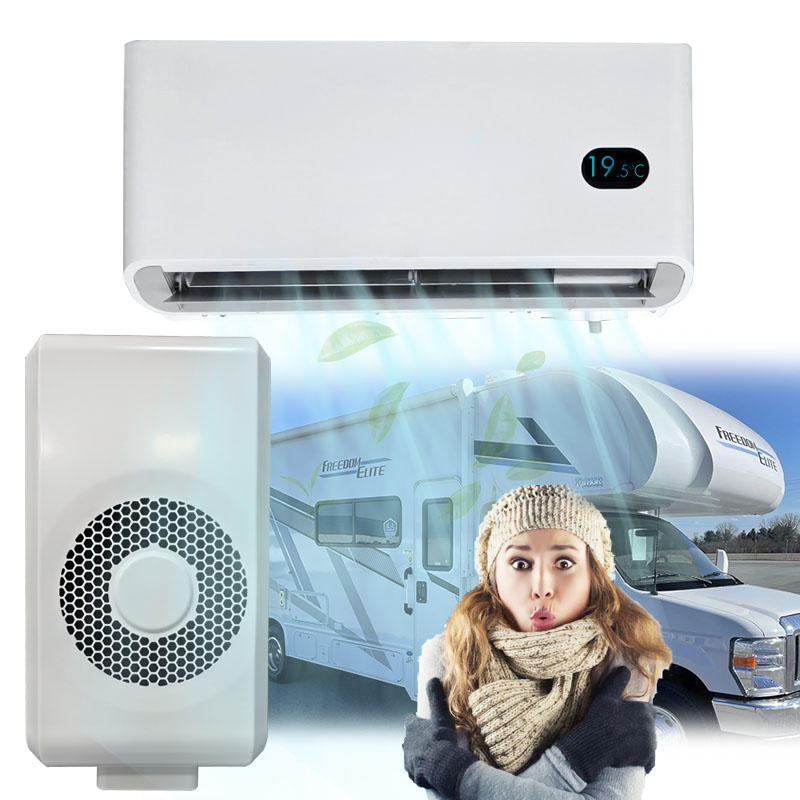 Portable Split Parking Air Conditioner for RV
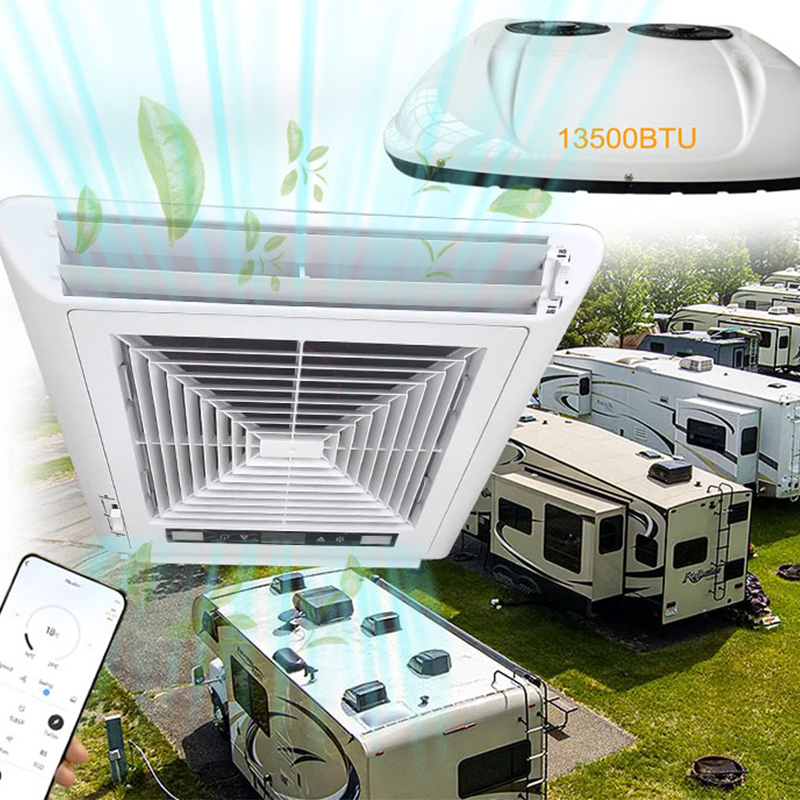 Portable Split Parking Air Conditioner for RV
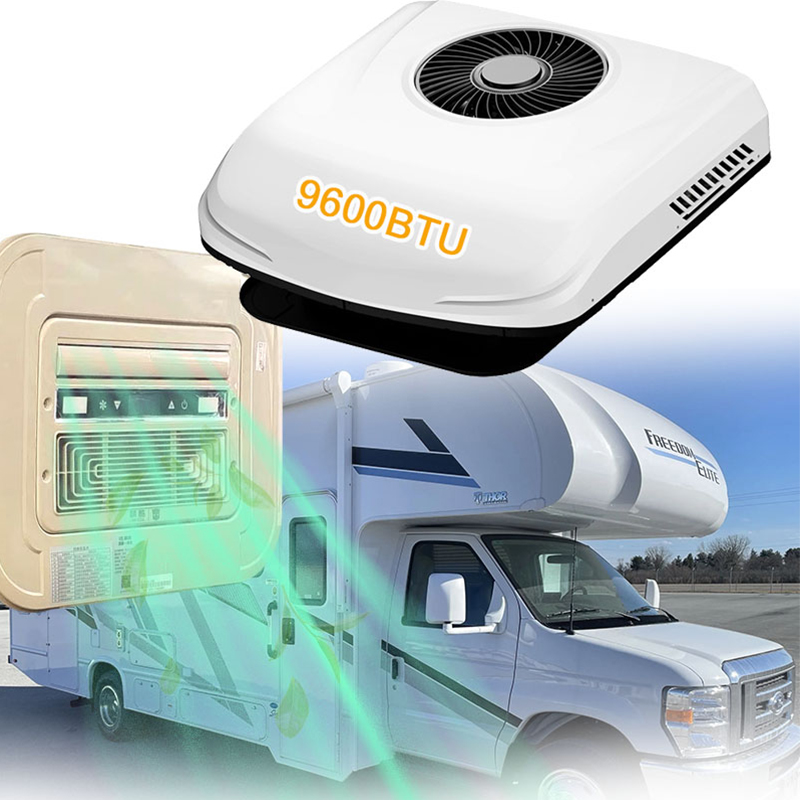 Portable Split Parking Air Conditioner for RV
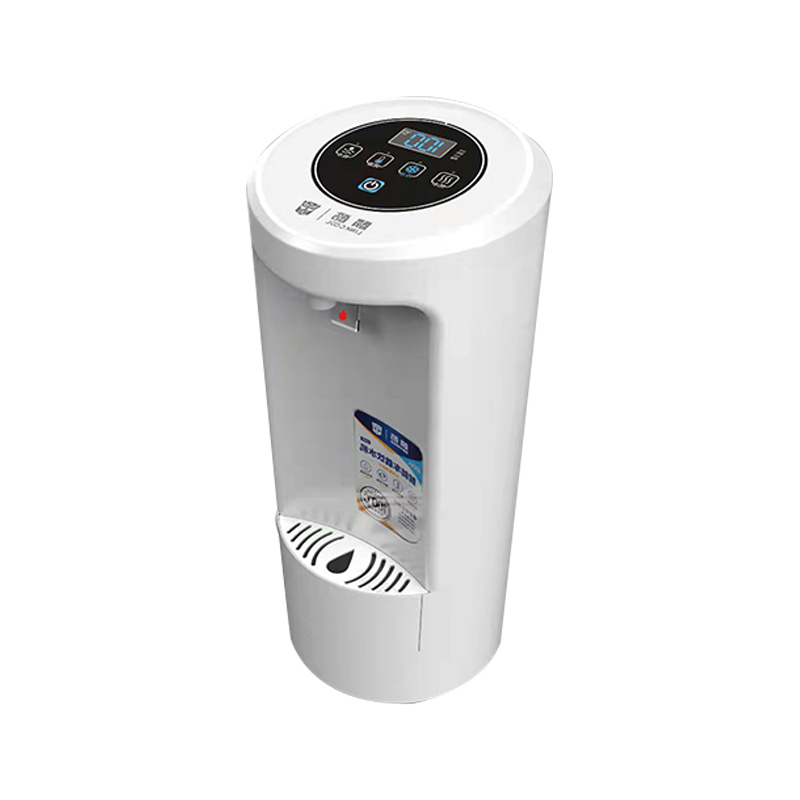 Hot Water Dispenser
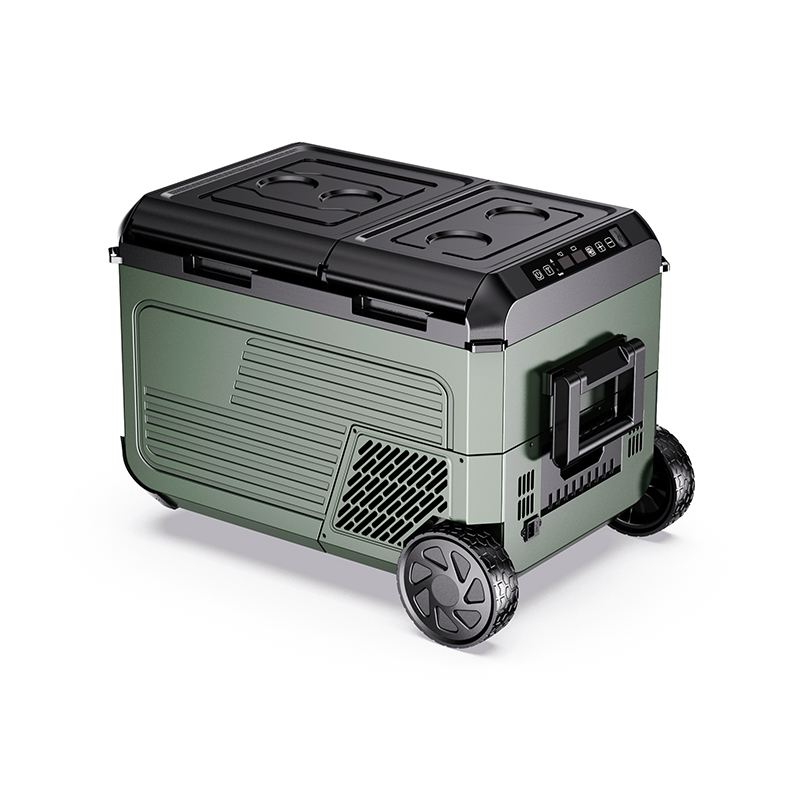 Outdoor Freezer
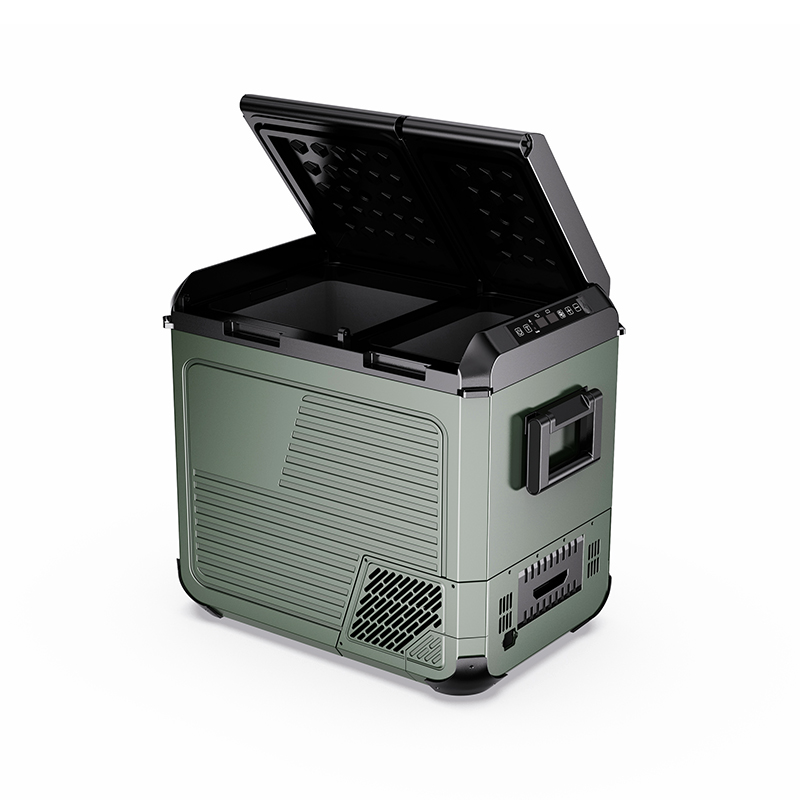 Outdoor Freezer
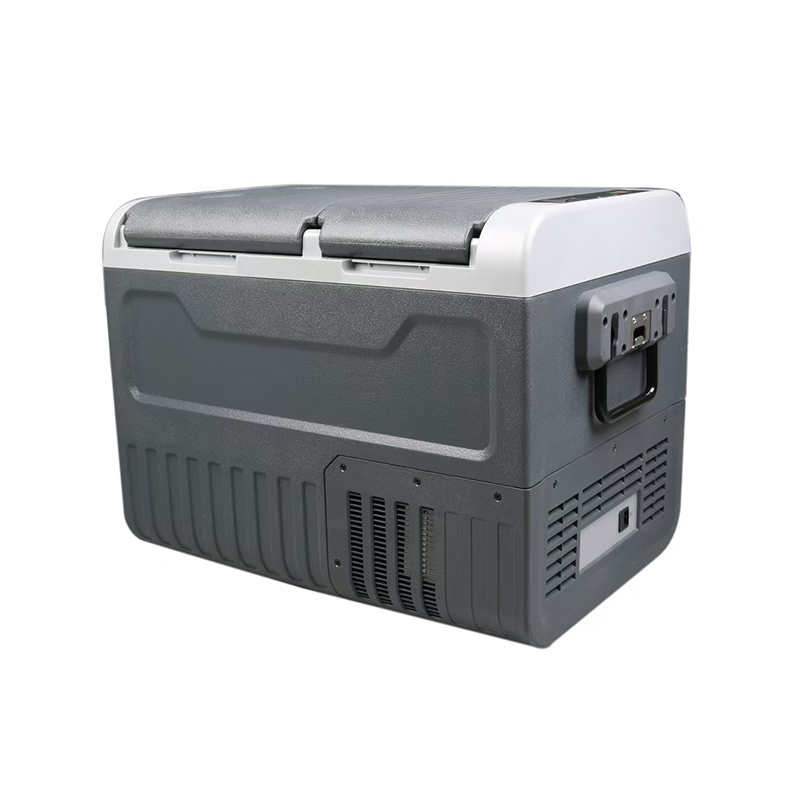 Car Refrigerator
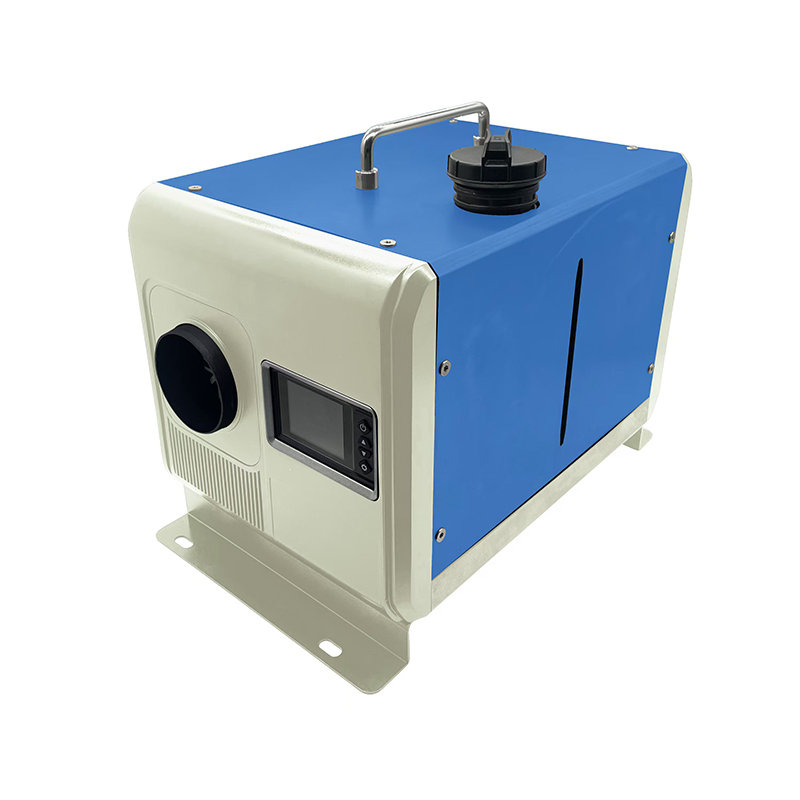 Diesel Heater For Vehicles
+86-18657986688
sale@lkcool.net
Building B, No. 9 Liunan Road, Niubeijin Industrial Zone, Baiyang Street, Jinhua, Zhejiang, China


 English
 Español