Content
Long-haul trucking has entered a phase where driver comfort, fuel cost control, and idle regulations collide. Traditional engine idling for cabin cooling is increasingly restricted, pushing demand toward electric rooftop systems such as Rooftop Parking Truck Tractor Air Conditioner solutions designed to operate independently from the engine.
Yet a key question remains: can these rooftop units truly handle overnight and multi-hour idle conditions in real highway environments, especially under extreme heat and limited battery reserves?
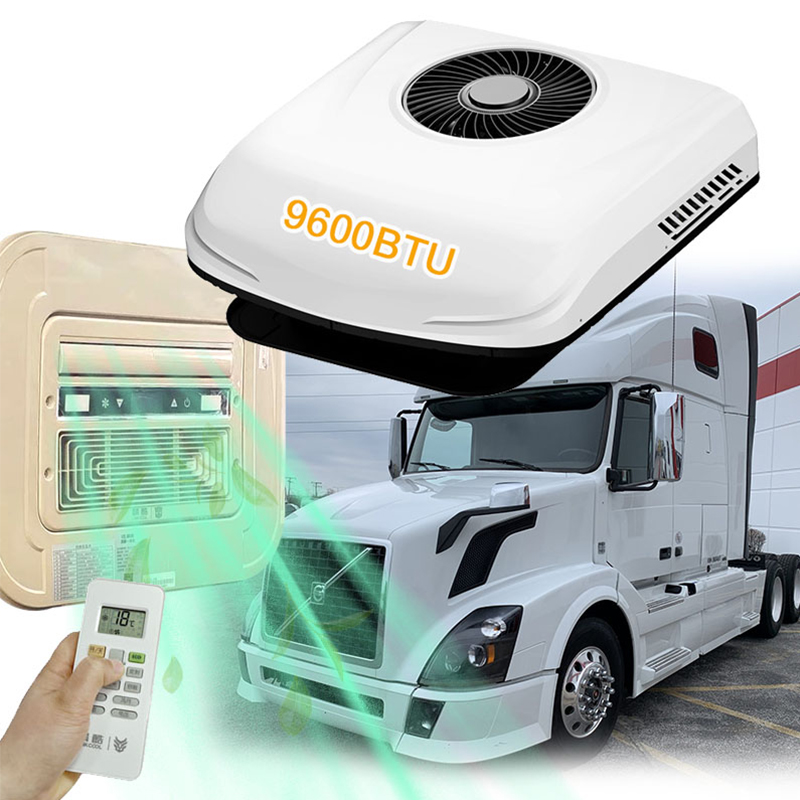
Truck cabins historically relied on engine-driven compressors. That model changes rapidly as DC-powered parking systems gain adoption.
Industry data shows modern DC parking AC units typically operate around 650W–900W rated power consumption, depending on compressor design and cabin size requirements.
Rooftop systems are not evaluated only by cooling output but by energy balance over time. That balance defines real-world usability during long stops.
| Parameter | Typical Range | Impact on Idle Use |
| Cooling capacity | 7500–9000 BTU | Cab temperature stabilization under hot ambient conditions |
| Power consumption | 650–900W | Directly determines battery runtime |
| Airflow | 400–450 m³/h | Cab heat removal speed |
| Noise level | 38–52 dB | Driver sleep quality in sleeper cabs |
Battery-backed systems using lithium packs between 200Ah and 400Ah at 24V can typically support 8–10 hours of cooling under optimized conditions.
Even advanced rooftop systems face constraints tied to electrical storage density and environmental load.
Real-world tests show that energy consumption is not linear. Heat soak in parked trucks can increase compressor load by 20–35% during peak afternoon cooling demand.
Parking AC systems are commonly split into rooftop integrated and split-type architectures. Each responds differently under idle stress conditions.
| System Type | Strength | Idle Performance Trait |
| Rooftop integrated unit | Compact installation | Higher vibration exposure but simpler power routing |
| Split parking AC | Lower cabin noise | More stable airflow distribution over long rest cycles |
Split configurations are often preferred in sleeper cabs due to reduced acoustic fatigue during overnight operation, especially when runtime extends beyond 8 hours.
One of the central engineering debates is the mismatch between stored electrical energy and continuous cooling demand.
However, real-world inefficiencies—compressor cycling, heat infiltration, and inverter losses—reduce effective runtime closer to the lower bound of that range.
Field usage reveals that rooftop parking AC systems perform differently depending on working context rather than laboratory conditions.
Systems using inverter-driven compressors demonstrate smoother load modulation, avoiding high surge cycles that drain batteries rapidly.
Fleet operators increasingly integrate rooftop electric AC systems into regulatory compliance strategies. The shift is no longer experimental; it is structural.
Adoption is especially visible in:
Within this context, Rooftop Parking Truck Tractor Air Conditioner systems are no longer auxiliary accessories but integrated energy-management components.
Rooftop parking air conditioning systems demonstrate strong readiness for long-haul idle conditions, but their effectiveness depends heavily on energy architecture rather than cooling hardware alone.
Battery capacity, compressor efficiency, and cabin thermal design collectively define whether overnight cooling remains stable or requires compromise. Current generation systems already support practical overnight operation, though extended multi-night idle scenarios still depend on enhanced lithium storage or hybrid charging support.
The trajectory is clear: electric rooftop AC systems are transitioning from supportive comfort tools into core infrastructure for modern long-haul truck operation.
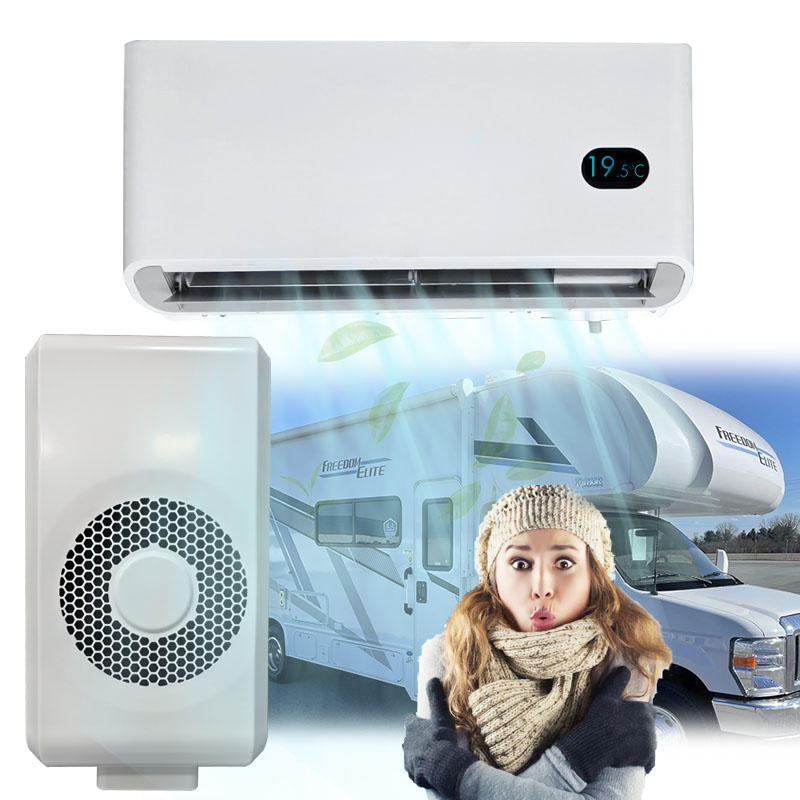 Portable Split Parking Air Conditioner for RV
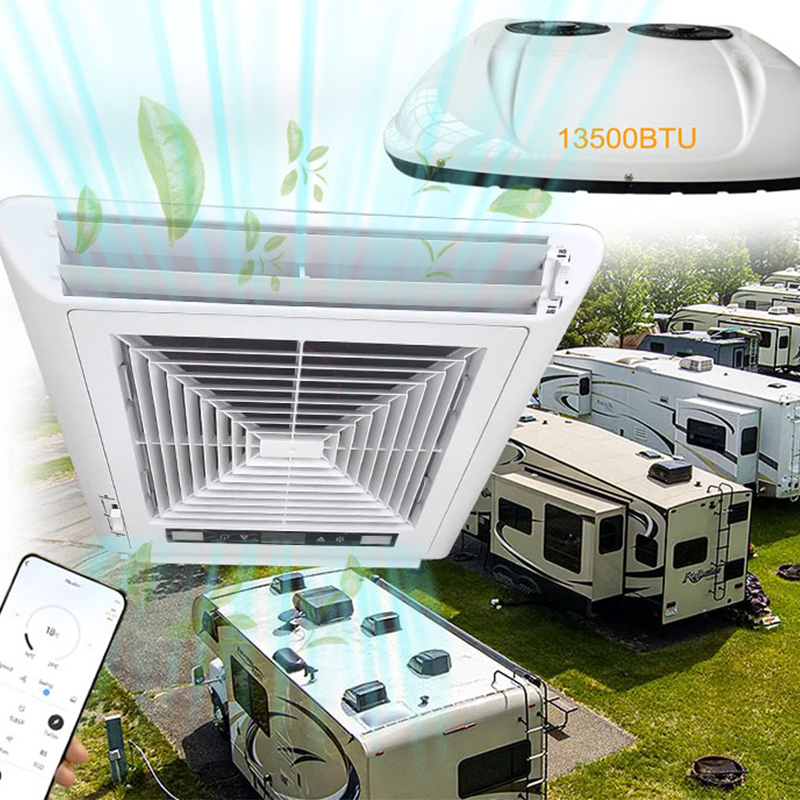 Portable Split Parking Air Conditioner for RV
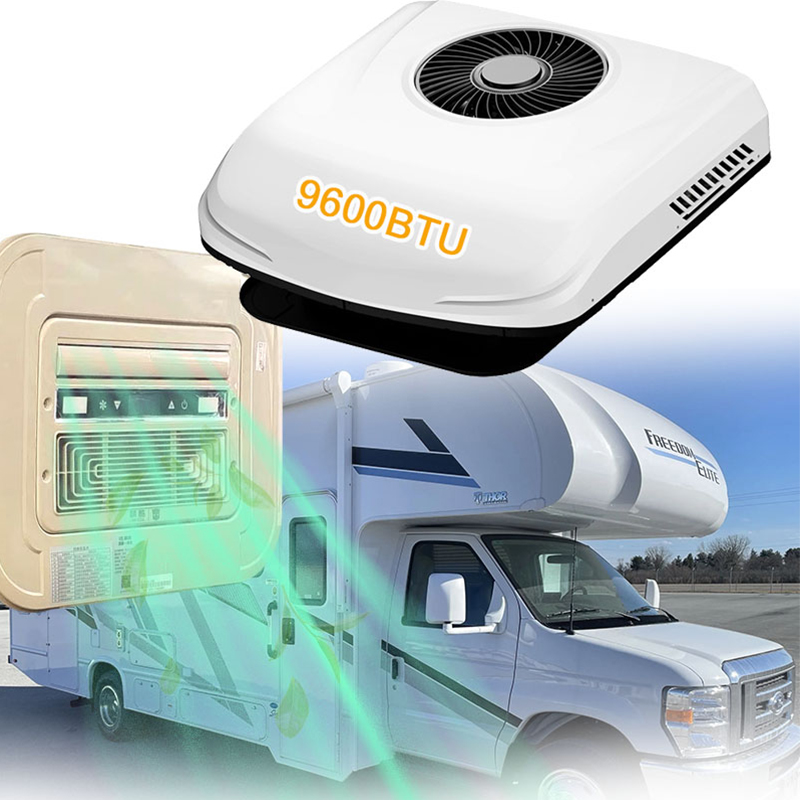 Portable Split Parking Air Conditioner for RV
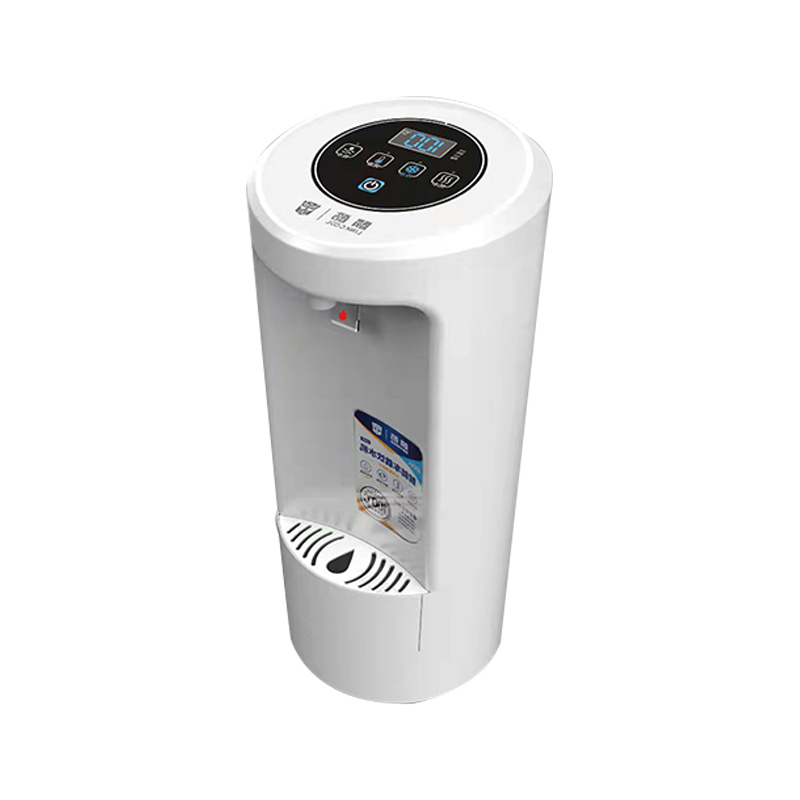 Hot Water Dispenser
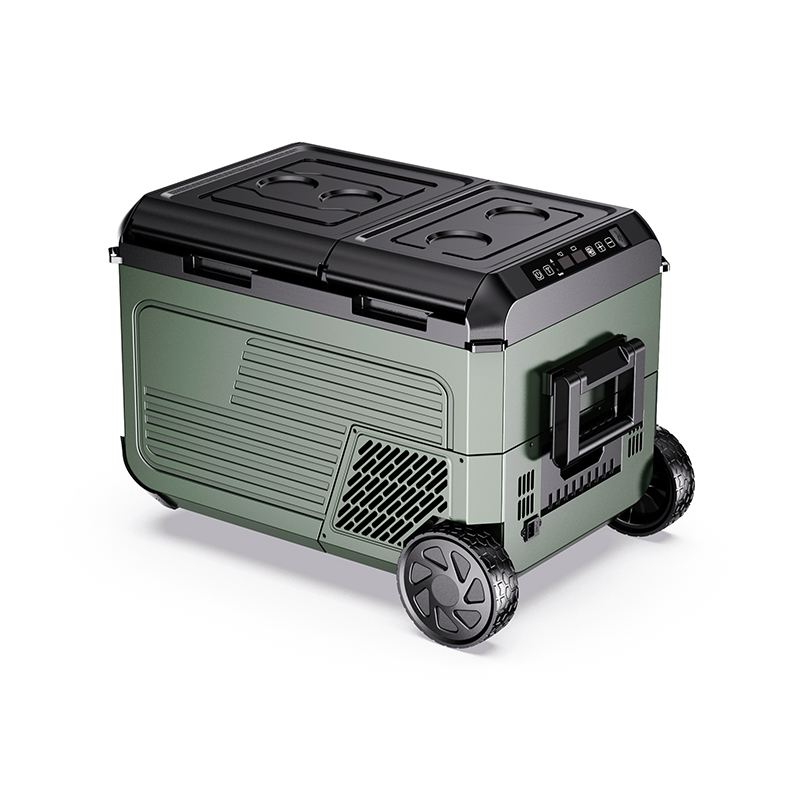 Outdoor Freezer
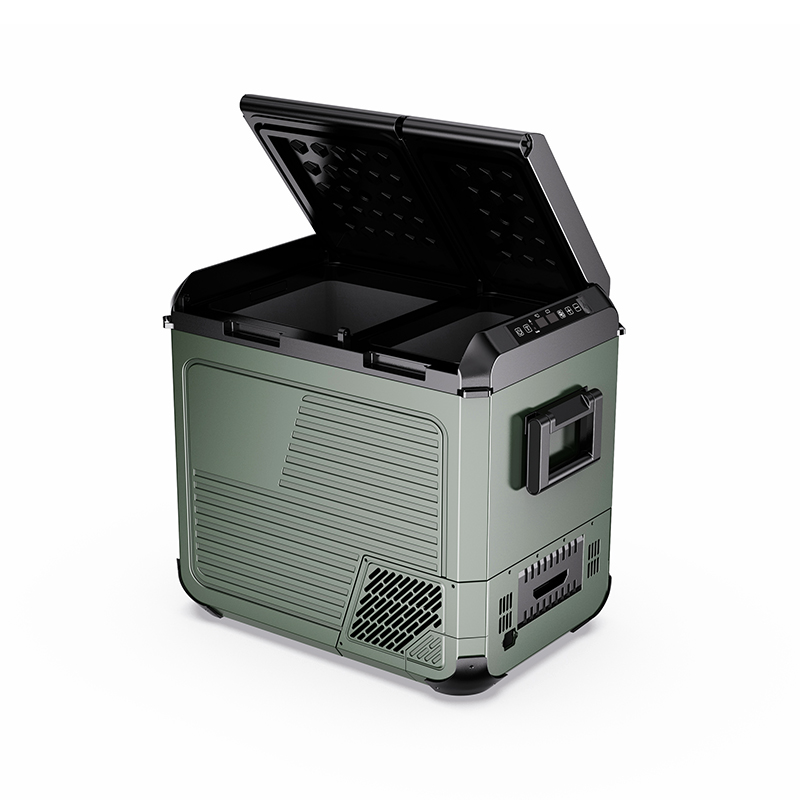 Outdoor Freezer
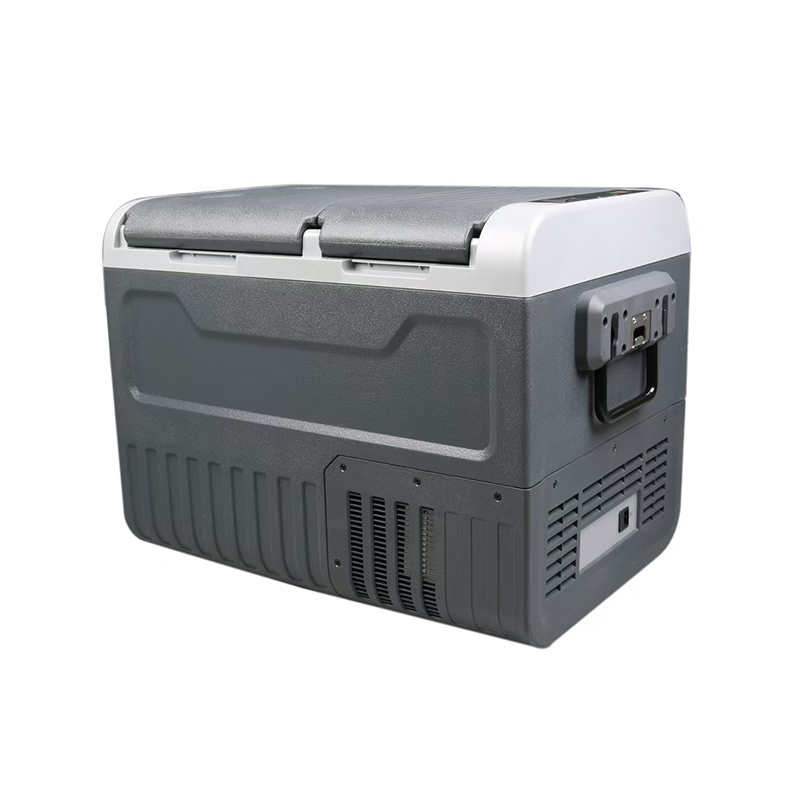 Car Refrigerator
 Diesel Heater For Vehicles
+86-18657986688
sale@lkcool.net
Building B, No. 9 Liunan Road, Niubeijin Industrial Zone, Baiyang Street, Jinhua, Zhejiang, China


 English
 Español