Content
Overnight cooling has become one of the key concerns among truck drivers, RV users, and off-grid vehicle owners. A parked vehicle needs stable temperature control during rest periods, yet running the engine for several hours creates fuel consumption, noise, and operational concerns.
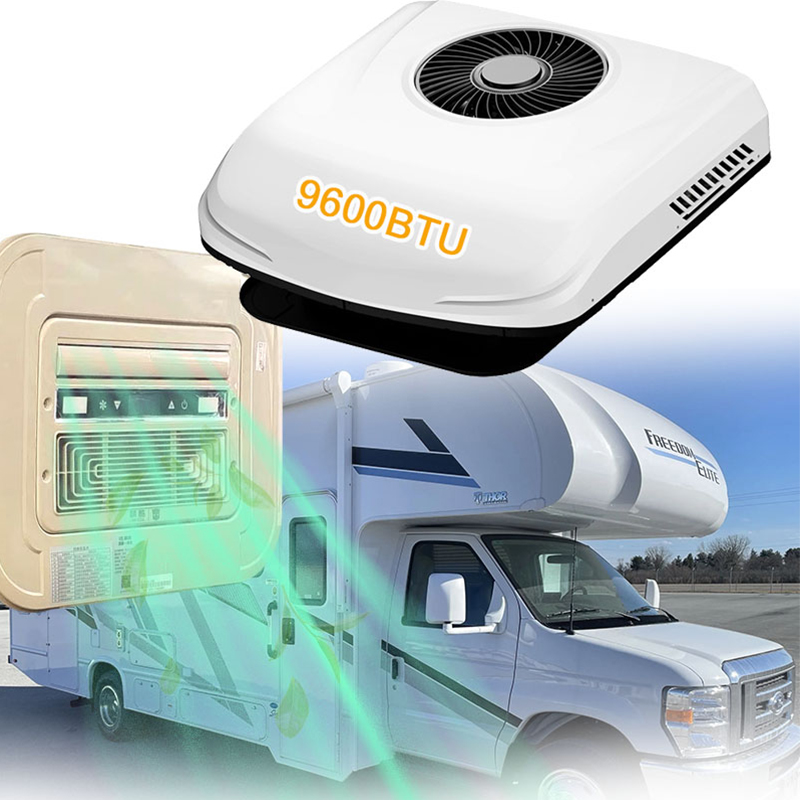
The development of the Electric Battery Powered Parking Air Conditioner has changed the way drivers approach cabin cooling. These systems use stored electrical energy instead of engine power, allowing vehicles to maintain a comfortable interior environment during long parking periods. However, the actual runtime depends on more than battery capacity alone. Battery size, compressor technology, weather conditions, and cabin insulation all influence overnight performance.
The simple formula behind battery-powered cooling is:
Runtime = Usable Battery Energy ÷ Average Air Conditioner Power Consumption
This calculation looks straightforward, but real operating conditions create variations. A parking AC unit does not always run at its rated power. After reaching the target temperature, the compressor may reduce output and enter a lower-energy operating cycle.
A 24V battery system with around 200Ah capacity stores approximately 4.8kWh energy. A parking AC consuming about 500W under average conditions may theoretically operate close to 9 hours, although practical runtime will vary due to energy losses and cooling demand changes.
Battery configuration remains the foundation of overnight operation. Different battery technologies provide different usable energy levels.
| Battery Type | Typical Capacity | Expected Cooling Application |
| AGM Battery | 200Ah–400Ah | Short to medium rest periods |
| LiFePO4 Battery | 200Ah–500Ah | Longer overnight operation with higher usable energy |
| Integrated Lithium Battery Pack | 1kWh–3kWh | Independent cooling systems and RV applications |
Lithium iron phosphate batteries are increasingly used with electric parking AC systems because they provide deeper discharge capability and longer cycle life compared with traditional lead-acid batteries. Some integrated parking systems use dedicated lithium packs ranging from 1kWh to 3kWh for extended operation.
Overnight runtime is not fixed throughout the year. Summer operation creates a different challenge compared with mild weather conditions.
Research and industry testing show that identical AC units can deliver different overnight results depending on parking location, ambient temperature, and cabin thermal conditions.
Modern DC parking air conditioners have improved through inverter compressors and optimized control systems. Instead of running continuously at full output, variable-speed compressors adjust cooling output according to cabin temperature.
| Specification | Typical Range |
| Voltage | DC 12V / 24V |
| Cooling Capacity | 2000W–3000W |
| Power Consumption | 400W–900W |
| Compressor Type | DC Rotary / Scroll / Inverter Compressor |
| Airflow | 300–650 m³/h |
Some 12V and 24V rooftop parking AC models provide around 2200W cooling capacity with power consumption between 600W and 860W, making them suitable for truck cabins, tractors, and specialty vehicles.
Many users focus only on battery specifications but overlook the vehicle environment. A well-sealed cabin can significantly reduce compressor workload.
A truck sleeper cab with proper insulation may maintain comfortable temperatures longer than a similar vehicle with weak thermal protection, even using the same battery system.
The answer depends on system matching rather than battery size alone.
| Battery Setup | AC Power Level | Possible Usage Scenario |
| 24V 200Ah Lithium Battery | 500W average load | Approximately 7–9 hours under moderate conditions |
| 24V 300Ah Lithium Battery | 500W average load | Extended overnight operation |
| Large Auxiliary Battery Pack | 700W+ cooling load | Long rest periods in hot climates |
Many drivers targeting a full overnight rest period combine a battery-powered AC system with auxiliary lithium batteries, solar charging, or alternator charging support.
Newer parking air conditioners include features designed specifically for long-duration operation.
Battery-powered parking air conditioning is moving beyond basic cabin cooling. Truck fleets, RV builders, and mobile work vehicle users are increasingly looking for solutions that combine comfort, energy management, and independent operation.
The question is no longer simply whether an electric parking AC can run overnight. The more important consideration is how efficiently the complete system is designed, including battery storage, thermal insulation, and compressor control.
A properly matched Electric Battery Powered Parking Air Conditioner can provide reliable overnight cooling, helping drivers maintain comfortable rest environments without keeping the engine running. As battery technology continues improving, longer operating periods and smarter energy management will further expand the possibilities of electric cabin climate control.
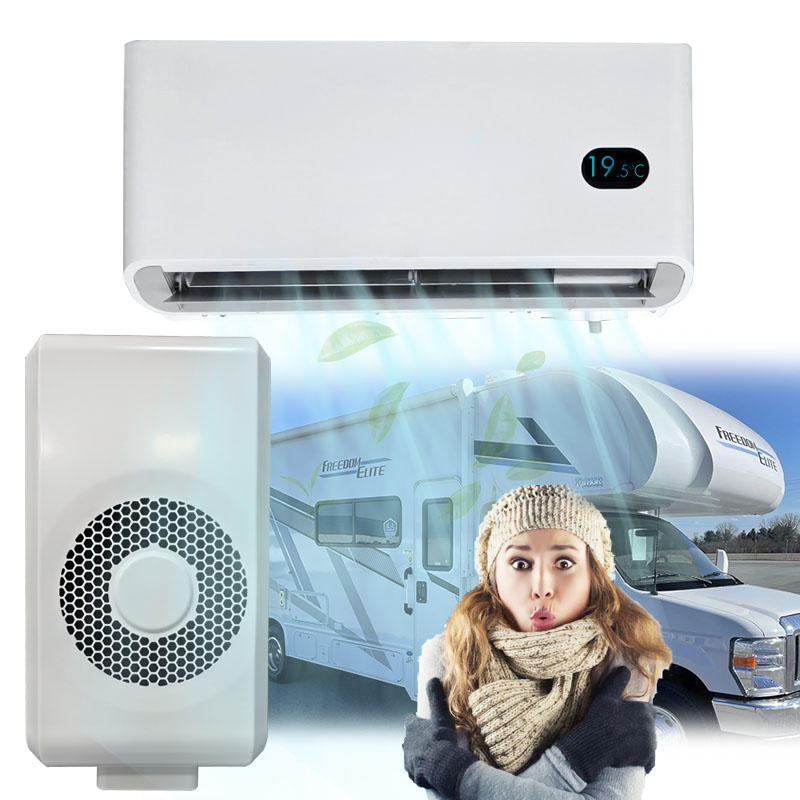 Portable Split Parking Air Conditioner for RV
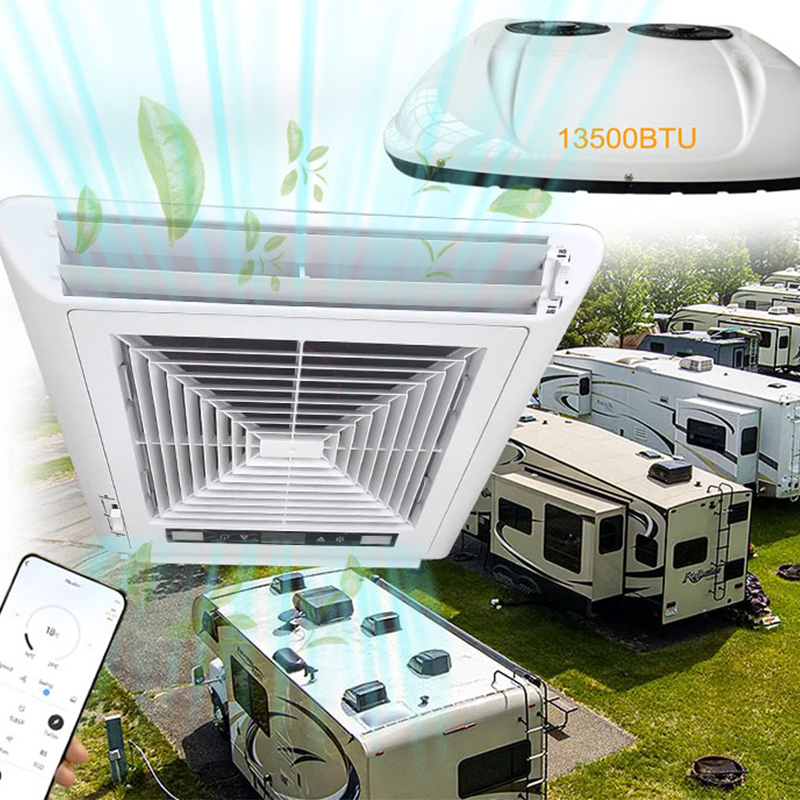 Portable Split Parking Air Conditioner for RV
Portable Split Parking Air Conditioner for RV
Portable Split Parking Air Conditioner for RV
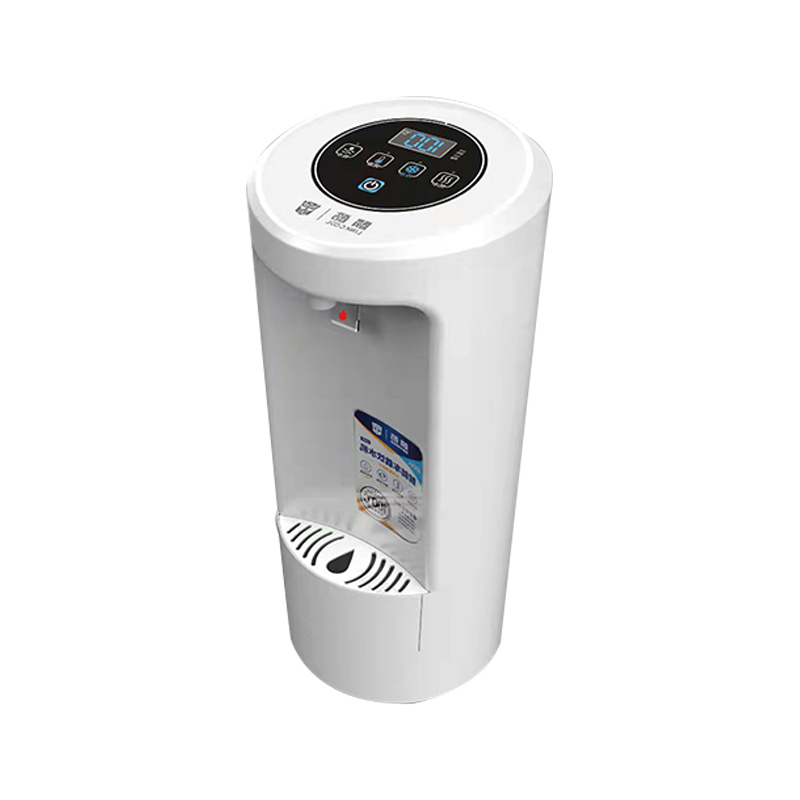 Hot Water Dispenser
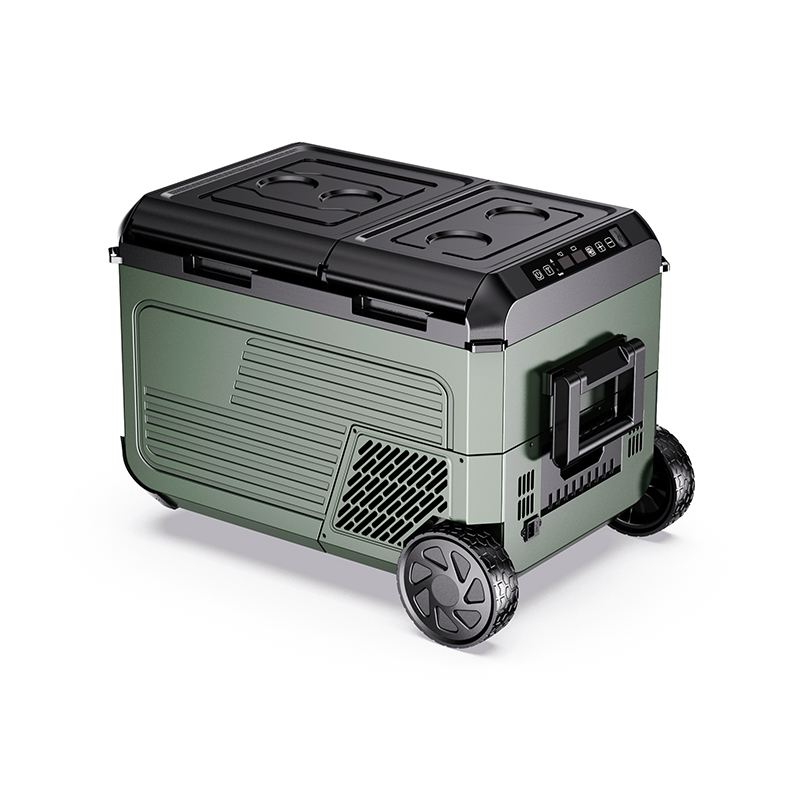 Outdoor Freezer
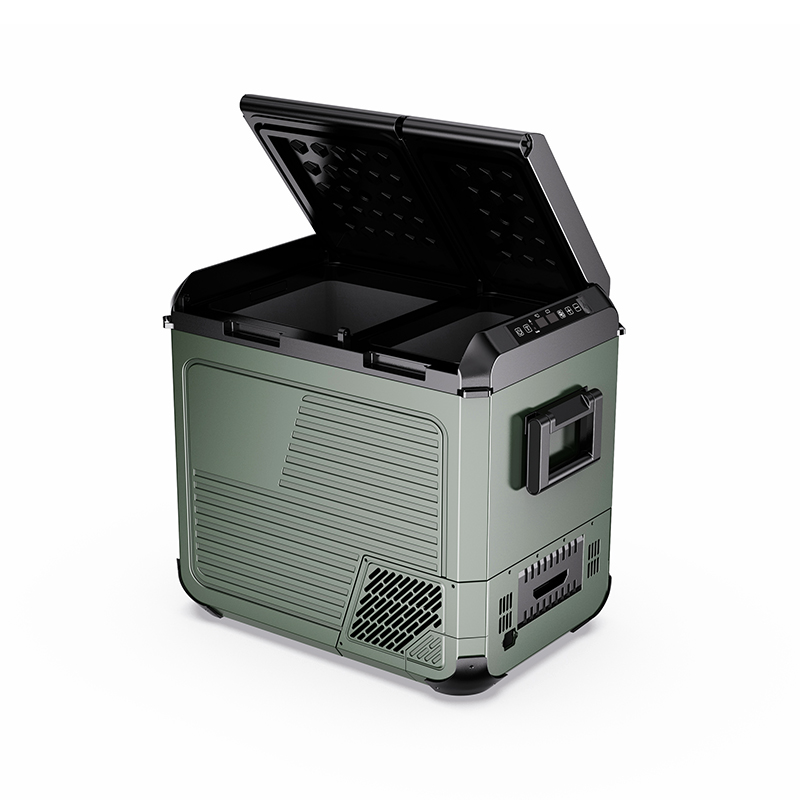 Outdoor Freezer
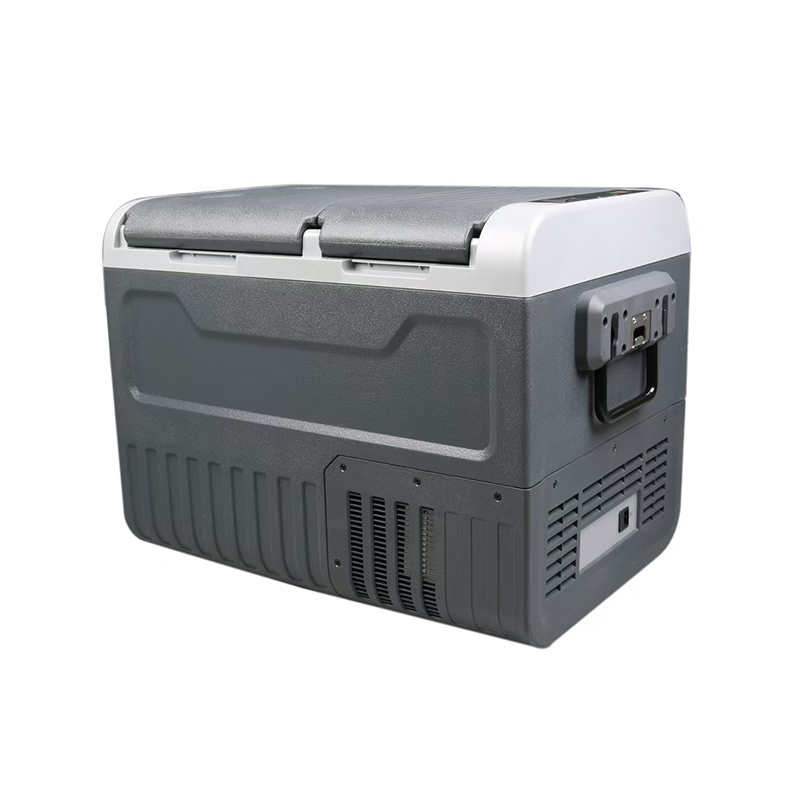 Car Refrigerator
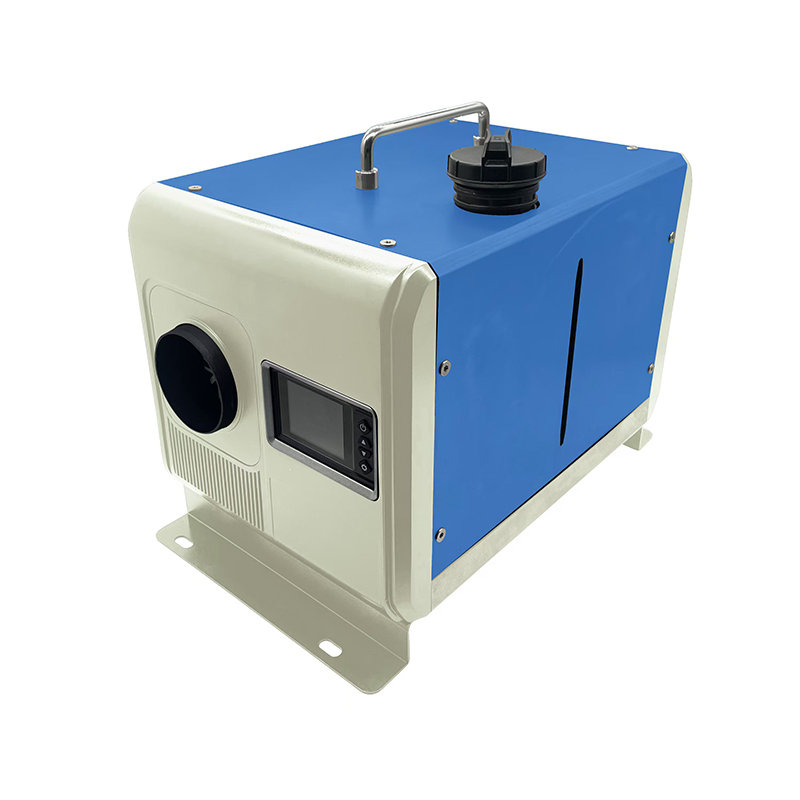 Diesel Heater For Vehicles
+86-18657986688
sale@lkcool.net
Building B, No. 9 Liunan Road, Niubeijin Industrial Zone, Baiyang Street, Jinhua, Zhejiang, China


 English
 Español