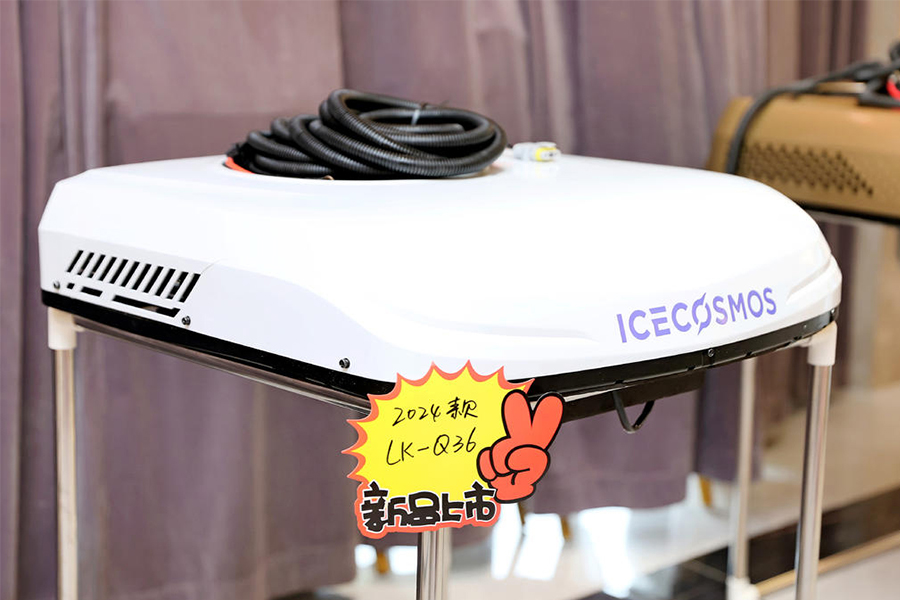
Roof-Mounted (Top-Stack) Type: The common configuration for sleeper cabs. The evaporator and blower are mounted on the roof exterior, with only the control panel and air outlets visible inside. Roof-mounted units occupy no interior floor or bunk space. The height added to the truck is 180 to 250 mm. Power consumption ranges from 400 to 800 watts at maximum cooling. These units are compatible with most semi-trucks having flat roof sections of at least 600 mm × 600 mm.
Window-Insert Type (Portable): A self-contained unit that mounts through an open side window or a specially cut panel. The condenser sits outside the cab, and the evaporator faces inward. Installation does not require roof penetration. However, the unit blocks the window visibility on one side. These are more common on day cabs or older trucks without factory sleeper prep. Cooling capacity is typically 2,000 to 4,000 BTU per hour, suitable for cabin volumes up to 8 cubic meters.
Dashboard-Mounted (Underseat Split Type): The evaporator unit is installed under the passenger seat or within the dashboard cavity. The condenser is mounted on the exterior chassis rail or behind the cab. This configuration preserves roof space for solar panels or storage. It is common on European trucks where roof height restrictions apply (e.g., for ferry transport). The interior unit measures approximately 300 mm × 200 mm × 150 mm. Noise level at the driver’s ear is 45 to 52 dB(A), higher than roof-mounted units due to closer proximity.
Battery-Powered Integrated System: A complete system including compressor, condenser, evaporator, and a dedicated lithium iron phosphate (LiFePO₄) battery pack (1,000 to 3,000 watt-hours). These units operate independently of the truck’s starter batteries. Run time on full charge ranges from 4 to 10 hours, depending on outside temperature (cooling load) and fan speed. The battery adds 15 to 25 kg to the total system weight. Some models include solar input to recharge during daylight driving.
Compressor and Refrigerant Components
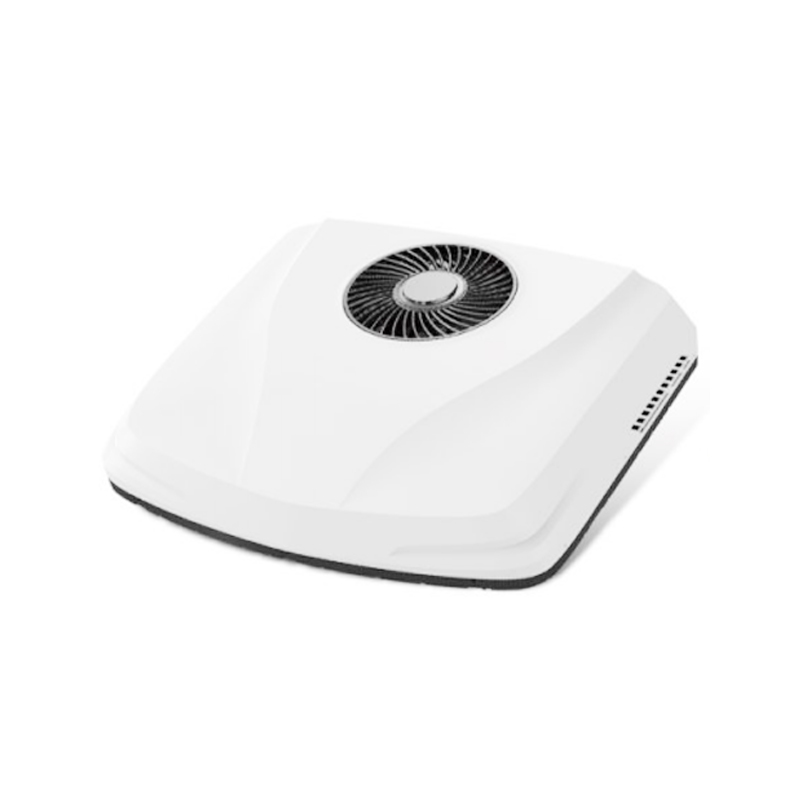
The compressor is the heart of the system. Many parking truck AC units use hermetic or semi-hermetic reciprocating compressors designed for DC voltage. The compressor housing is die-cast aluminum (ADC12 or A380), weighing 2.5 to 5 kg. Internal components—piston rings, cylinder walls, and valve plates—are made from hardened steel (45 HRC minimum) or a cast iron alloy. The refrigerant is typically R134a (tetrafluoroethane) for older units or R1234yf (tetrafluoropropene) for models manufactured after 2018 to comply with updated environmental regulations (Global Warming Potential of 4 versus 1,430 for R134a). Compressor oil is polyalkylene glycol (PAG) for R134a or polyolester (POE) for R1234yf. The oil volume is 150 to 300 ml depending on compressor displacement.
Heat Exchanger Materials (Evaporator and Condenser)
Both the evaporator (inside the cab) and condenser (outside) are constructed from aluminum alloys, typically 3003 or 3102 series aluminum. These alloys provide thermal conductivity of 200 to 220 W/m·K, approximately 60 percent that of copper but at one-third the weight. The heat exchanger fins are 0.1 to 0.15 mm thick, with a fin density of 18 to 22 fins per inch. The tubes are microchannel or serpentine design, with internal rifling to increase turbulence and improve heat transfer. To prevent corrosion from road salt and moisture, the condenser receives a hydrophilic coating (epoxy or acrylic, 10 to 20 microns thick) on the fin surfaces. The coating reduces water droplet formation and slows corrosion initiation.
Casing and Structural Materials
The external housing (for roof-mounted units) is made from UV-stabilized ABS or ASA (acrylonitrile styrene acrylate) plastic. ASA is preferred because it resists yellowing under sunlight for 5 to 7 years, compared to ABS, which may discolor after 2 to 3 years. The housing wall thickness is 2.5 to 3.5 mm. Impact-modified ABS has a notched Izod impact strength of 25 to 35 kJ/m² at -20°C, sufficient to withstand hail and road debris. The internal mounting frame is galvanized steel (1.2 to 2.0 mm thickness, zinc coating of 12 to 20 microns) or powder-coated steel for corrosion resistance. For units sold in coastal regions (within 1 km of salt water), a marine-grade coating or stainless steel fasteners (304 grade) are used. Stainless steel screws and bolts replace zinc-plated carbon steel to prevent galvanic corrosion between the steel frame and aluminum condenser.
Electrical and Control Materials
DC motors for the blower fan and condenser fan are permanent magnet brushless types (BLDC). The motor housing is die-cast aluminum, with neodymium magnets in the rotor (grade N35 to N45). The stator windings are copper (99.9 percent purity) with enamel insulation rated for 150°C. The fan blades are glass-fiber reinforced polypropylene (30 percent glass) to reduce creep under sustained operation at 3,000 to 4,000 rpm. The control board includes a microcontroller, power MOSFETs (rated 100 V, 80 A), and a user interface panel. The circuit board conformal coating (silicone or acrylic, 0.05 to 0.1 mm thickness) protects against humidity and condensation. The cabling uses 6 to 10 AWG copper wire for power connections (rated 60°C or 90°C insulation) and smaller gauge 18 to 22 AWG for controls.
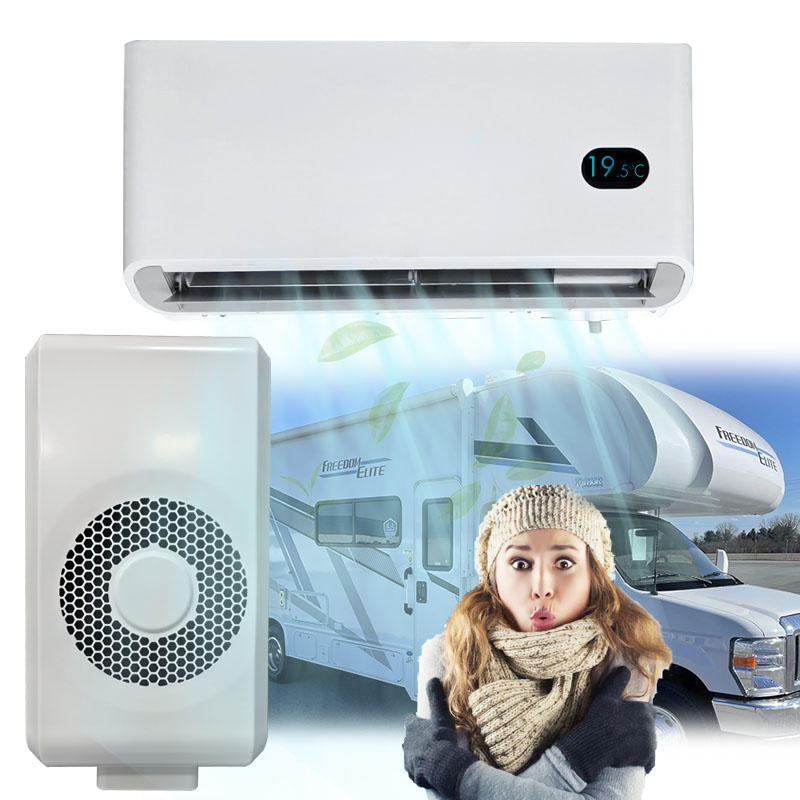 Portable Split Parking Air Conditioner for RV
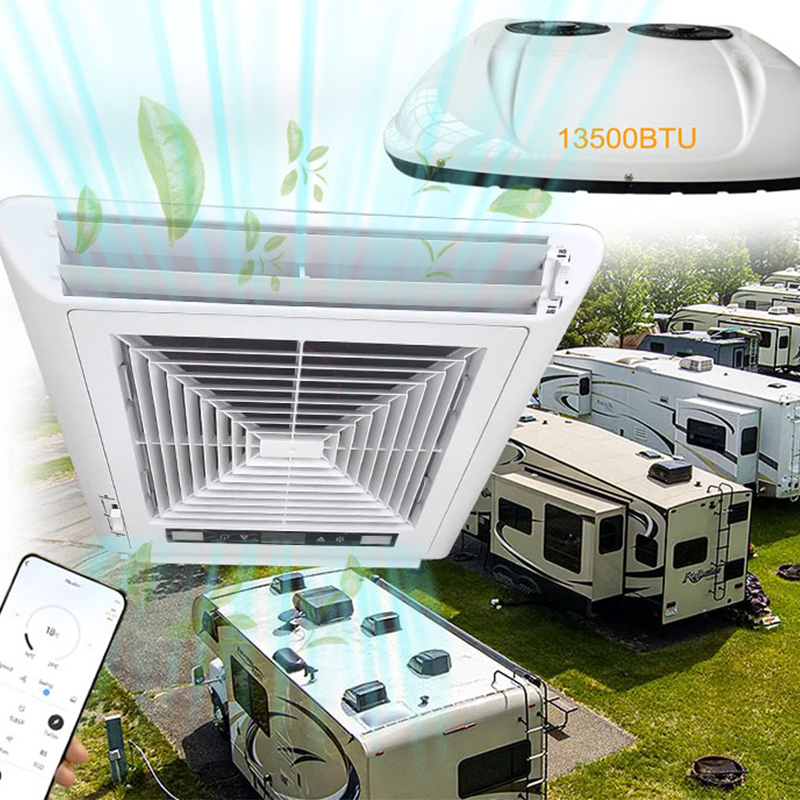 Portable Split Parking Air Conditioner for RV
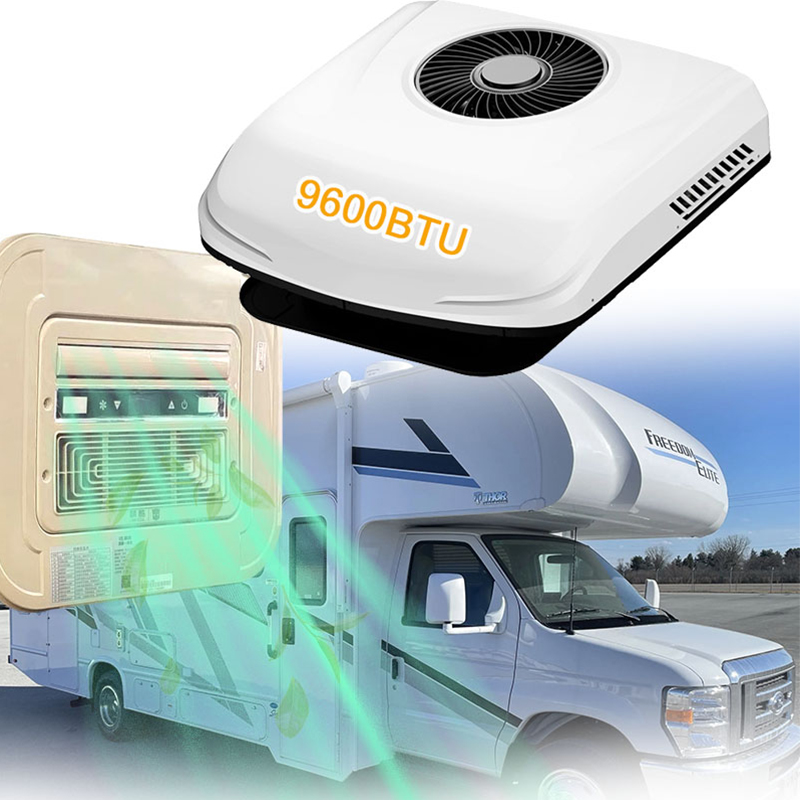 Portable Split Parking Air Conditioner for RV
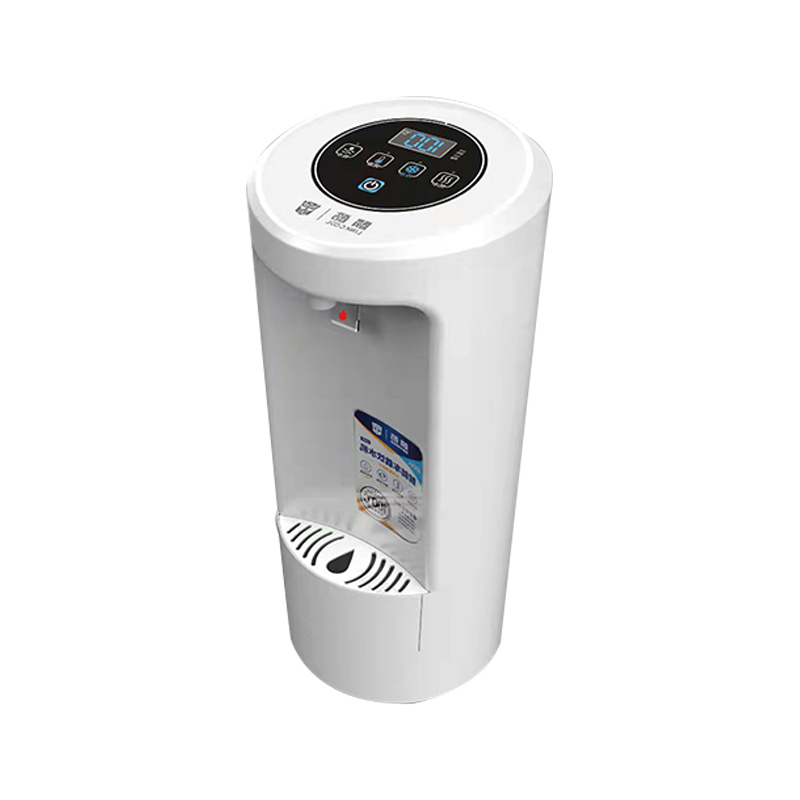 Hot Water Dispenser
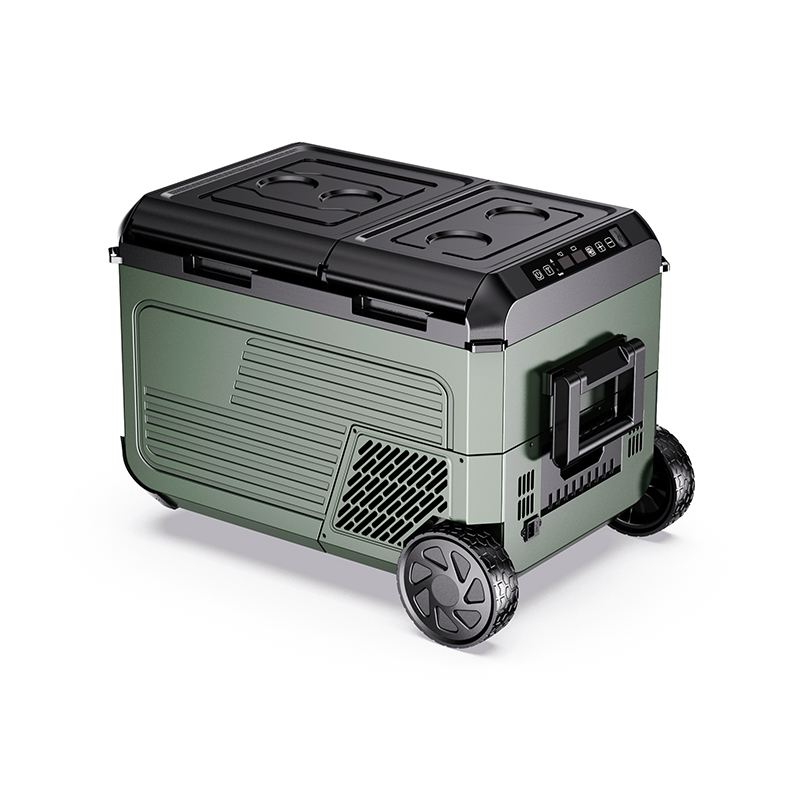 Outdoor Freezer
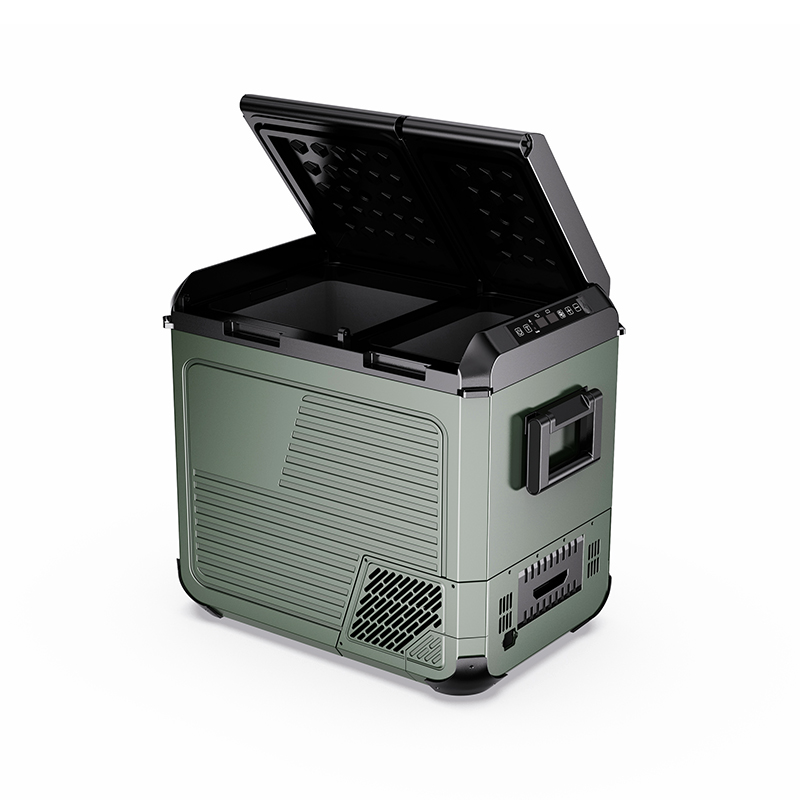 Outdoor Freezer
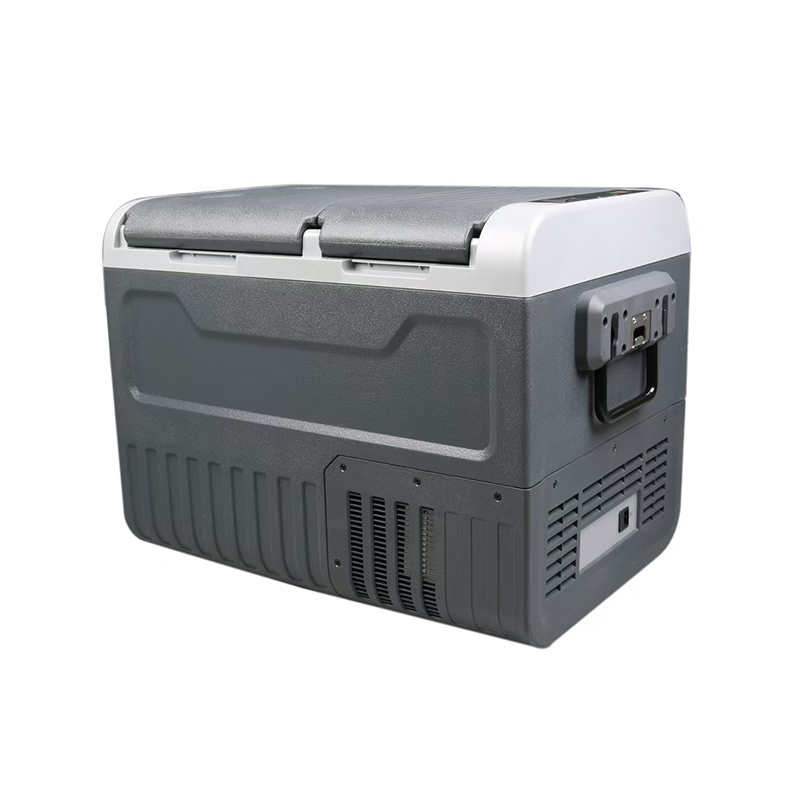 Car Refrigerator
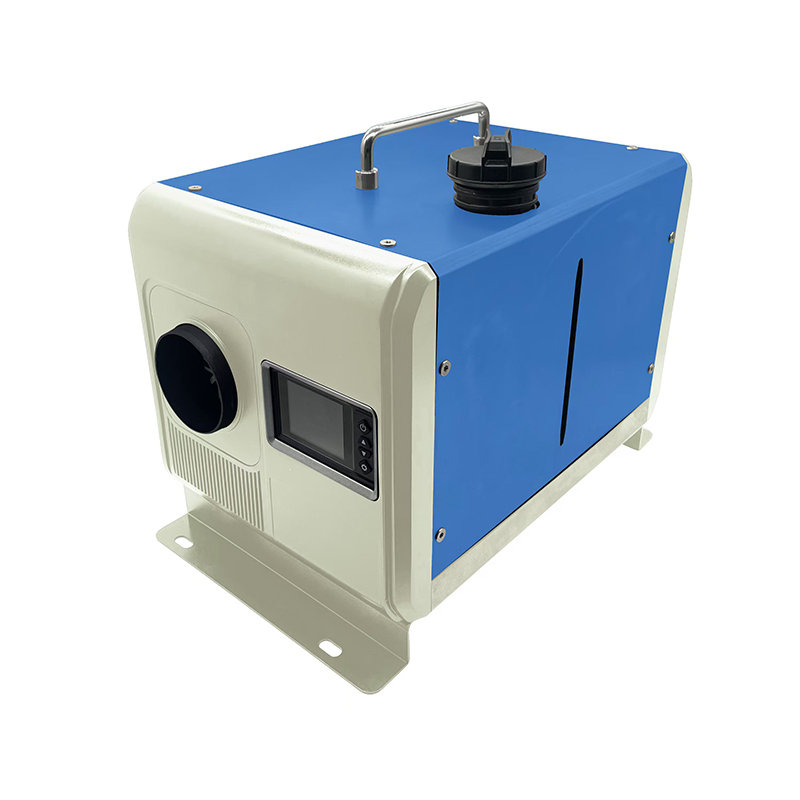 Diesel Heater For Vehicles
+86-18657986688
sale@lkcool.net
Building B, No. 9 Liunan Road, Niubeijin Industrial Zone, Baiyang Street, Jinhua, Zhejiang, China


 English
 Español