Content
Truck drivers often face a practical question during long parking periods: should cabin comfort come at the expense of battery capacity? An Electric Truck Air Conditioner provides a way to cool the sleeper without keeping the main engine running, but its real value depends on how cooling demand is matched with the vehicle's electrical system.
Battery consumption is not a fixed number. Ambient temperature, cabin insulation, compressor load, fan speed, battery voltage, and the selected temperature can all change the amount of electricity used during an overnight rest period.
A common misunderstanding is to judge an air conditioner's battery demand solely from its cooling capacity. These are different specifications. Cooling capacity describes the heat that the system can remove, while electrical power describes the energy required to operate the equipment.
| Parameter | Typical Example | What It Indicates |
| System voltage | 24V DC | Electrical architecture |
| Cooling capacity | 2,400–2,600W | Available cooling output |
| Rated power | 850–950W | Approximate electrical demand under rated conditions |
| Current draw | 20–35A at 24V | Battery load during operation |
| Refrigerant | R134a | Refrigeration medium used by many truck systems |
Current 24V truck AC products illustrate this difference. A 2,500W cooling system, for example, may have a nominal electrical consumption of around 950W and a current draw of approximately 33.3A at 24V.
Electrical architecture becomes particularly important for large commercial vehicles. A 24V system can deliver the required electrical power with lower current than a comparable 12V setup.
Some 24V parking AC systems report around 9–12A during night operation and approximately 22–28A under full cooling, demonstrating how operating mode can significantly change battery demand.
An Electric Truck Air Conditioner can provide several hours of engine-off cooling, but battery capacity has to match the expected rest period.
Consider a simplified example. A 24V, 200Ah battery contains a theoretical energy capacity of about 4,800Wh. A system consuming 800W continuously would mathematically require around six hours to consume that amount of energy. Real operating time will differ because batteries should not normally be discharged completely, while compressor load also changes throughout the cooling cycle.
Published product data shows similar variation. Some truck AC systems report 400–700W operating power, while other units can consume around 850–1,000W under heavier cooling conditions.
A cab exposed to strong afternoon sunlight may require substantial cooling during the initial pull-down period. Once the sleeper reaches the target temperature, compressor demand can decrease.
Battery protection is another product detail worth examining. A properly designed parking AC should monitor battery voltage and stop or reduce operation before excessive discharge threatens the vehicle's starting capability.
Some current systems use staged protection. One example reduces compressor capacity and fan speed as voltage falls, then switches toward fan-only operation before shutting down at a lower threshold.
This feature changes the role of the air conditioner from a simple cooling appliance into part of the vehicle's energy-management system.
Longer runtime does not automatically mean better cabin comfort. A truck driver may prefer stable temperature control over maximum cooling output for the entire night.
| Operating Priority | Useful Product Feature |
| Long overnight rest | Variable-speed compressor |
| Hot-weather pull-down | High cooling capacity |
| Battery protection | Low-voltage cutoff |
| Quiet sleeper environment | Variable fan-speed control |
| 24V truck compatibility | Dedicated 24V DC system |
The question is not simply whether an Electric Truck Air Conditioner consumes battery power. It is how intelligently that power is used.
A system combining variable-speed control, appropriate cooling capacity, low-voltage protection, and a correctly sized battery can balance cabin temperature with available electrical energy. For fleet operators and drivers, looking at current draw, operating modes, battery capacity, and protection thresholds together provides a more realistic picture than relying on cooling capacity alone.
Engine-off cooling is therefore becoming an energy-management decision as much as a comfort decision. The right electrical configuration can allow drivers to maintain a comfortable sleeper environment while keeping battery use within a controlled range.
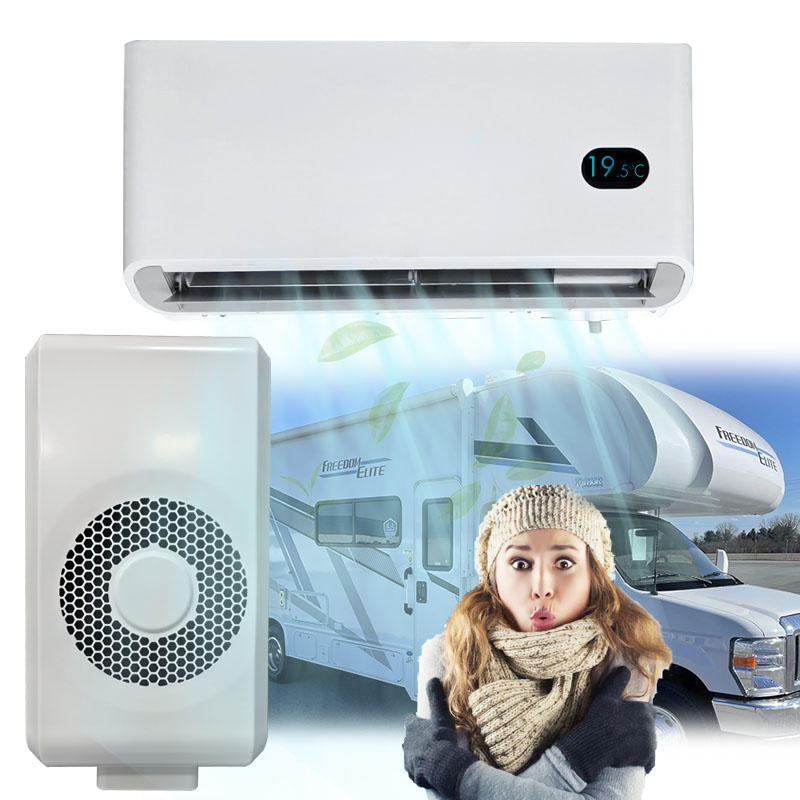 Portable Split Parking Air Conditioner for RV
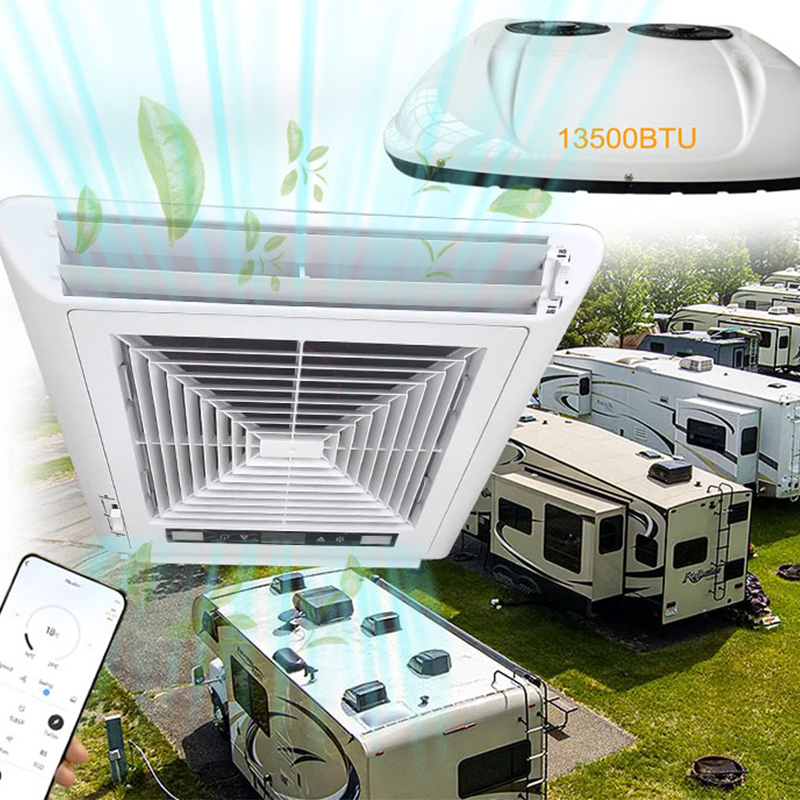 Portable Split Parking Air Conditioner for RV
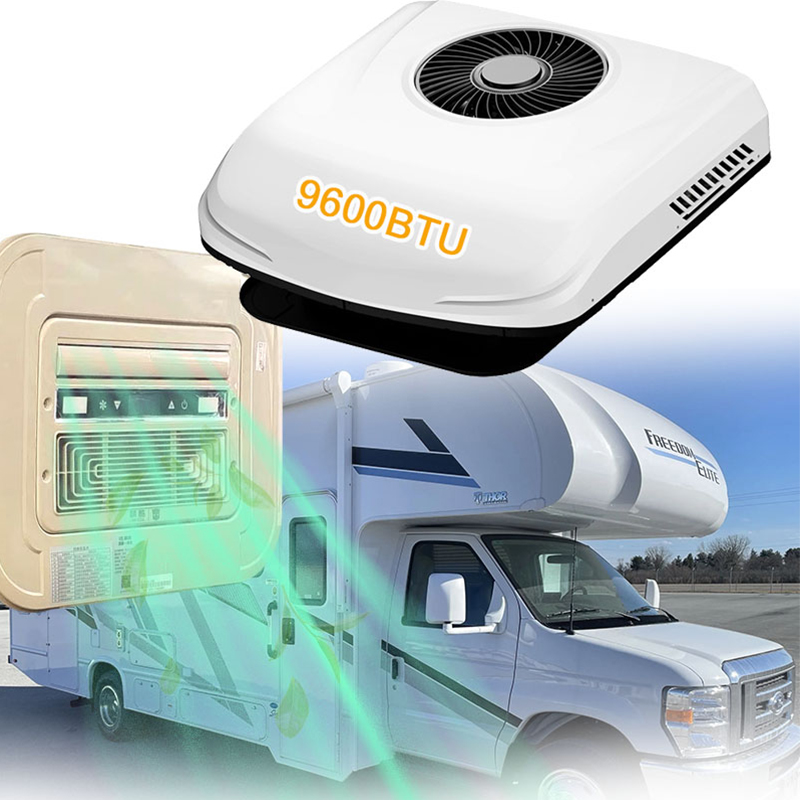 Portable Split Parking Air Conditioner for RV
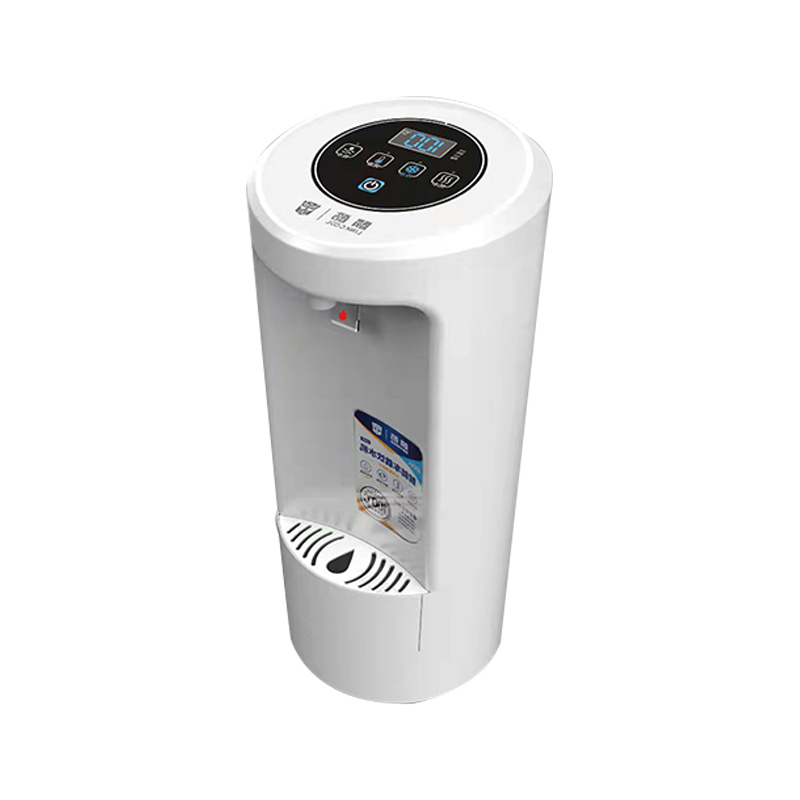 Hot Water Dispenser
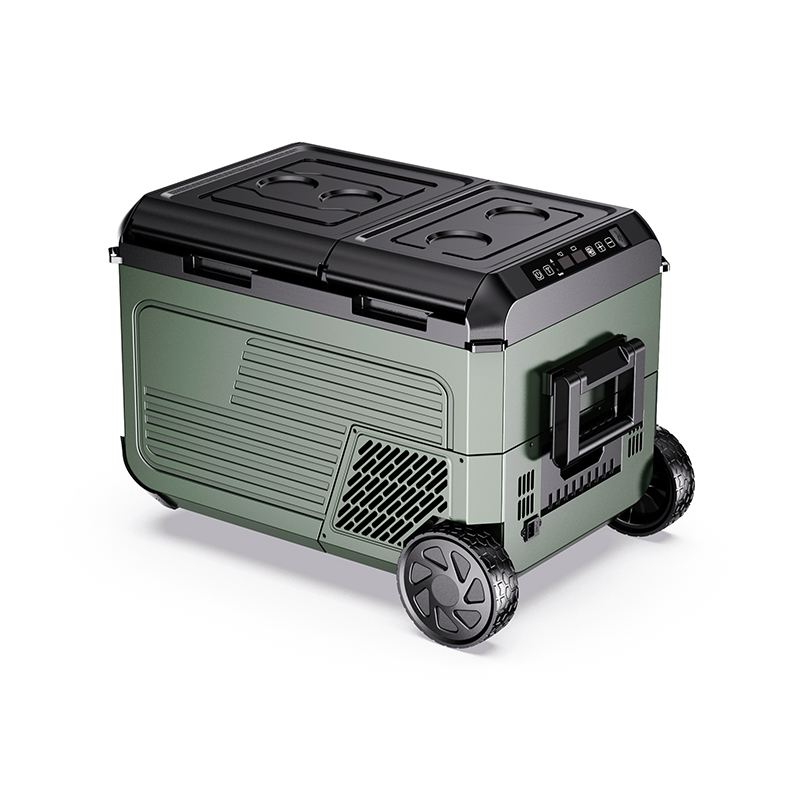 Outdoor Freezer
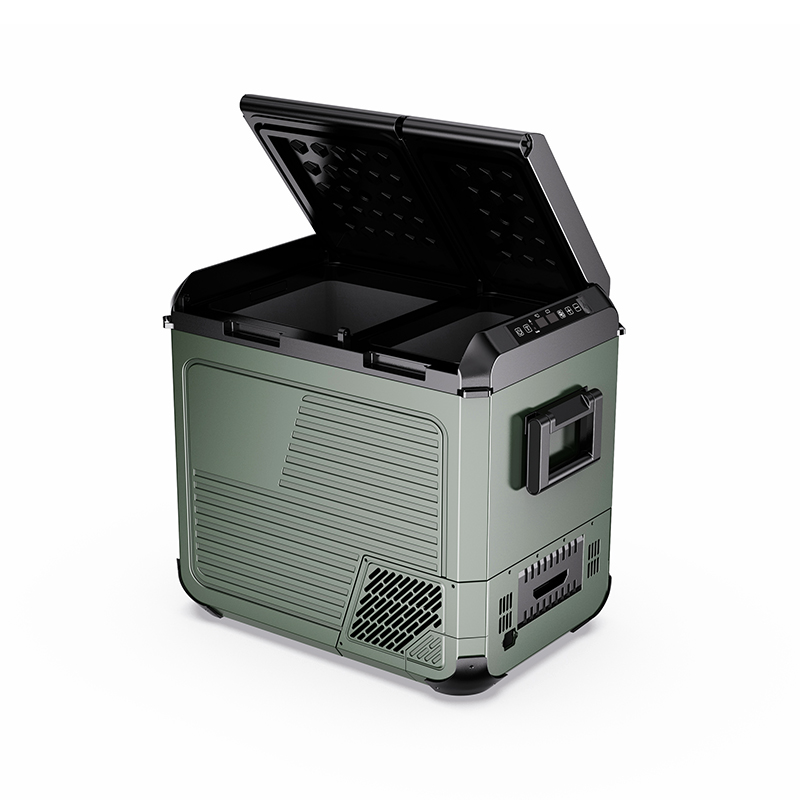 Outdoor Freezer
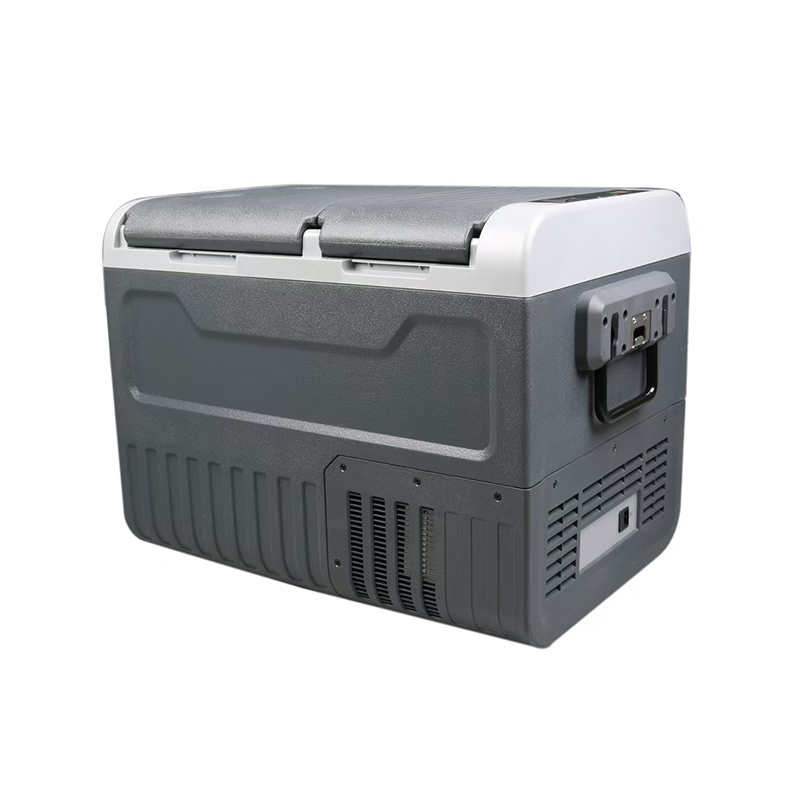 Car Refrigerator
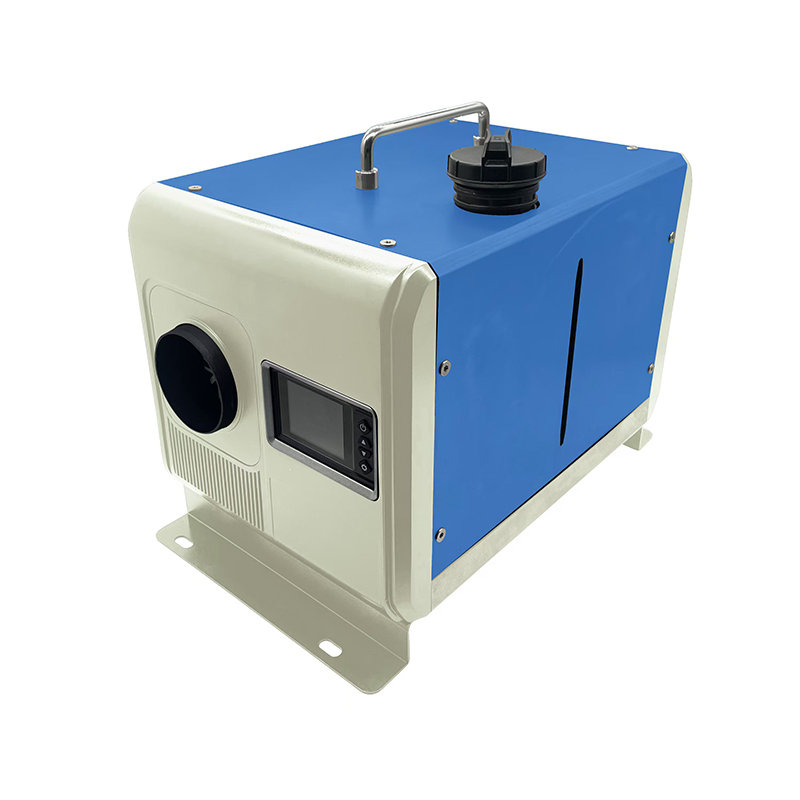 Diesel Heater For Vehicles
+86-18657986688
sale@lkcool.net
Building B, No. 9 Liunan Road, Niubeijin Industrial Zone, Baiyang Street, Jinhua, Zhejiang, China


 English
 Español