Content
Winter driving creates two different heating demands for commercial vehicles. A truck may need a warm sleeper during an overnight stop, while its engine may also need preheating before the next departure. A Car Truck Diesel Parking Heater can address these situations without relying entirely on the vehicle's main engine.
That distinction matters because not every parking heater performs the same job. Air heaters focus on warming the cabin directly, while coolant heaters transfer heat through the vehicle's cooling circuit. Understanding this difference makes it easier to match the heater with the actual winter-use scenario.
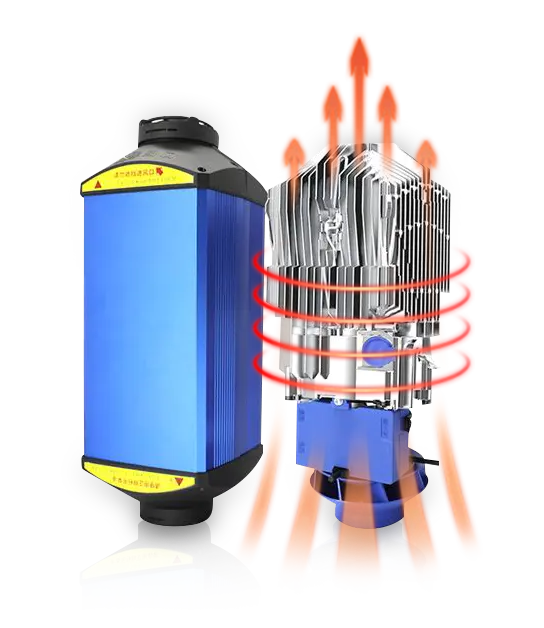
| Heater Type | Main Heating Target | Typical Application |
| Diesel Air Heater | Cabin or sleeper air | Overnight parking and direct cabin heating |
| Diesel Coolant Heater | Engine coolant | Engine preheating and cabin heating |
| Combined System | Cabin + engine | Cold-weather commercial vehicle operation |
The U.S. Department of Energy's Alternative Fuels Data Center describes cab or bunk heaters as diesel-fired systems that provide warm air to the cab or bunk, while coolant heaters warm the engine's coolant and circulate it through the engine and heater system.
A diesel air heater draws air through a heat exchanger and returns warmed air to the interior. This makes it particularly useful during stationary periods, such as overnight truck stops or rest breaks.
Commercial air heaters commonly cover approximately 2–5.5 kW of heat output. Webasto, for example, lists truck air-heater products within this range and offers both 12V and 24V versions.
A warm cabin does not necessarily mean a warm engine. Extremely low temperatures can increase the difficulty of starting a diesel engine, making engine preheating a separate consideration.
A coolant-based Car Truck Diesel Parking Heater heats the engine coolant before startup. The warmed coolant circulates through the engine and can also transfer heat through the vehicle's standard heater core. Webasto describes this type of system as a way to preheat the engine and front area before driving, including window defrosting.
NACFE notes that fuel-operated coolant heaters can raise coolant temperatures to roughly 70–80°C within around 30–60 minutes, depending on the system and conditions.
Diesel heaters are compact combustion systems rather than miniature vehicle engines. Their fuel demand varies according to heat output.
| Example Heating Level | Heat Output | Diesel Consumption |
| Low | 1.4 kW | 0.144 L/h |
| Medium | 3.1 kW | 0.315 L/h |
| High | 4.0 kW | 0.403 L/h |
| Boost | 4.7 kW | 0.475 L/h |
These figures from a current 5 kW diesel air-heater specification illustrate how fuel demand changes with heating output. The same unit lists electrical consumption of roughly 0.77–2.2A at 12V across its operating levels.
Electrical compatibility is another product detail that should not be overlooked. Heavy trucks commonly use 24V electrical systems, while many cars and smaller vehicles use 12V architectures.
Technical specifications for commercial diesel heaters show that electrical demand can remain relatively modest during continuous operation, although startup consumption may be higher because the glow plug and blower require additional power. An Eberspächer commercial heater specification, for example, lists approximately 42W average operating consumption and up to 100W during startup.
| Winter Situation | Useful Heater Configuration |
| Driver sleeping during a parking stop | Diesel air heater |
| Engine needs preheating before departure | Diesel coolant heater |
| Cabin and engine both require heat | Combined air/coolant solution |
| Very low ambient temperatures | Cold-weather rated heater |
| Heavy truck with 24V electrical system | 24V heater configuration |
A Car Truck Diesel Parking Heater becomes particularly useful during long winter stops because it separates heating needs from continuous engine operation. A cab heater can maintain a comfortable sleeper temperature, while a coolant heater can prepare the engine for startup.
Modern systems can also be designed for severe climates. Some commercial truck heating solutions offer operating capabilities down to around -40°C, while certain systems include automatic altitude compensation for high-elevation applications.
That makes the product choice less about simply asking whether a truck needs heat. The more useful question is where the heat needs to go. Cabin comfort points toward an air heater; engine preparation points toward a coolant heater; demanding winter operations may require a system that addresses both.
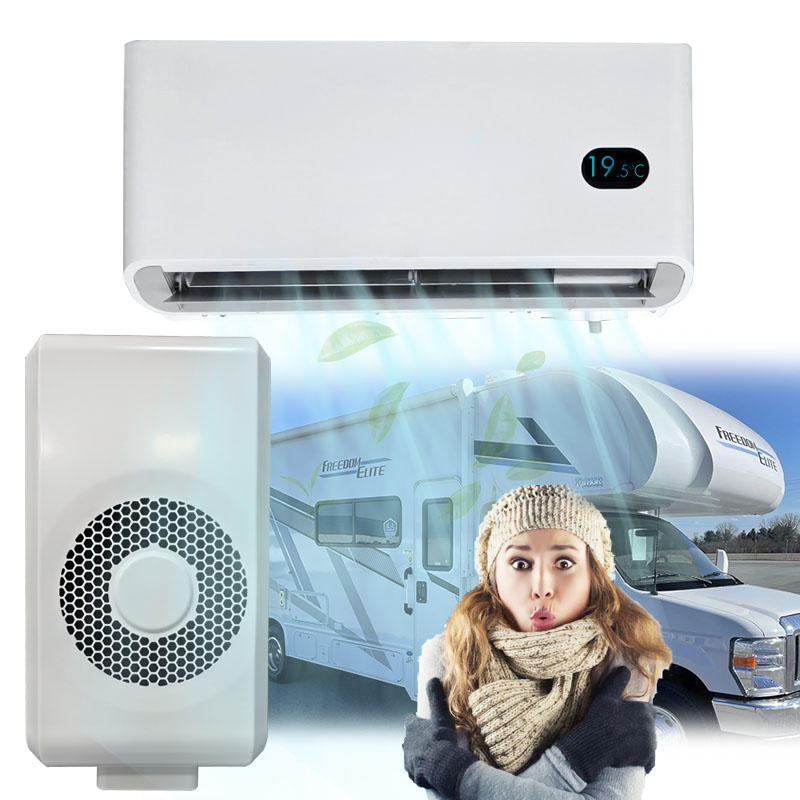 Portable Split Parking Air Conditioner for RV
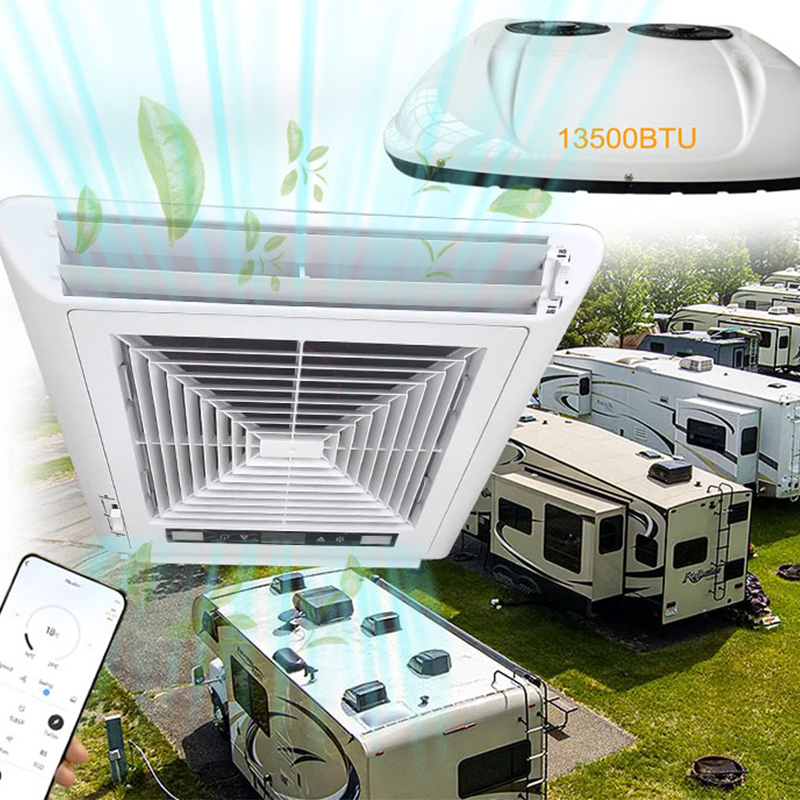 Portable Split Parking Air Conditioner for RV
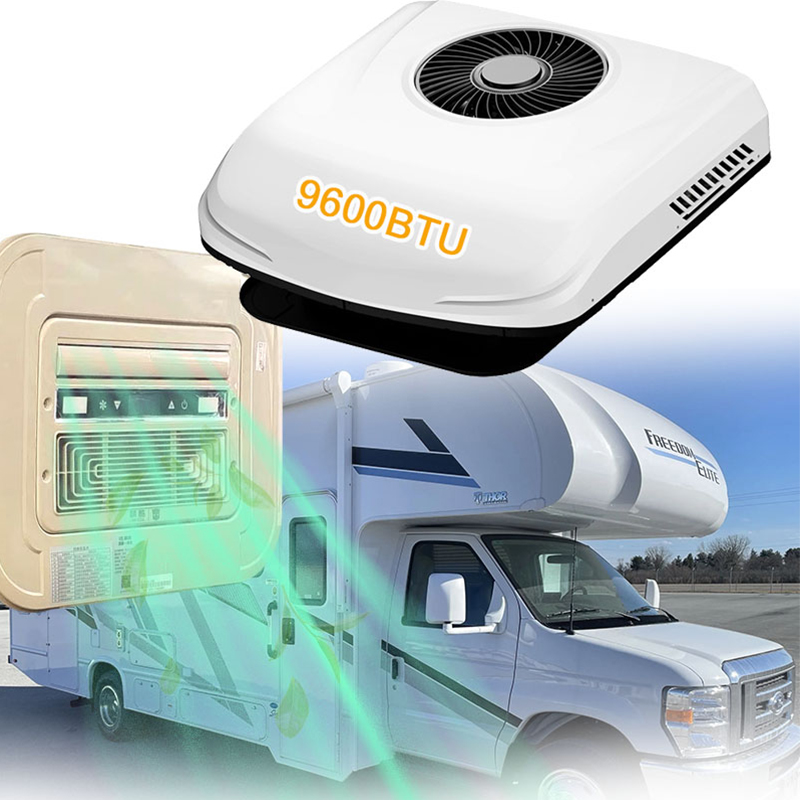 Portable Split Parking Air Conditioner for RV
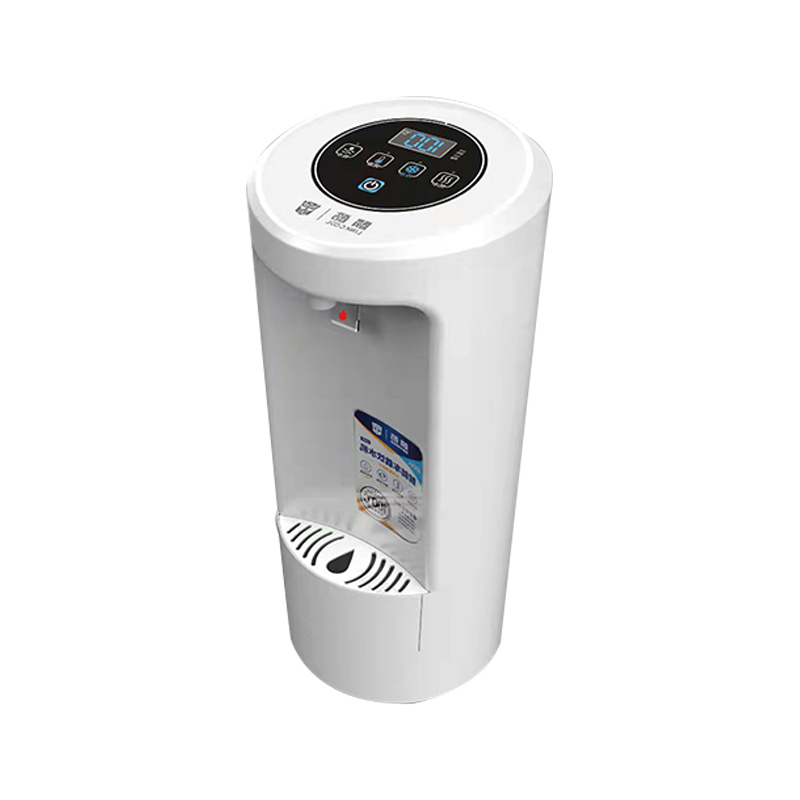 Hot Water Dispenser
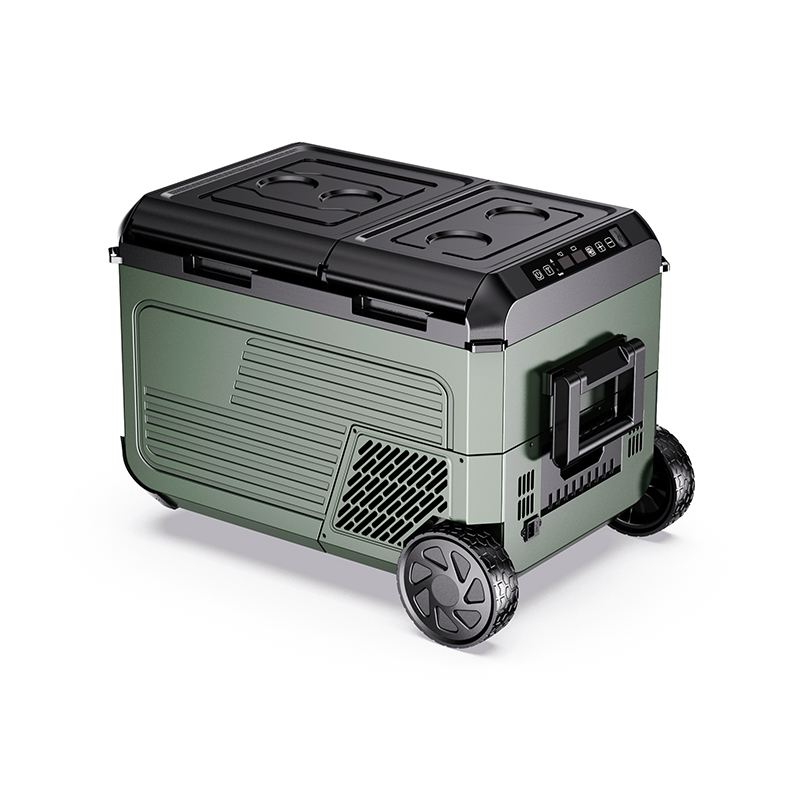 Outdoor Freezer
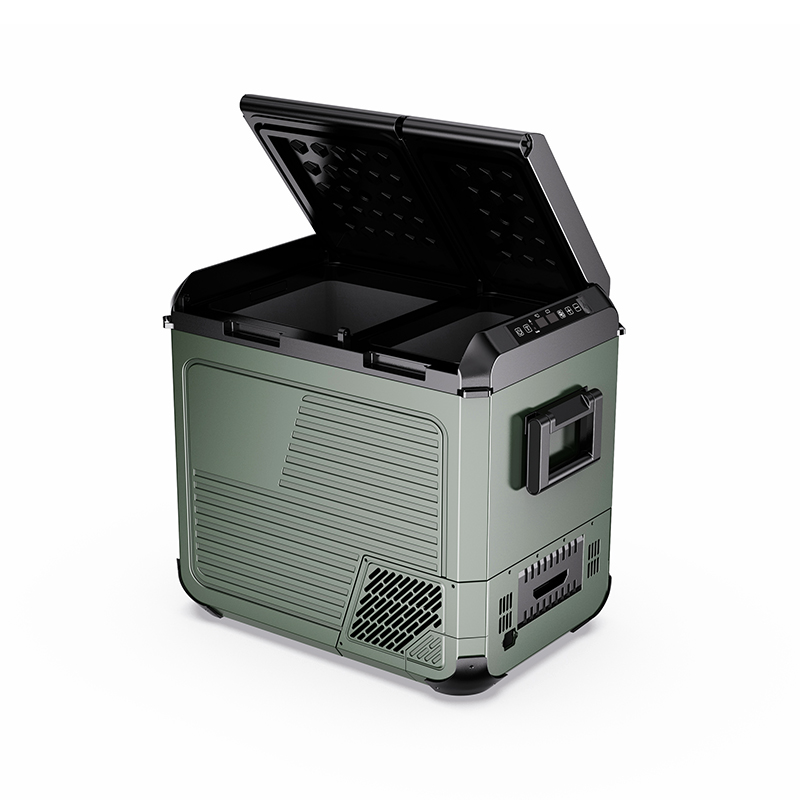 Outdoor Freezer
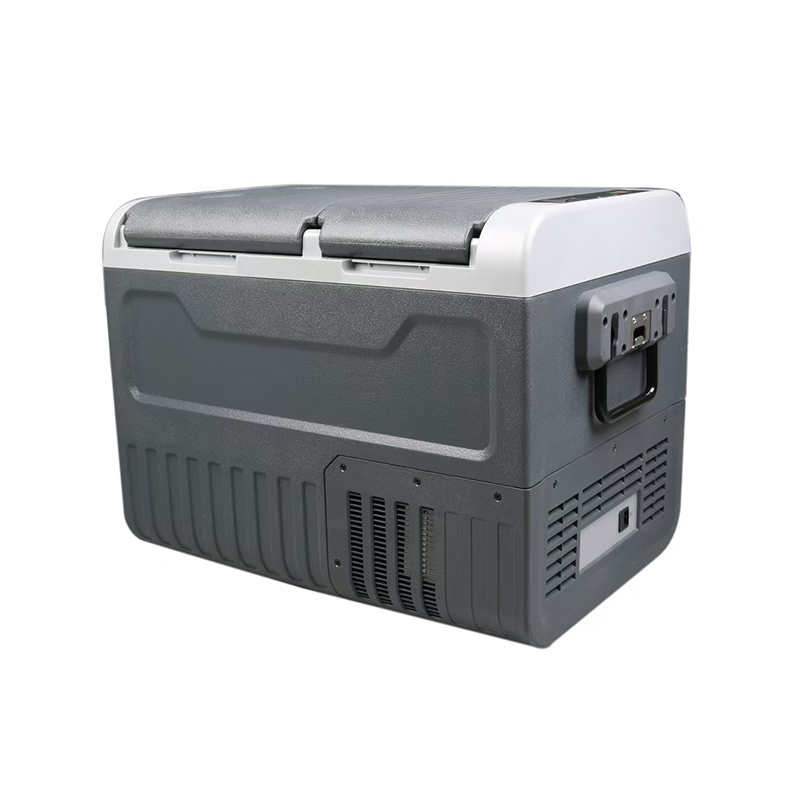 Car Refrigerator
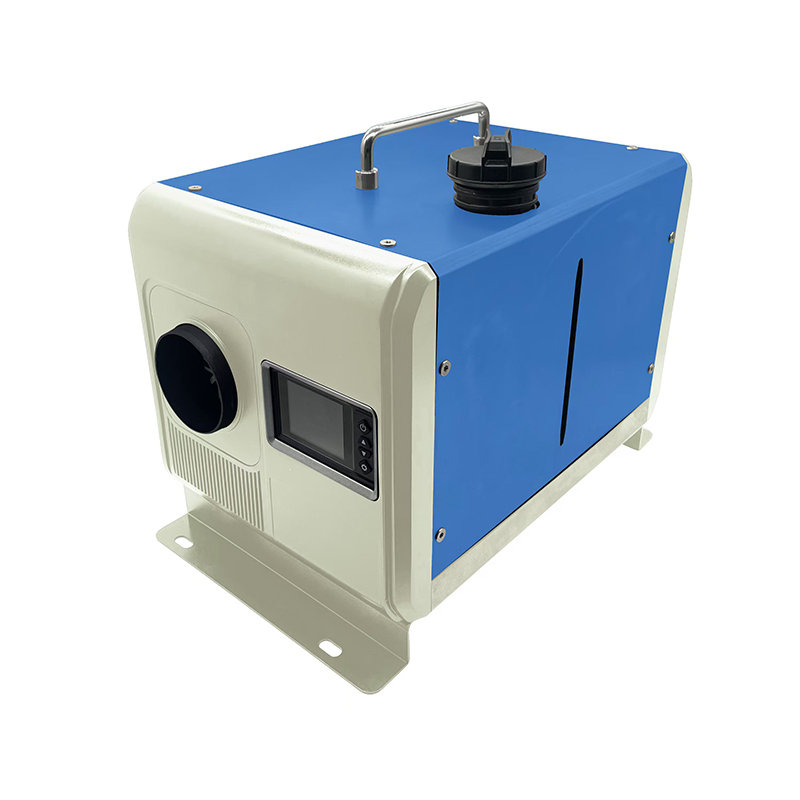 Diesel Heater For Vehicles
+86-18657986688
sale@lkcool.net
Building B, No. 9 Liunan Road, Niubeijin Industrial Zone, Baiyang Street, Jinhua, Zhejiang, China


 English
 Español