Content
A larger tent does not automatically require a dramatically larger air conditioner. Outdoor cooling behaves differently from residential room cooling because tents have thin fabric walls, large openings, limited insulation, and direct exposure to sunlight. An Outdoor Camping Tent Air Conditioner therefore needs to be evaluated according to the entire camping setup rather than tent floor area alone.
Recent camping discussions show that users are paying closer attention to exhaust routing, power supply, humidity, insulation, and the actual structure of the shelter. A portable AC can cool a tent effectively, but only if the heat removed from the shelter is properly discharged outside.
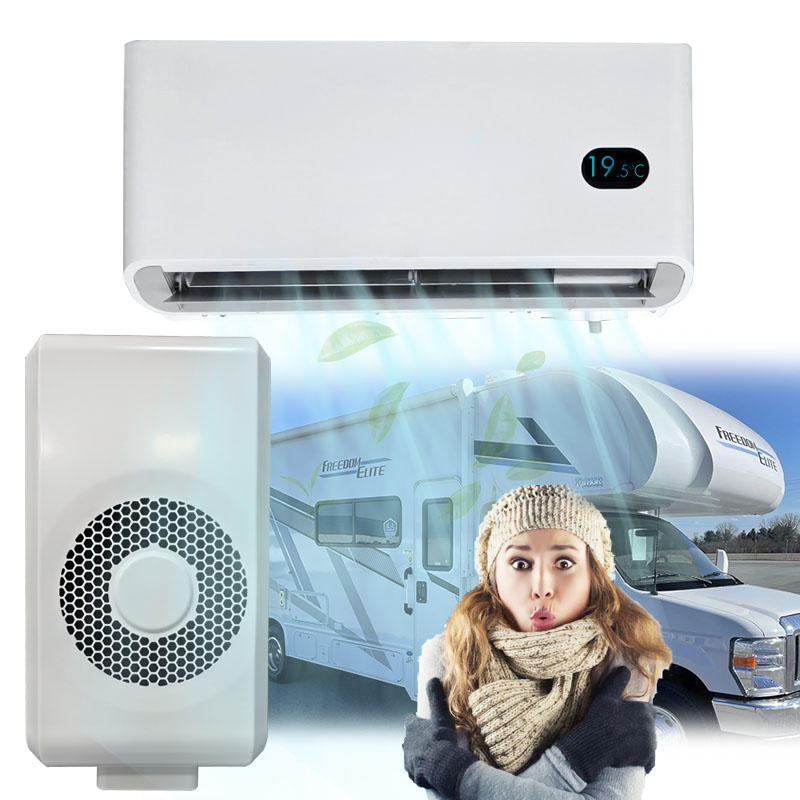
Floor area gives only part of the picture. Ceiling height also affects the amount of air that needs to be cooled. A tall family tent can have considerably more internal volume than a low-profile dome tent with a similar footprint.
| Tent Type | Approx. Volume | Indicative Cooling Demand |
| Small 2-person tent | ~200 ft³ | ~800–1,200 BTU |
| Medium 4-person tent | ~350 ft³ | ~1,400–2,100 BTU |
| Large 6–8-person tent | ~700 ft³ | ~2,800–4,200 BTU |
| Large family tent | ~1,250 ft³ | ~5,000–7,500 BTU |
These figures are indicative rather than universal specifications. Tent cooling guides commonly recommend increasing the estimated requirement for shelters without insulation or those exposed directly to strong sunlight.
A tent sitting under direct afternoon sun can absorb substantial radiant heat through its fabric. Darker materials, large transparent panels, and exposed roofs can increase the cooling load even though the tent dimensions remain unchanged.
An Outdoor Camping Tent Air Conditioner does more than blow cold air. A compressor-based unit extracts heat from the interior and transfers that heat to the exhaust side.
That makes the exhaust hose a critical part of the installation. If hot exhaust air flows back into the tent, the cooling system can continue operating without producing the expected temperature reduction. Portable AC guidance specifically recommends routing the exhaust outdoors through a dedicated AC port or a sealed opening.
A long, sharply bent exhaust hose can restrict airflow and increase heat exposure around the cooling equipment. Current camping guidance commonly recommends keeping the hose relatively short and avoiding unnecessary bends. Some tent AC ports are designed around exhaust hoses measuring roughly 5–6 inches in diameter.
| Installation Detail | Potential Effect |
| Dedicated AC port | Creates a controlled exhaust path |
| Sealed opening | Limits hot-air leakage |
| Short exhaust hose | Supports airflow through the duct |
| Minimal hose bends | Reduces airflow restriction |
| Exhaust directed away from intake | Reduces hot-air recirculation |
Temperature alone does not define how comfortable a tent feels. Humid air can make a warm night feel considerably less comfortable, especially inside a sealed shelter.
A conventional compressor-based AC removes moisture as it cools. This differs from evaporative cooling, which relies on water evaporation and performs differently in humid environments. For campers traveling through humid coastal or summer climates, this distinction can become important.
A tent may be physically large enough to require additional cooling capacity, but the available electrical supply can place a practical limit on the AC system.
| AC Type | Typical Power Demand | Common Power Source |
| Small battery AC | Varies by model | Dedicated battery pack |
| Portable compressor AC | ~700–1,500W | Generator or campsite hookup |
| Evaporative cooler | ~50–250W | Battery or small power station |
Current camping AC references place many portable compressor units around 700–1,500W, while smaller evaporative coolers generally consume considerably less power.
This creates an interesting trade-off: increasing AC capacity may improve cooling potential, but it also increases the electrical requirements. A generator or power station needs enough continuous output and sufficient startup capacity for the selected equipment.
Instead of using tent size as the only purchasing criterion, campers can evaluate several conditions together.
The idea that “a bigger tent needs a bigger AC” is useful as a starting point, but it does not tell the entire story. A small, well-shaded and reasonably sealed tent may have a very different cooling requirement from a similar-sized shelter exposed to direct sunlight.
The same principle applies to an Outdoor Camping Tent Air Conditioner. Cooling capacity, exhaust design, humidity control, tent construction and power availability work together. Portable AC guidance also emphasizes that proper exhaust ventilation and sealing around the hose can have a significant effect on actual cooling performance.
For campers planning summer trips, the smarter question is therefore not simply how large the tent is. It is how much heat enters the shelter, how effectively that heat can be removed, and whether the available power can sustain the cooling system. That broader view can make an outdoor AC setup far more predictable than relying on tent size alone.
Portable Split Parking Air Conditioner for RV
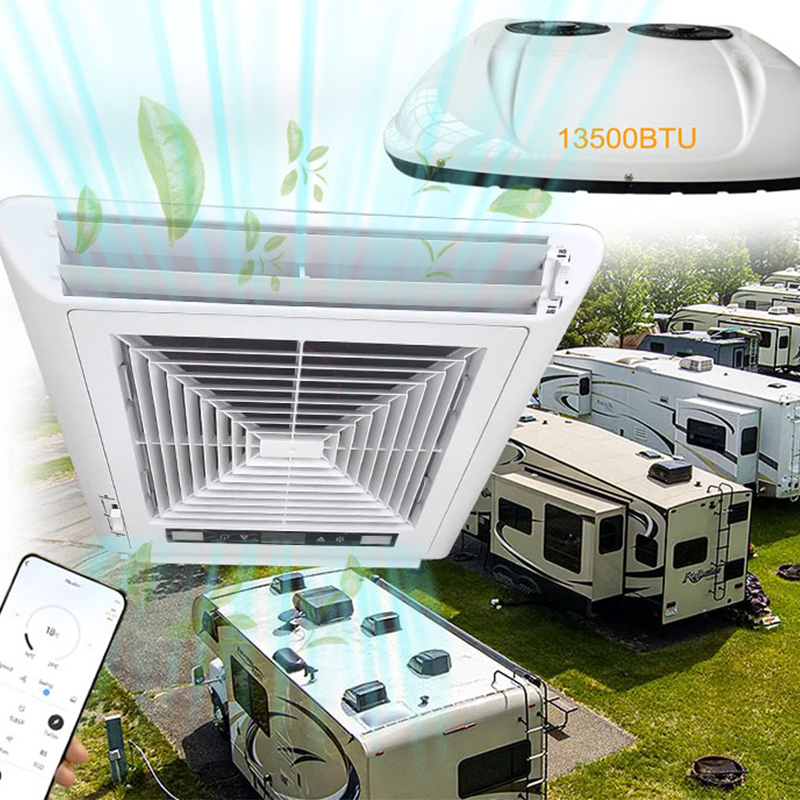 Portable Split Parking Air Conditioner for RV
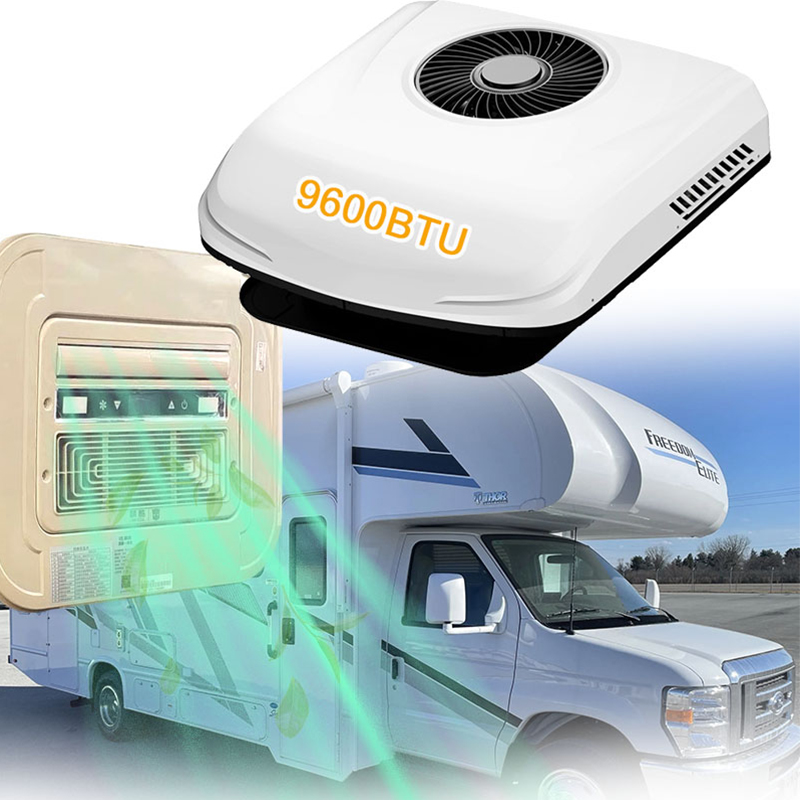 Portable Split Parking Air Conditioner for RV
 Hot Water Dispenser
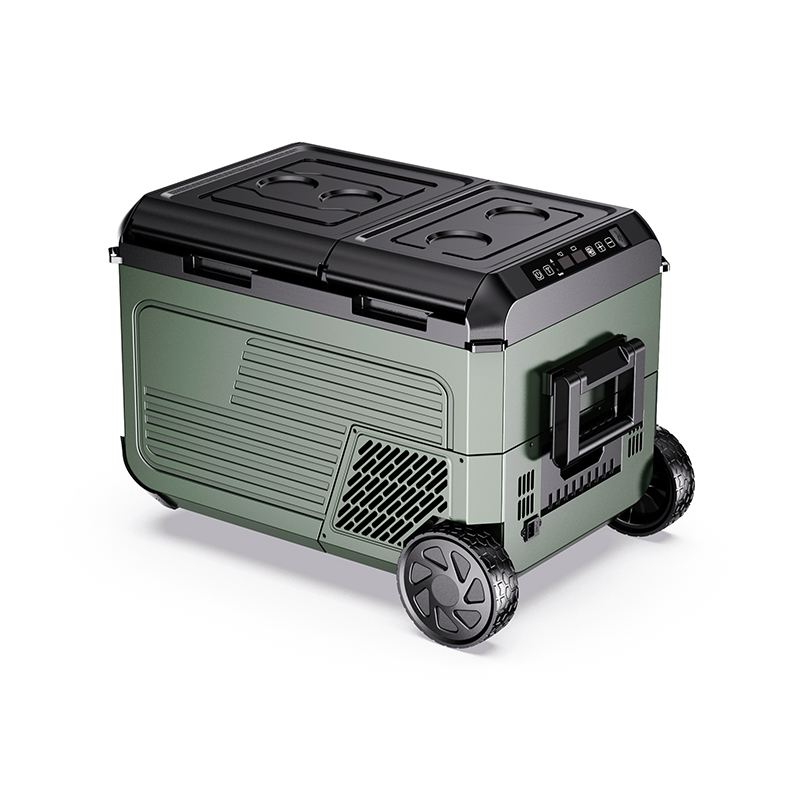 Outdoor Freezer
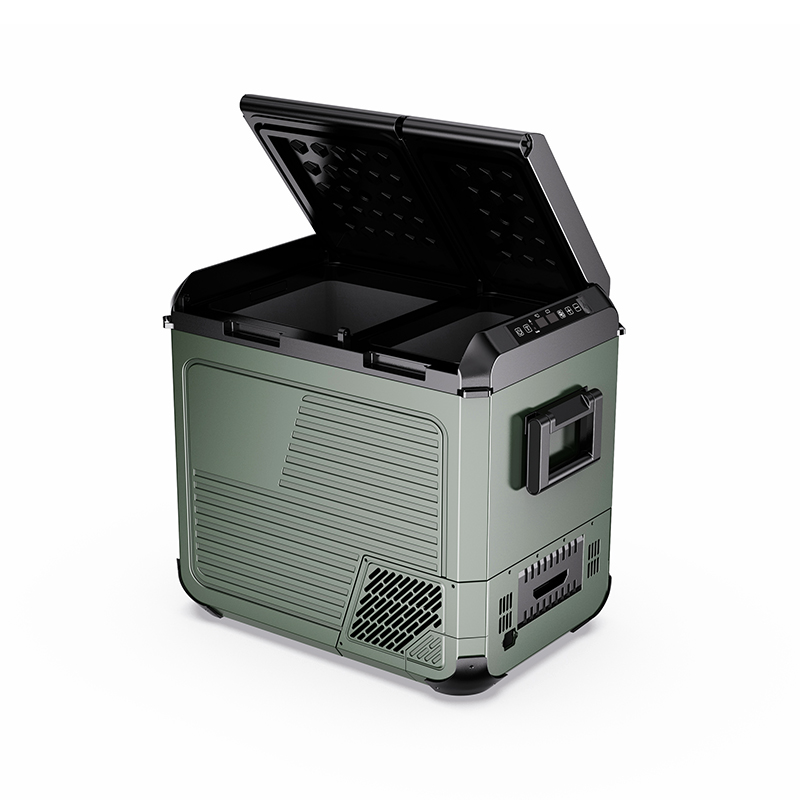 Outdoor Freezer
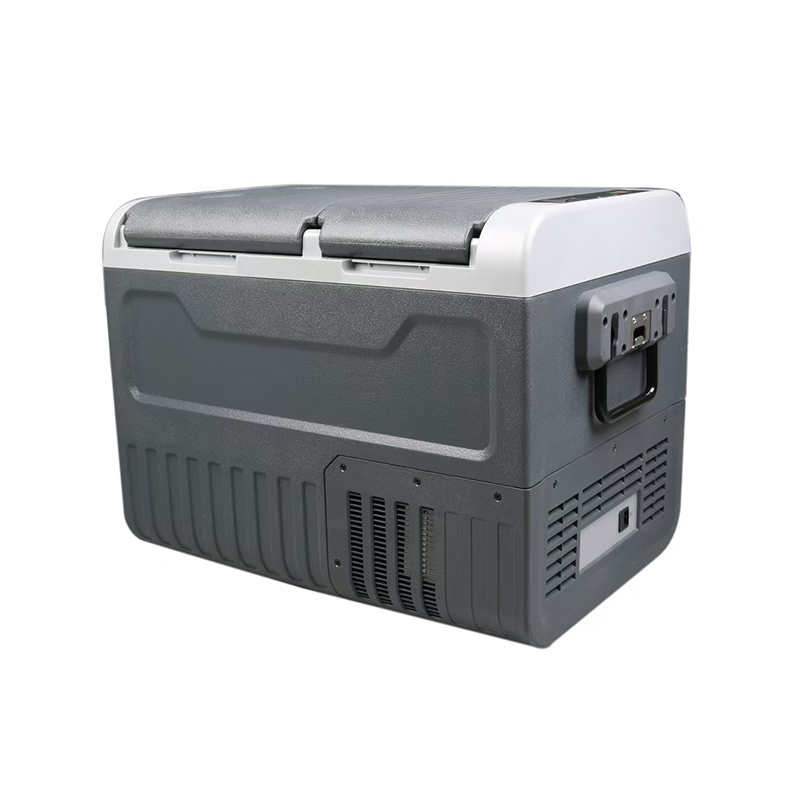 Car Refrigerator
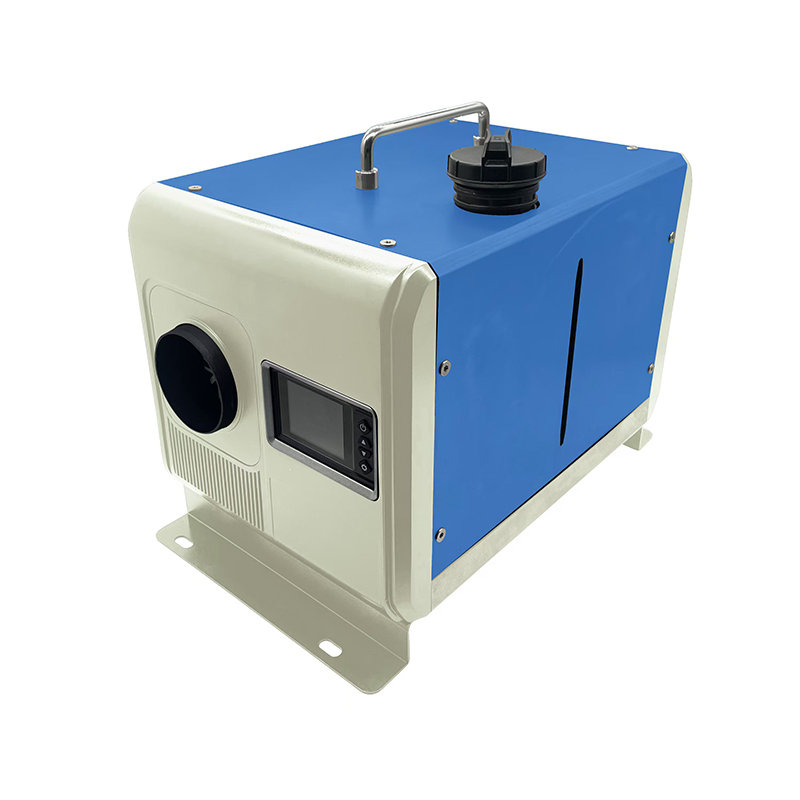 Diesel Heater For Vehicles
+86-18657986688
sale@lkcool.net
Building B, No. 9 Liunan Road, Niubeijin Industrial Zone, Baiyang Street, Jinhua, Zhejiang, China


 English
 Español