Content
Long-haul truck drivers spend many hours inside sleeper cabs, and overnight comfort can affect how easily they relax after a long journey. A Silent Rooftop Parking Air Conditioner offers a different approach to cabin cooling by reducing the need for engine idling while placing the cooling system above the cab.
Noise, however, is not determined by the compressor alone. Fan speed, mounting structure, vibration transfer, airflow design, and operating mode can all influence the sound heard inside the sleeper. Current rooftop parking AC products show a wide range of published noise figures, with some systems specifying around 38–49 dB(A), while other units list levels around 53–65 dB(A).
A truck parked at a rest area may have fewer background sounds than a vehicle traveling on the road. This makes the acoustic character of the air conditioner more noticeable.
These factors explain why a quiet specification should be considered together with the actual installation design. A recent parking AC troubleshooting guide, for example, identifies vibration, fan noise, compressor sounds, and mounting conditions as separate sources of unwanted noise.
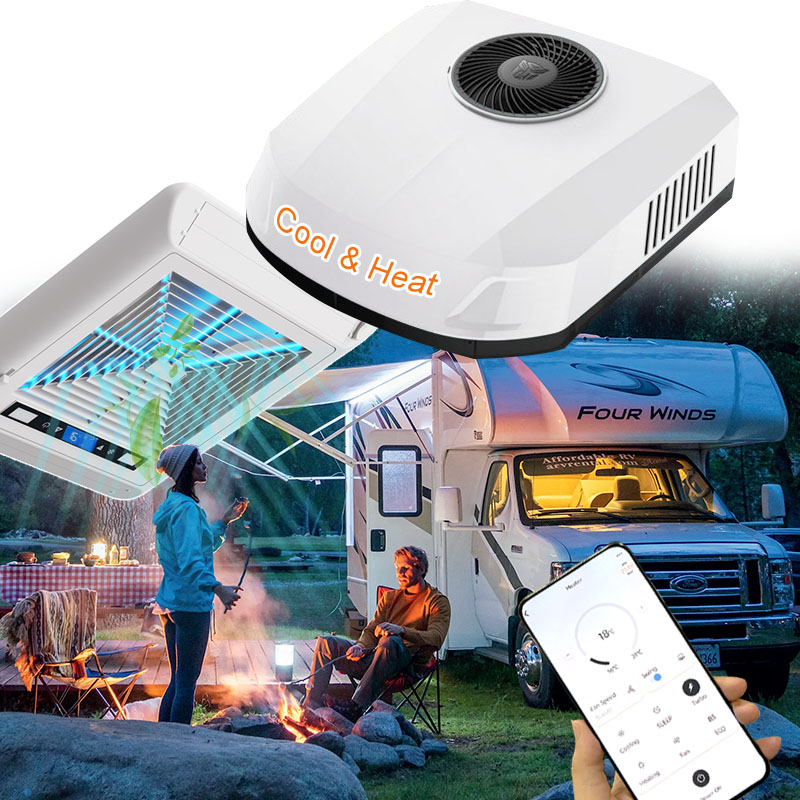
Modern DC parking air conditioners commonly use electric scroll or inverter-type compressors. These designs can regulate cooling output rather than operating at a fixed mechanical speed throughout the entire rest period.
Some 24V rooftop systems use DC inverter scroll compressors with cooling capacities around 2,400–2,600W. A representative 24V unit lists a rated input range of 400–1,000W and a variable operating range designed for different cooling demands.
Fan control is equally important. A system with several fan-speed settings can reduce airflow noise after the sleeper reaches the desired temperature. Some rooftop truck AC systems provide five evaporator fan speeds, while other designs include dedicated sleep or low-noise modes.
The connection between the AC housing and truck roof also affects perceived sound. Rubber sealing materials, properly tightened mounting hardware, and vibration-isolation components can help prevent mechanical vibration from traveling directly into the sleeper structure.
| Specification | Example Range | Why It Matters |
| Night-mode noise | Below 49 dB(A) | Useful reference for overnight operation |
| Low-noise rooftop unit | About 38 dB(A) | Can support a quieter sleeping environment |
| Standard rooftop AC | About 53–65 dB(A) | Shows the variation between product designs |
| Cooling capacity | 2,000–2,600W+ | Indicates available cooling output |
| Electrical system | 12V / 24V DC | Must match the vehicle battery system |
Published specifications should not be treated as directly interchangeable because manufacturers may use different measurement positions and operating conditions. Still, the figures demonstrate why buyers should look beyond cooling capacity alone.
The answer depends on the complete system. A Silent Rooftop Parking Air Conditioner can create a more comfortable sleeping environment by separating cabin cooling from engine operation and reducing mechanical noise associated with idling.
The electrical configuration also matters. A 24V parking AC may draw around 20–35A under certain operating conditions, while inverter-based systems can vary their power demand according to cooling requirements. Battery capacity, ambient temperature, insulation, and the selected temperature setting will therefore influence overnight runtime.
A genuinely comfortable overnight cooling system combines several details: a controlled compressor, balanced fans, vibration isolation, stable mounting, suitable airflow, and an operating mode designed around sleeping conditions.
For drivers who spend regular nights inside a sleeper cab, the value of a Silent Rooftop Parking Air Conditioner is therefore not simply measured by how quickly it lowers cabin temperature. The quieter the cooling system can operate while maintaining a stable sleeping temperature, the less likely the AC itself becomes a distraction during valuable rest hours.
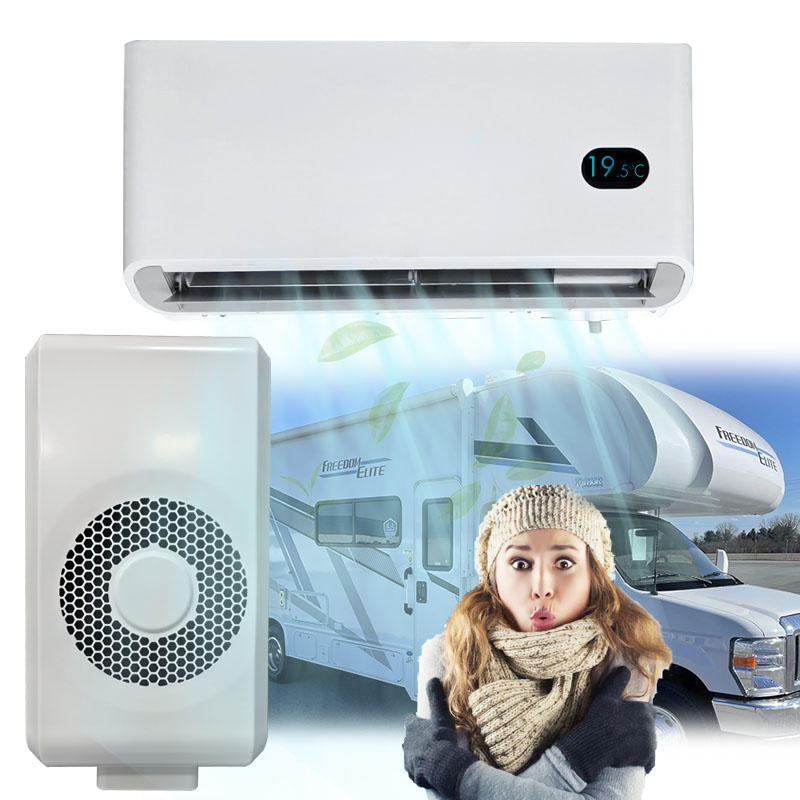 Portable Split Parking Air Conditioner for RV
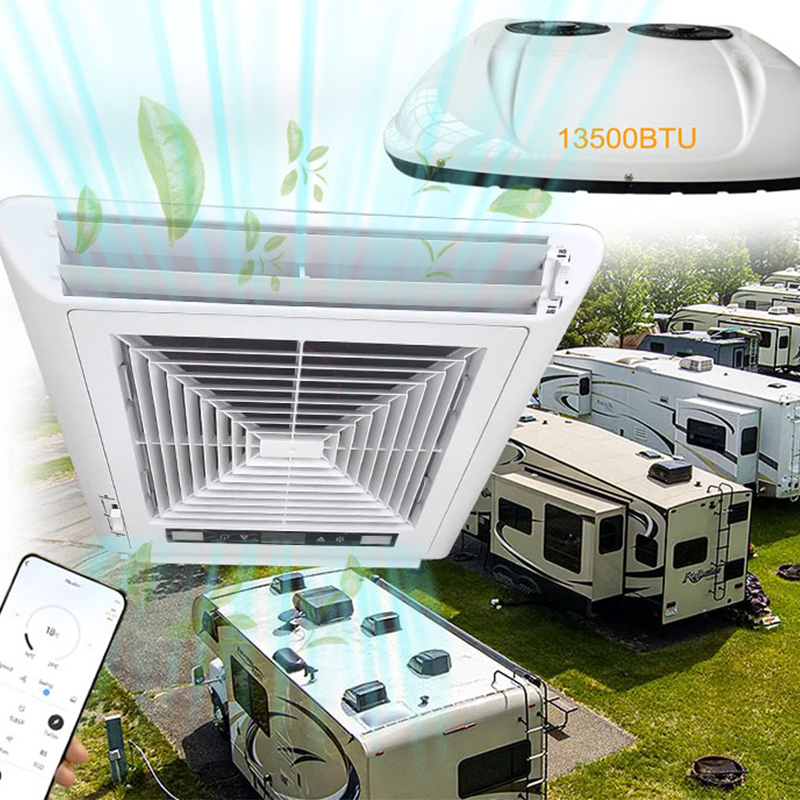 Portable Split Parking Air Conditioner for RV
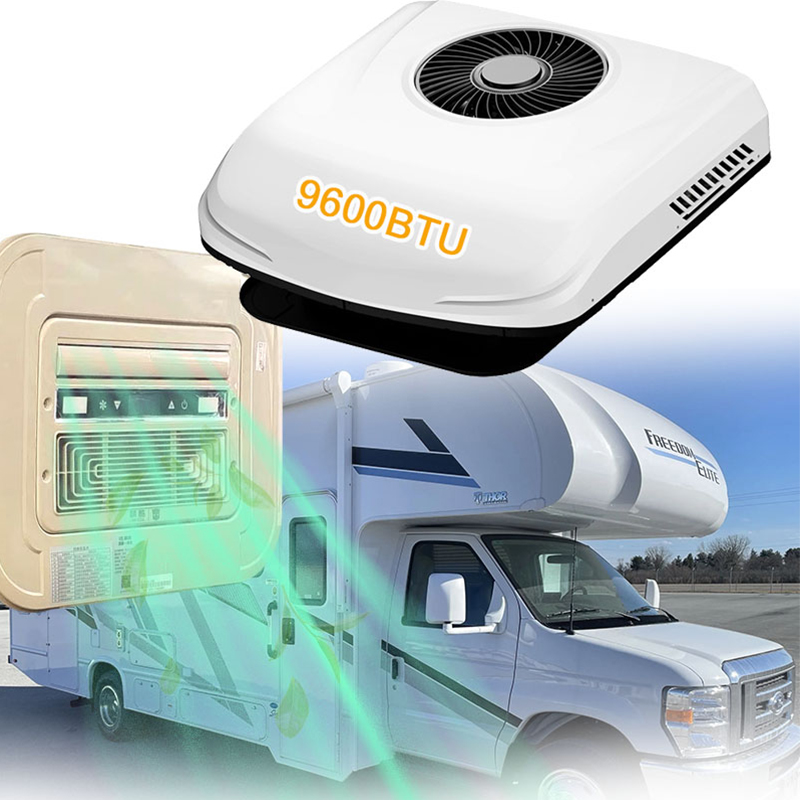 Portable Split Parking Air Conditioner for RV
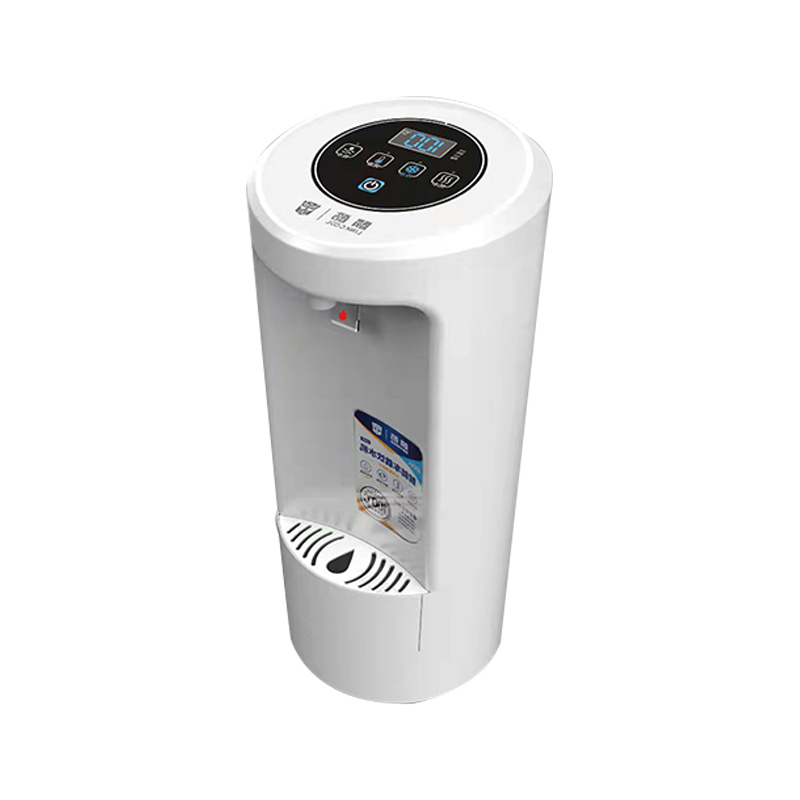 Hot Water Dispenser
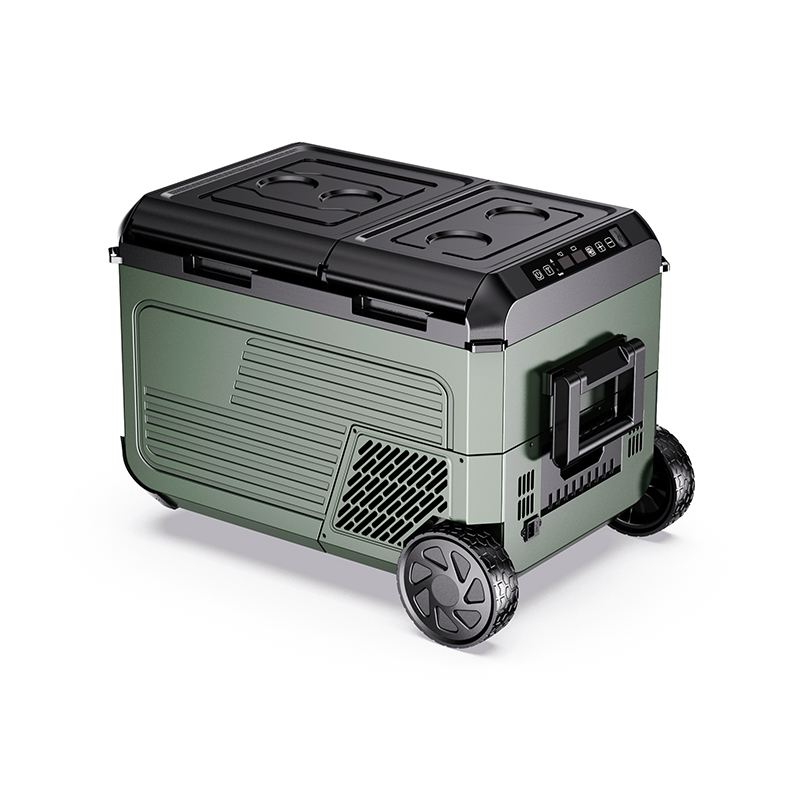 Outdoor Freezer
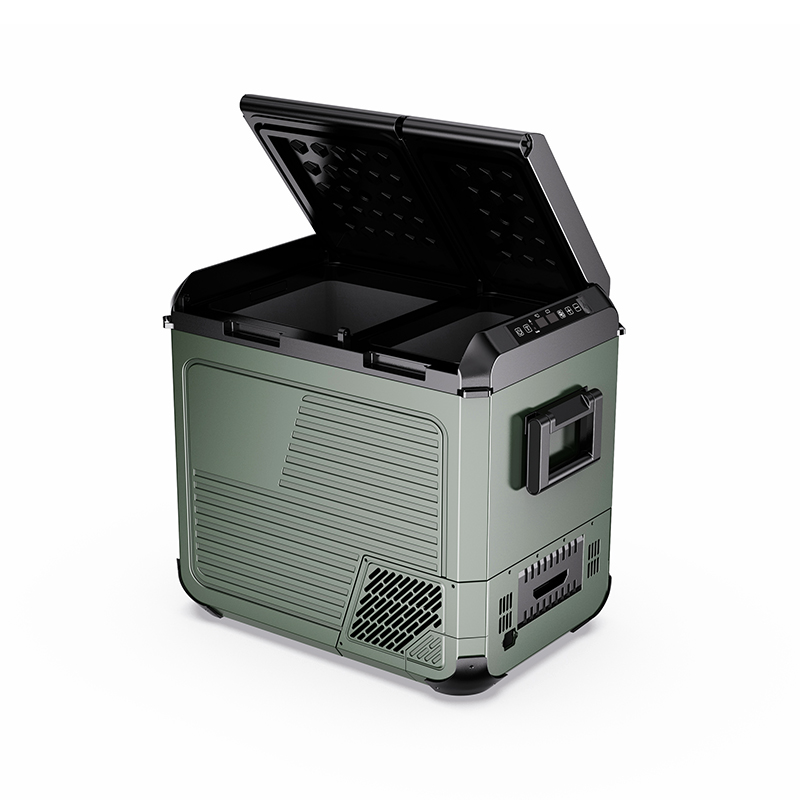 Outdoor Freezer
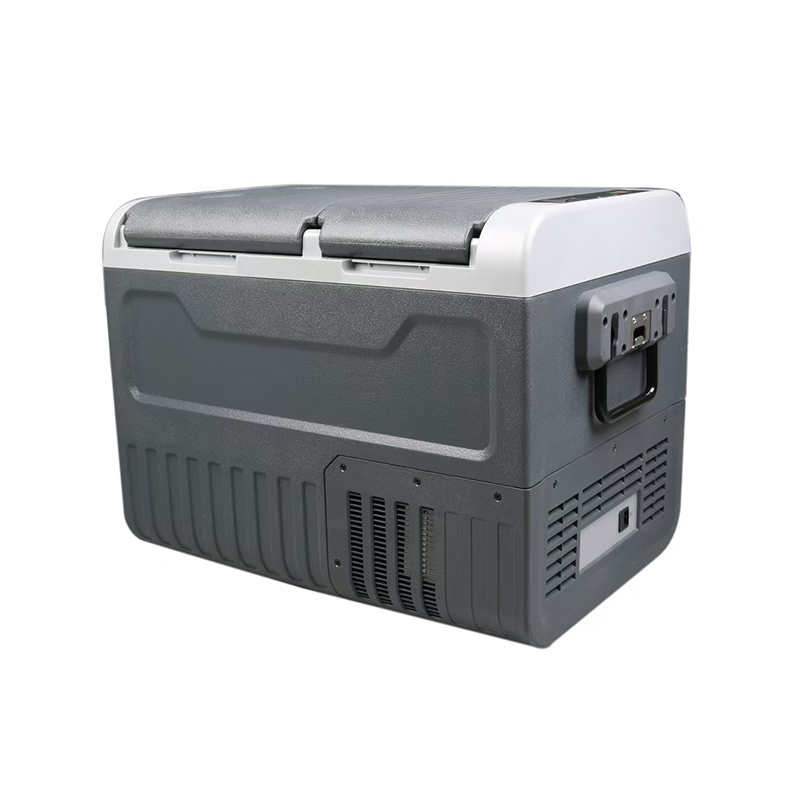 Car Refrigerator
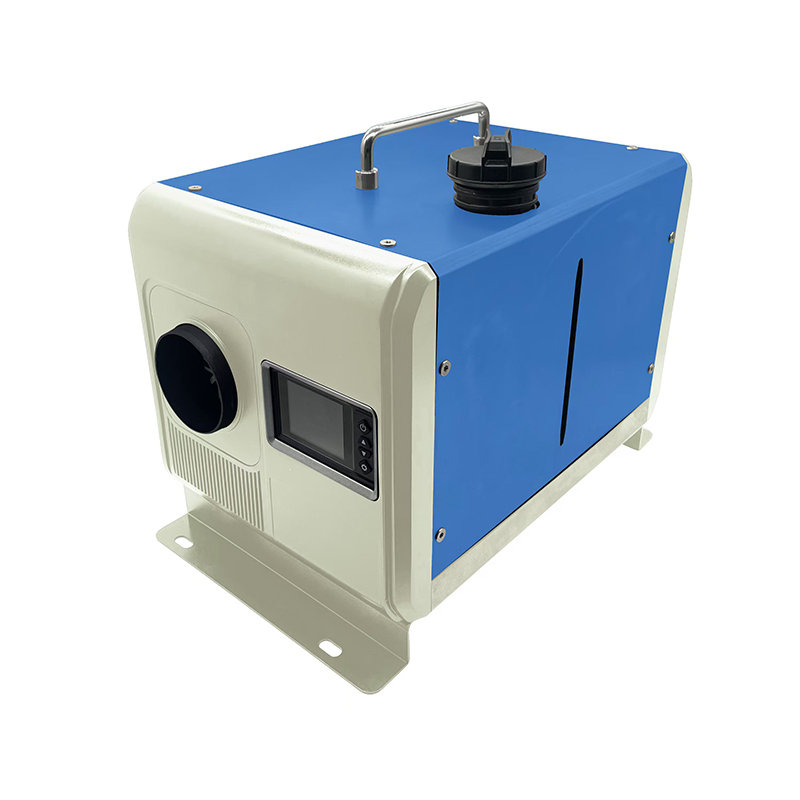 Diesel Heater For Vehicles
+86-18657986688
sale@lkcool.net
Building B, No. 9 Liunan Road, Niubeijin Industrial Zone, Baiyang Street, Jinhua, Zhejiang, China


 English
 Español