Content
Truck air conditioning systems play an essential role in maintaining driver comfort and safety during long-distance travel or daily operations. Proper air conditioning can reduce driver fatigue, improve focus, and maintain a controlled cabin environment in temperatures.
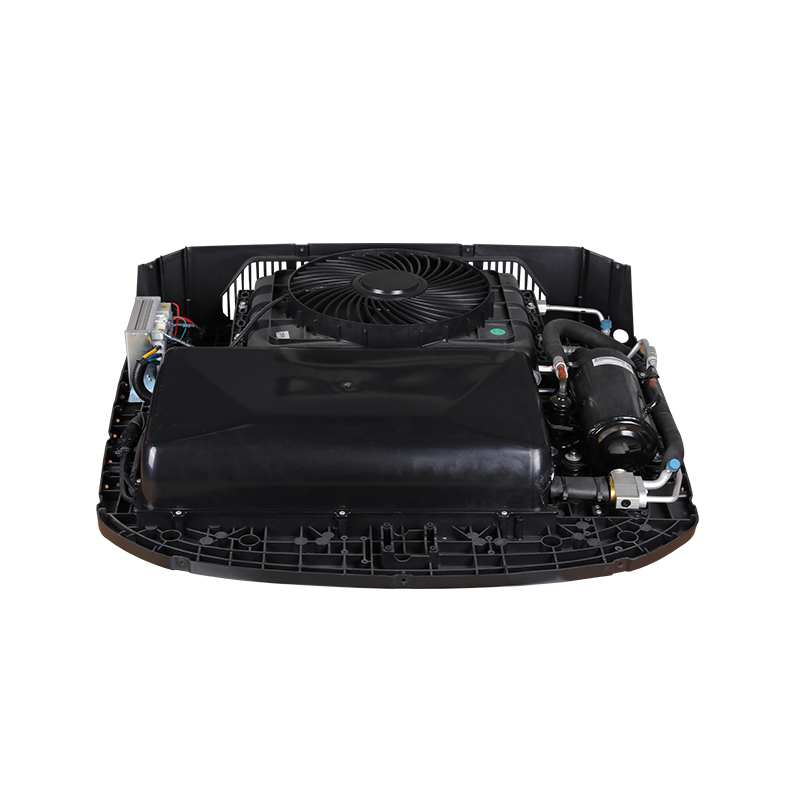
Roof-mounted air conditioners are installed on the top of the truck cabin. These systems are particularly common in larger trucks and long-haul vehicles, providing efficient cooling without occupying cabin space.
Key Features:
Applications:
Considerations:
Dashboard or under-seat systems are integrated within the cabin, typically beneath the dashboard or seats. These systems are compact and designed to maintain cabin comfort while disruption to the interior layout.
Key Features:
Compact design fits within the vehicle’s interior.
Uses standard components such as compressors and evaporators adapted for smaller spaces.
Often includes adjustable vents for targeted airflow.
Applications:
Common in medium-duty trucks and smaller commercial vehicles.
Suitable for urban delivery trucks or vehicles with frequent stop-and-go operations.
Considerations:
Cooling coverage may be less uniform compared to roof-mounted systems.
Requires efficient placement of vents to ensure driver comfort.
Maintenance may be simpler, but accessing internal components can require partial disassembly.
Auxiliary or split-type systems are designed as supplemental air conditioning units, often used alongside the main truck air conditioner. These systems can provide additional cooling for drivers resting in the cabin or for specific sections of the truck.
Key Features:
Applications:
Considerations:
Truck air conditioning systems can be classified into three main types: roof-mounted, dashboard or under-seat, and auxiliary or split-type systems. Roof-mounted systems provide efficient cooling for long-haul and larger trucks but may require structural adjustments and have higher maintenance complexity. Dashboard or under-seat systems are compact and suitable for medium-duty trucks, offering convenient installation but sometimes limited airflow coverage. Auxiliary or split-type systems serve as supplemental solutions, enhancing comfort in sleeper cabs or specific compartments, although they may increase energy use and installation complexity. Understanding these classifications allows truck operators and manufacturers to select the system that aligns with operational needs, climate conditions, and cabin configuration, ensuring effective temperature management and improved driver comfort.
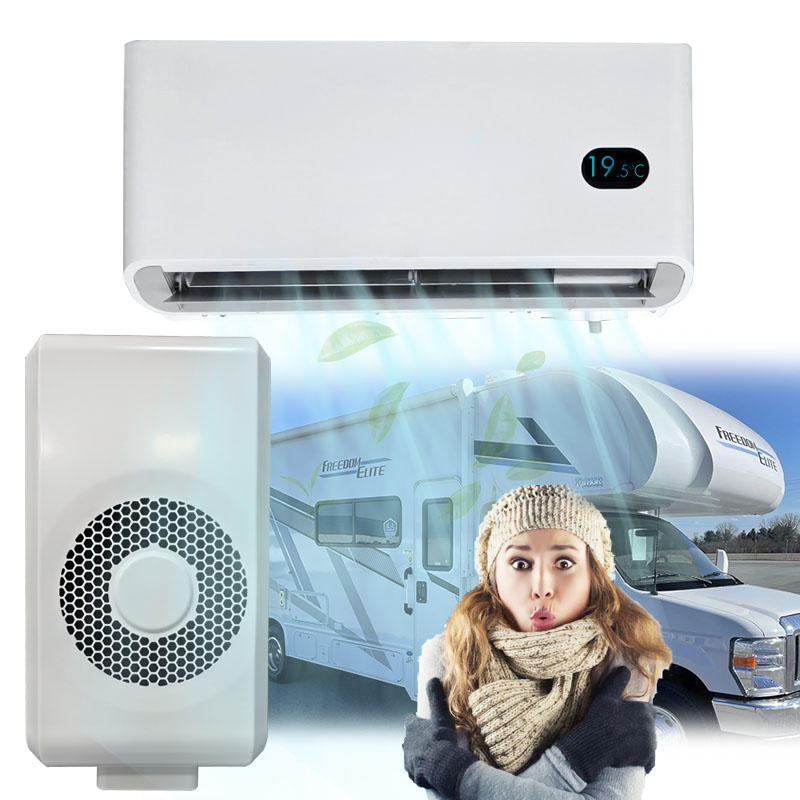 Portable Split Parking Air Conditioner for RV
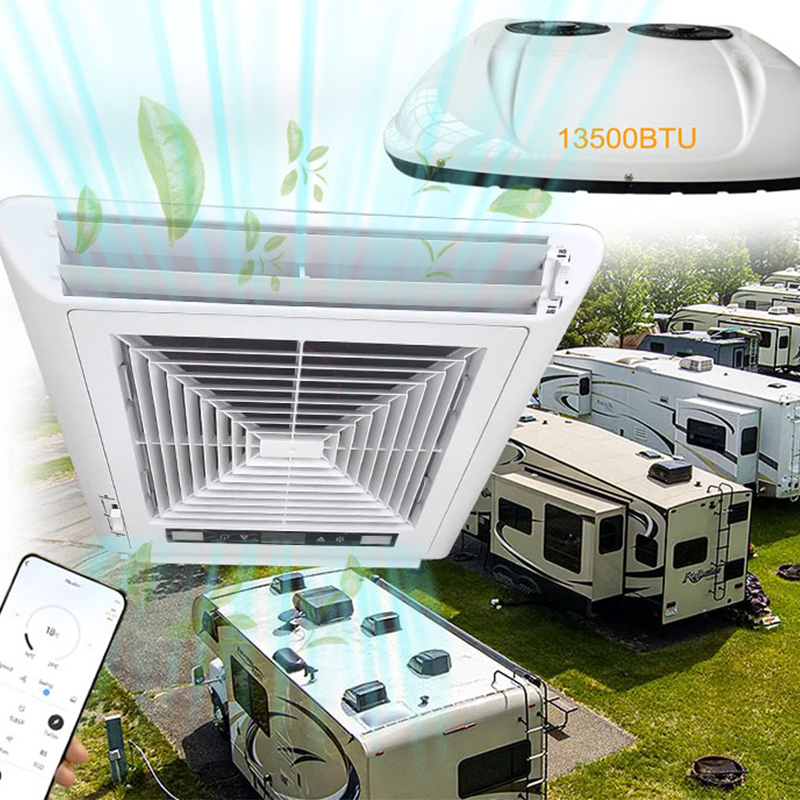 Portable Split Parking Air Conditioner for RV
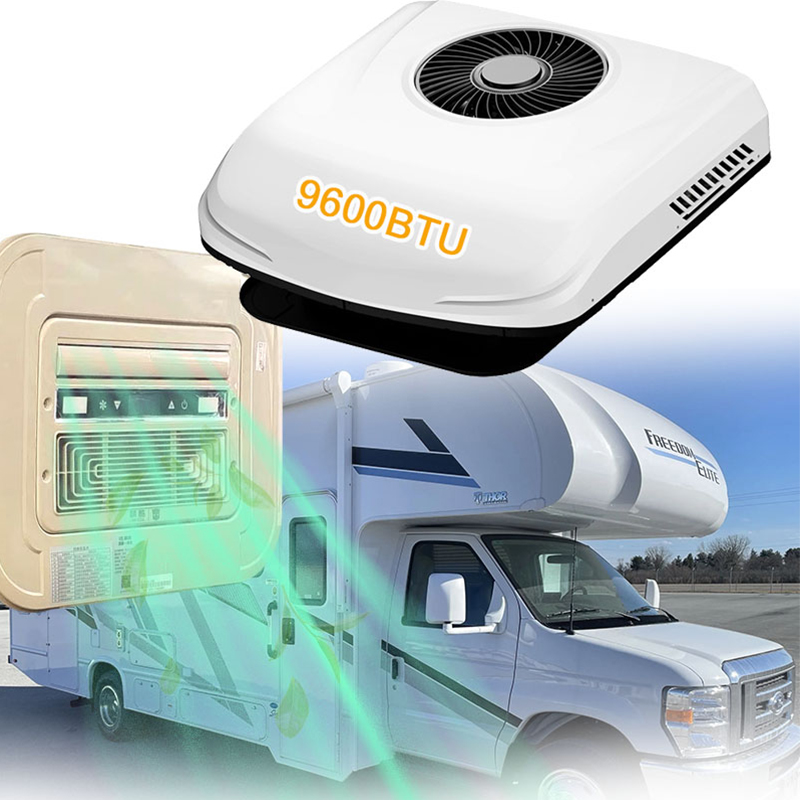 Portable Split Parking Air Conditioner for RV
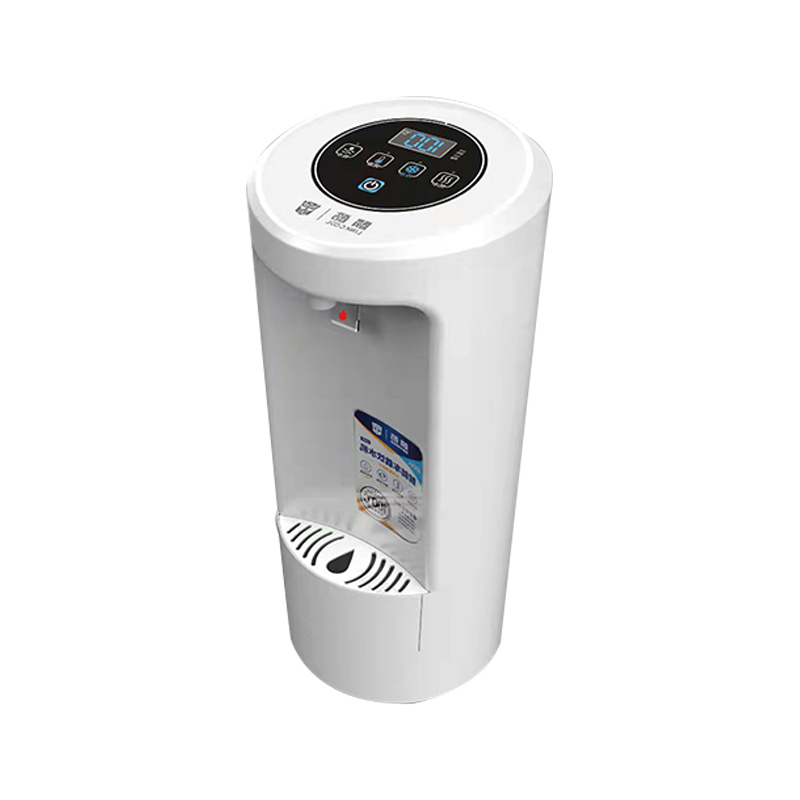 Hot Water Dispenser
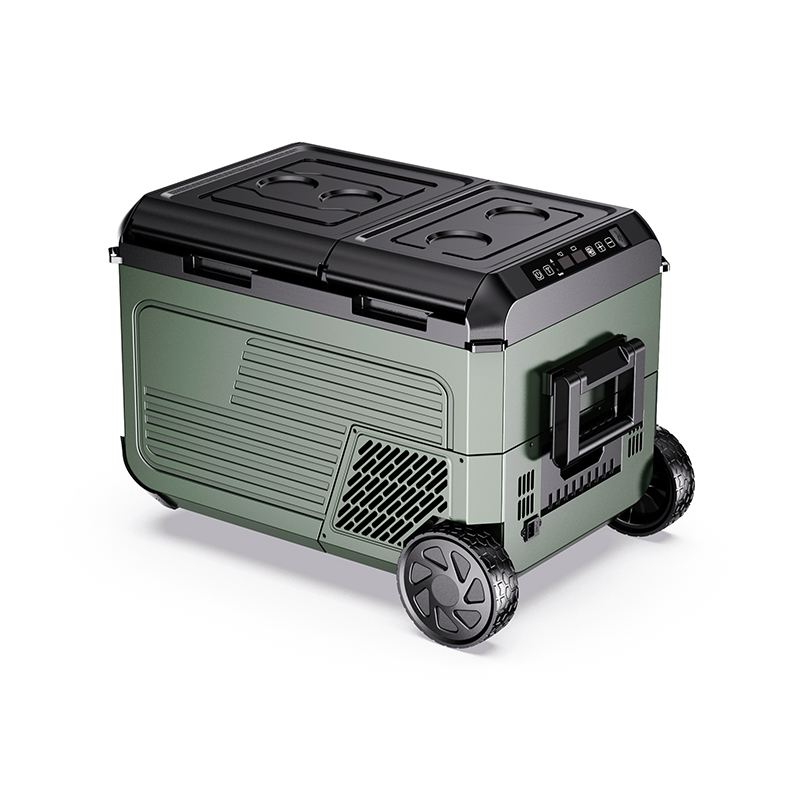 Outdoor Freezer
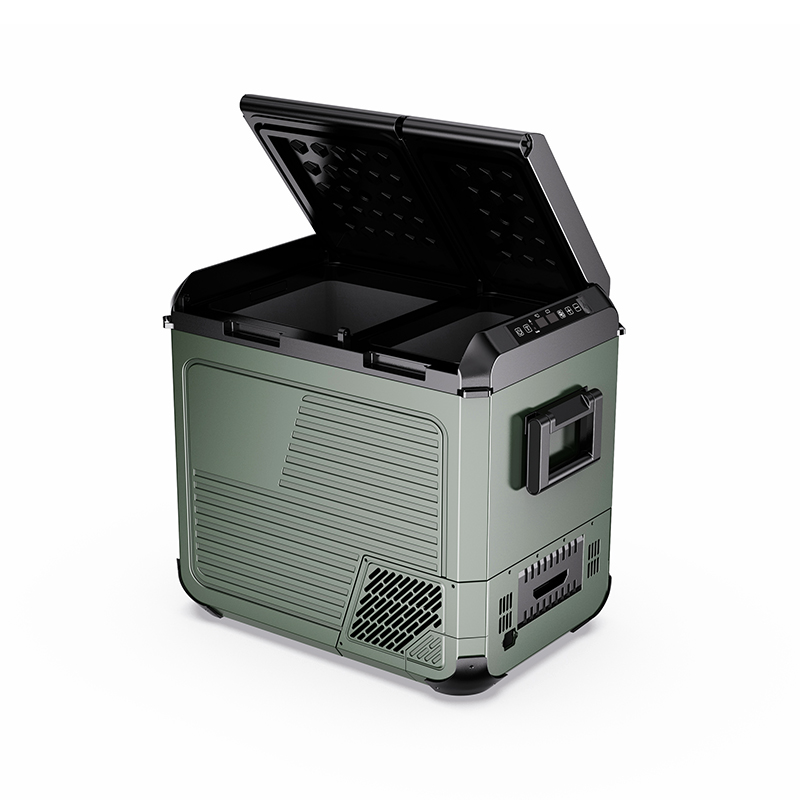 Outdoor Freezer
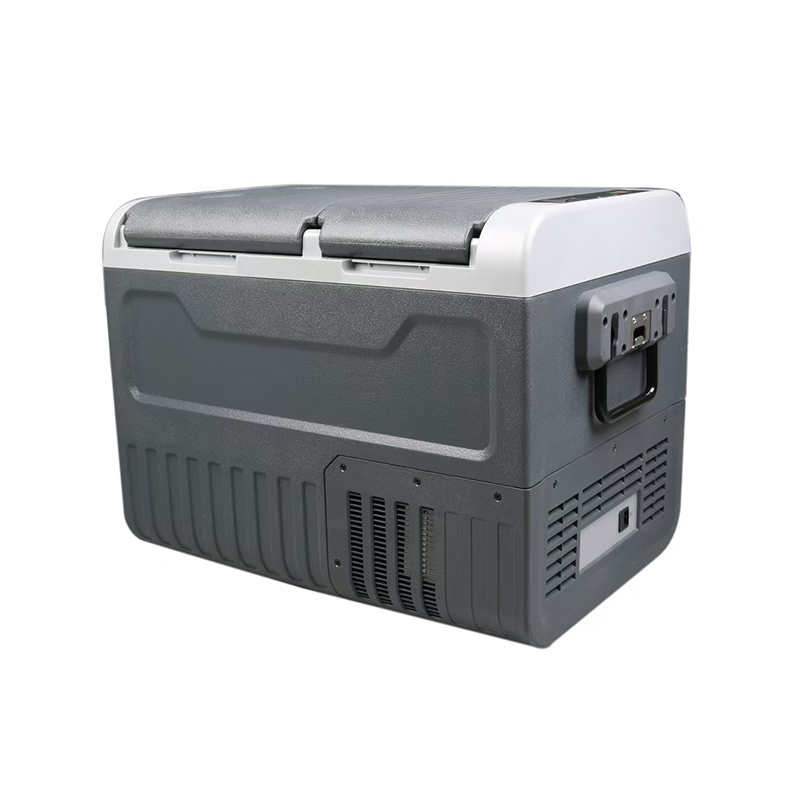 Car Refrigerator
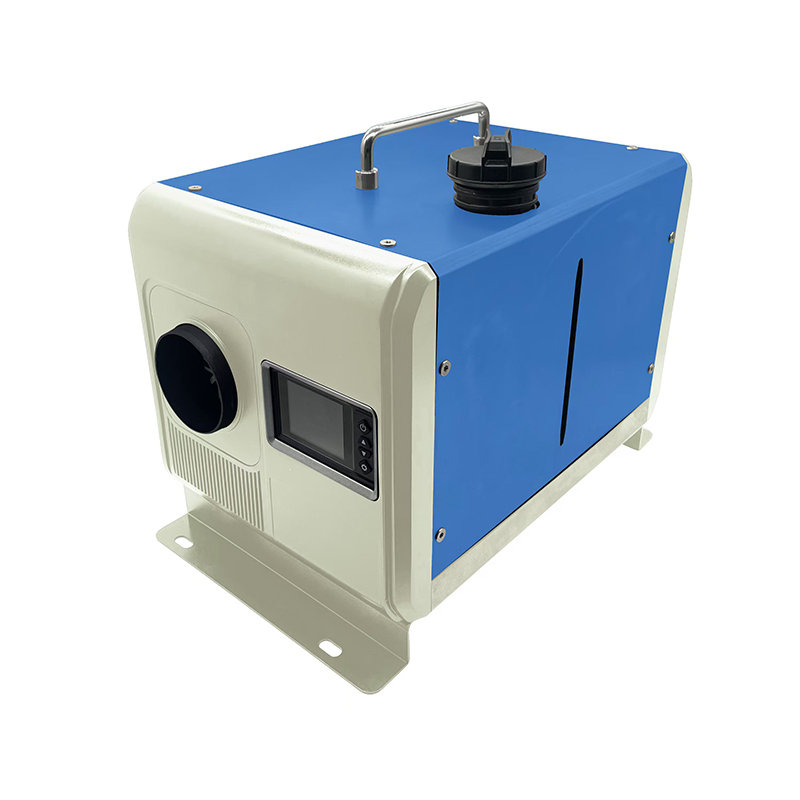 Diesel Heater For Vehicles
+86-18657986688
sale@lkcool.net
Building B, No. 9 Liunan Road, Niubeijin Industrial Zone, Baiyang Street, Jinhua, Zhejiang, China


 English
 Español