Content
The landscape of 12V air conditioning solutions is defined by their installation method and cooling technology, each with distinct operational characteristics.
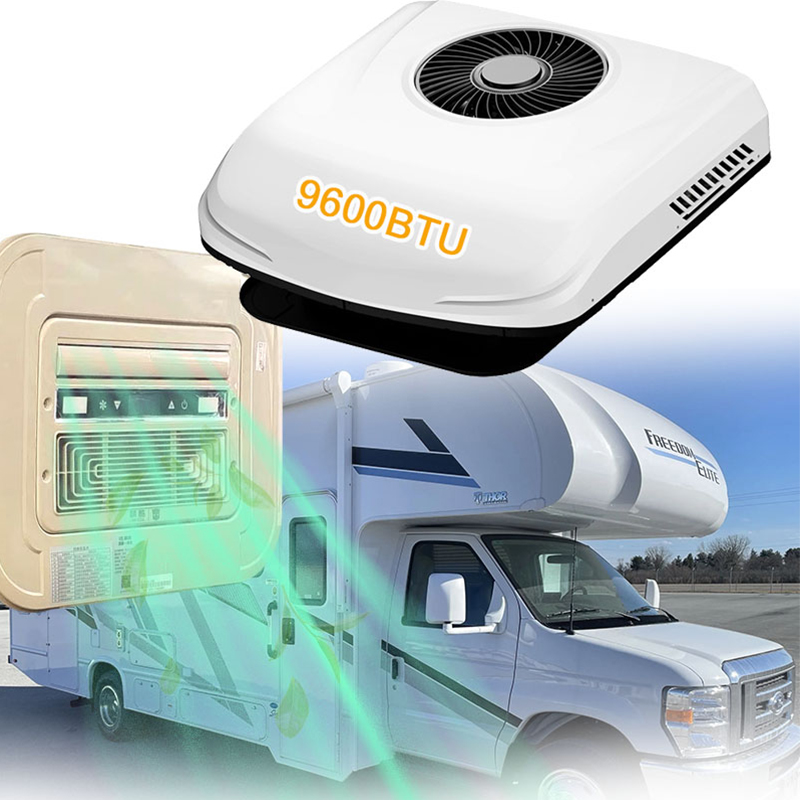
Overhead Console/Dash-Mounted Units: These are self-contained systems often installed on the ceiling or dashboard of vans, campers, or truck cabins. They house the compressor, condenser, evaporator, and blower in a single casing, with ducts to direct air. Installation is relatively straightforward, but they consume interior headspace.
Underseat or Compact Standalone Units: Designed to fit under a seat or in a footwell, these space-saving systems separate the evaporator/blower assembly from the condenser/compressor unit, which is typically mounted externally. This requires drilling for refrigerant lines but preserves interior room.
Split System Units: Similar in concept to residential mini-splits, these separate the indoor evaporator/air handler from the outdoor condenser/compressor unit. They are common in customized camper vans and small cabins, offering flexible interior placement and quieter operation inside the living space.
Absorption Cooler Units (12V DC): A less common alternative that uses a heat source (often propane combustion) to drive the cooling cycle, with a 12V system powering only the control fans and pumps. These are not true compressor-based AC units but serve a similar end-purpose in specific off-grid scenarios.
Common Applications and Use Cases
The deployment of 12V air conditioners is dictated by the need for mobile, battery-compatible cooling in environments where standard grid power is unavailable or impractical.
Mobile Living and Recreational Vehicles
This is the prevalent application. 12V AC units are installed in camper vans, conversion vans, overland vehicles, recreational vehicles (RVs), and sailboats. Their function is to provide climate control for occupants during travel or stationary camping, making enclosed spaces habitable in warm weather. Their efficiency and low power draw are critical, as they must operate for extended periods from the vehicle's auxiliary battery bank, often supplemented by solar panels.
Commercial Vehicle Cabins
In the trucking and transport industries, these systems are used for sleeper berth climate control. They allow drivers to rest comfortably with the engine off, reducing fuel consumption and emissions compared to idling the main engine to run a traditional AC system. This application prioritizes reliability and energy efficiency to maximize battery life overnight.
Small Enclosures and Critical Storage
12V air conditioners are employed in specialized mobile enclosures that require temperature management. Examples include cooling compartments for medical transport (certain pharmaceuticals), electronic equipment cabinets in mobile command units, or climate control for small animal habitats during transportation. In these contexts, precise temperature stability and system reliability are key functional requirements.
Successful and safe operation of a 12V air conditioning system depends on adherence to specific electrical, installation, and maintenance protocols.
Electrical System Compatibility and Capacity
Battery and Charging Source: The vehicle or system's battery bank must have sufficient amp-hour (Ah) capacity to support the AC unit's current draw, which can be substantial (often 30-60 amps). A robust multi-stage charging system (alternator, solar controller, shore power charger) is necessary to recharge the batteries adequately.
Wiring and Circuit Protection: Installation must use correctly gauged wiring to handle high current over the required distance, minimizing voltage drop. Appropriate fuses or circuit breakers must be installed on the positive lead as close to the battery as possible for safety.
Adequate Ventilation for Condenser: The condenser (heat rejection) component requires a consistent flow of ambient air. Installing it in a confined, unventilated space will cause the system to overheat, lose efficiency, and potentially fail.
Runtime Management: Users must monitor battery voltage to prevent deep discharge, which can permanently damage batteries. Runtime is finite and depends on battery capacity, external temperature, and the unit's set temperature.
Refrigerant Integrity: The sealed refrigerant circuit should only be serviced by qualified technicians. Piercing lines or improper handling can cause system failure and environmental harm.
Maintenance Requirements
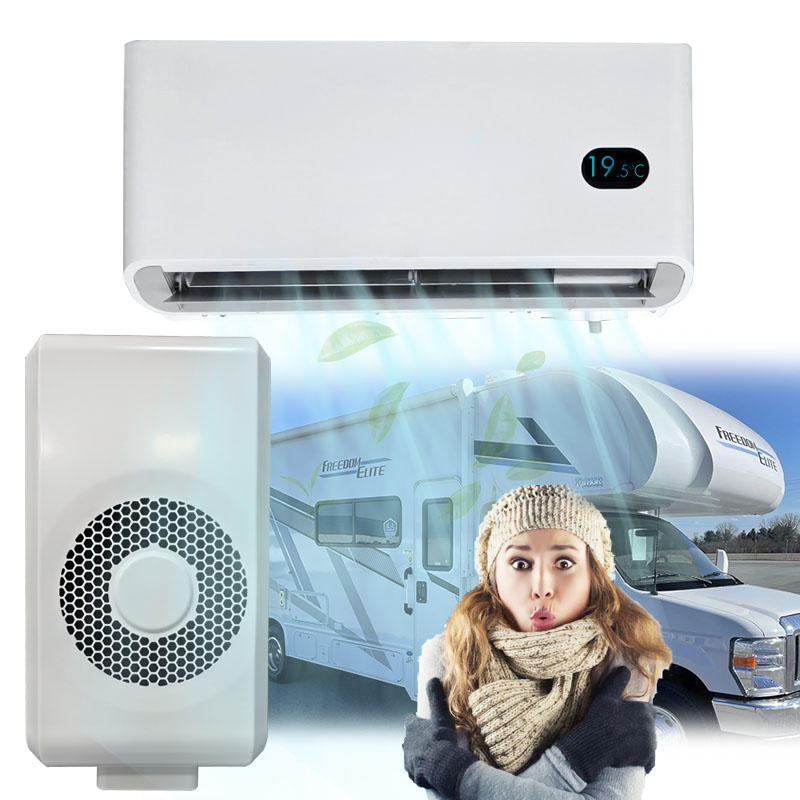 Portable Split Parking Air Conditioner for RV
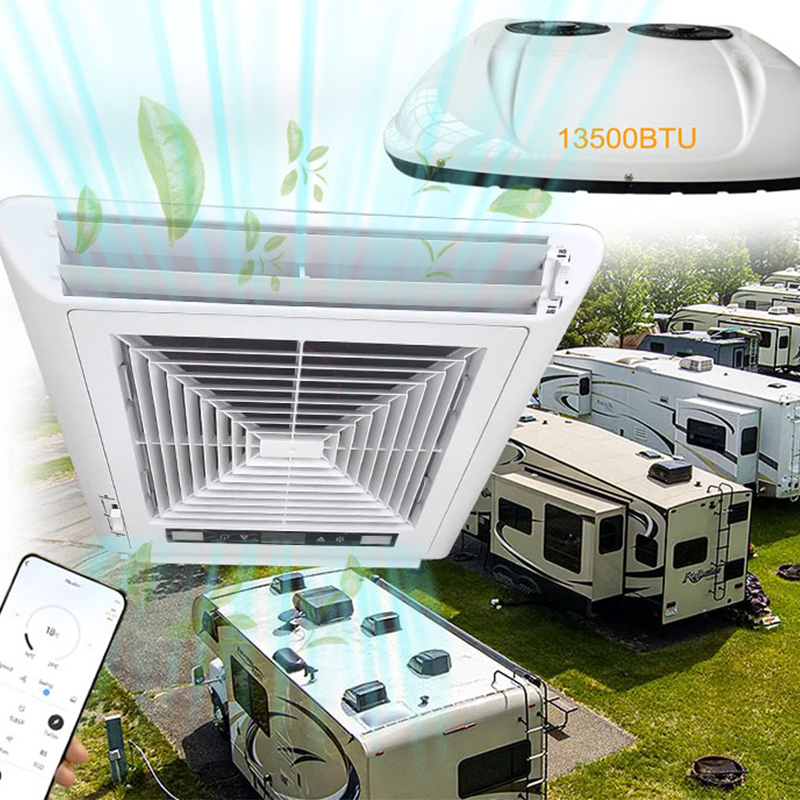 Portable Split Parking Air Conditioner for RV
Portable Split Parking Air Conditioner for RV
Portable Split Parking Air Conditioner for RV
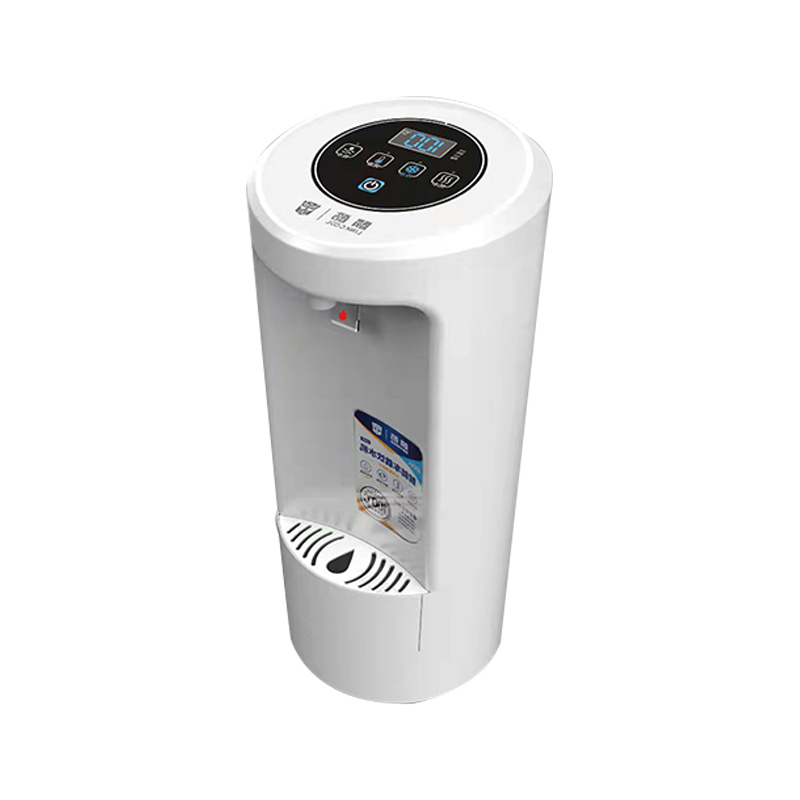 Hot Water Dispenser
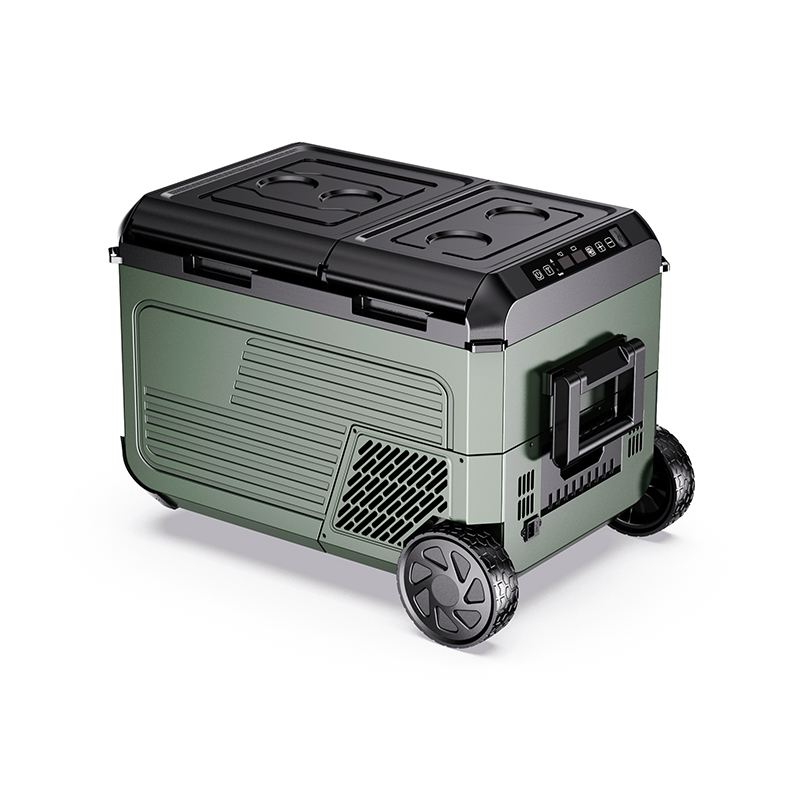 Outdoor Freezer
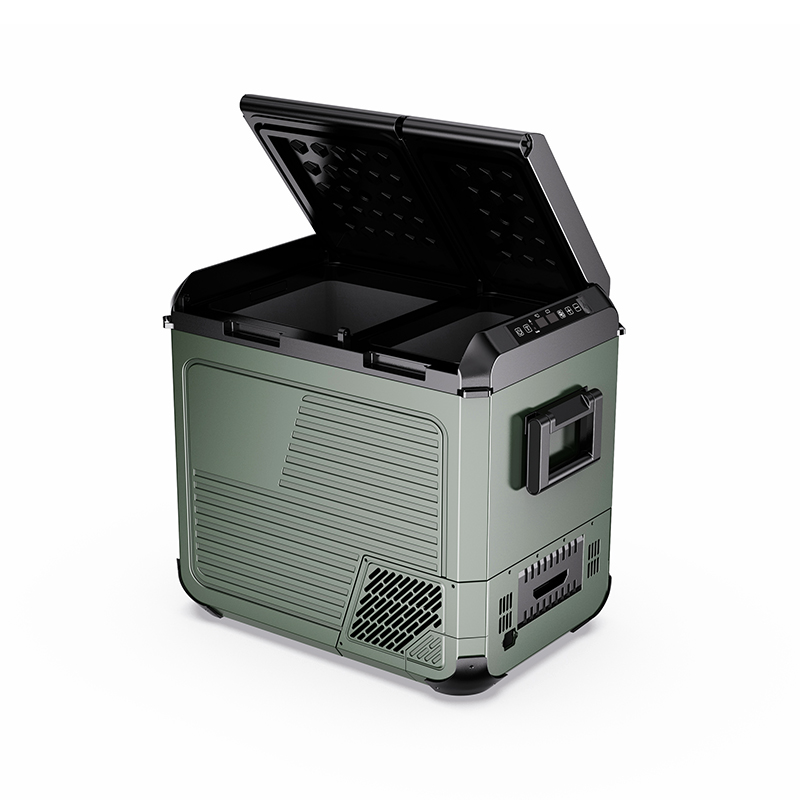 Outdoor Freezer
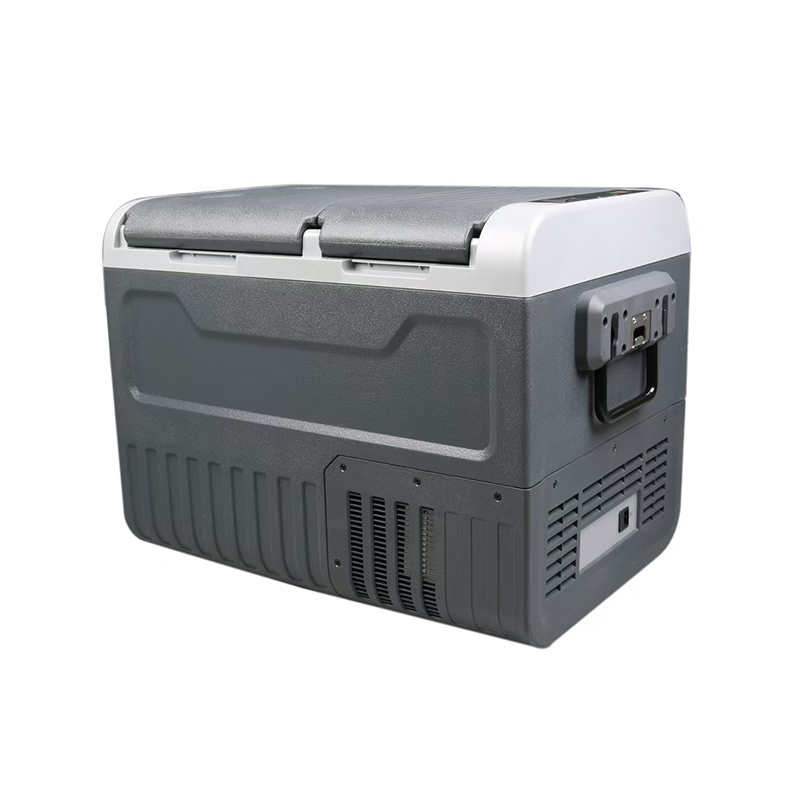 Car Refrigerator
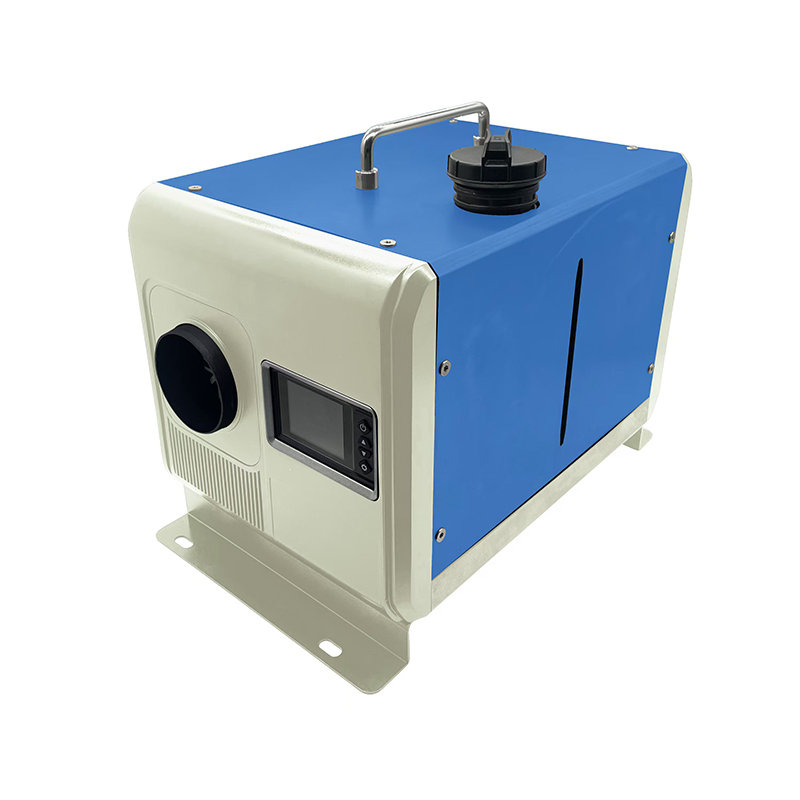 Diesel Heater For Vehicles
+86-18657986688
sale@lkcool.net
Building B, No. 9 Liunan Road, Niubeijin Industrial Zone, Baiyang Street, Jinhua, Zhejiang, China


 English
 Español