1. Types of RV Air Conditioners
There are primarily two types of air conditioners commonly used in RVs: roof-mounted units and portable units. Each type offers its own set of advantages depending on the RV size, the number of occupants, and specific climate control needs.
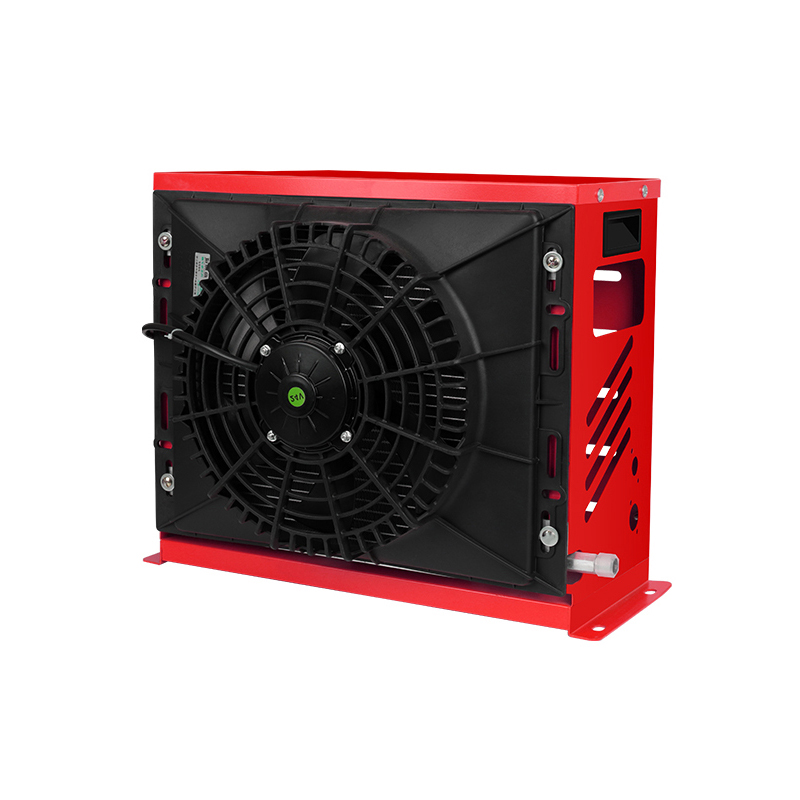
Roof-Mounted Units:
Roof-mounted RV air conditioners are the most common type and are typically built directly into the RV’s roof. These units are favored for their ability to save space inside the RV and provide more effective cooling.
Portable Units:
Portable air conditioners are another option, though they are less common than roof-mounted units. These units are typically placed inside the RV and require venting through a window.
Flexibility: Portable units are easy to move around within the RV, allowing for more flexibility in cooling different sections of the RV.
Installation: These units are simpler to install, often requiring only a window vent kit, but they may be less effective in larger RVs due to their smaller size.
|
Type |
Advantages |
Disadvantages |
|
Roof-Mounted |
Space-saving, higher cooling capacity, permanent |
Requires roof installation, higher cost |
|
Portable |
Easy to install, flexible placement, lower cost |
Less cooling capacity, takes up floor space |
2. Energy Consumption and Efficiency
One of the most critical factors to consider when choosing an RV air conditioner is its energy consumption. Since RVs typically rely on limited power sources like batteries or generators, choosing an energy-efficient unit is important for ensuring long-term usability.
Energy Usage:
Wattage: The power consumption of an RV air conditioner is typically measured in watts, with most units ranging between 1,000 and 2,000 watts. The higher the wattage, the more electricity the unit consumes.
Efficiency Ratings: Many RV air conditioners come with an Energy Efficiency Ratio (EER) or Seasonal Energy Efficiency Ratio (SEER) rating, which indicates how much cooling is provided per watt of power consumed. A higher EER or SEER rating means a more efficient unit.
Power Sources:
Electricity: RV air conditioners are typically powered by shore power, a generator, or an inverter. Using shore power (direct connection to a power source) offers the most energy-efficient option, as generators and inverters may drain the RV’s battery more quickly.
Battery Use: Some RV air conditioners are designed to run off batteries or solar panels, but these units generally have lower power consumption to conserve energy. They may not be as powerful as their generator or shore power counterparts but are useful for boondocking or off-grid camping.
Energy-Saving Features:
Thermostats and Timers: Many modern RV air conditioners come with programmable thermostats and timers that can help minimize unnecessary energy use by automatically shutting off when the desired temperature is reached or when the unit is not in use.
3. Installation and Maintenance
Installing and maintaining an RV air conditioner properly is essential for ensuring it operates efficiently and lasts for many years.
Installation Considerations:
Maintenance Tips:
4. Cost Considerations
The cost of an RV air conditioner is another important factor to consider, as it can vary depending on the type, features, and brand.
Initial Cost:
Operational Costs:
Long-Term Investment:
Warranty and Service:
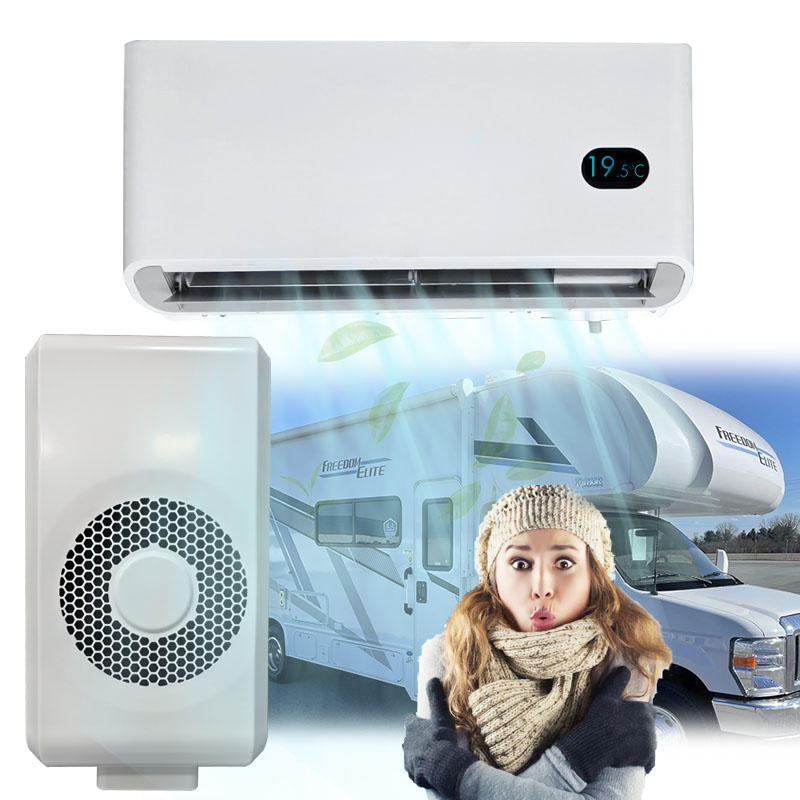 Portable Split Parking Air Conditioner for RV
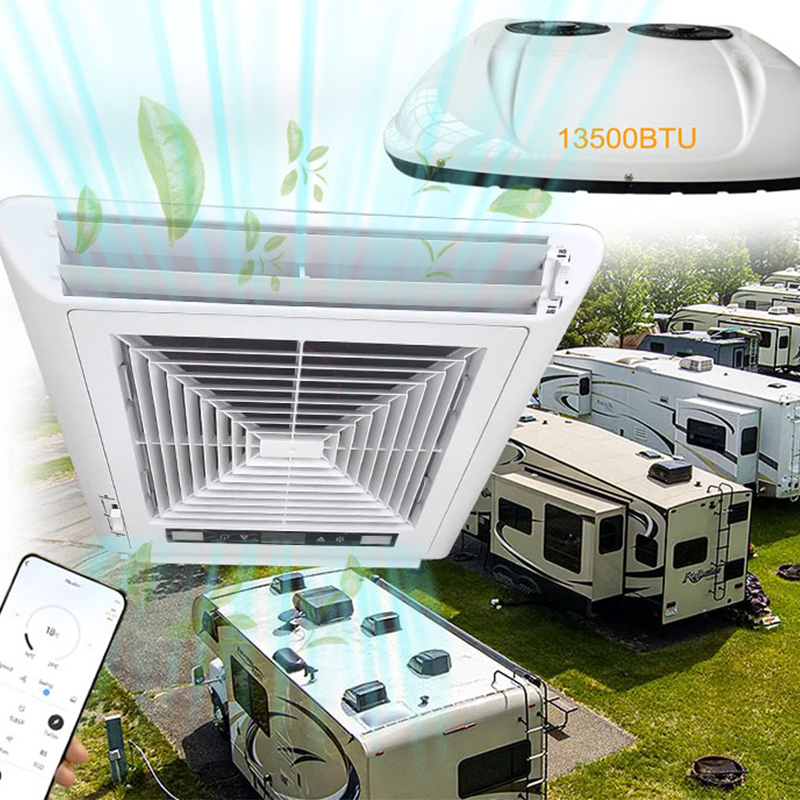 Portable Split Parking Air Conditioner for RV
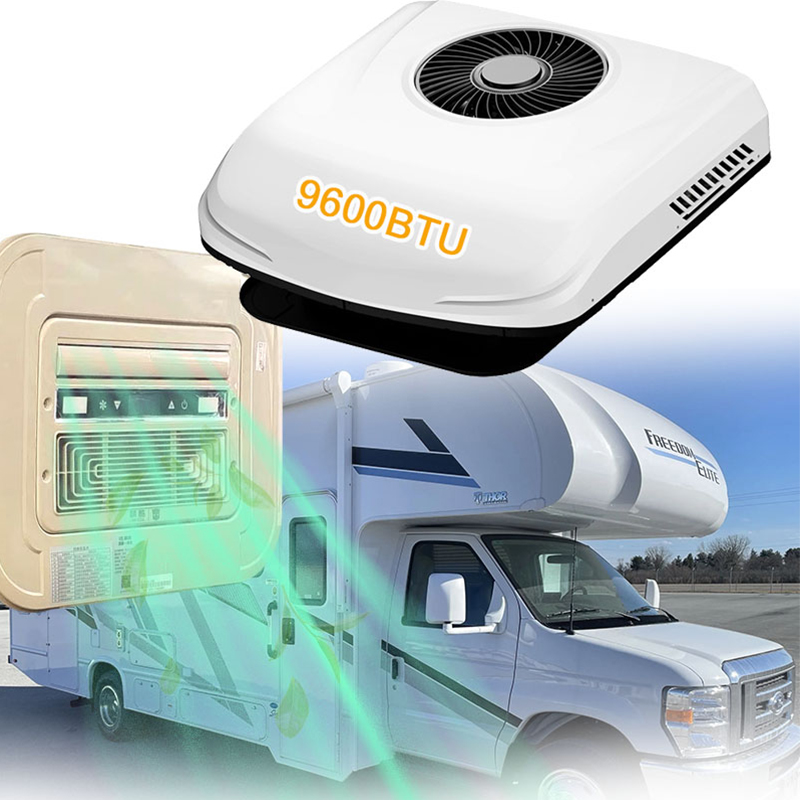 Portable Split Parking Air Conditioner for RV
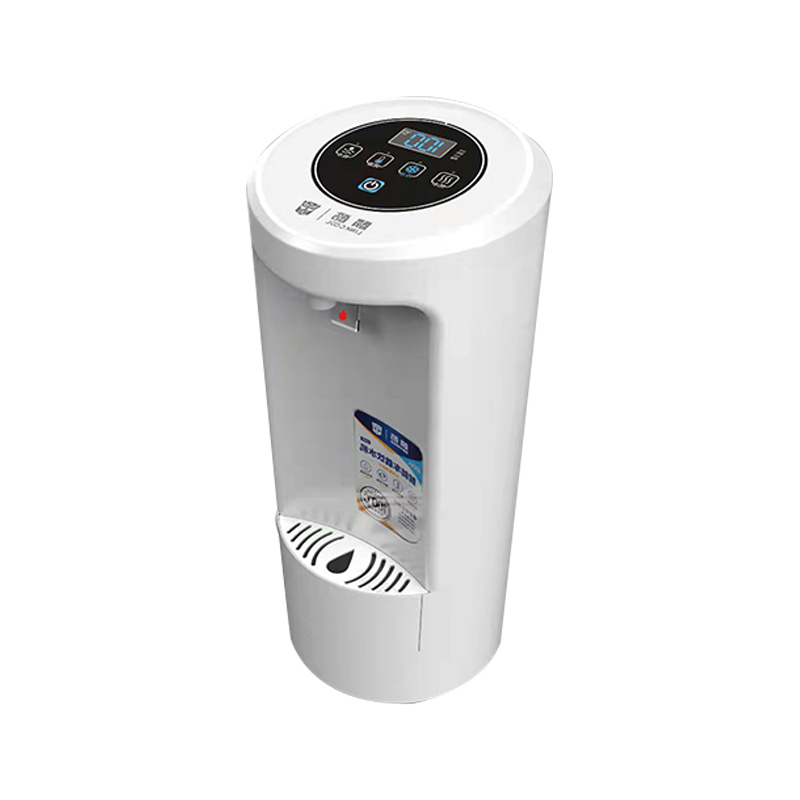 Hot Water Dispenser
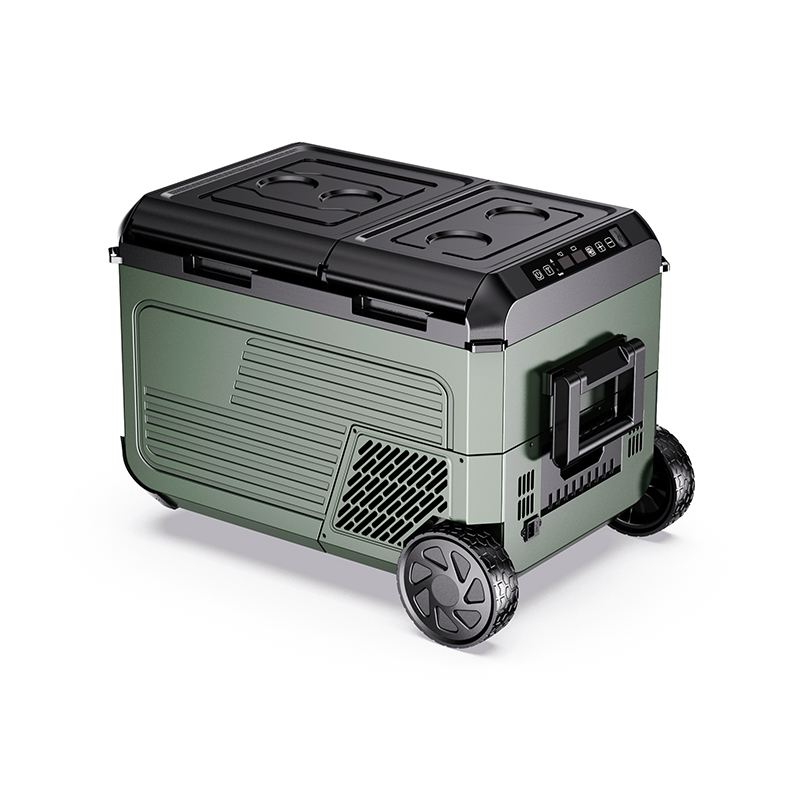 Outdoor Freezer
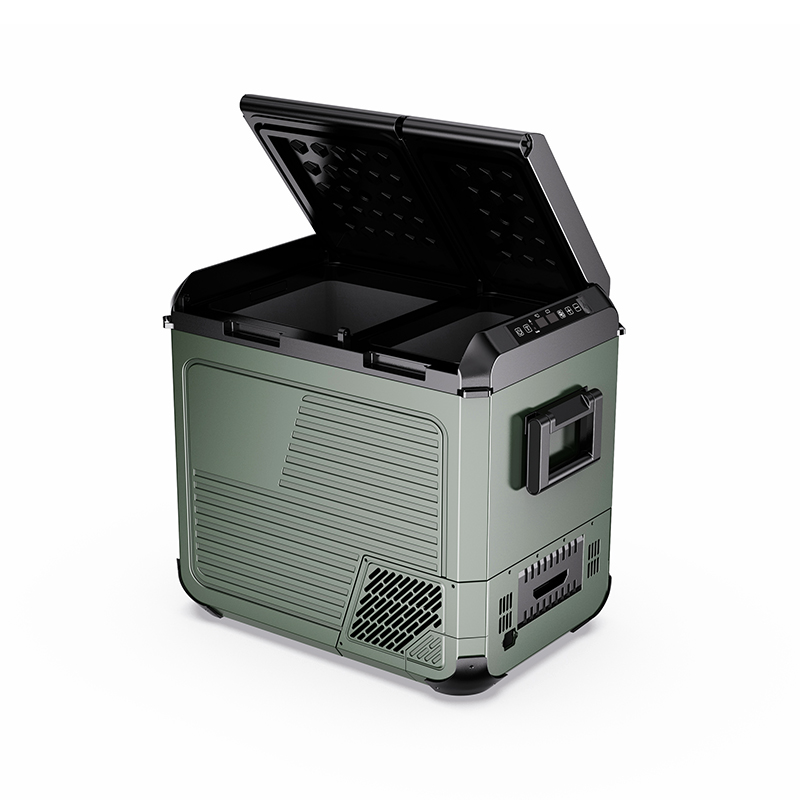 Outdoor Freezer
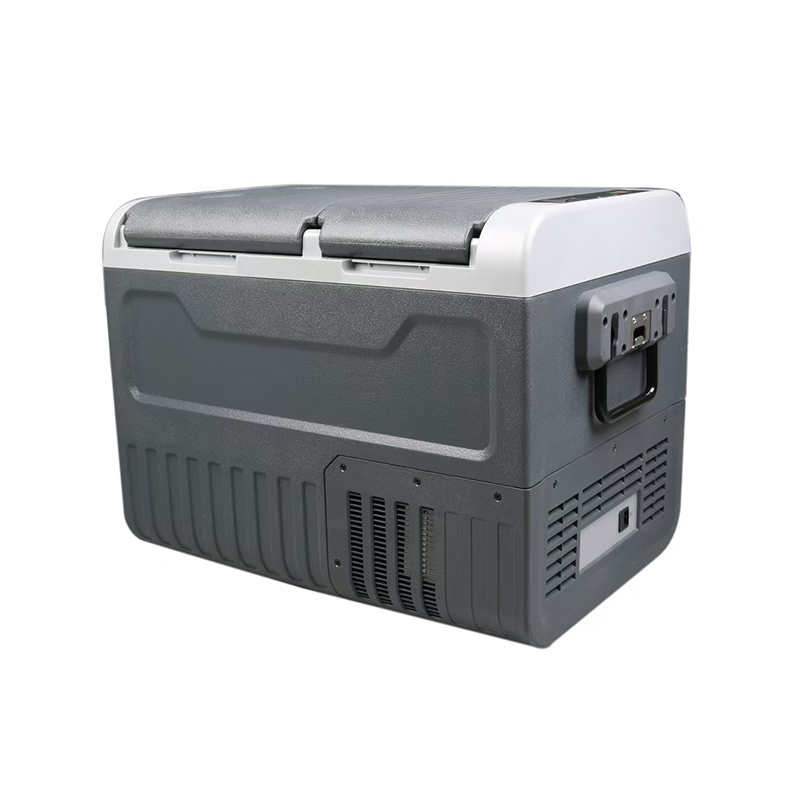 Car Refrigerator
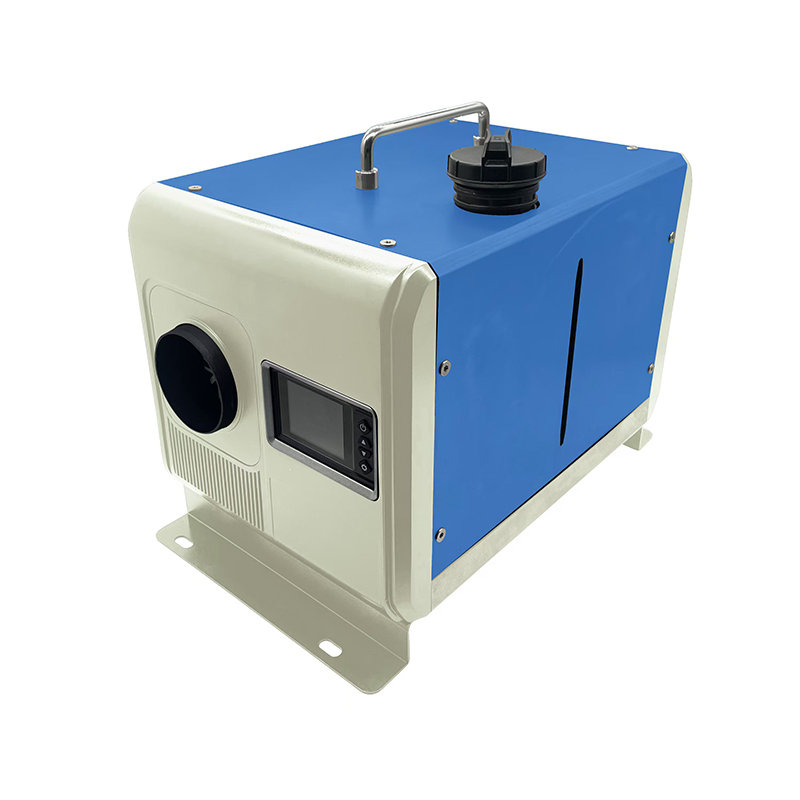 Diesel Heater For Vehicles
+86-18657986688
sale@lkcool.net
Building B, No. 9 Liunan Road, Niubeijin Industrial Zone, Baiyang Street, Jinhua, Zhejiang, China


 English
 Español