Content
Camper air conditioners are deployed in several common scenarios to make mobile living comfortable across varying climates and seasons. Their use is not limited to summer but extends to shoulder seasons where temperature control is needed.
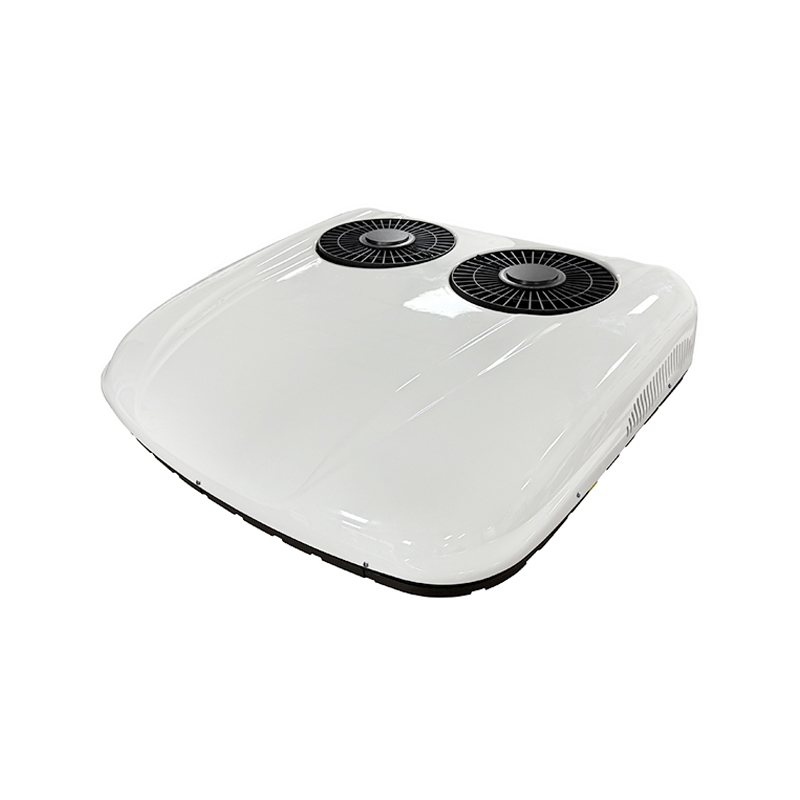
|
Application Context |
Specific Use and Rationale |
|
Recreational Camping & Travel |
The most common use. Provides climate control for occupants during stationary camping at campgrounds with electrical hookups, enabling comfort in warm or humid conditions where opening windows is insufficient. |
|
Boondocking / Off-Grid Use |
When used with a sufficiently powerful inverter and battery bank, or a dedicated generator, a camper AC can provide cooling in remote locations without shore power, though runtime is limited by energy storage capacity. |
|
Temporary Living & Workspaces |
For individuals using a camper as a temporary residence or mobile office, the air conditioner maintains a consistent, habitable indoor environment for work, sleep, and daily activities. |
|
Pet Safety & Cargo Protection |
Owners use the AC to maintain a safe temperature for pets left temporarily in the vehicle or to protect sensitive cargo (e.g., musical instruments, electronics) from extreme heat buildup. |
|
Seasonal Climate Adaptation |
Allows for extended use of the camper outside of traditional mild-weather seasons, effectively lengthening the camping season by mitigating uncomfortable heat. |
The functional design of a camper air conditioner is shaped by the constraints and requirements of the mobile environment.
Roof-Mounted Configuration and Installation: The predominant design is a single, self-contained unit mounted through the vehicle's roof. This "rooftop" configuration houses the compressor, condenser coil, evaporator coil, and blower fan in one casing. It is chosen for space efficiency, as it does not consume interior room, and for optimal outside air intake and heat expulsion. Installation requires creating a substantial roof opening, sealing it thoroughly against water ingress, and reinforcing the roof structure to bear the unit's weight and aerodynamic loads while driving.
Electrical Requirements and Power Management: Many camper ACs are high-draw appliances, typically requiring a 120V AC power source and drawing between 12 to 18 amps. This necessitates a dedicated 15-amp or 20-amp circuit. They are primarily designed for use with a standard campground electrical pedestal (30- or 50-amp service). For limited operation without shore power, they depend on a sizable inverter (often 2000-3000 watts) drawing from a large battery bank, which is usually recharged by a generator, solar panels, or the vehicle's alternator. This power demand is a key limiting factor in off-grid usage.
Cooling Capacity and Air Distribution: Capacity is measured in British Thermal Units per hour (BTU/h). Common capacities range from 11,000 to 15,000 BTU/h for most RVs. Selecting the correct capacity involves calculating the cubic footage of the space, accounting for window area and insulation quality. Air is distributed through a ducted or non-ducted system. Ducted systems use a network of flexible ducts running to ceiling vents for even cooling, while non-ducted (ducted-ready) units blow air directly from a central ceiling plenum.
Construction for Durability and Weather Resistance: The external housing is constructed from molded, UV-resistant plastics or coated metals to endure sun exposure, rain, and road debris. Internal components are mounted to resist vibration. The unit's shroud and mounting system are engineered to create a weatherproof seal on the roof and to manage condensation drainage effectively. Many models also feature a heating element (heat strip) or are part of a reverse-cycle heat pump system to provide auxiliary warmth.
Effective and efficient operation of a camper air conditioner depends on several external and user-controlled factors.
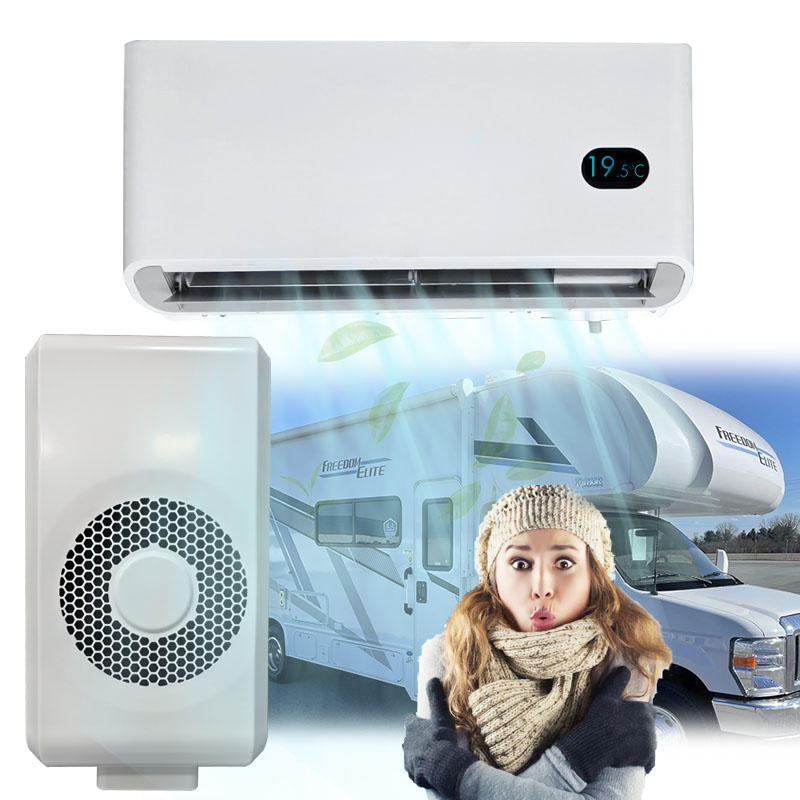 Portable Split Parking Air Conditioner for RV
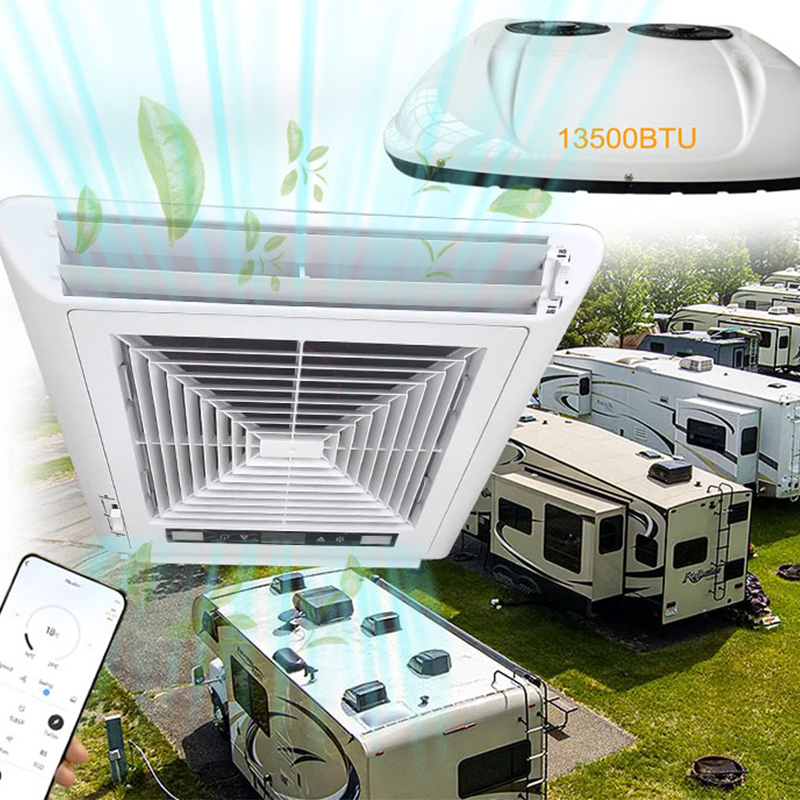 Portable Split Parking Air Conditioner for RV
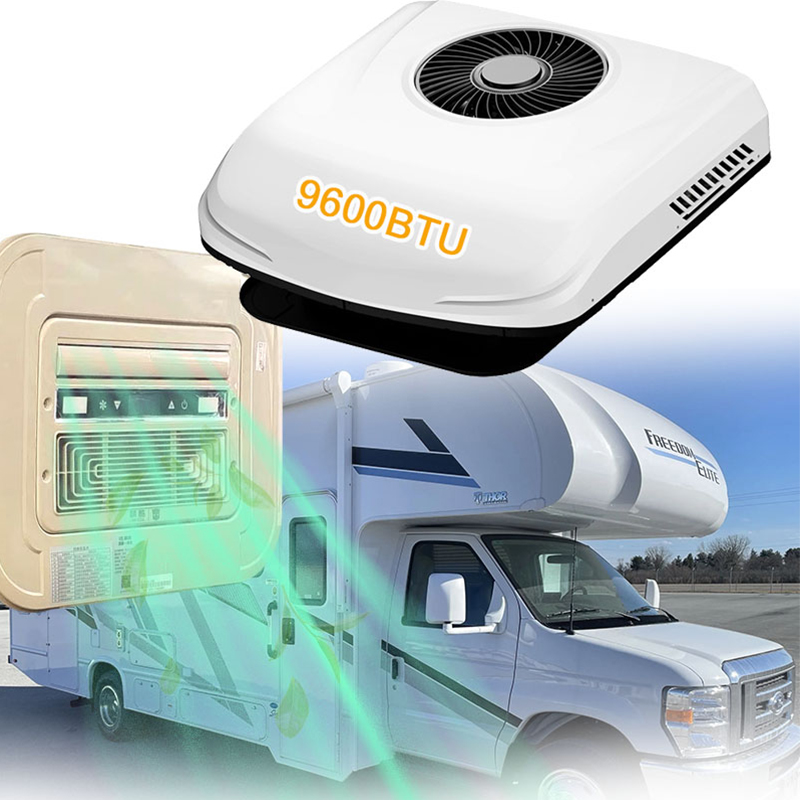 Portable Split Parking Air Conditioner for RV
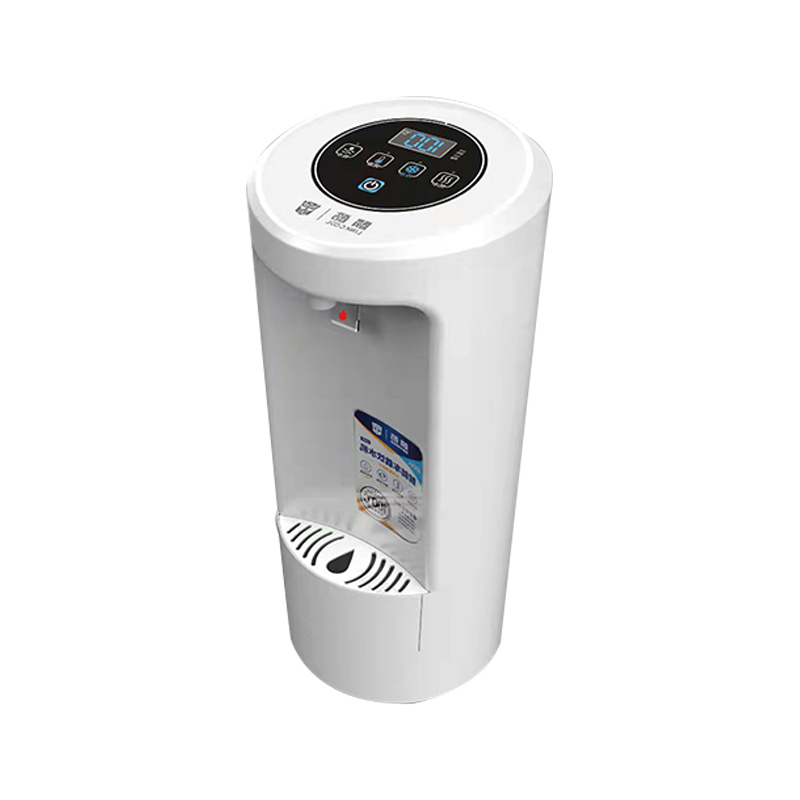 Hot Water Dispenser
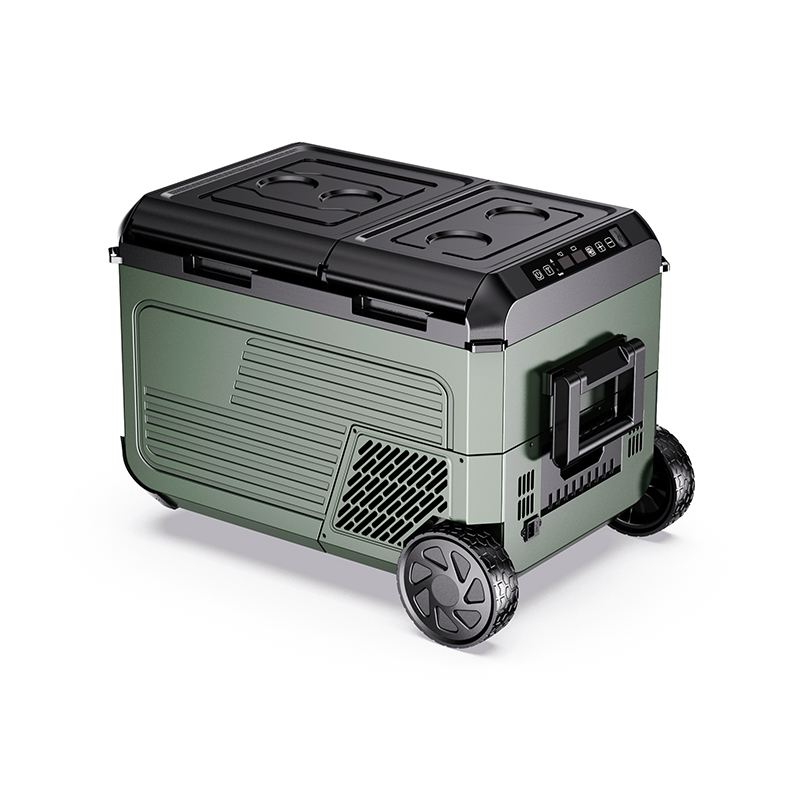 Outdoor Freezer
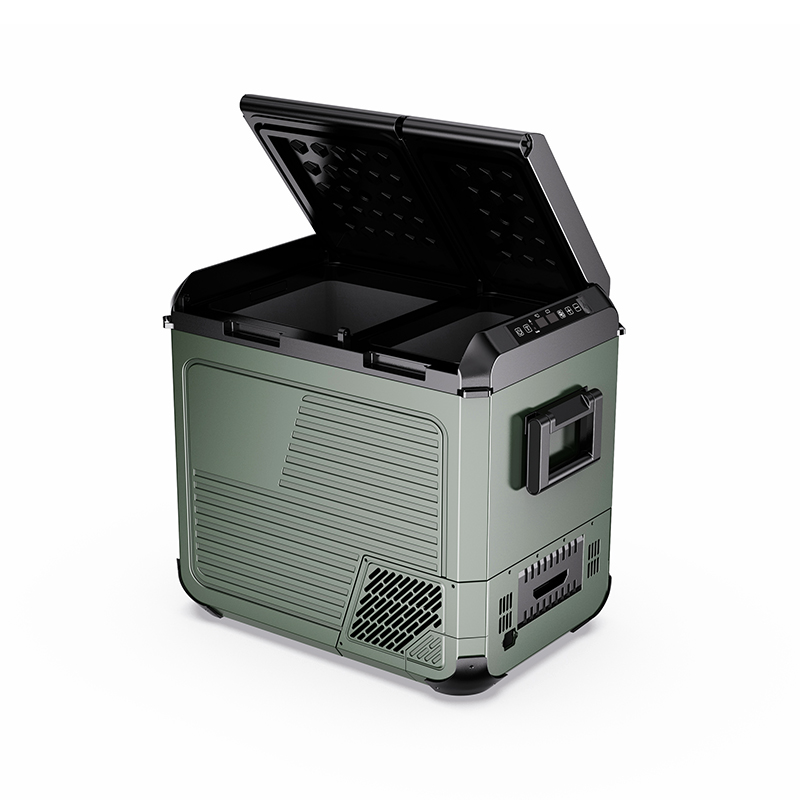 Outdoor Freezer
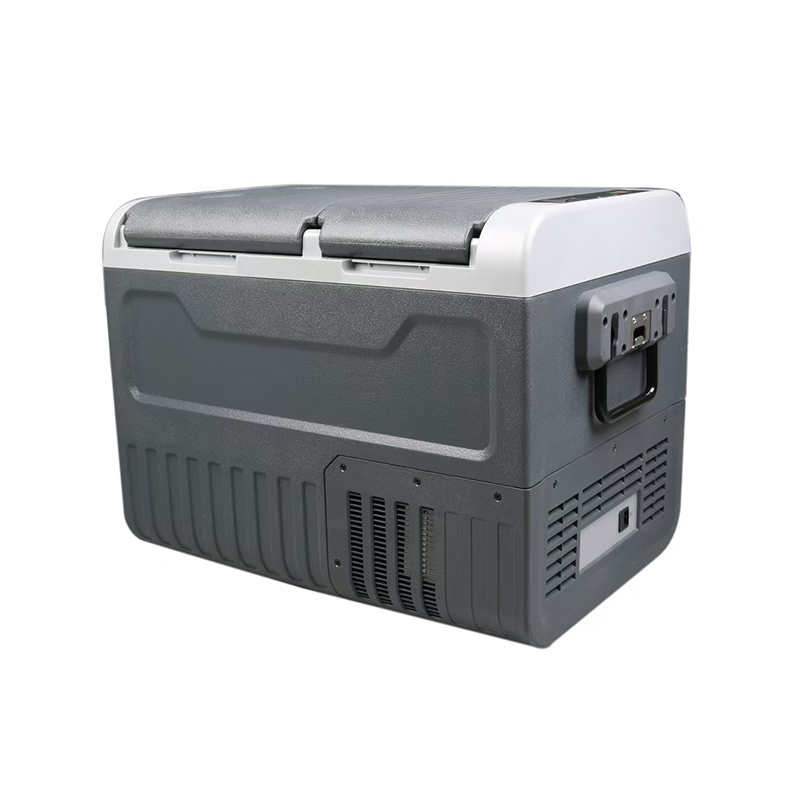 Car Refrigerator
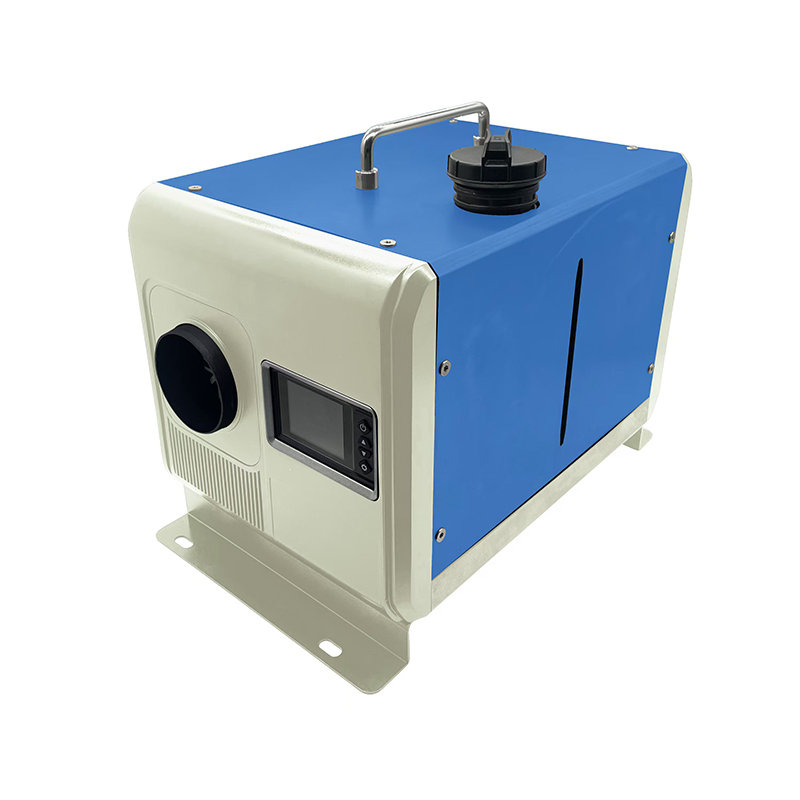 Diesel Heater For Vehicles
+86-18657986688
sale@lkcool.net
Building B, No. 9 Liunan Road, Niubeijin Industrial Zone, Baiyang Street, Jinhua, Zhejiang, China


 English
 Español