Content
Car refrigerators operate based on the same principles as traditional home refrigerators but are designed to be portable and compatible with vehicle power sources, such as the car's 12V DC outlet or an external battery. They come in two main types: compressor-based and thermoelectric.
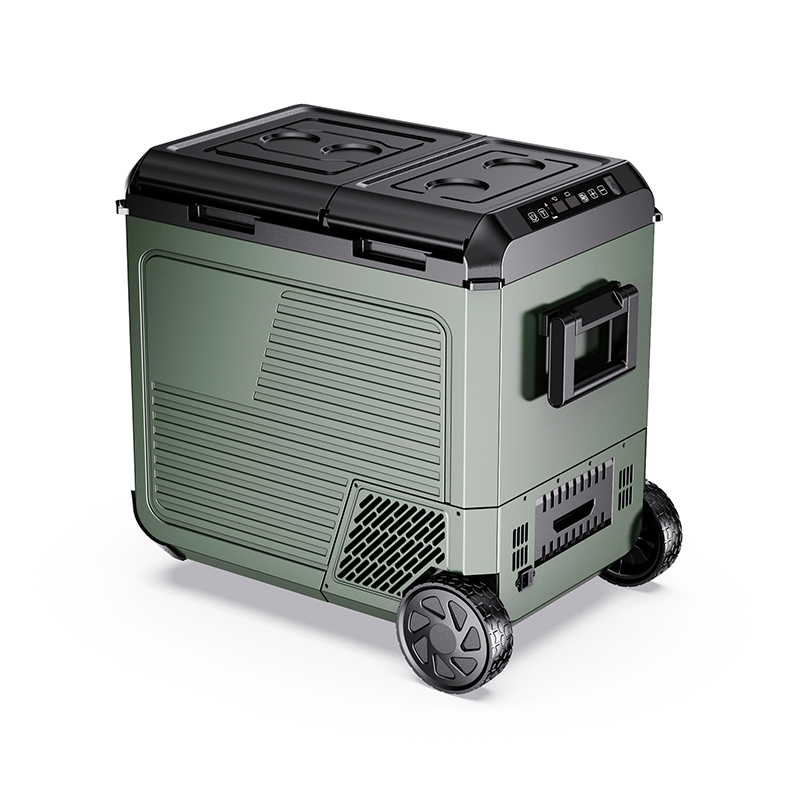
Compressor-Based Refrigerators:
Cooling Mechanism: These refrigerators use a compressor and refrigerant to cool the internal space. The compressor works like the one in home refrigerators, circulating refrigerant through coils to absorb heat from inside the fridge, keeping the contents cold.
Efficiency: Compressor-based models are more energy-efficient and can cool items to lower temperatures than thermoelectric models. They are ideal for long trips where consistent cooling is needed.
Thermoelectric Refrigerators:
Cooling Mechanism: Thermoelectric refrigerators use a Peltier effect, which involves passing current through a junction that creates a temperature difference. While they are generally smaller and less expensive, they are less efficient than compressor-based models and are better suited for keeping items cool rather than freezing them.
Efficiency: These units typically consume less energy but may struggle to maintain lower temperatures, especially in hot weather. They are more suitable for short trips and moderate cooling needs.
Both types are powered through a 12V car outlet (or sometimes 24V in larger vehicles) or via AC adapters for use at home or other locations.
Several factors need to be considered when selecting a car refrigerator to ensure that it meets your needs and provides reliable performance. Below are the key aspects to look at:
Capacity:
Size and Storage: Car refrigerators come in a range of sizes, typically measured in liters. Smaller models may have a capacity of around 10 liters, while larger models can range from 30 to 50 liters or more.
Use Case: Consider how many people you are traveling with and how much food or drink you need to store. A family on a long road trip may require a larger fridge, while a couple on a weekend getaway may only need a smaller one.
Cooling Performance:
Temperature Range: The cooling capacity of the refrigerator will determine whether it can keep your items at a safe temperature. Compressor-based models can often cool to temperatures as low as -20°C (-4°F), making them ideal for freezing.
Insulation: Some refrigerators offer better insulation, helping maintain temperatures without drawing excessive power. Look for models that provide efficient insulation to save on energy use.
Power Source:
12V DC Power: Most car refrigerators run on 12V DC, the standard voltage from car outlets. Ensure that the refrigerator is compatible with your vehicle's electrical system.
Dual Voltage: Some models also come with the ability to plug into both 12V and 110V AC outlets, which is a useful feature if you plan to use the refrigerator outside the car, such as during camping trips.
Portability and Design:
Weight: Car refrigerators vary in weight, and portability is an important factor to consider if you plan to carry the unit into campsites or from the car to your home. Look for lightweight models if ease of transportation is important.
Design Features: Features like adjustable shelves, handle design, and the overall durability of the refrigerator (including materials used in the exterior) can make a significant difference in usability.
Understanding the energy consumption of a car refrigerator is essential for both practical and financial reasons, especially when using the unit during long trips or while camping.
Energy Consumption:
Compressor-Based Models: These models tend to consume more power, but they are more energy-efficient in terms of cooling performance. They often have lower overall energy consumption relative to their cooling capacity, making them ideal for longer use. On average, a 40-liter compressor-based refrigerator will consume around 40-50 watts per hour.
Thermoelectric Models: These models use less power but may struggle with high-temperature environments. They are typically designed for more occasional or short-term use and use approximately 30-40 watts per hour. However, they may draw power inefficiently when trying to cool below the ambient temperature.
Running Costs:
Fuel Consumption: If using a compressor-based refrigerator that draws power from the car's engine, it can increase fuel consumption over long periods, especially if the refrigerator is used while driving. For thermoelectric models, this may not be as much of an issue, but it still draws power from the car battery.
Battery Drain: Extended use of a car refrigerator without the engine running may deplete the car's battery. In such cases, it's important to have a backup power source like a portable power station or a solar panel to maintain the refrigerator's operation without draining the car battery completely.
Power Efficiency Features:
Energy-Saving Settings: Many modern car refrigerators come with energy-saving modes, such as automatic temperature regulation, which adjusts the power usage based on the ambient temperature. Additionally, look for models with low-voltage protection, which automatically shuts off the fridge if the car battery voltage becomes too low.
Proper maintenance ensures that your car refrigerator runs efficiently and lasts for years. Here are some basic maintenance tips:
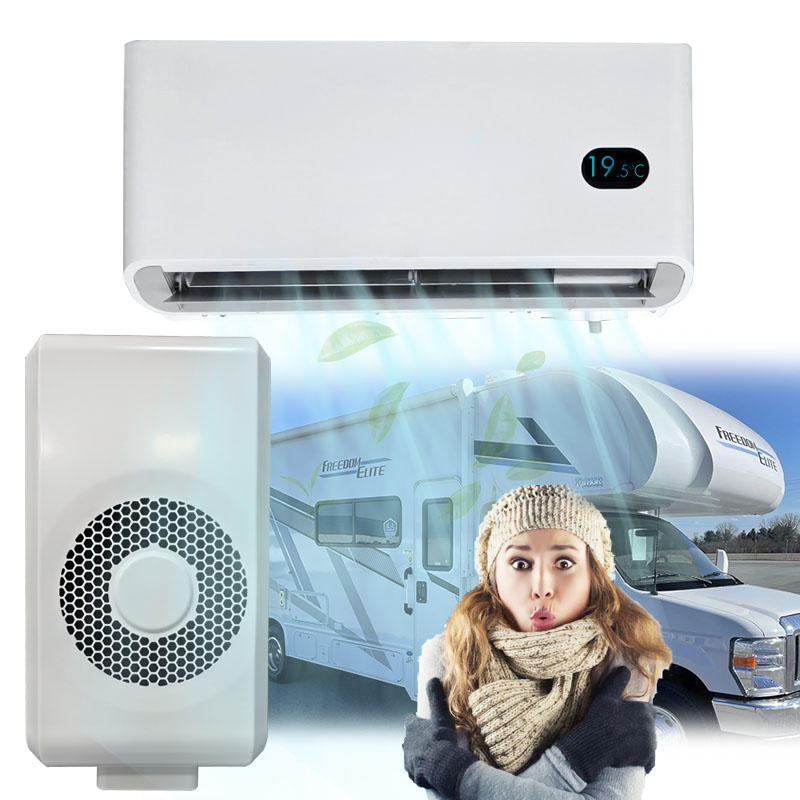 Portable Split Parking Air Conditioner for RV
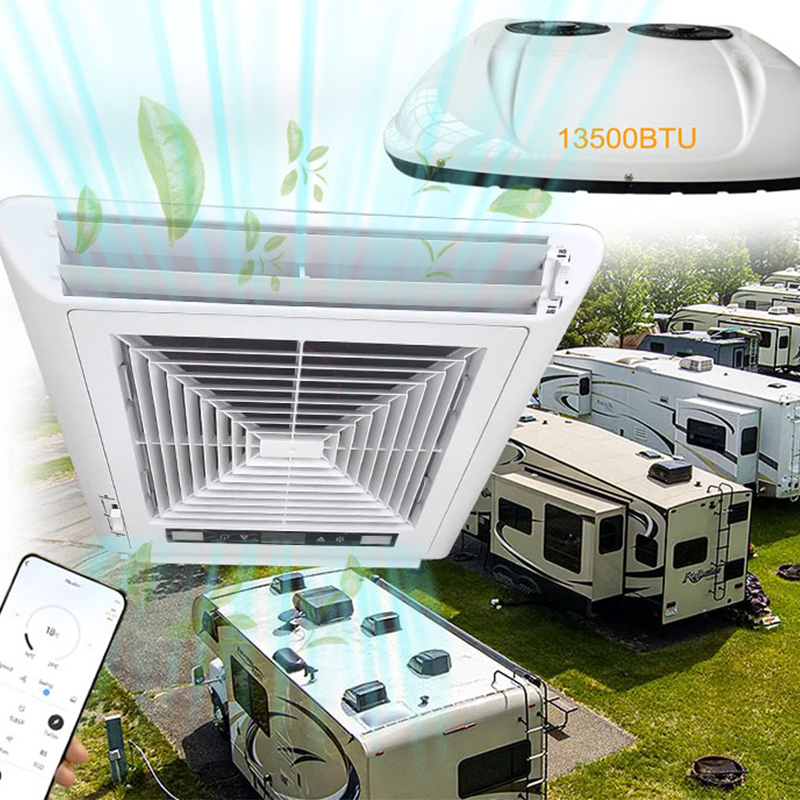 Portable Split Parking Air Conditioner for RV
 Portable Split Parking Air Conditioner for RV
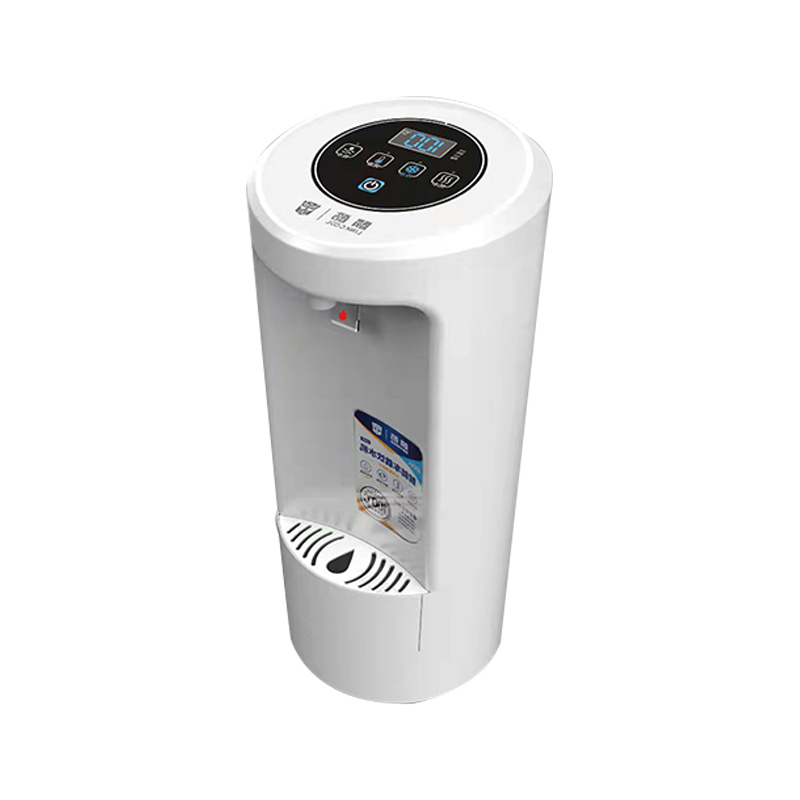 Hot Water Dispenser
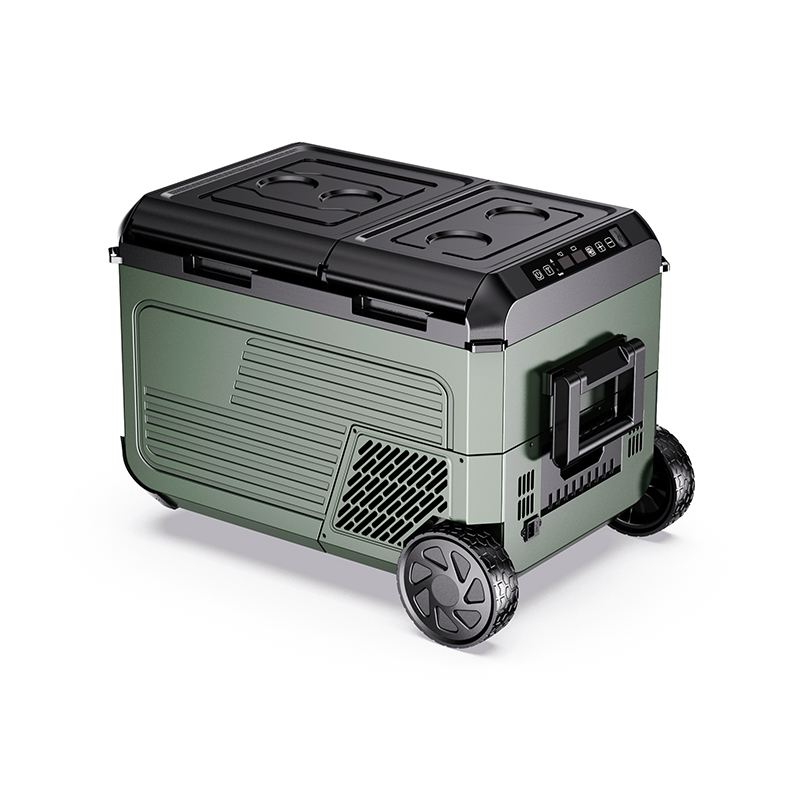 Outdoor Freezer
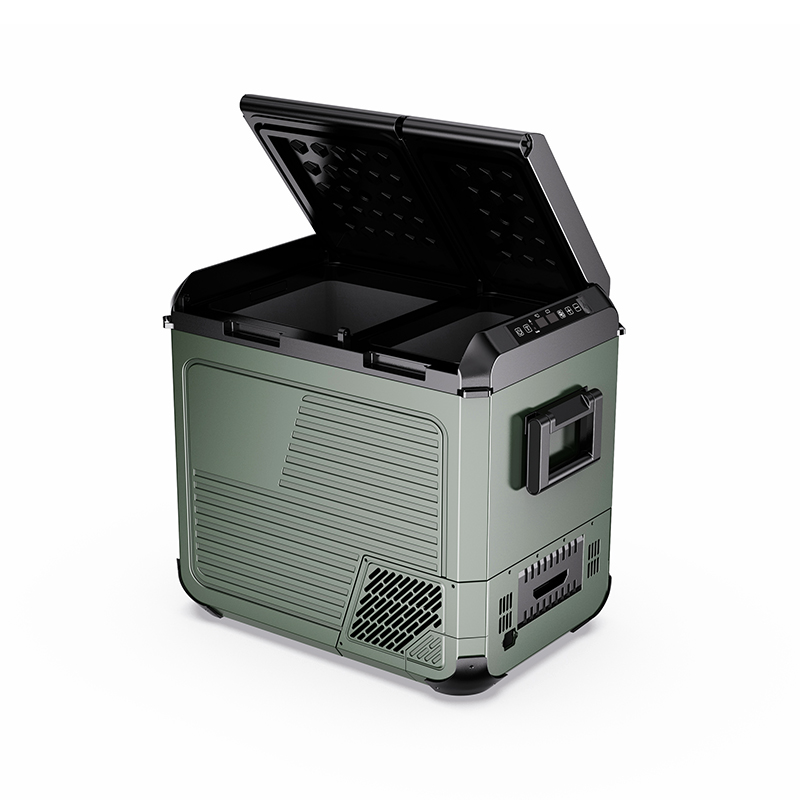 Outdoor Freezer
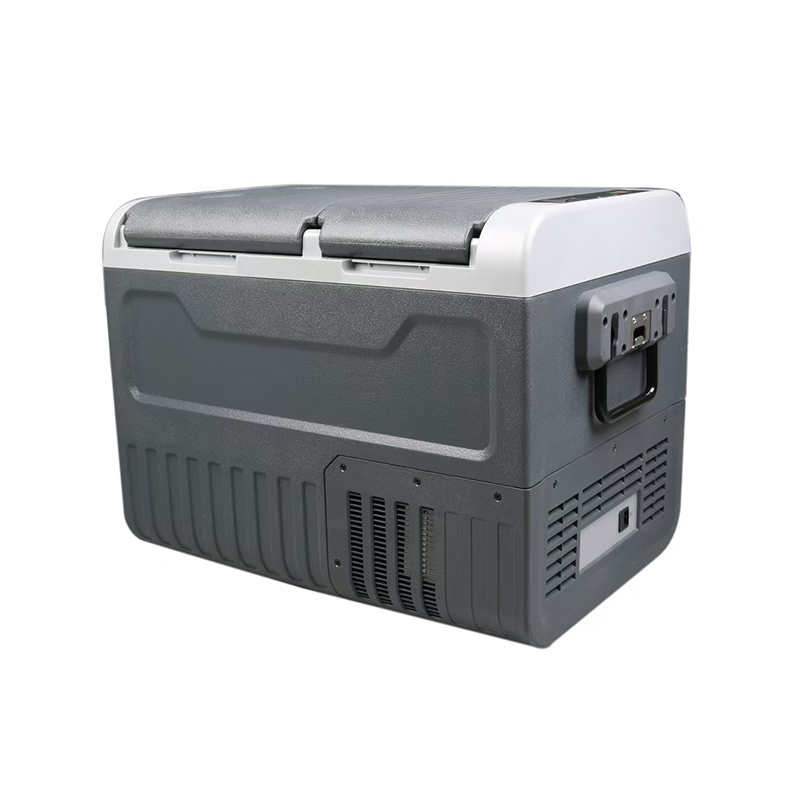 Car Refrigerator
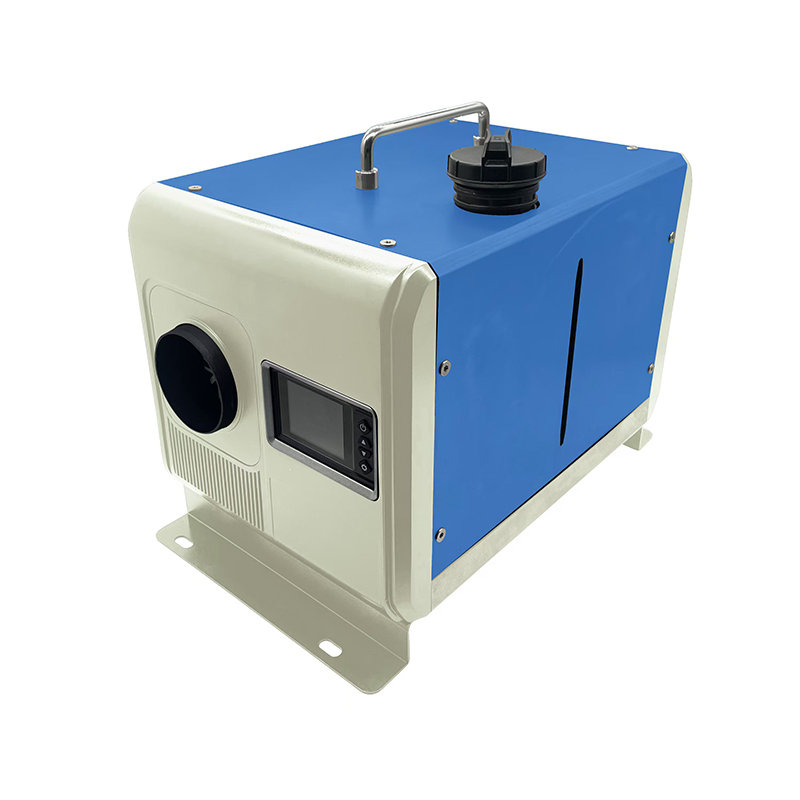 Diesel Heater For Vehicles
+86-18657986688
sale@lkcool.net
Building B, No. 9 Liunan Road, Niubeijin Industrial Zone, Baiyang Street, Jinhua, Zhejiang, China


 English
 Español