Content
Energy efficiency is a major concern, especially for vans used in remote areas or for long-distance travel. Van air conditioners consume significant power, which can affect fuel economy in combustion vehicles or drain batteries in electric vans and camper setups.
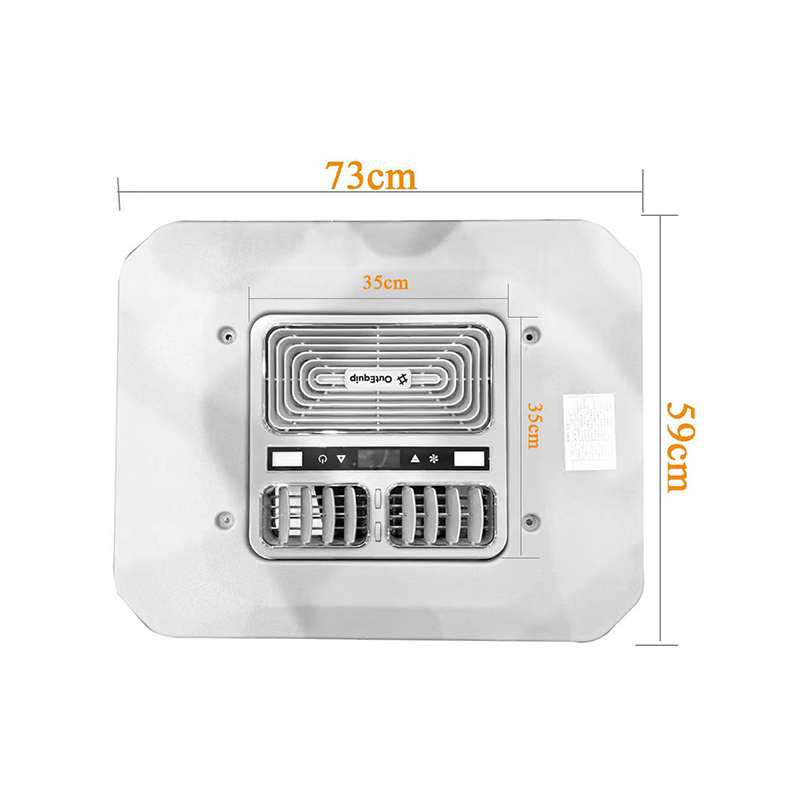
Key factors affecting efficiency include:
System type: Roof-mounted units and portable units differ in energy use. Roof-mounted air conditioners typically require more power but offer better cooling performance.
Power source: Some vans use the vehicle's engine-driven compressor, while others use electric systems powered by batteries or shore power. Electric systems depend heavily on battery capacity and charging strategy.
Insulation and ventilation: Proper insulation and window sealing significantly reduce cooling load, improving efficiency.
Usage habits: Setting higher temperatures and avoiding prolonged operation can reduce energy consumption.
Van air conditioners can be efficient when matched with a suitable power system and combined with effective insulation.
Installation is a common concern because van air conditioners often require roof or wall mounting, electrical work, and proper sealing. Professional installation is recommended to ensure safety and performance.
Typical installation considerations include:
Roof reinforcement: Roof-mounted units may require reinforcement to support weight and prevent leaks.
Electrical system upgrade: Many vans need upgraded wiring, inverters, or batteries to support the air conditioner's power demand.
Ventilation and airflow: Proper placement and airflow design are important to ensure even cooling and prevent overheating of the unit.
Sealing and waterproofing: Improper sealing can bring about leaks, mold, and insulation damage.
Installation complexity varies by unit type, van model, and power system. Users should plan installation carefully to avoid future issues.
Environmental impact is a growing concern, especially for users who want low emissions and reduced energy use. Van air conditioners can affect both fuel consumption and emissions, depending on the power source.
Key environmental considerations include:
Fuel consumption: Engine-driven air conditioners increase fuel use, which raises emissions and operating cost.
Refrigerant type: Modern systems often use more environmentally friendly refrigerants with lower global warming potential (GWP) compared with older refrigerants.
Electric systems: Electric air conditioners can reduce emissions when powered by renewable energy or efficient battery systems.
Energy use: Efficient systems and proper insulation help reduce overall energy demand.
Users who prioritize environmental impact should consider electric systems, renewable charging options, and energy-saving practices.
Reliability is a major concern because vans often operate in varying climates and conditions. Proper maintenance and correct system selection are essential.
To ensure reliable performance:
Regular maintenance: Cleaning filters, checking refrigerant levels, and inspecting the unit helps maintain cooling capacity.
Correct sizing: Choosing an air conditioner with appropriate cooling capacity for the van size prevents overloading or insufficient cooling.
Power management: Ensuring adequate battery capacity or shore power prevents sudden shutdowns and protects the electrical system.
Temperature control: Using thermostats and proper airflow management improves comfort and reduces wear.
A well-maintained van air conditioner can provide consistent cooling even in hot climates, improving comfort and safety for occupants.
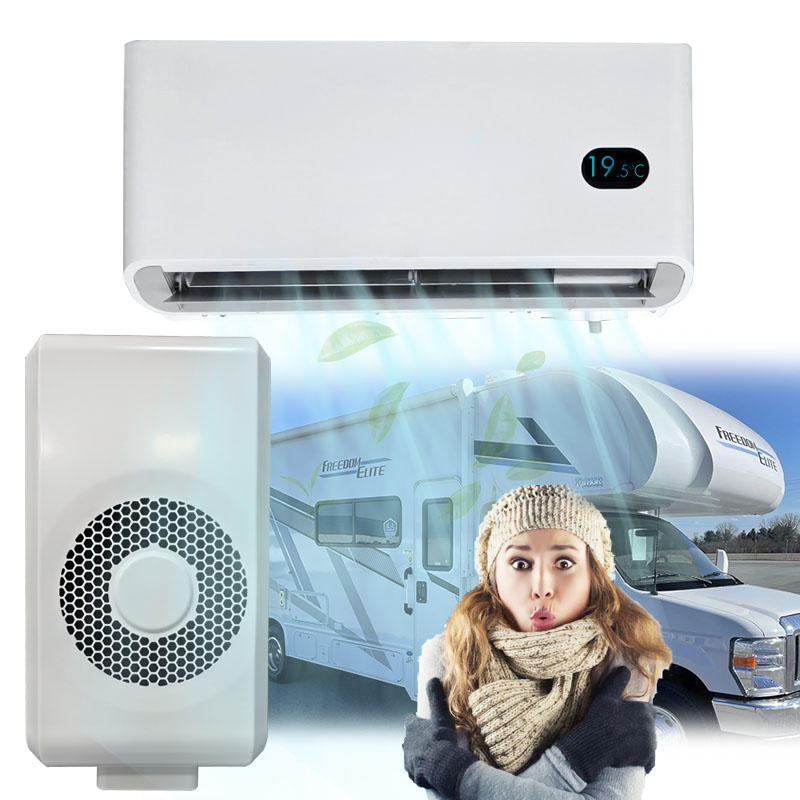 Portable Split Parking Air Conditioner for RV
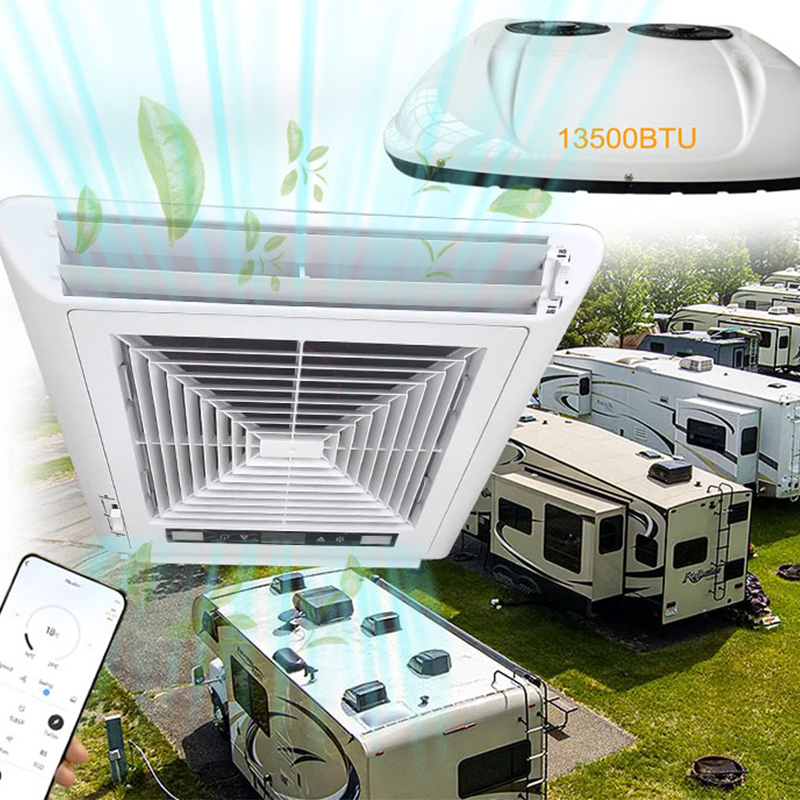 Portable Split Parking Air Conditioner for RV
 Portable Split Parking Air Conditioner for RV
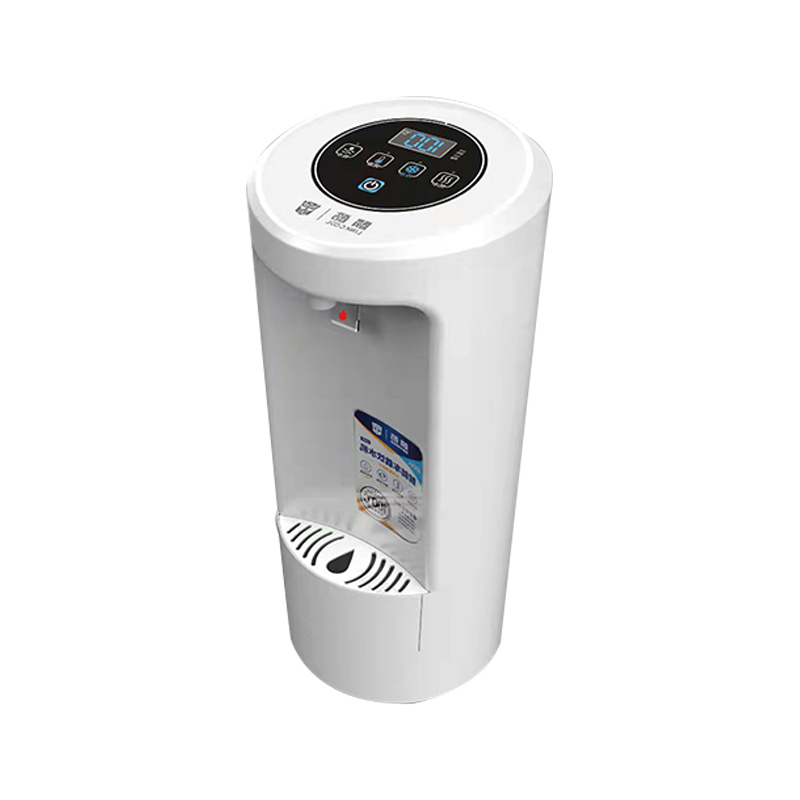 Hot Water Dispenser
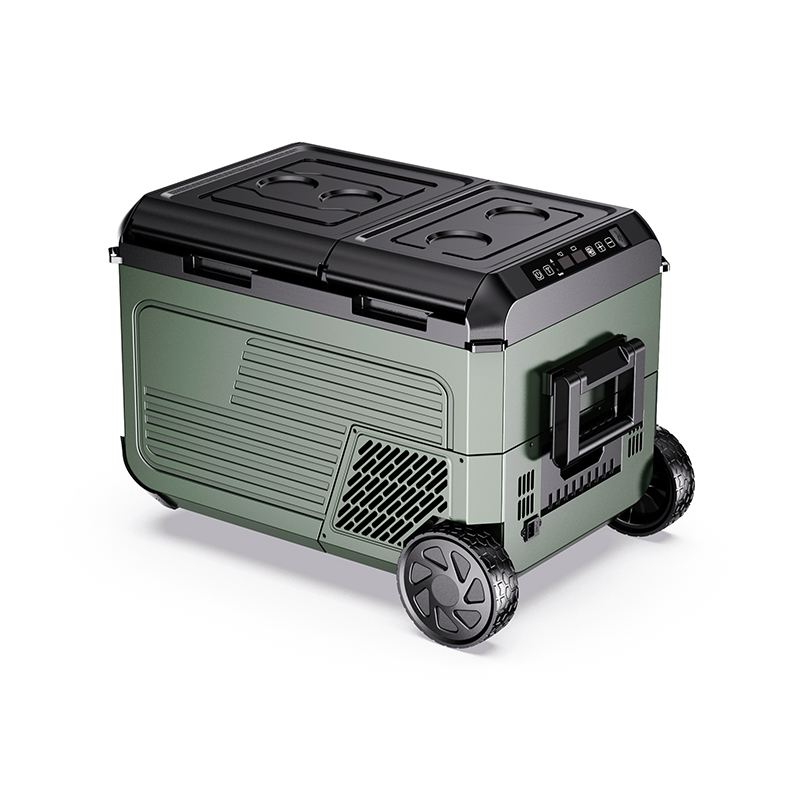 Outdoor Freezer
 Outdoor Freezer
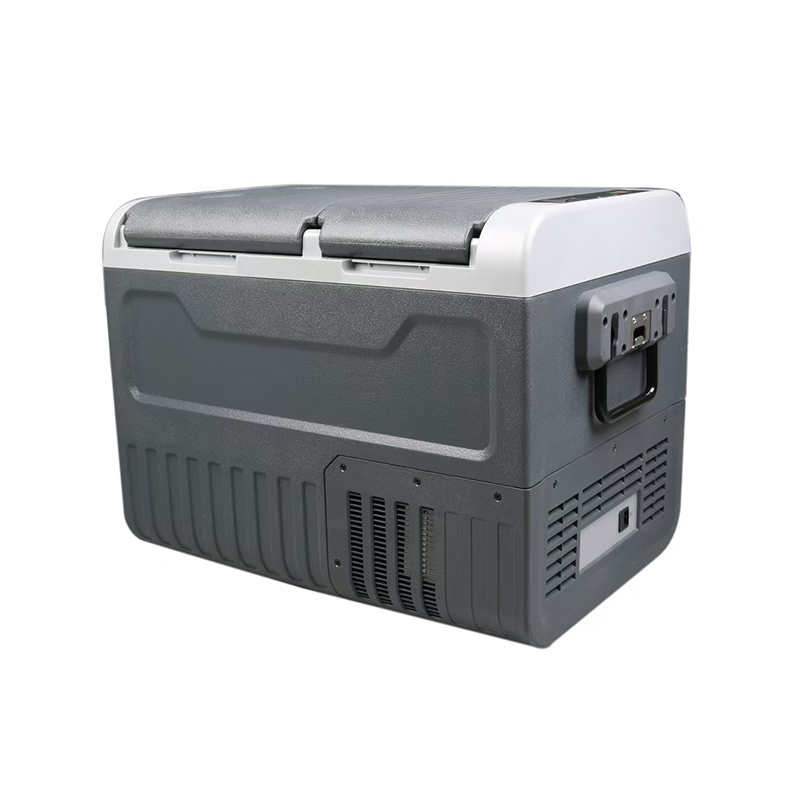 Car Refrigerator
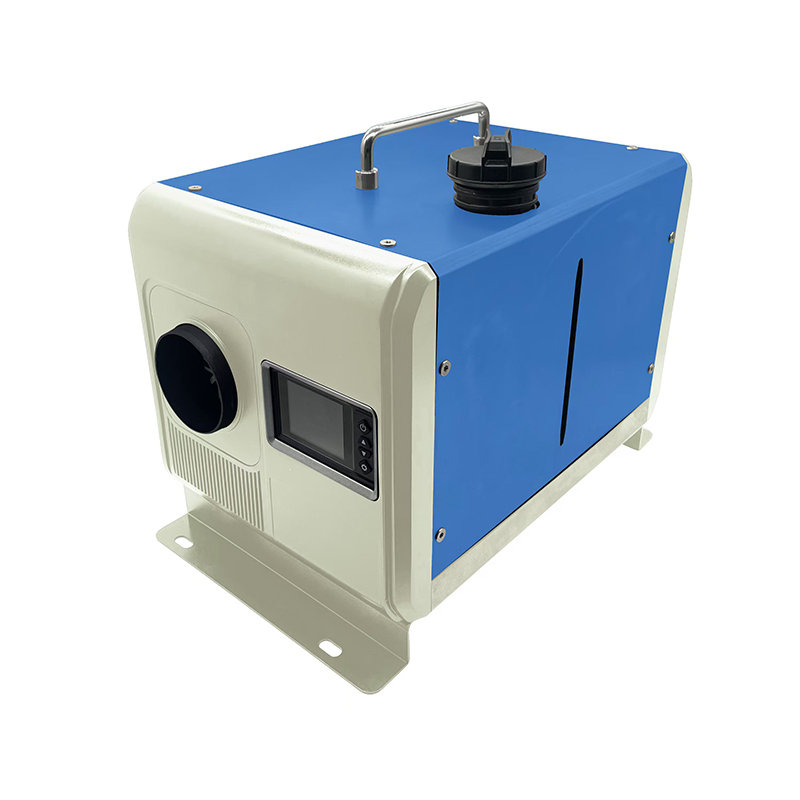 Diesel Heater For Vehicles
+86-18657986688
sale@lkcool.net
Building B, No. 9 Liunan Road, Niubeijin Industrial Zone, Baiyang Street, Jinhua, Zhejiang, China


 English
 Español