Content
Recreational vehicles (RVs) provide mobility and flexibility for travel, allowing people to enjoy extended trips with many comforts of home. Air conditioning is a key component of RV comfort, ensuring a controlled interior temperature and improving overall travel experience. The market potential of RV air conditioners is influenced by factors such as travel trends, technological advancements, regional demand, and cost considerations. This essay discusses these aspects with four main headings, providing a structured view of the market landscape.

The demand for RV air conditioners is closely linked to the popularity and usage of RVs. Several trends influence this relationship:
These trends suggest that air conditioning remains a necessary feature for RV owners, providing consistent market support.
Technological developments in air conditioning systems enhance their functionality and appeal in RV applications. Key points include:
These advancements improve the practicality of RV air conditioners, encouraging adoption among new and existing RV owners.
The market potential of RV air conditioners varies across regions based on economic, climatic, and demographic factors:
Understanding regional differences helps manufacturers and distributors plan production, marketing, and inventory strategies effectively.
Economic factors influence both the production and purchase of RV air conditioners:
Initial Purchase Cost: RV owners consider price relative to other vehicle modifications, influencing adoption rates.
Operational Cost: Energy-efficient systems reduce fuel or battery consumption, making them more practical for longer trips.
Maintenance Requirements: Units that are easier to maintain support consistent performance and reduce long-term expenses.
Return on Investment for Manufacturers: Reliable, adaptable systems may encourage higher sales volume and recurring demand in aftermarket replacements.
Cost considerations are important both for buyers and manufacturers, shaping overall market potential and product design priorities.
The market potential for RV air conditioners is influenced by trends in recreational travel, technological advancements, regional factors, and cost considerations. Increasing interest in RV travel, combined with innovations in energy efficiency, compact design, and smart controls, supports continued demand for reliable air conditioning systems. Regional variations in climate and RV adoption affect sales patterns, while cost and maintenance factors determine both consumer and manufacturer decisions. Evaluating these aspects helps businesses understand opportunities in the RV air conditioner market, allowing them to provide practical, functional, and economically viable solutions for RV owners.
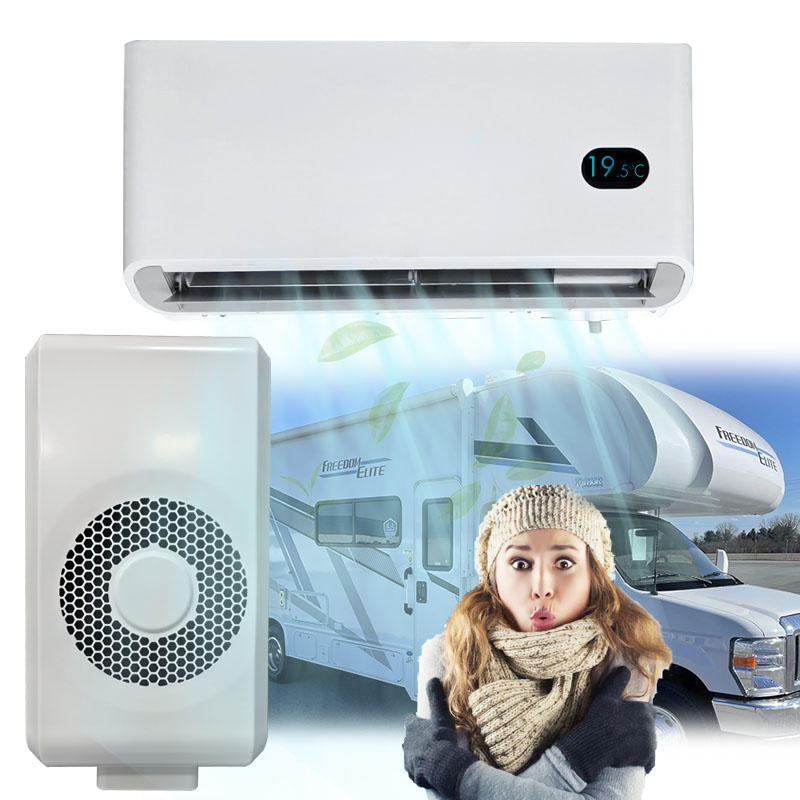 Portable Split Parking Air Conditioner for RV
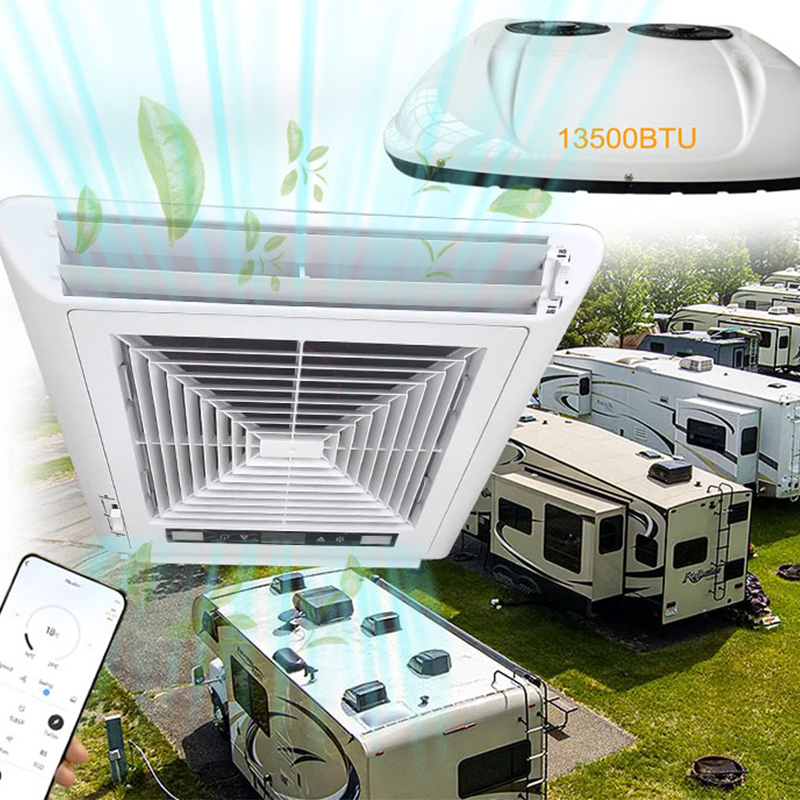 Portable Split Parking Air Conditioner for RV
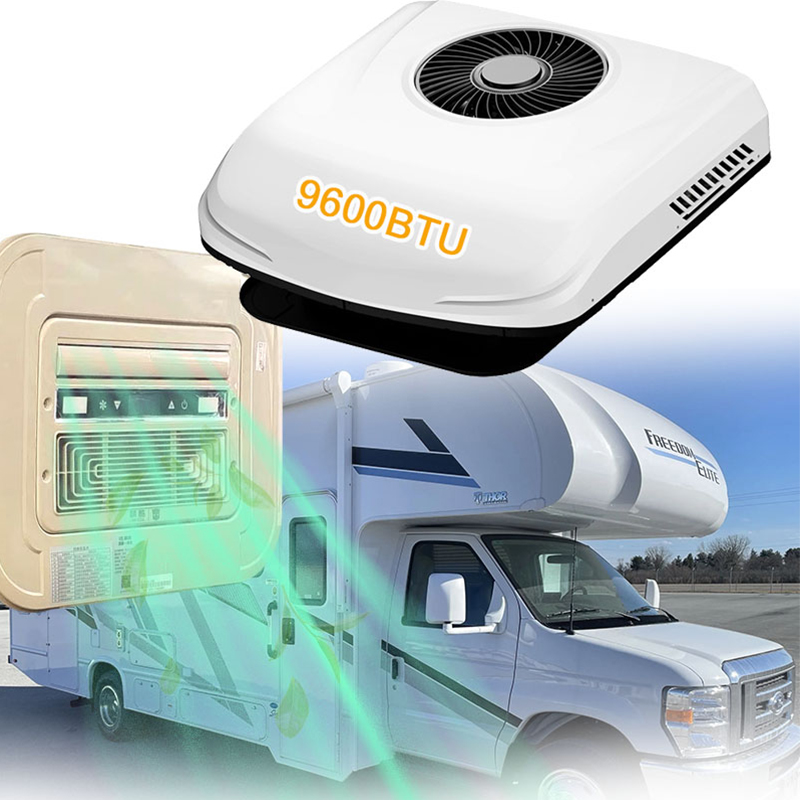 Portable Split Parking Air Conditioner for RV
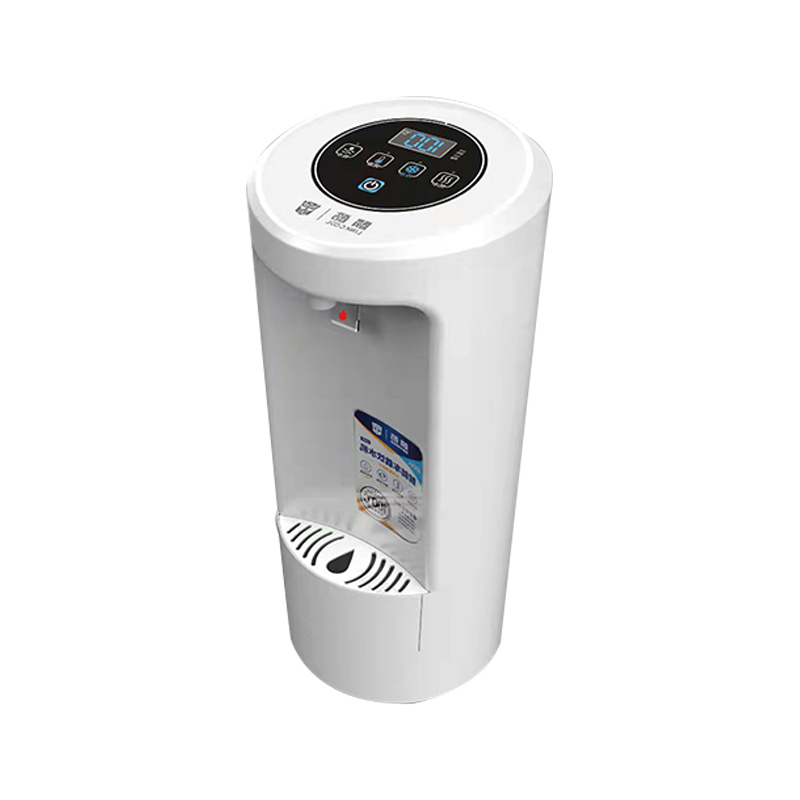 Hot Water Dispenser
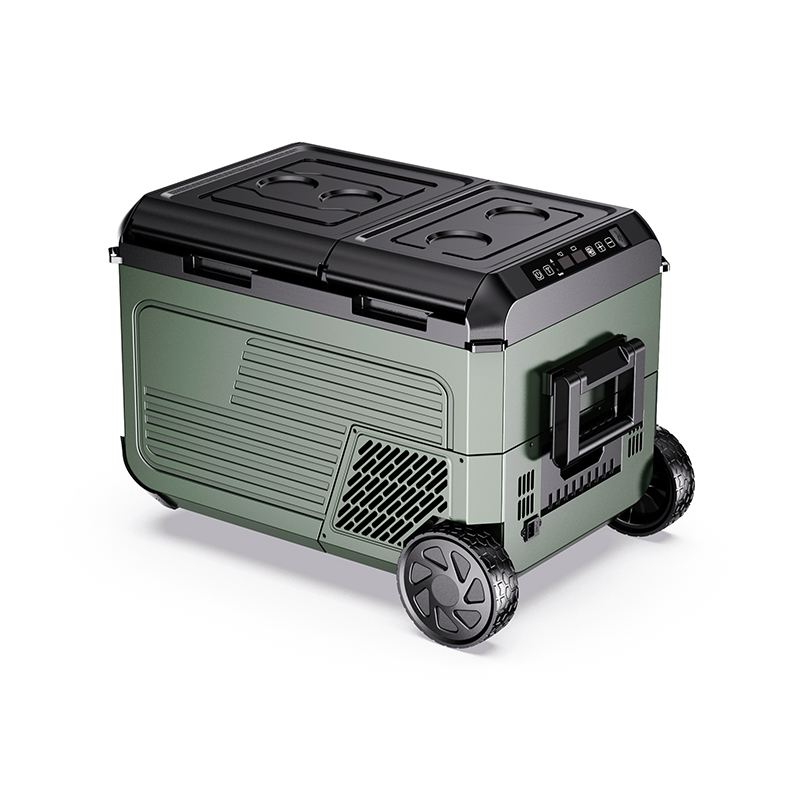 Outdoor Freezer
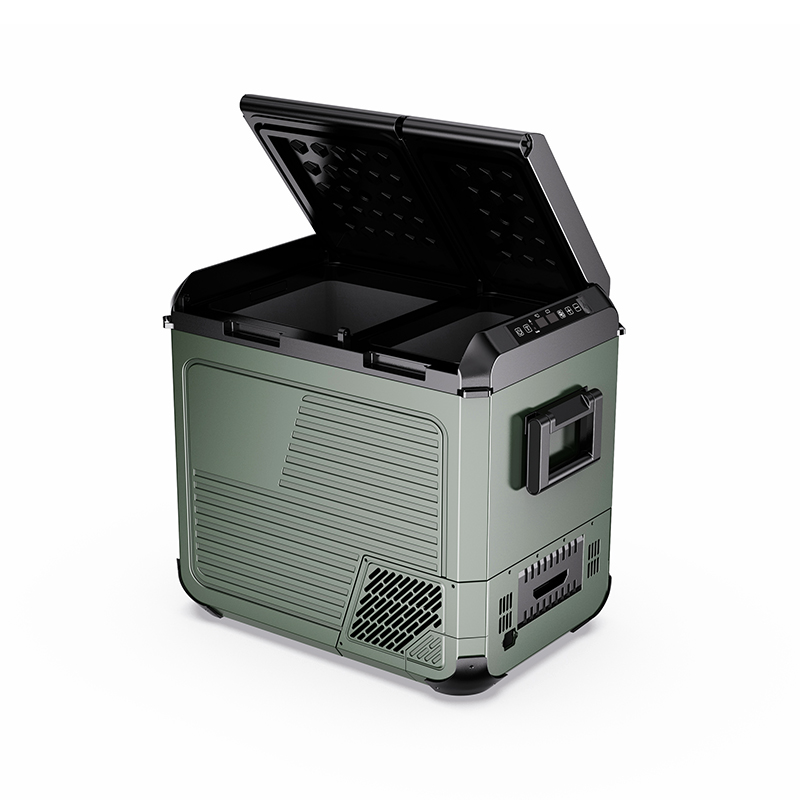 Outdoor Freezer
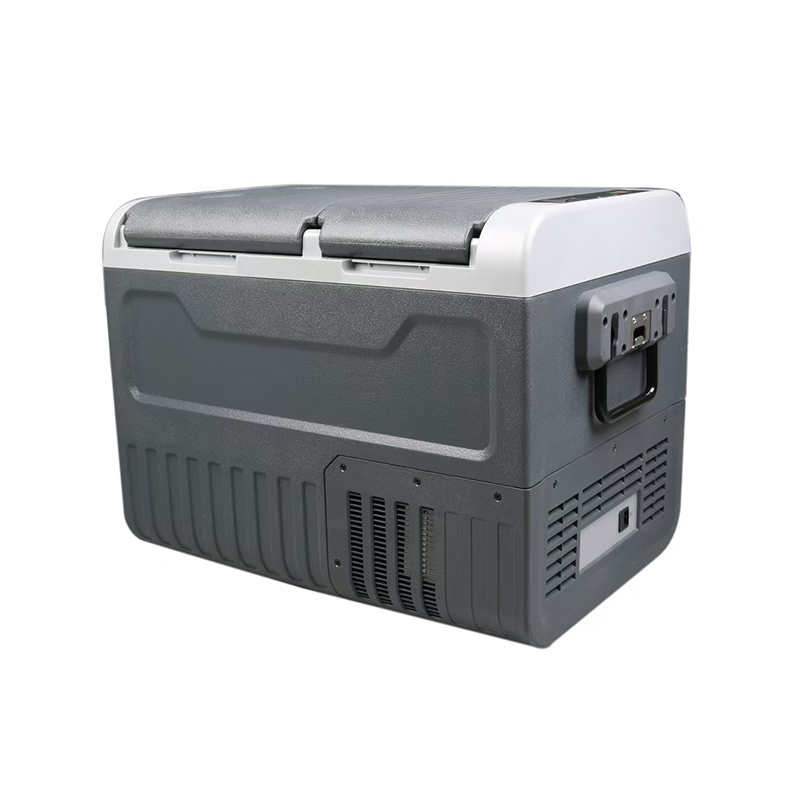 Car Refrigerator
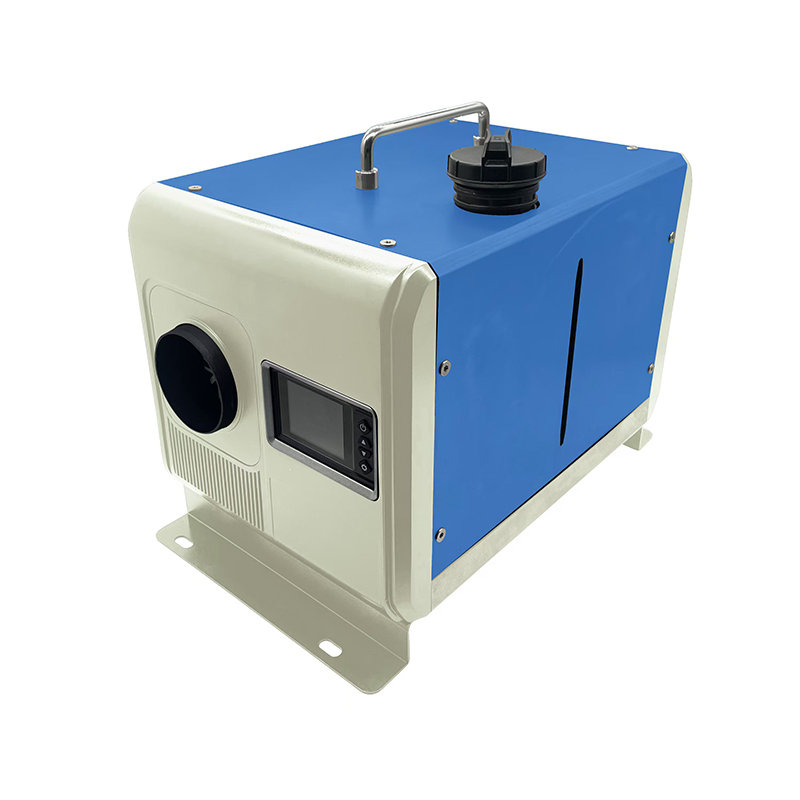 Diesel Heater For Vehicles
+86-18657986688
sale@lkcool.net
Building B, No. 9 Liunan Road, Niubeijin Industrial Zone, Baiyang Street, Jinhua, Zhejiang, China


 English
 Español