Content
12V air conditioners are compact cooling devices designed to operate using direct current (DC) power, typically from vehicle batteries or solar setups. They are often used in cars, trucks, boats, RVs, and small off-grid spaces. Many users have questions about their operation, efficiency, installation, and maintenance. The following sections address four frequently asked questions to provide a clear understanding of these devices.
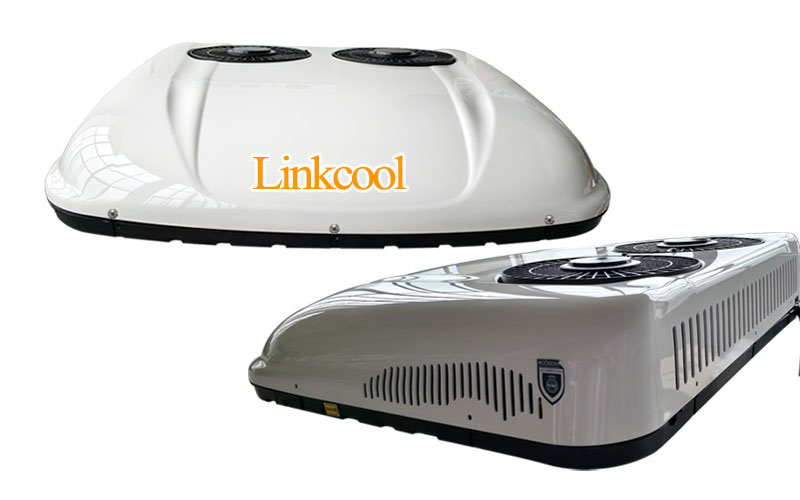
A 12V air conditioner functions similarly to standard air conditioners but uses DC power instead of AC mains electricity. It typically consists of a compressor, evaporator, condenser, expansion valve, and fans. The device circulates refrigerant through these components to absorb heat from the air inside the vehicle or space and release it outside.
The DC compressor is powered directly from a 12V battery or DC supply, making it suitable for vehicles or solar-powered systems. Air passes over the evaporator, which cools it, and the fan distributes this cooled air into the cabin or enclosure. The condenser releases the absorbed heat externally, often through a small vent or heat exchanger. Understanding this process helps users maintain proper airflow and prevent issues such as overheating or uneven cooling.
12V air conditioners are primarily used in situations where standard AC power is unavailable or impractical. Some common applications include:
These applications demonstrate the flexibility of 12V air conditioners in locations with limited or mobile power sources. Selecting the appropriate unit depends on space size, insulation, and expected cooling demand.
Installation requires attention to power supply, ventilation, and placement. A stable 12V DC power source capable of providing sufficient current is essential. Many units require 10–30 amperes depending on their cooling capacity. Users must ensure wiring is adequate to handle the load and include a fuse for safety.
Proper ventilation is also important. The condenser must have unobstructed airflow to release heat efficiently. Installation in vehicles may involve mounting the unit on the dashboard, roof, or rear compartment, with attention to vibration and water exposure. For stationary setups, placing the unit near an open vent or window can improve heat dissipation. Correct installation ensures consistent performance and reduces the risk of electrical or mechanical issues.
Regular maintenance helps maintain efficiency and prolong the device’s service life. Key maintenance tasks include:
Following these practices can help prevent common issues, such as reduced cooling output, electrical strain, or early component wear. Regular checks also ensure safe operation, particularly in mobile or off-grid environments.
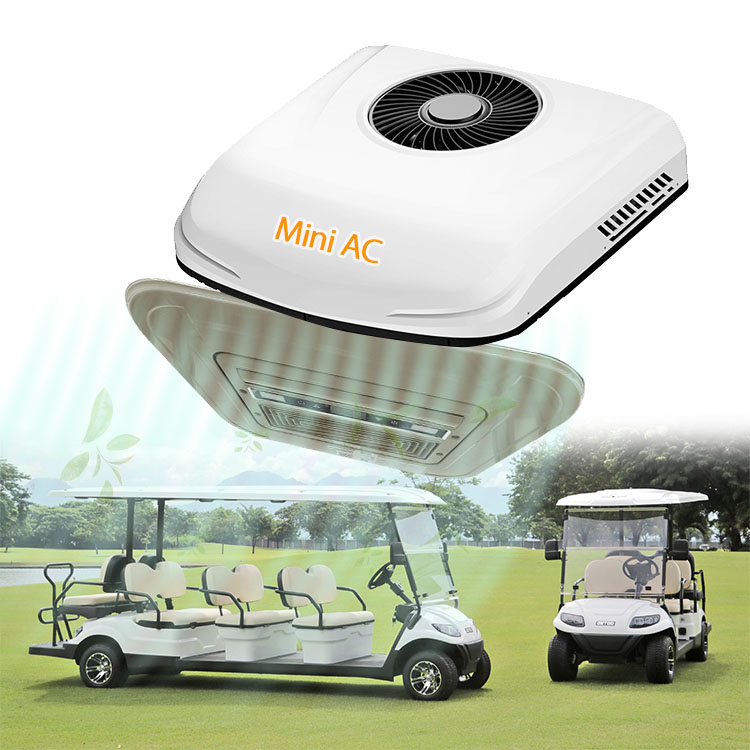
12V air conditioners provide cooling solutions in situations where traditional AC power is unavailable or impractical. Understanding their operation, applications, installation requirements, and maintenance needs helps users achieve reliable and consistent performance. By addressing these frequently asked questions, users can make informed decisions about selecting, installing, and maintaining 12V air conditioning units for vehicles, off-grid spaces, and specialized equipment. Proper attention to these factors supports efficient and practical cooling in various mobile and compact settings.
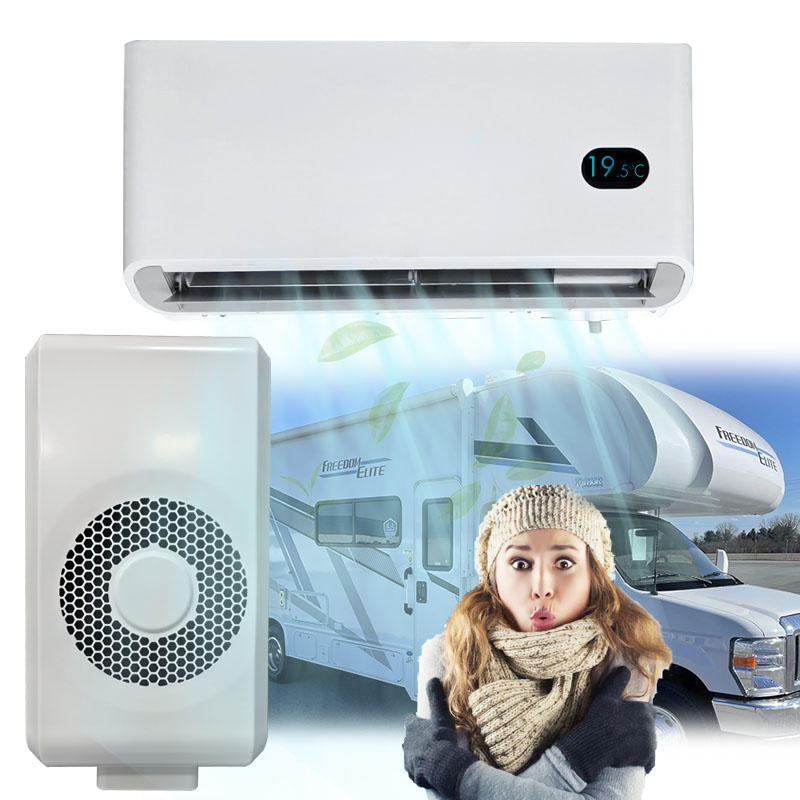 Portable Split Parking Air Conditioner for RV
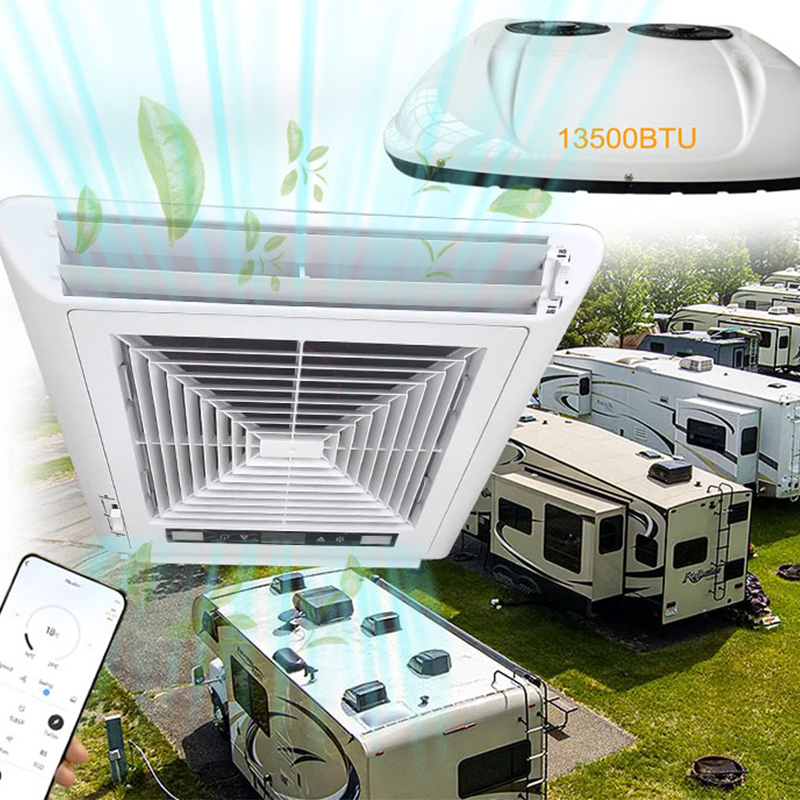 Portable Split Parking Air Conditioner for RV
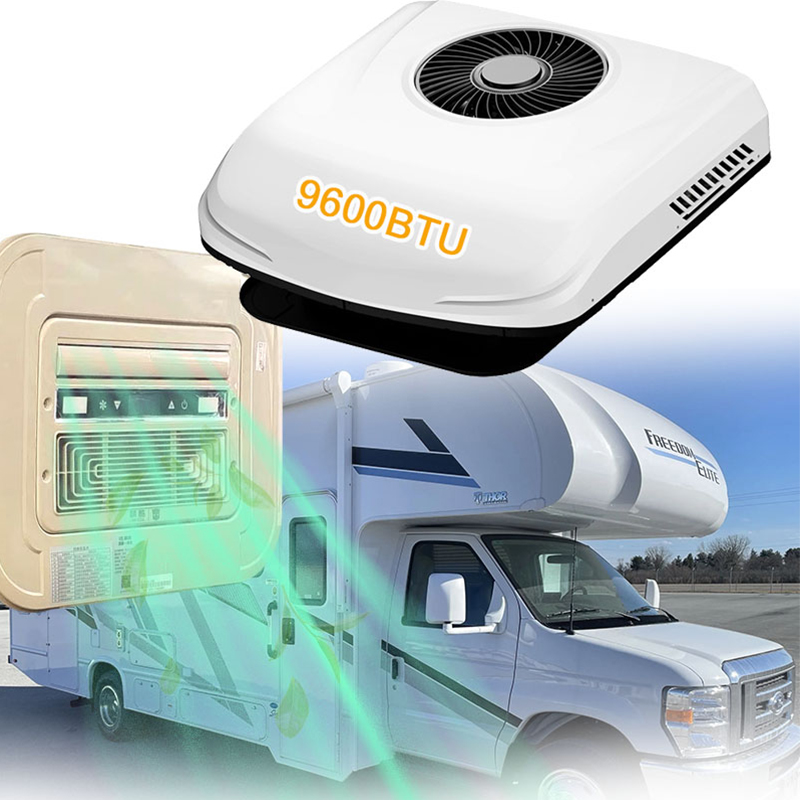 Portable Split Parking Air Conditioner for RV
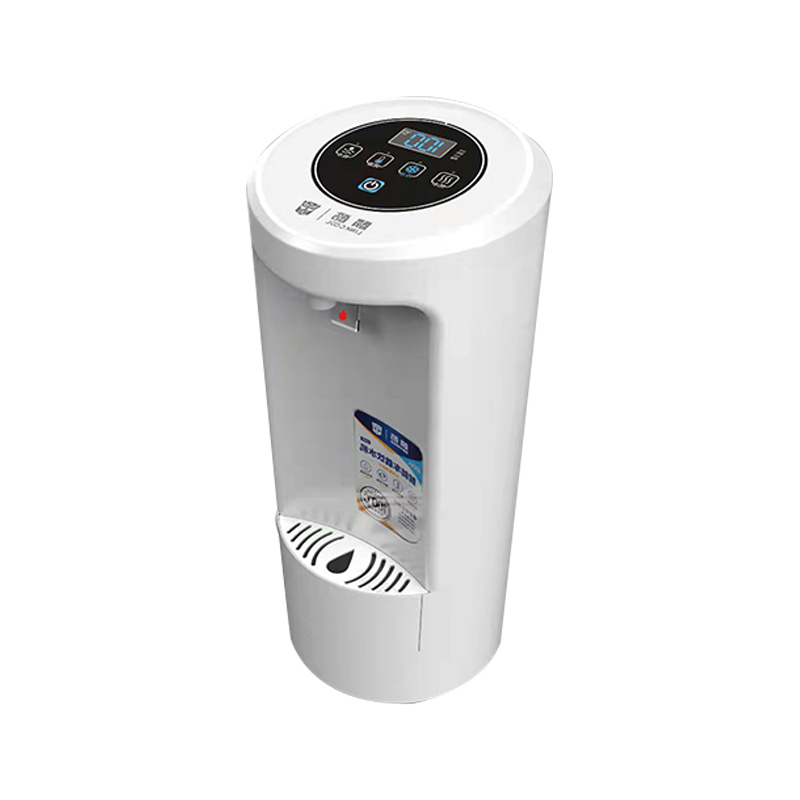 Hot Water Dispenser
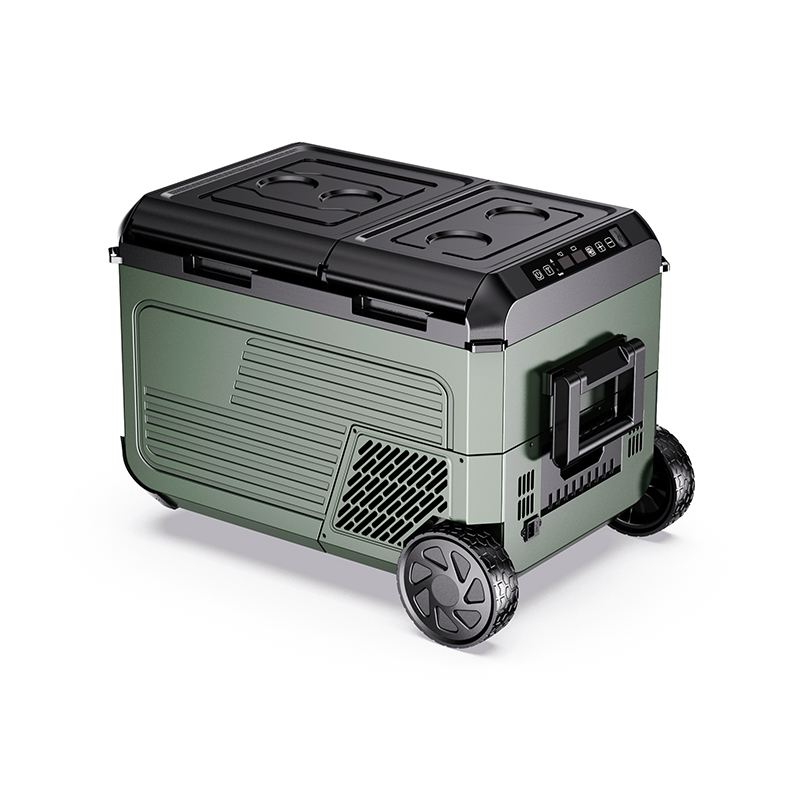 Outdoor Freezer
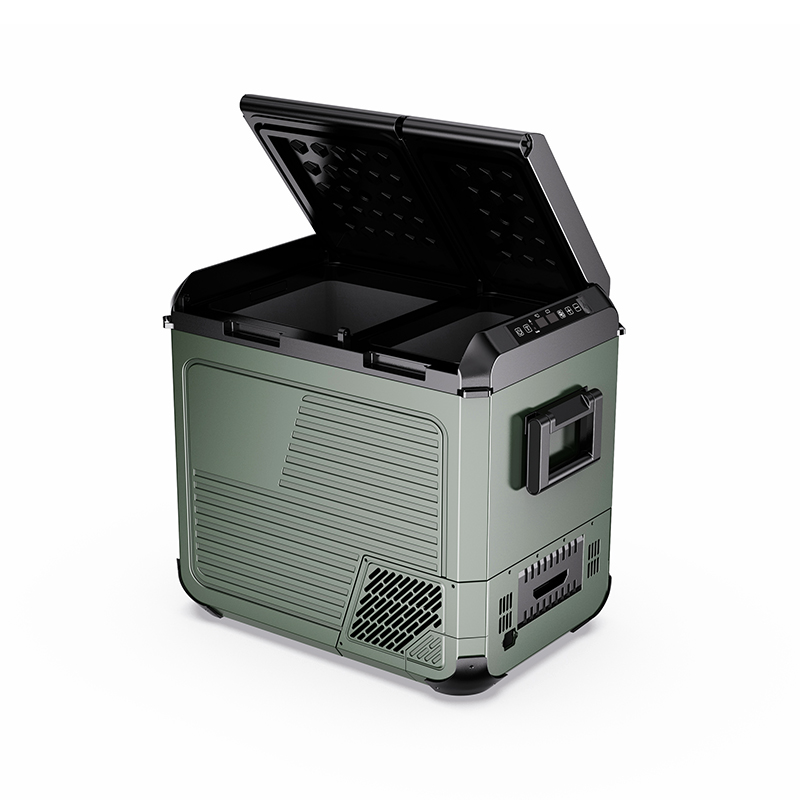 Outdoor Freezer
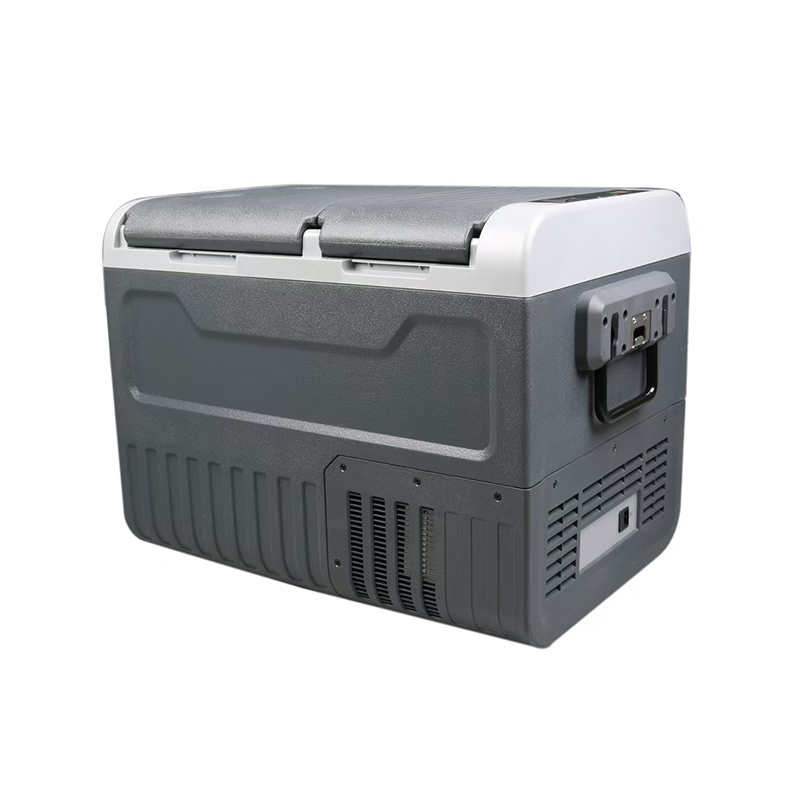 Car Refrigerator
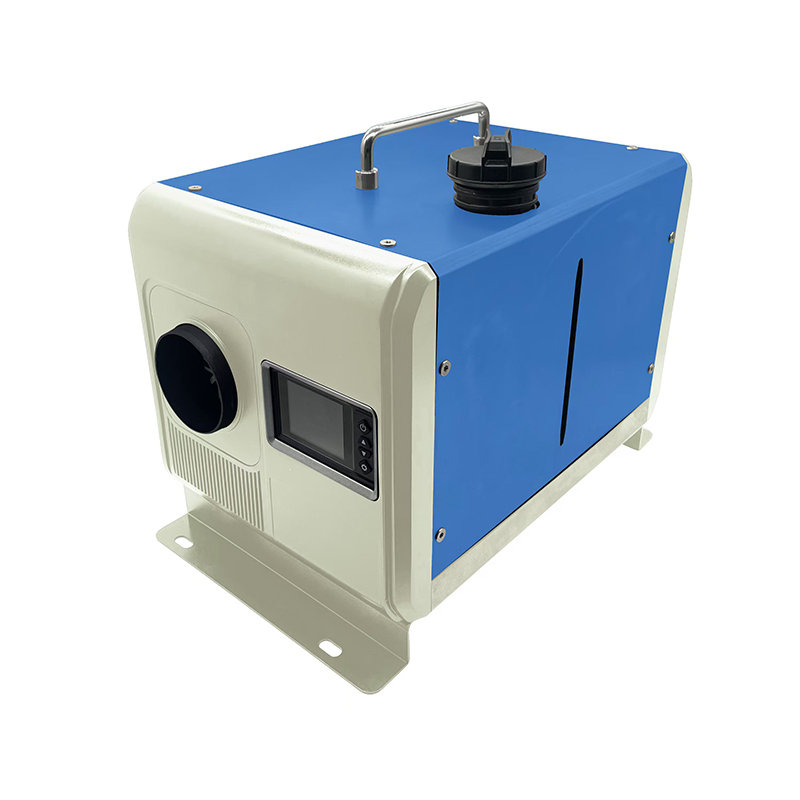 Diesel Heater For Vehicles
+86-18657986688
sale@lkcool.net
Building B, No. 9 Liunan Road, Niubeijin Industrial Zone, Baiyang Street, Jinhua, Zhejiang, China


 English
 Español