In these vehicles, air conditioning plays an important role in maintaining comfort for passengers and drivers, especially during long trips or in hot climates. Selecting the appropriate air conditioner for a van requires careful consideration of several factors, including cooling capacity, energy efficiency, installation type, and additional features.
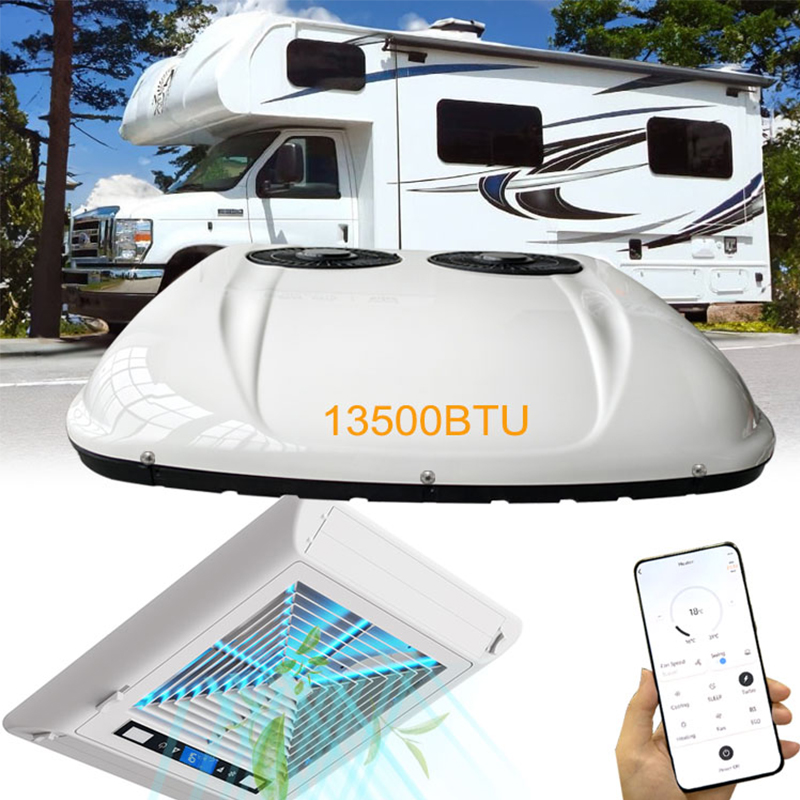
Cooling Capacity
The factor to consider is the cooling capacity, usually measured in BTU (British Thermal Units) or kilowatts. The cooling capacity should match the size of the van’s interior:
Choosing an air conditioner with appropriate capacity ensures efficient temperature control without excessive energy consumption.
Energy Efficiency
Installation Type
Selecting the right installation type depends on the van’s layout, intended usage, and passenger comfort requirements.
Additional Features
Several additional features can enhance the performance and usability of a van air conditioner:
Cost Considerations
Cost is an important factor but should be balanced with performance and efficiency:
The following table summarizes key considerations when choosing a van air conditioner:
|
Aspect |
Considerations |
Impact on Performance |
|
Cooling Capacity |
Match BTU or kW to van size and passenger number |
Efficient temperature control, energy use |
|
Energy Efficiency |
Power consumption, cooling per watt, environmental impact |
Lower operational cost, less battery strain |
|
Installation Type |
Rooftop, under-seat, portable |
Space usage, cooling coverage |
|
Additional Features |
Air filtration, remote control, noise level, durability |
Comfort, air quality, long-term reliability |
|
Cost Considerations |
Initial investment, maintenance, energy cost |
Budget planning, total cost of ownership |
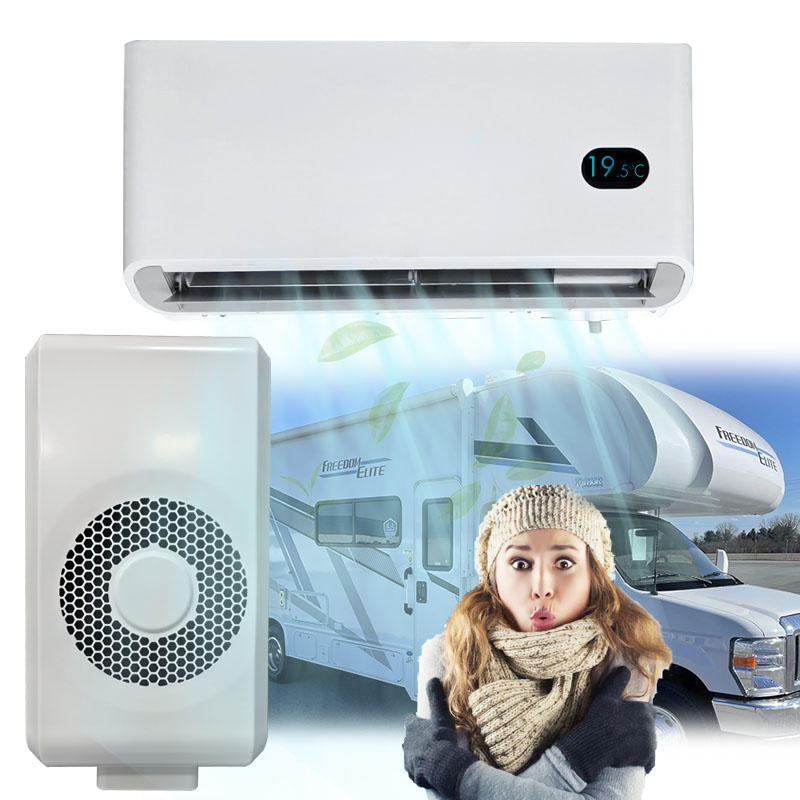 Portable Split Parking Air Conditioner for RV
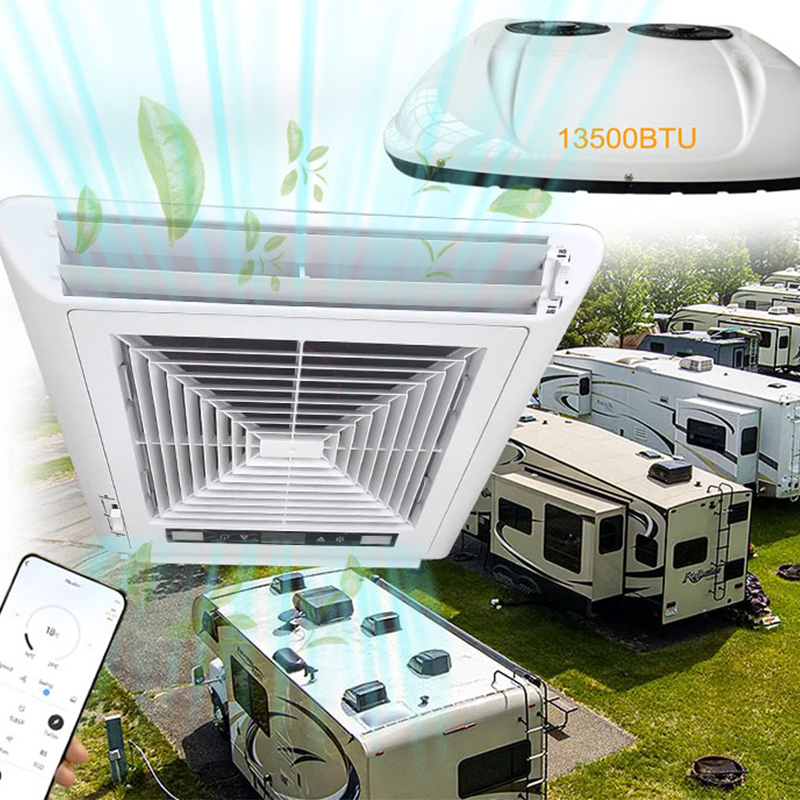 Portable Split Parking Air Conditioner for RV
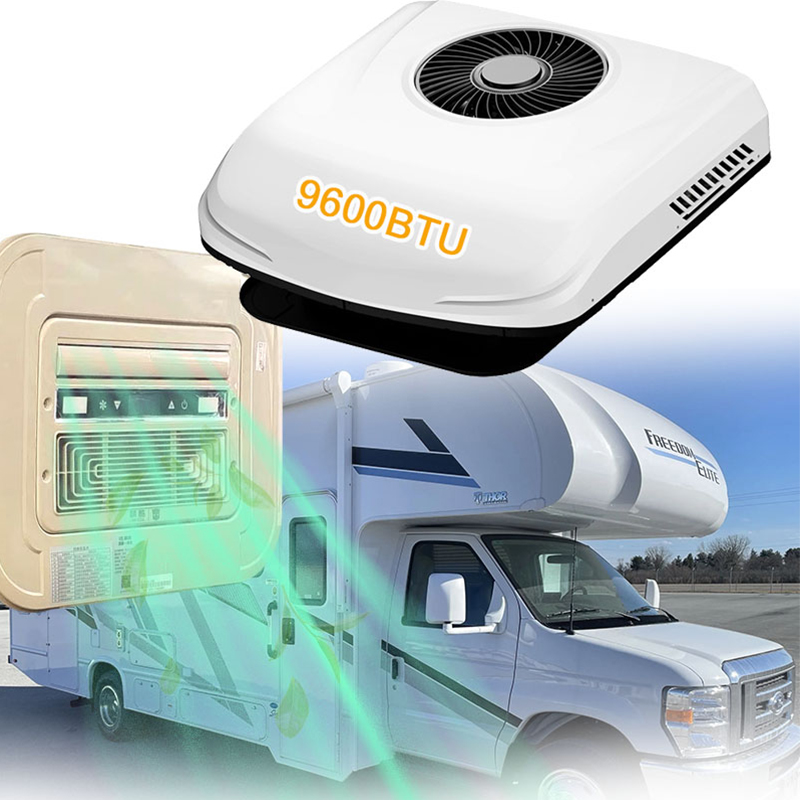 Portable Split Parking Air Conditioner for RV
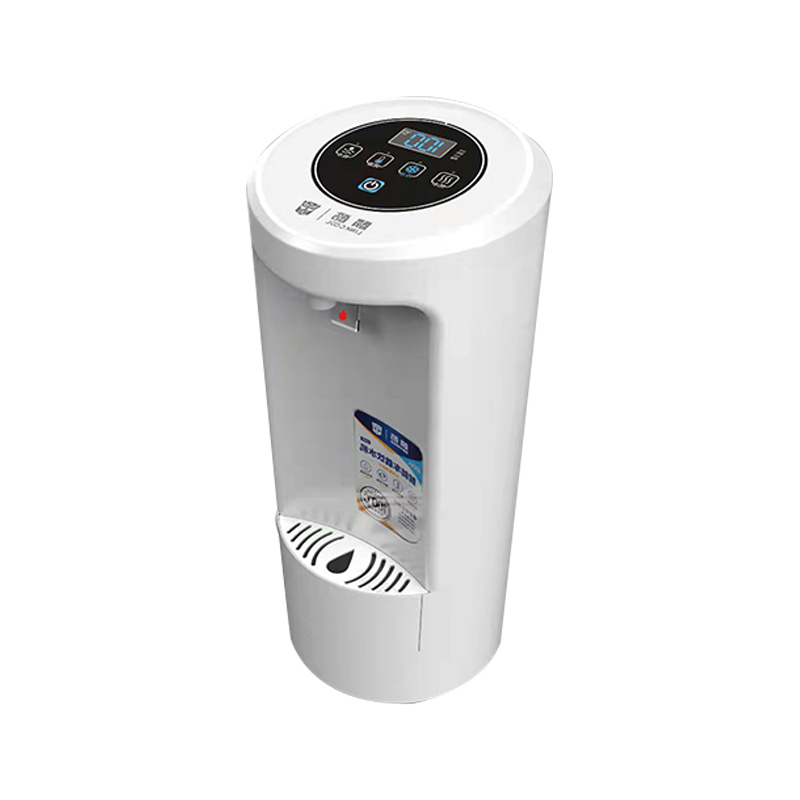 Hot Water Dispenser
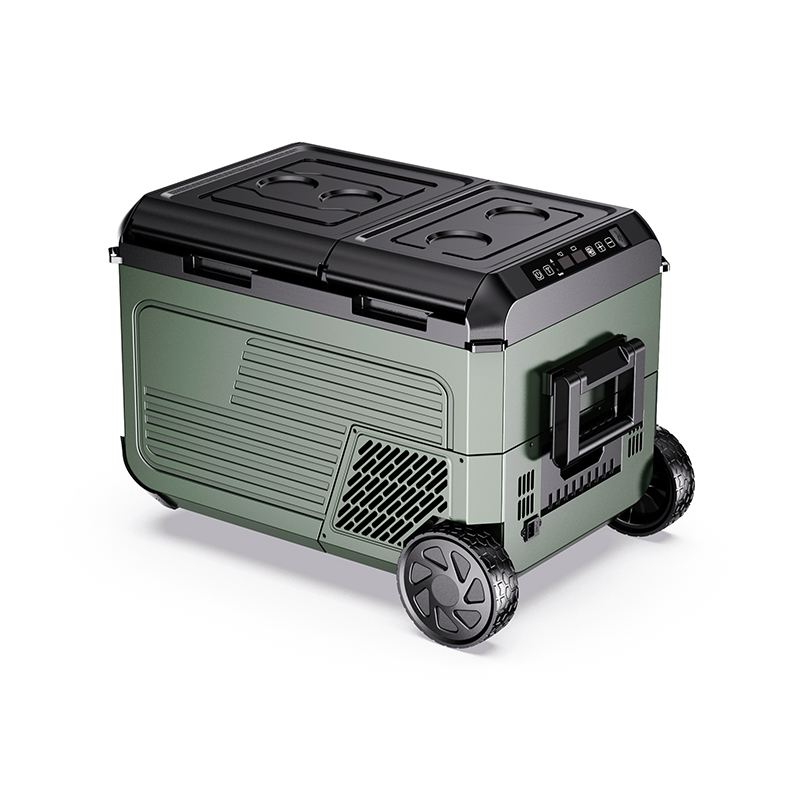 Outdoor Freezer
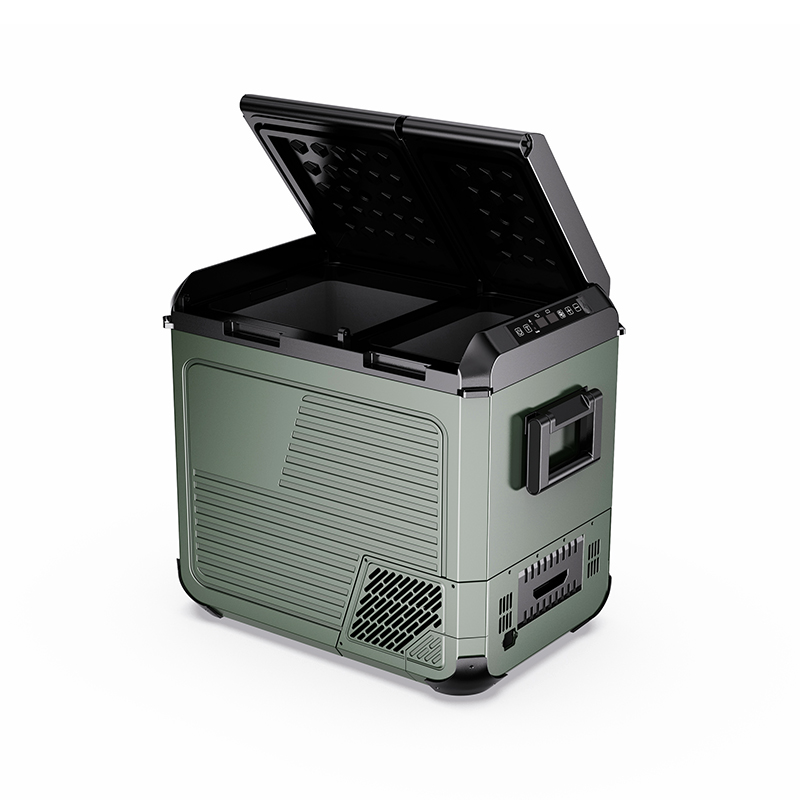 Outdoor Freezer
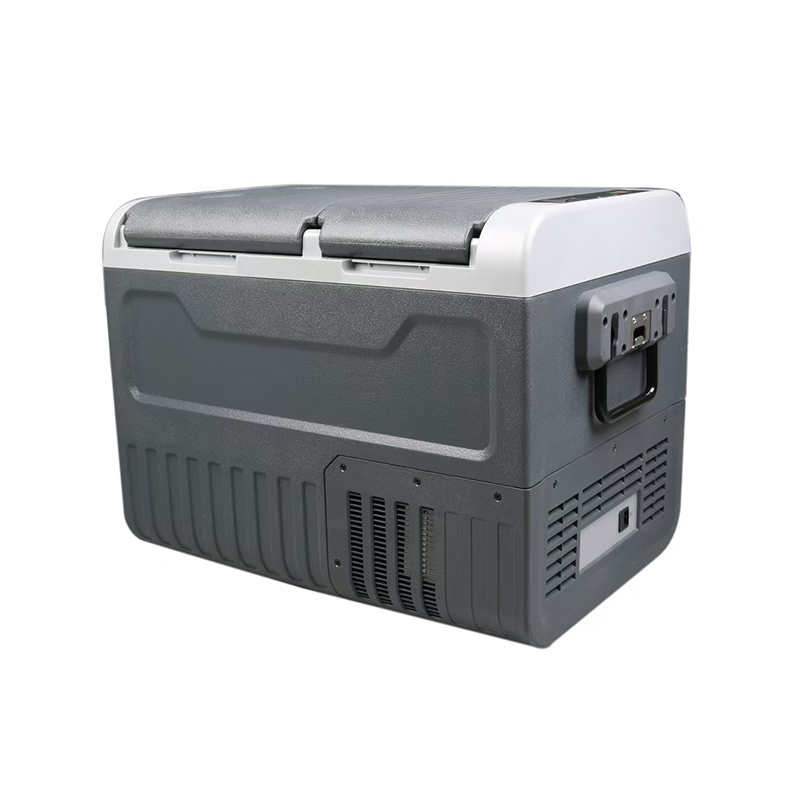 Car Refrigerator
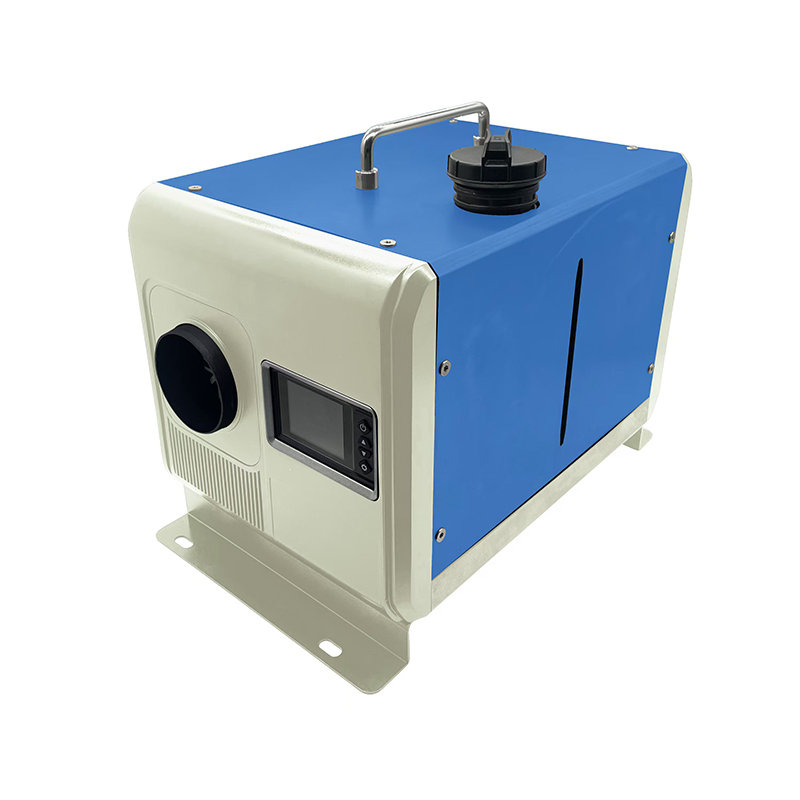 Diesel Heater For Vehicles
+86-18657986688
sale@lkcool.net
Building B, No. 9 Liunan Road, Niubeijin Industrial Zone, Baiyang Street, Jinhua, Zhejiang, China


 English
 Español