The camper air conditioner, a specialized climate control system, serves functions that extend beyond simple temperature moderation. Its role is integral to the habitability, safety, and preservation of the vehicle's interior environment. Unlike residential systems, it must operate effectively in a compact, mobile space subject to significant and rapid thermal fluctuations. The common uses of these units can be categorized into several distinct areas, each addressing a specific challenge of mobile living and recreation.
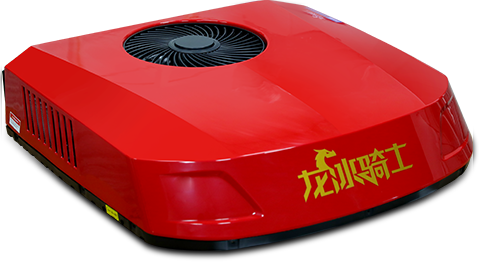
Primary Temperature Regulation
The most apparent function of a camper air conditioner is to manage the internal air temperature, counteracting external climatic conditions to maintain a consistent interior environment.
1.1. Cooling in Warm Climates
Campers, constructed with thin walls and large windows, are susceptible to heat gain from solar radiation. An air conditioner removes heat from the interior space, discharging it externally to maintain a temperature differential that is comfortable for occupants. This is essential for daily activities such as cooking, sleeping, and socializing within the vehicle.
1.2. Managing Humidity Levels
The cooling process inherently involves dehumidification. As warm, moist air passes over the cold evaporator coils, moisture condenses and is drained away. This reduction in relative humidity improves perceived comfort, as it allows for more effective evaporative cooling from the skin. It also helps prevent the clammy feeling that can persist in a poorly ventilated camper, even at moderate temperatures.
Enhancement of Occupant Comfort and Well-being
Beyond basic temperature control, the operation of the air conditioner contributes directly to the quality of the living experience.
2.1. Facilitating Rest and Sleep
Elevated temperatures and stagnant air can disrupt sleep patterns. A camper air conditioner provides a cool, consistent environment that is more conducive to rest. The provision of background white noise from the unit's compressor and fans can also mask external sounds from nearby campers, wildlife, or weather, further promoting uninterrupted sleep.
2.2. Improving Indoor Air Circulation
Even when the cooling compressor is not actively cycling, many camper air conditioners feature a "fan-only" mode. This setting circulates the air within the camper, preventing stagnation and creating a more uniform environment by mixing air from different levels, as warmer air tends to stratify near the ceiling.
Protection of the Camper Interior
The controlled environment maintained by an air conditioner helps preserve the camper's materials and systems.
3.1. Preventing Moisture-Related Damage
By controlling humidity, the air conditioner inhibits the growth of mold and mildew on soft surfaces like upholstery, mattresses, and curtains. It also helps protect wooden cabinetry and wall structures from warping or rotting that can occur in a persistently damp environment.
3.2. Reducing Heat Stress on Components
Prolonged exposure to high temperatures can accelerate the degradation of electronic components, plastic fittings, and adhesive seals within the camper. Maintaining a moderate interior temperature can slow this aging process, potentially extending the functional life of these items.
Health and Safety Applications
In certain scenarios, the air conditioner functions as a critical tool for health and safety management.
4.1. Creating a Refuge from Weather
During heatwaves or periods of intense sun, the camper can serve as a cooled refuge for occupants. This is particularly important for vulnerable individuals, such as the elderly, young children, or those with certain medical conditions, for whom excessive heat poses a health risk.
4.2. Filtering Airborne Particulates
Many camper air conditioners incorporate a basic air filter. While not equivalent to a dedicated HEPA filtration system, this filter can capture dust, pollen, and other airborne particulates drawn into the unit. When the system is recirculating interior air, it can slightly improve indoor air quality, which is beneficial for individuals with allergies or respiratory sensitivities, especially in dusty camping environments.
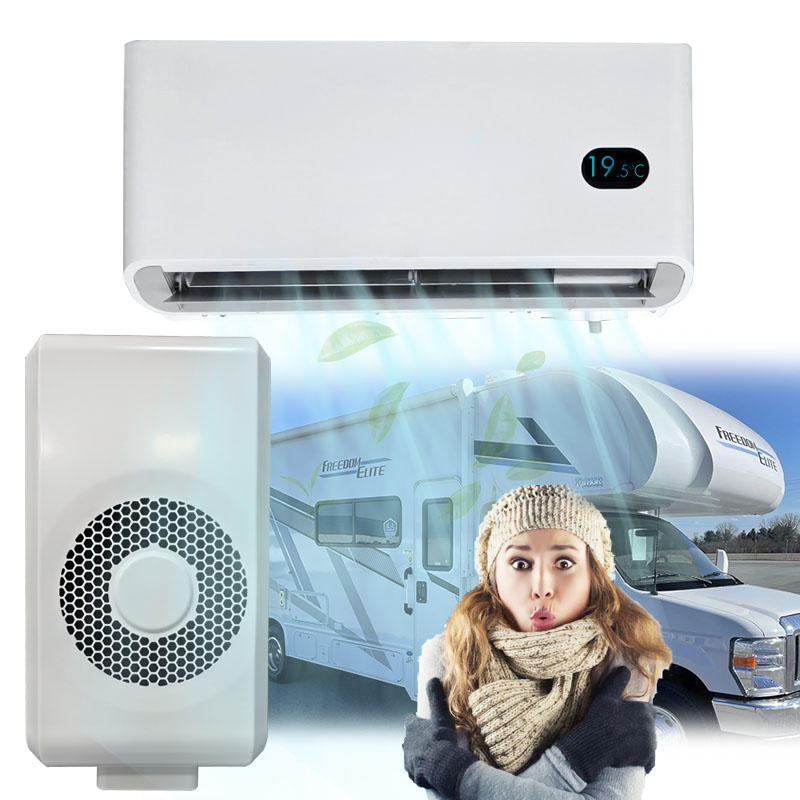 Portable Split Parking Air Conditioner for RV
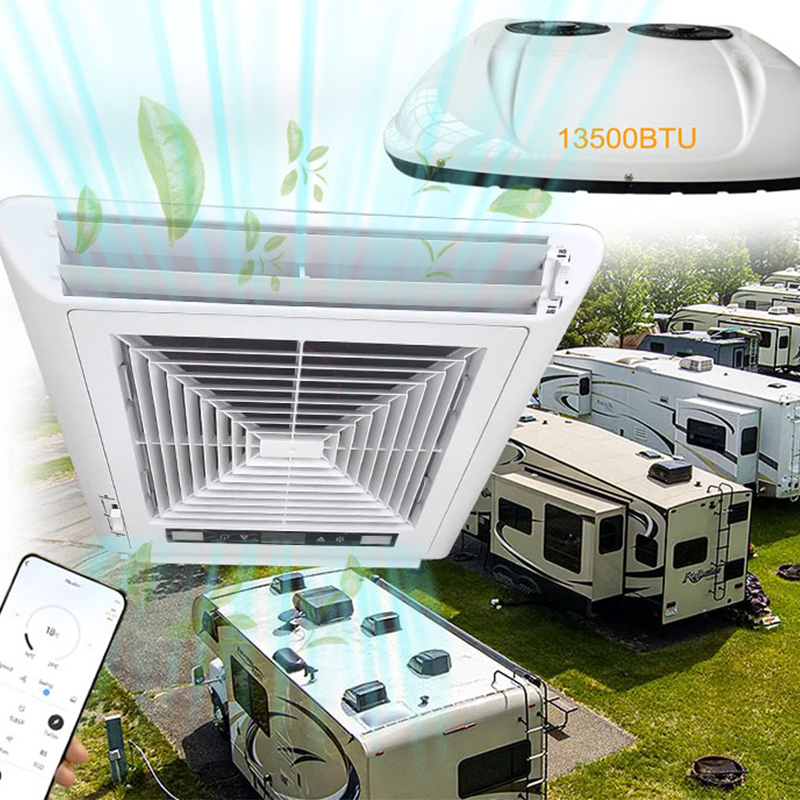 Portable Split Parking Air Conditioner for RV
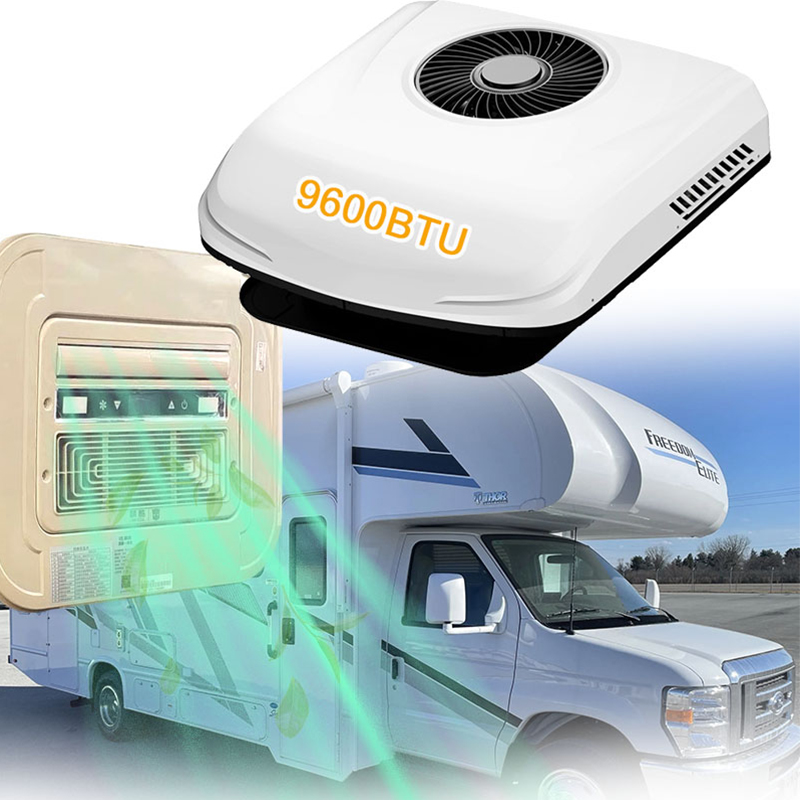 Portable Split Parking Air Conditioner for RV
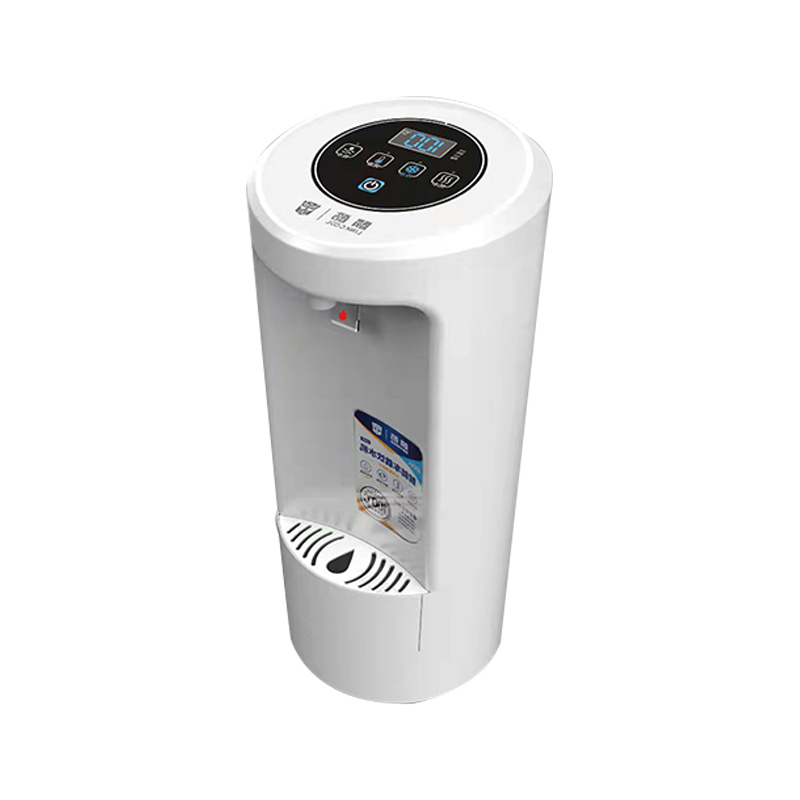 Hot Water Dispenser
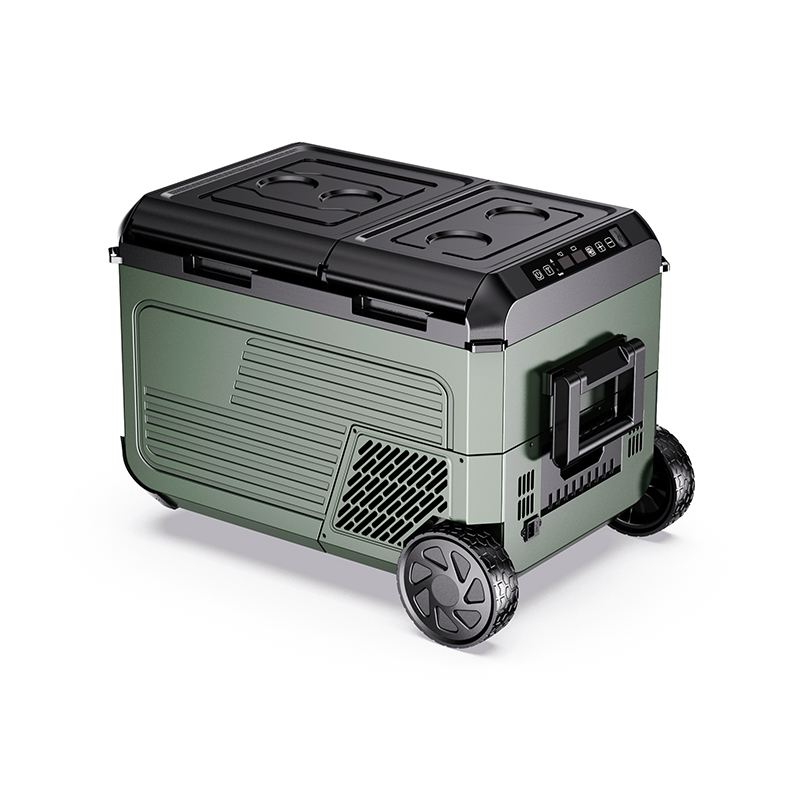 Outdoor Freezer
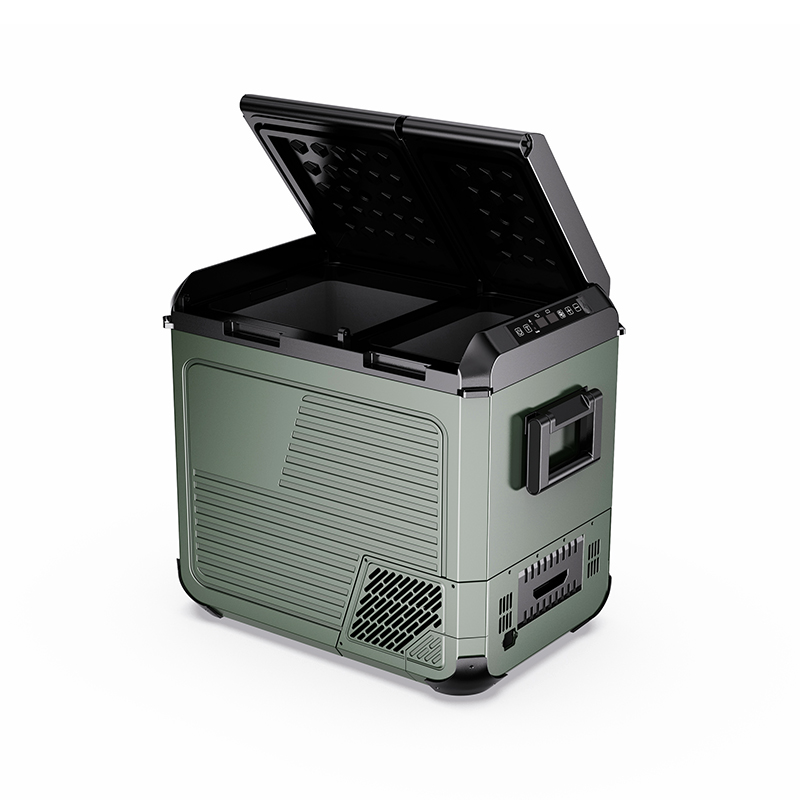 Outdoor Freezer
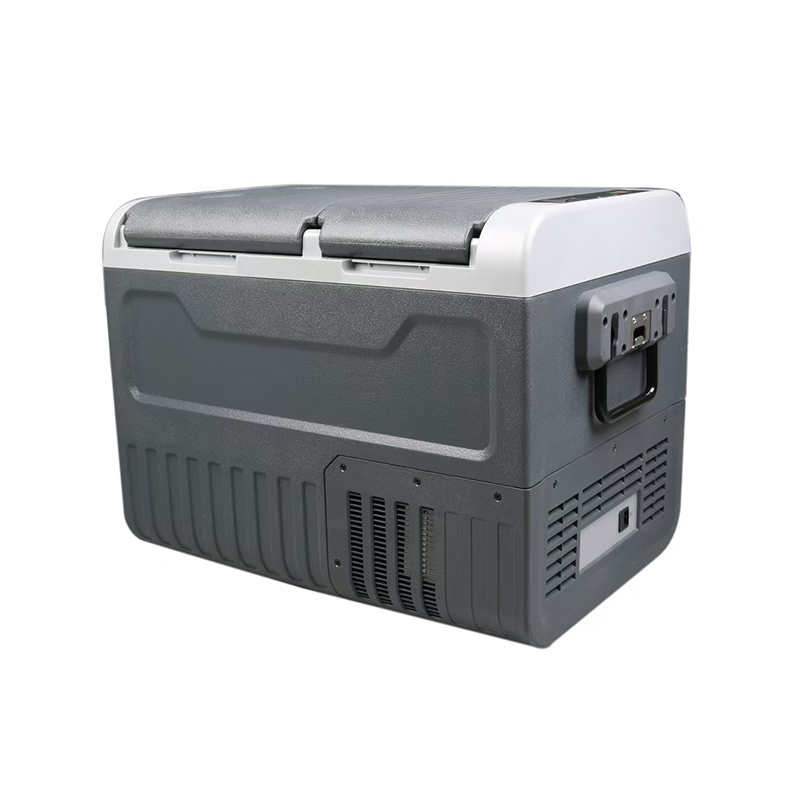 Car Refrigerator
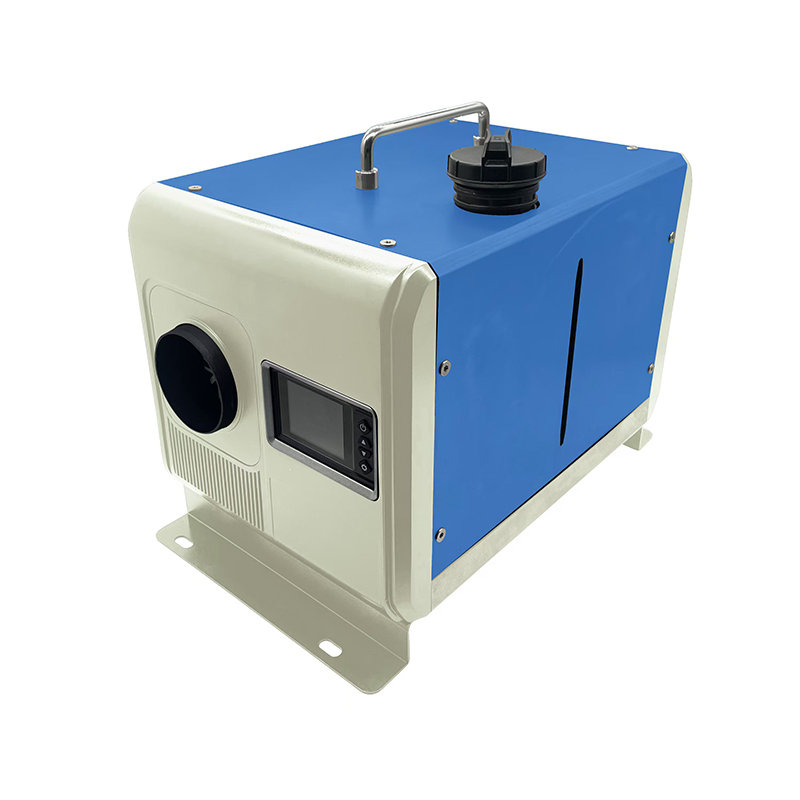 Diesel Heater For Vehicles
+86-18657986688
sale@lkcool.net
Building B, No. 9 Liunan Road, Niubeijin Industrial Zone, Baiyang Street, Jinhua, Zhejiang, China


 English
 Español