Content
Electrical compatibility is an important consideration when purchasing an air conditioning unit for trucks, vans, RVs, and other commercial vehicles. Although 12V and 24V equipment can provide similar cooling functions, their power requirements, current consumption, and wiring arrangements are different. A mismatch may cause operating problems, excessive electrical loads, or installation complications.
At Linkcool, we develop vehicle cooling solutions for different transportation and mobile applications. We understand that fleet buyers, distributors, and OEM customers need to evaluate vehicle specifications before confirming an order. Understanding the electrical requirements of a vehicle electric air conditioner helps purchasing teams identify suitable configurations and avoid unnecessary modifications.

The main difference between these two configurations is their operating voltage. Both can power DC electric air conditioning equipment, but the current required to deliver the same electrical power varies.
Electrical power is calculated using the following formula:
Power (W) = Voltage (V) × Current (A)
Consider an air conditioning unit with an electrical input power of 1,000W. Its approximate current requirements under nominal voltage conditions are:
| Parameter | 12V System | 24V System |
| Rated Voltage | 12V | 24V |
| Input Power | 1,000W | 1,000W |
| Calculated Current | 83.3A | 41.7A |
| Cooling Output | Depends on equipment design | Depends on equipment design |
This comparison shows that a 24V configuration requires approximately half the current of a 12V configuration at the same power level. Lower current can reduce resistive heat generation and voltage drop across properly designed wiring.
However, voltage alone does not determine cooling capacity. Compressor specifications, refrigerant circulation, condenser performance, airflow, and ambient temperature also influence actual cooling results.
Vehicle electrical architecture provides a practical starting point for evaluating the appropriate air conditioning voltage.
| Vehicle Category | Common Voltage | Purchasing Considerations |
| Passenger Cars | 12V | Battery compatibility and available installation space |
| Pickup Trucks | 12V / 24V | Confirm the original electrical configuration |
| Light Commercial Vans | 12V | Power consumption and cabin dimensions |
| Heavy-Duty Trucks | 12V / 24V | Battery arrangement and parking operation |
| Buses | 24V | Electrical load and cooling requirements |
| RV Vehicles | 12V / 24V | Auxiliary battery capacity and installation layout |
These are general application references rather than universal rules. Buyers should verify the actual voltage specified by the vehicle manufacturer, particularly for imported trucks, modified vehicles, and special-purpose equipment.
Battery capacity directly affects how long an electric parking air conditioner can operate without engine charging. Buyers should evaluate usable battery energy, expected cooling hours, and other electrical loads rather than relying on battery voltage alone.
High-current 12V equipment requires appropriately sized cables, connectors, and fuses. Cable length, installation temperature, and allowable voltage drop should also be included in the electrical design.
Rooftop and split-mounted units have different installation requirements. Check mounting dimensions, available space, cable routing, and service access before confirming the equipment configuration.
Compare rated input power and cooling capacity separately. A unit with higher electrical consumption does not automatically provide better cooling performance. Operating conditions and cabin insulation also influence actual results.
At Linkcool, we provide vehicle air conditioning solutions for commercial transportation and mobile applications. Our AK35 universal truck air conditioner offers 12V and 24V configuration options, helping buyers address different vehicle electrical requirements.
Before confirming an order, we recommend providing the following information:
Our team can use these details to discuss suitable configurations and technical requirements with distributors, fleet operators, and vehicle manufacturers.
The decision between 12V and 24V electric air conditioning should begin with the vehicle's electrical architecture. A 12V configuration is commonly associated with light vehicles and RVs, while 24V systems are widely used in commercial trucks and buses. Current consumption, battery capacity, wiring design, and installation compatibility should all be evaluated before procurement.
At Linkcool, we aim to help business buyers simplify technical evaluation through application-oriented air conditioning solutions. Contact our team to discuss AK35 configurations, vehicle compatibility, and OEM/ODM cooperation for your target market.
 Portable Split Parking Air Conditioner for RV
 Portable Split Parking Air Conditioner for RV
 Portable Split Parking Air Conditioner for RV
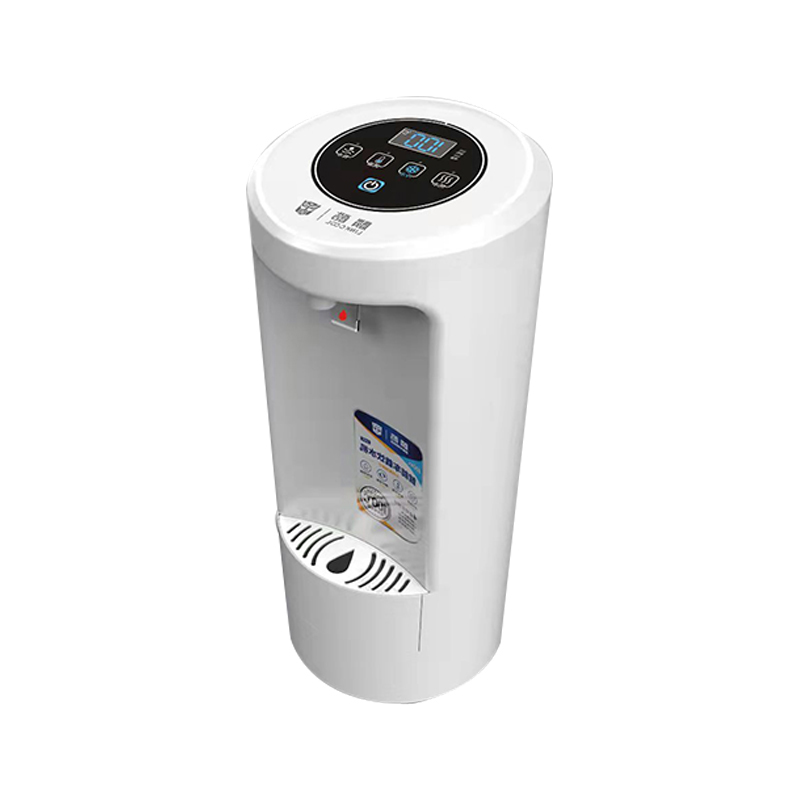 Hot Water Dispenser
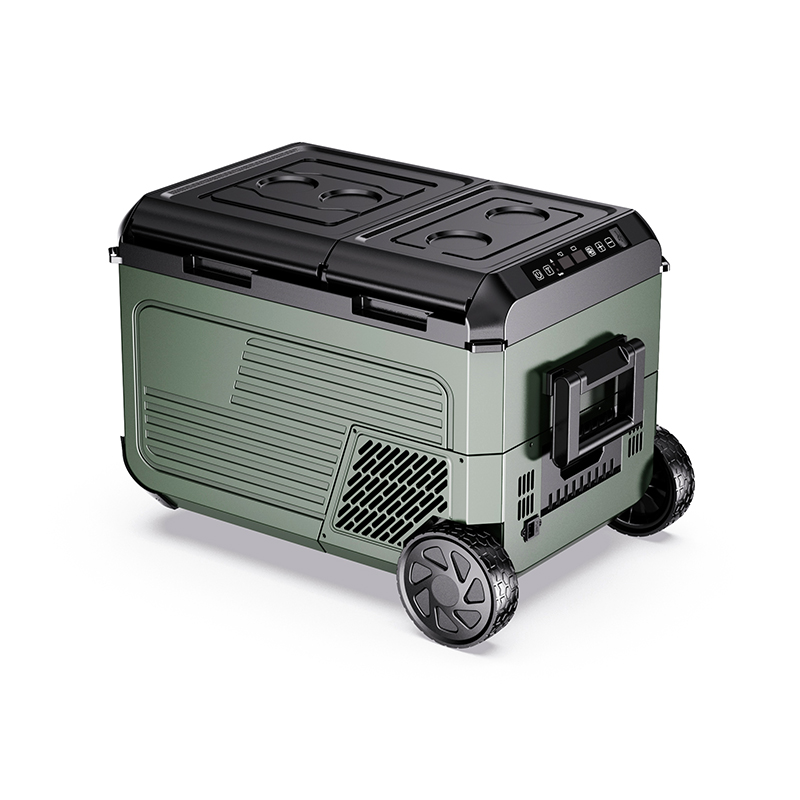 Outdoor Freezer
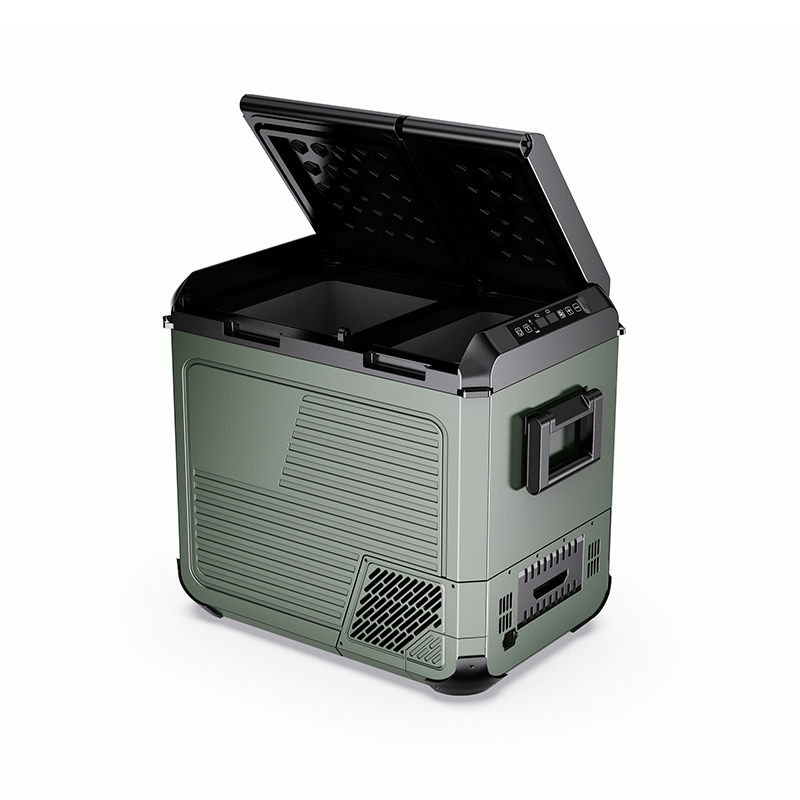 Outdoor Freezer
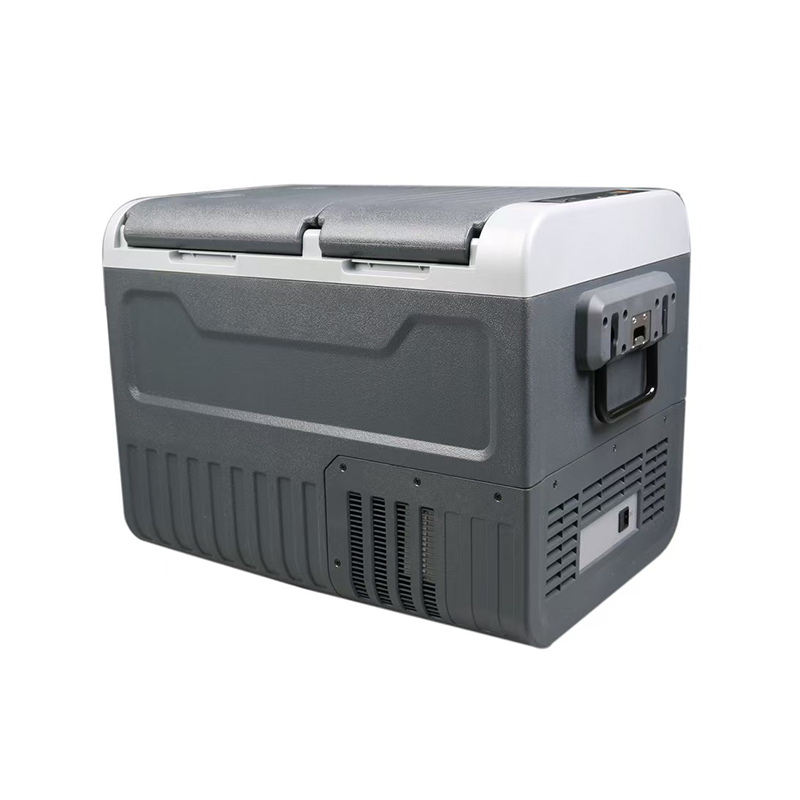 Car Refrigerator
 Diesel Heater For Vehicles
+86-18657986688
sale@lkcool.net
Building B, No. 9 Liunan Road, Niubeijin Industrial Zone, Baiyang Street, Jinhua, Zhejiang, China


 English
 Español
