Content
Cabin cooling is an important part of commercial truck operation, particularly for long-distance transportation, overnight parking, and vehicles working in regions with high summer temperatures. A malfunctioning air conditioner can affect driver comfort, rest quality, and daily fleet schedules. However, replacing an entire air conditioning unit is not always necessary. Some problems can be resolved through component repairs, cleaning, or electrical maintenance.
At Linkcool, we focus on automotive air conditioning solutions for commercial vehicles, trucks, RVs, and other mobile applications. Through our experience in developing and manufacturing vehicle cooling equipment, we understand that fleet operators need to evaluate repair costs, equipment condition, electrical compatibility, and operating requirements before making replacement decisions. Understanding the condition of a heavy duty truck ac system helps buyers establish a more practical maintenance and equipment replacement strategy.
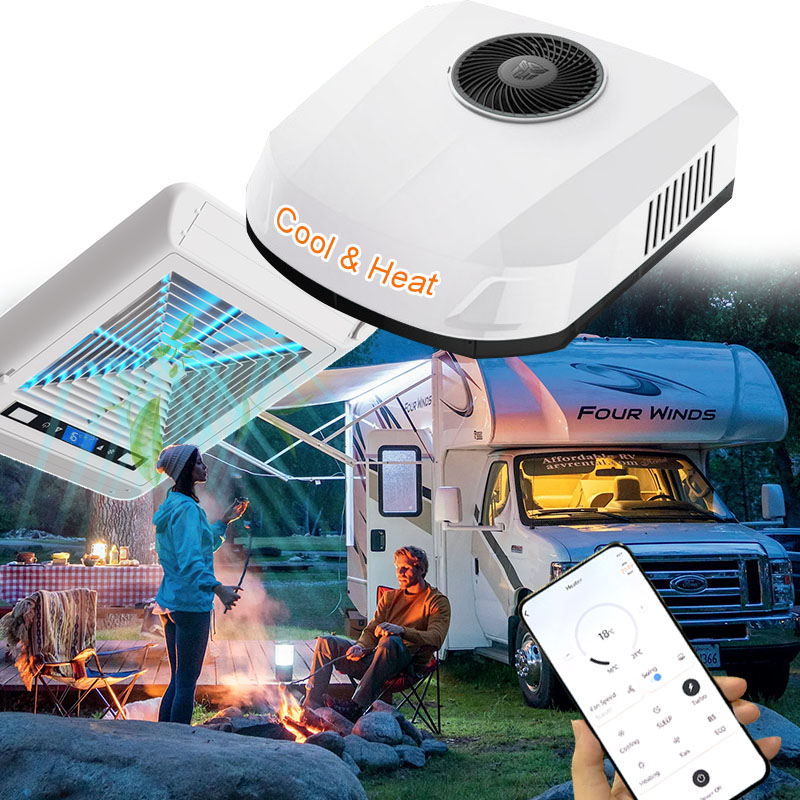
A decline in cooling performance does not automatically indicate that the entire air conditioning unit has reached the end of its service life. Fleet maintenance teams should identify the source of the problem before ordering replacement equipment.
These symptoms should be recorded alongside vehicle mileage, operating hours, maintenance history, and environmental conditions. Such records help technicians distinguish an isolated component problem from a broader equipment failure.
Repair is generally worth considering when the main air conditioning structure remains in good condition and the malfunction can be traced to an individual component. Replacing a small damaged part may restore normal operation without requiring a complete equipment change.
| Problem | Possible Repair Action | Inspection Priority |
| Dirty condenser surface | Clean accumulated dust and debris | Airflow and heat transfer |
| Blocked cabin filter | Clean or replace the filter | Air circulation |
| Loose electrical connection | Inspect wiring and restore secure connections | Voltage stability |
| Minor refrigerant leakage | Locate and repair the leak, then recharge | Refrigerant circuit integrity |
| Damaged fan motor | Replace the affected motor or fan assembly | Airflow performance |
| Faulty temperature sensor | Test and replace the sensor where necessary | Temperature control |
Before authorizing a repair, fleet managers should request a clear diagnostic report. Refrigerant pressure measurements, electrical testing, leak detection, and component inspections provide useful evidence for determining the actual fault.
Refrigerant should not simply be added repeatedly to compensate for a leaking circuit. The leakage source needs to be identified and repaired. Technicians should also use the refrigerant type and charging quantity specified for the particular equipment.
A repair quotation should include more than the replacement component price. Labor, refrigerant recovery, testing, vehicle downtime, transportation, and possible repeat service visits all affect the actual expense.
A relatively inexpensive repair may be reasonable for a well-maintained unit. However, repeated repairs within a short operating period deserve a broader equipment assessment.
Some failures affect several major components or compromise the reliability of the complete cooling circuit. Under these circumstances, continuing to repair individual parts may become economically difficult to justify.
Equipment age should also be considered, but it should not be the only replacement criterion. Two air conditioners with similar service histories may have very different remaining service potential because of operating hours, maintenance quality, vibration exposure, and ambient temperatures.
| Evaluation Factor | Repair the Existing Unit | Replace the Equipment |
| Component condition | One or two isolated faults | Several major components deteriorated |
| Cooling performance | Expected to recover after repair | Repeated performance problems remain |
| Maintenance history | Limited previous failures | Frequent service interruptions |
| Electrical compatibility | Existing configuration remains suitable | New power requirements need to be addressed |
| Cost evaluation | Repair expense is reasonable | Replacement offers better long-term value |
| Operating requirements | Existing capacity remains sufficient | Current cooling or parking requirements have changed |
There is no universal repair-to-replacement cost ratio suitable for every fleet. A practical decision should consider the complete maintenance history, expected remaining service life, and cost of keeping the vehicle operational.
Another important consideration is the type of cooling equipment installed in the truck. Conventional engine-driven air conditioning and auxiliary parking air conditioning have different power arrangements and operating conditions.
Conventional truck air conditioning generally uses engine power to operate the compressor. Its performance depends on several interconnected components, including the compressor, condenser, evaporator, expansion device, blower, and refrigerant lines.
Maintenance inspections should cover:
These checks are particularly relevant to trucks operating in dusty environments, construction areas, and regions with prolonged high temperatures.
Auxiliary parking air conditioners operate independently of the truck engine, allowing drivers to maintain cabin cooling during rest periods. They are especially relevant to long-haul vehicles that spend extended periods parked.
Unlike engine-driven systems, their maintenance assessment needs to include the battery and charging configuration. A cooling unit may function normally but still shut down prematurely because the available battery energy cannot support the required operating duration.
Fleet managers should review the following information:
At Linkcool, we develop battery-powered truck parking air conditioning solutions for different commercial vehicle applications. Our X55 rooftop model supports 12V and 24V DC electrical configurations, providing an additional cooling option for truck operators who require cabin comfort during parking.
Replacement purchasing requires more than comparing cooling capacity and equipment prices. A new unit needs to match the vehicle's installation space, electrical supply, cooling requirements, and operating environment.
The X55 is designed for truck and tractor parking applications. Its rooftop structure integrates the cooling equipment into a compact assembly, making it a practical option for vehicles that need an auxiliary parking cooling solution.
| Technical Parameter | X55 Specification |
| Rated Voltage | 12V / 24V DC |
| Cooling Capacity | 2200W |
| Rated Power Consumption | 750W / 800W |
| Rated Current | 31A / 59A or 33A / 62A |
| Circulating Air Volume | 450 m³/h |
| Refrigerant | R134a |
| Refrigerant Filling Capacity | 550 ± 5g |
| Working Temperature Setting Range | 17–30°C |
| Compressor Options | Double Rotor Compressor / Scroll Compressor |
| Dimensions (L × W × H) | 860 × 750 × 170 mm |
The listed electrical values vary according to the configuration. Buyers should confirm the applicable voltage, compressor version, and corresponding rated current before placing an order.
These technical details should be evaluated together rather than independently. Actual operating duration depends on battery capacity, ambient temperature, cabin insulation, cooling load, and system operating conditions.
A structured preventive maintenance program helps fleet operators identify developing problems before they require extensive repairs. It also provides useful information for planning replacement purchases across different vehicle groups.
| Inspection Item | Recommended Action | Purpose |
| Air filters | Inspect and clean or replace as required | Maintain airflow |
| Condenser | Remove dust and inspect for physical damage | Maintain heat exchange |
| Refrigerant circuit | Check for leakage and abnormal pressure | Maintain cooling performance |
| Electrical connections | Inspect wiring, terminals, and fuses | Reduce electrical faults |
| Compressor and fan | Check operation, mounting, and unusual noise | Identify mechanical problems |
| Battery system | Check voltage, capacity, and charging condition | Support parking AC operation |
| Mounting structure | Inspect fasteners, seals, and vibration-related damage | Maintain installation integrity |
Inspection intervals should follow the equipment manufacturer's recommendations and reflect actual vehicle operating conditions. Trucks working in dusty construction environments or under continuous high-temperature conditions may require more frequent checks.
Fleet managers can improve replacement planning by maintaining consistent equipment records for every vehicle.
These records help purchasing departments prepare more accurate equipment specifications and reduce compatibility problems during bulk procurement.
After deciding that replacement equipment is necessary, fleet operators should communicate their application requirements clearly to the manufacturer. A detailed inquiry makes technical confirmation and purchasing arrangements easier.
At Linkcool, we recommend preparing the following information before requesting a quotation:
As an automotive new energy appliance manufacturer, Zhejiang Linkcool Technology Co., Ltd. provides OEM/ODM development and manufacturing services for vehicle air conditioning and related mobile cooling equipment. We work with different application requirements to help business buyers evaluate product configurations before confirming their purchasing plans.
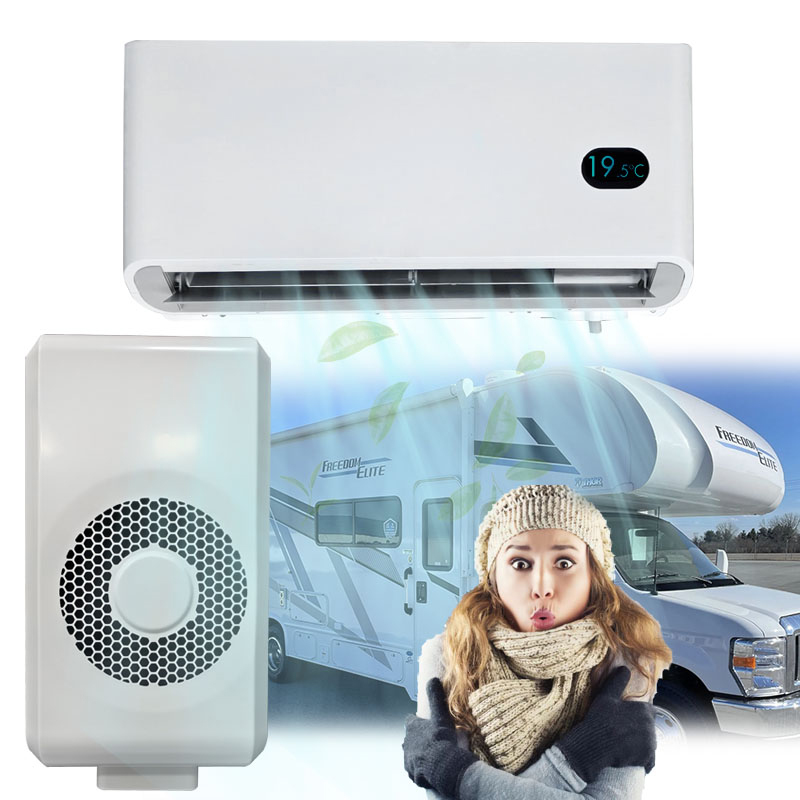 Portable Split Parking Air Conditioner for RV
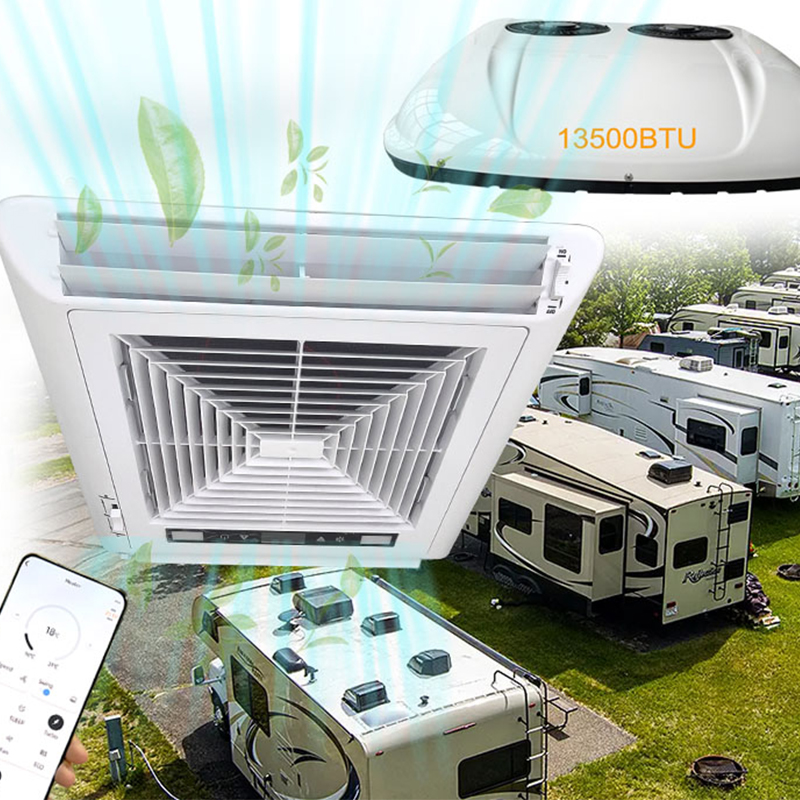 Portable Split Parking Air Conditioner for RV
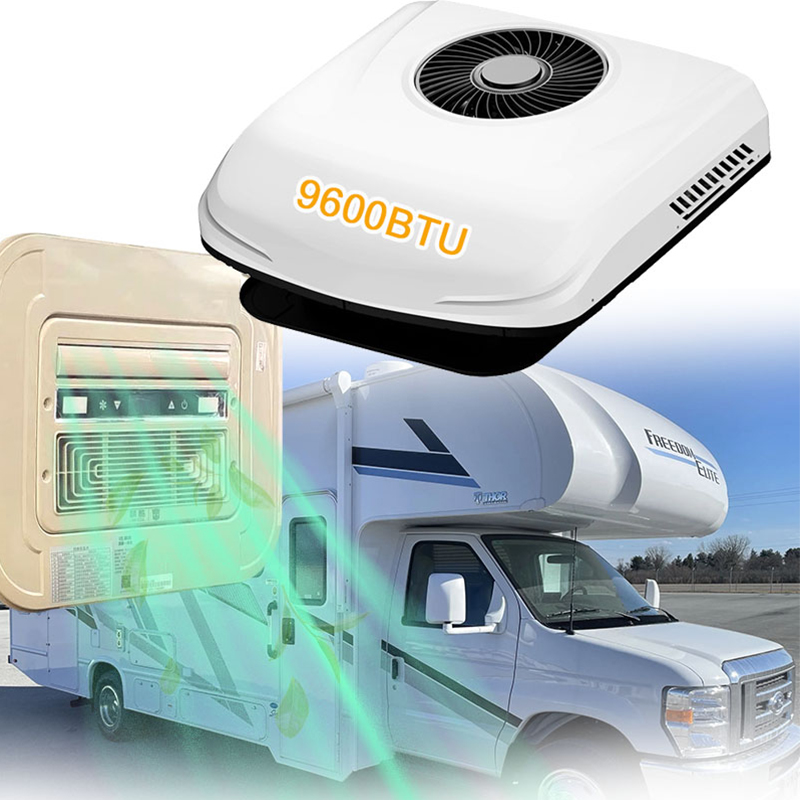 Portable Split Parking Air Conditioner for RV
 Hot Water Dispenser
 Outdoor Freezer
 Outdoor Freezer
 Car Refrigerator
 Diesel Heater For Vehicles
+86-18657986688
sale@lkcool.net
Building B, No. 9 Liunan Road, Niubeijin Industrial Zone, Baiyang Street, Jinhua, Zhejiang, China


 English
 Español
