Content
Designing a climate control package for a recreational vehicle involves more than purchasing an air conditioner and a heater. RV manufacturers, wholesalers, and distributors must consider installation space, temperature control, electrical requirements, product compatibility, and long-term service needs. At Linkcool, we encourage buyers to evaluate the complete hvac for rv configuration before finalizing equipment specifications.
An integrated system can combine cooling and heating functions within a coordinated unit, while a separate arrangement uses independent equipment for different climate control tasks. Each approach offers practical benefits, depending on the vehicle layout, target market, and expected operating conditions.
An integrated solution may combine air conditioning and heat pump functions in one appliance, with shared controls and coordinated air distribution. Some models also support ducted airflow, allowing conditioned air to reach different areas of the vehicle.
A separate arrangement uses an air conditioner alongside an independent heating system, such as a furnace or another suitable heater. This configuration allows vehicle builders to specify each appliance according to its intended purpose.
| Evaluation Factor | Integrated System | Separate Units |
| Equipment layout | May consolidate cooling and heating functions | Requires space for multiple appliances |
| Temperature control | May support coordinated control | May require separate thermostats or controls |
| Initial procurement | One coordinated equipment package may simplify sourcing | Multiple product specifications may require coordination |
| Replacement planning | A failure may affect multiple functions within the unit | Individual appliances can often be replaced independently |
| Climate suitability | Depends on heating technology and its rated operating range | Each appliance can be specified for its intended conditions |
| Installation | Requires compatibility with the integrated unit's layout | Requires suitable mounting and connections for each appliance |
Neither configuration automatically reduces total cost. Buyers should compare equipment prices, installation labor, control components, wiring, ducting, spare parts, and warranty arrangements. A lower initial quotation may not represent the lower total project cost if additional integration work is required.
Integrated air conditioners often use a heat pump to provide both cooling and heating. The heat pump reverses the refrigeration cycle to transfer heat into the cabin during suitable outdoor conditions. Its heating capacity and operating range must be checked against the intended travel environment.
For example, a rooftop system rated at 13,500 BTU/h for cooling may also offer a similar nominal heating capacity. However, actual heating output depends on the specific model and outdoor temperature. Heat pump performance can decline in colder conditions, so a separate furnace or auxiliary heater may still be required for certain applications.
At Linkcool, we recommend reviewing the complete model specification rather than comparing equipment by cooling capacity alone. This approach helps buyers identify whether the proposed configuration suits the vehicle design and the climate conditions expected in the destination market.
Vehicle layout can influence the decision as much as the equipment itself. A rooftop integrated unit may preserve interior storage space, while an under-bench or interior-mounted system can keep the roof available for solar panels or other accessories. Separate heating equipment may require additional mounting space, ventilation provisions, or dedicated exhaust arrangements, depending on the technology.
Air distribution also deserves attention. A ducted configuration can deliver conditioned air to several areas, while a non-ducted design generally distributes air directly from the unit's interior assembly. Buyers should review cabin length, partitions, ceiling construction, and return-air paths before confirming a system.
At Linkcool, we encourage RV manufacturers, equipment distributors, and wholesale buyers to define the project requirements before requesting a quotation. Clear specifications help identify suitable configurations and reduce uncertainty during installation planning.
Prepare the following information for an initial review:
We also recommend confirming warranty coverage, spare parts availability, technical documentation, and applicable compliance requirements. These details are particularly relevant to distributors planning repeat orders or manufacturers integrating climate control equipment into a new vehicle platform.
Integrated RV HVAC systems can simplify equipment coordination by combining cooling and heating functions, while separate units provide flexibility in capacity planning, replacement, and technology selection. The right choice depends on vehicle space, climate conditions, electrical limitations, installation requirements, and the intended purchasing model.
At Linkcool, we help buyers review RV air conditioning requirements and discuss product configurations for different vehicle applications. Share your installation layout, target specifications, and purchasing needs with our team to evaluate a suitable climate control solution for your next RV project.
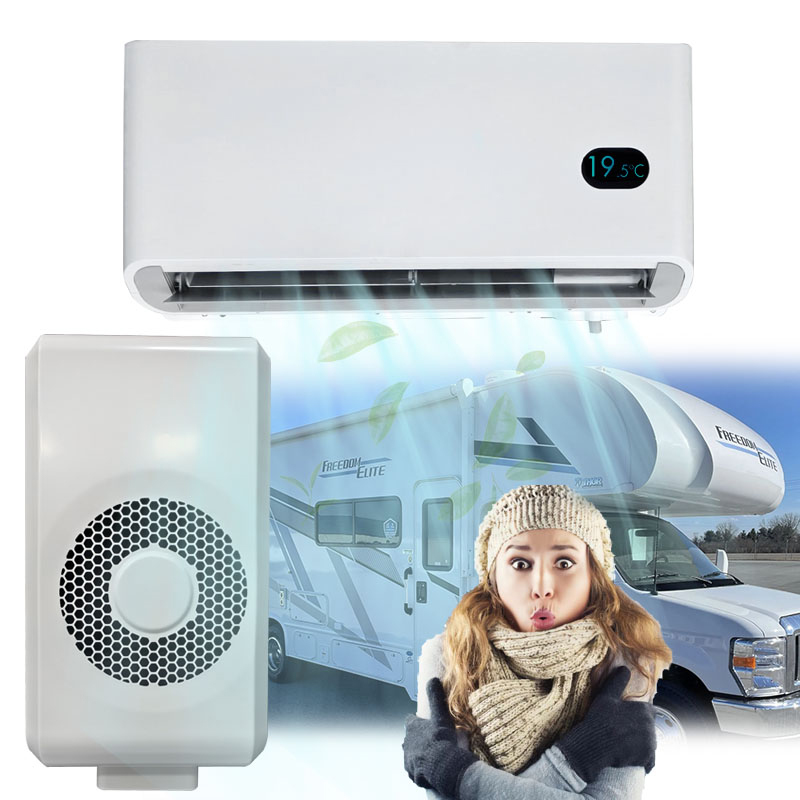 Portable Split Parking Air Conditioner for RV
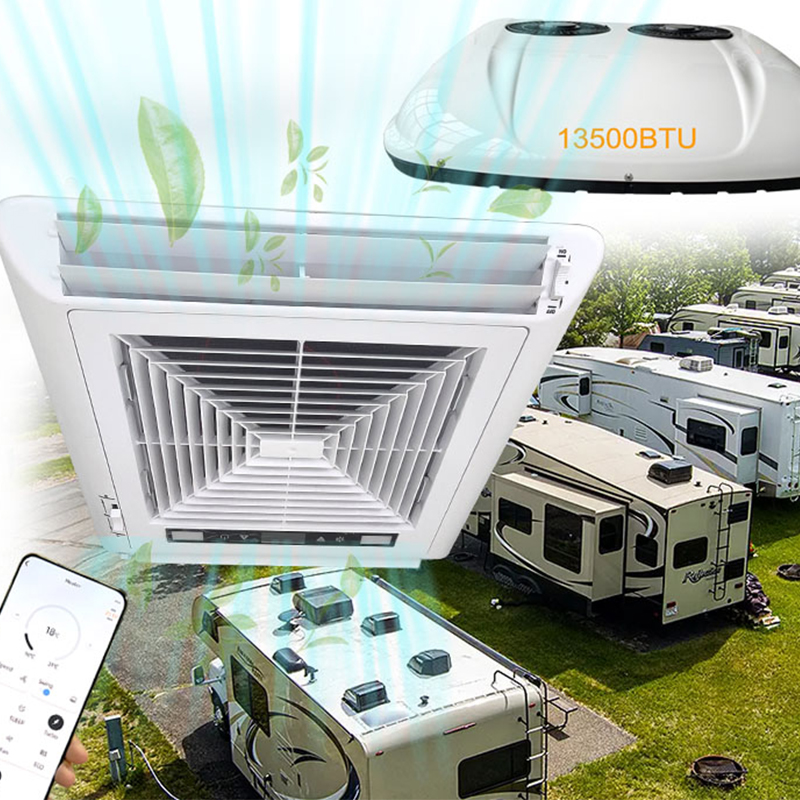 Portable Split Parking Air Conditioner for RV
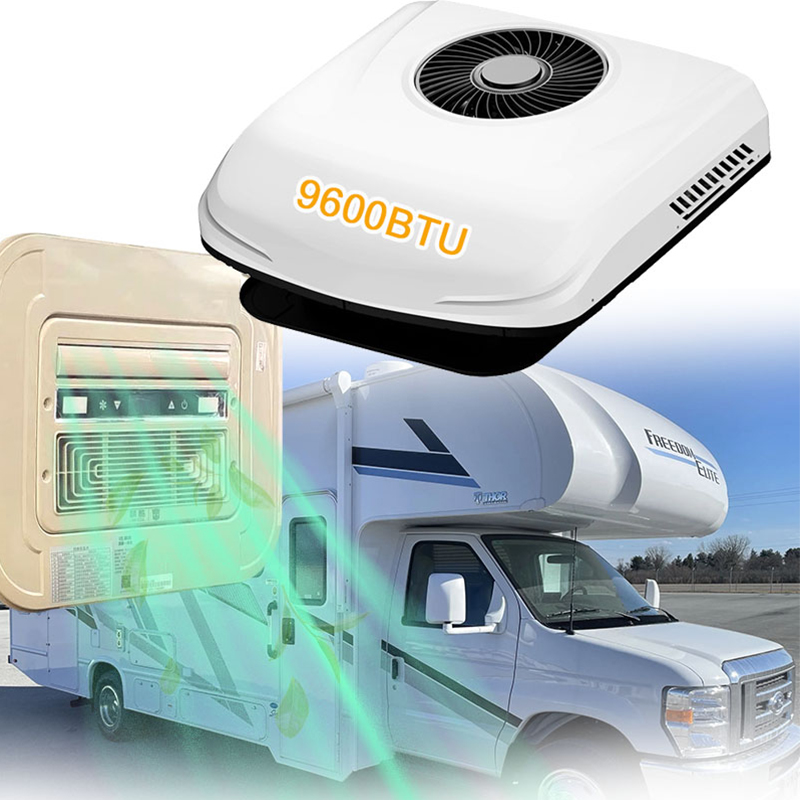 Portable Split Parking Air Conditioner for RV
 Hot Water Dispenser
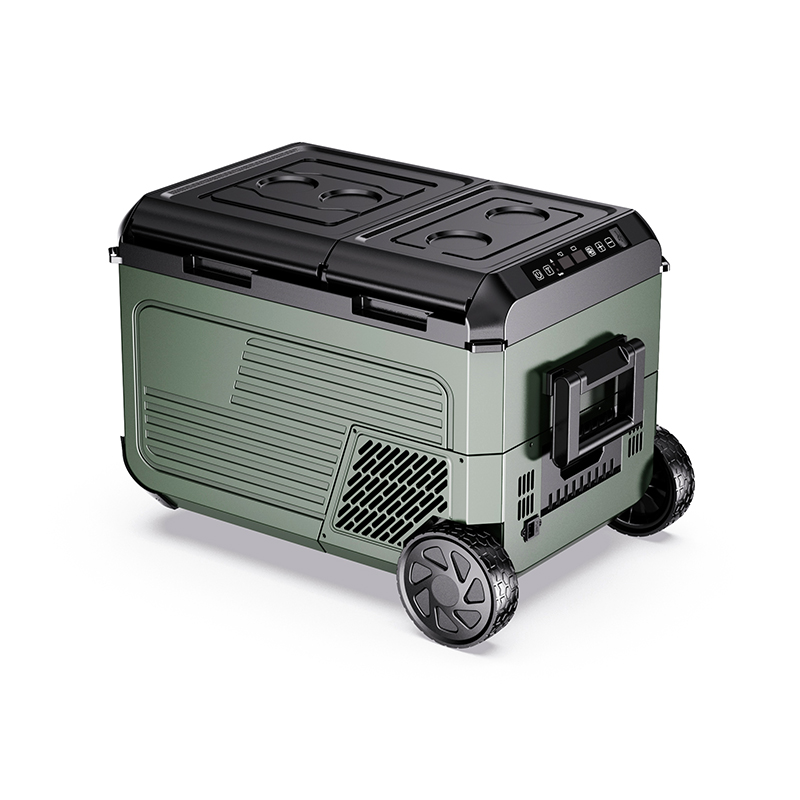 Outdoor Freezer
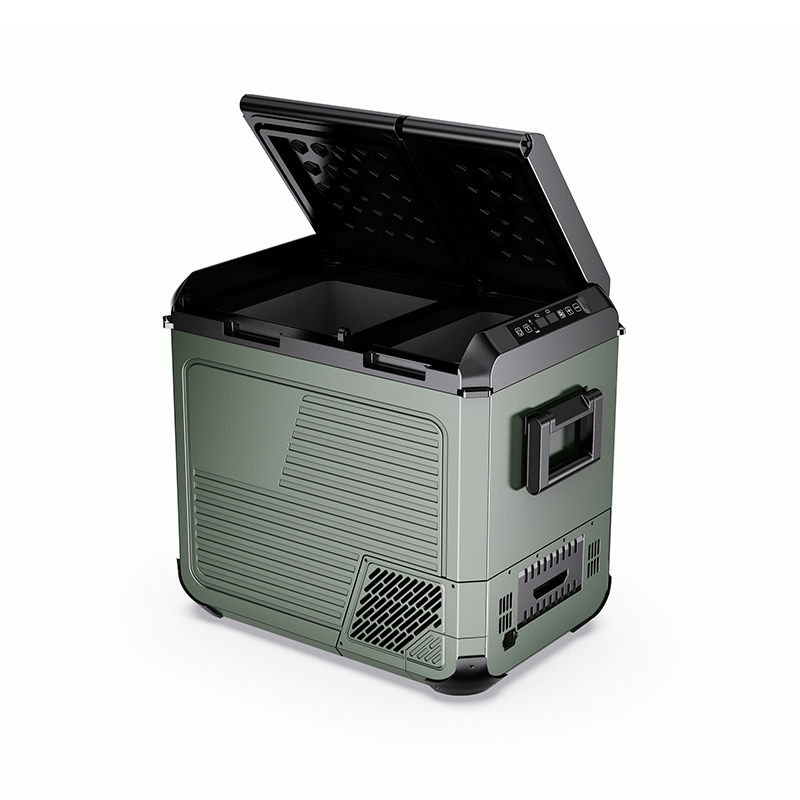 Outdoor Freezer
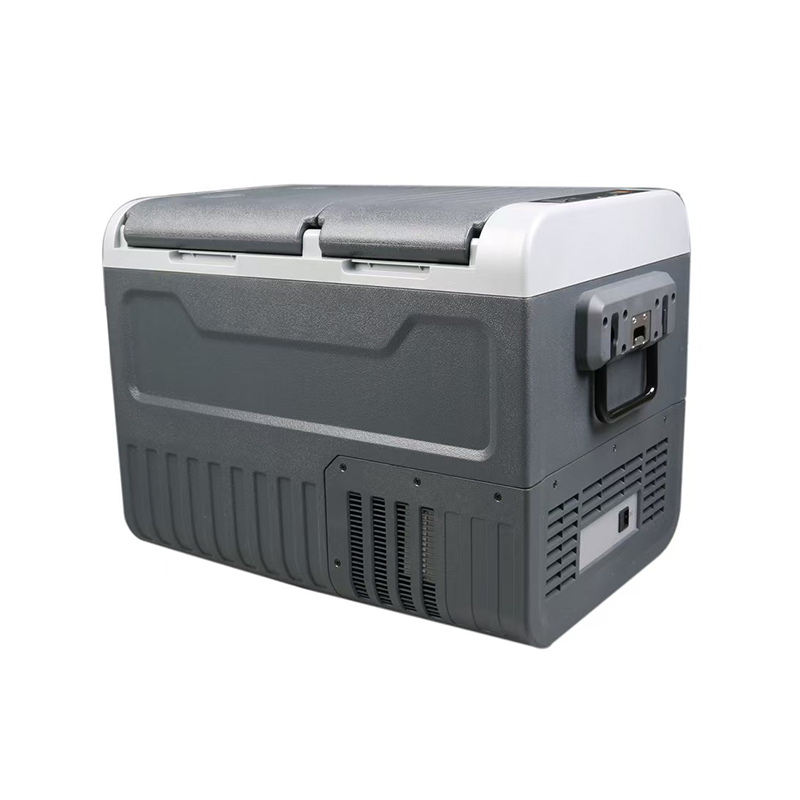 Car Refrigerator
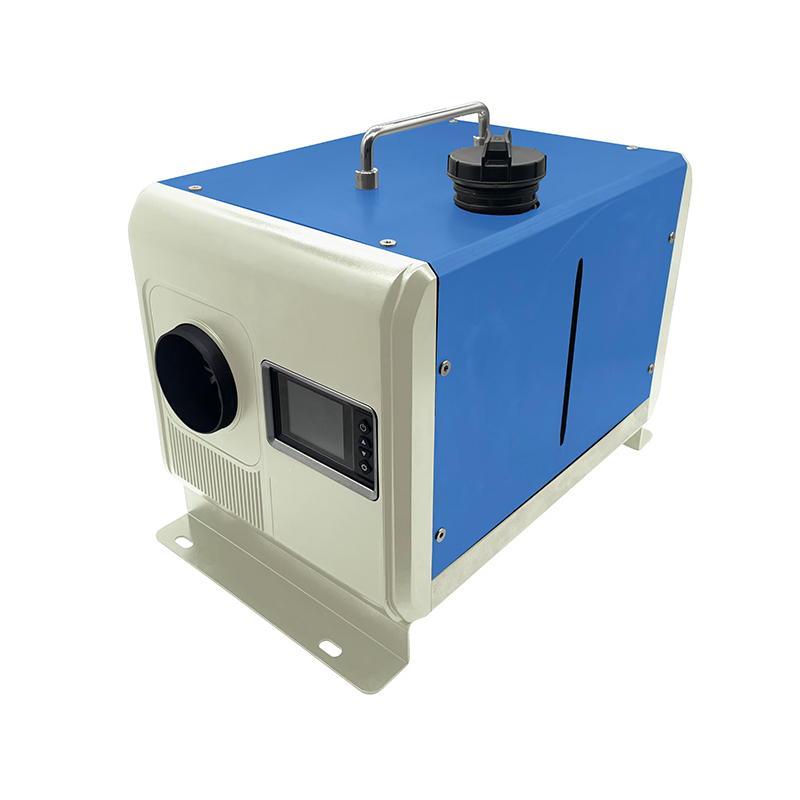 Diesel Heater For Vehicles
+86-18657986688
sale@lkcool.net
Building B, No. 9 Liunan Road, Niubeijin Industrial Zone, Baiyang Street, Jinhua, Zhejiang, China


 English
 Español
