Content
Hot afternoons at a campsite can make air conditioning an important part of a comfortable trip. However, adding a rooftop cooling unit to a camping trailer requires more than checking its cooling capacity. The available electrical supply must handle compressor startup, continuous operation, and other appliances running at the same time. At Linkcool, we recommend reviewing these electrical requirements before purchasing a camping trailer air conditioner for a new vehicle or an existing trailer.
Understanding voltage, rated power, battery capacity, and startup current helps buyers determine whether their current setup is suitable or requires additional electrical equipment.
Every rooftop AC model has specific electrical requirements. Cooling capacity, measured in BTU/h or watts of cooling output, describes heat removal rather than the electrical power consumed by the equipment.
For example, a unit rated at 800W consumes approximately 800Wh during one hour of continuous operation, before accounting for power conversion losses. Actual energy use over an hour may differ because the compressor can cycle on and off according to cabin temperature and operating conditions.
A power source must satisfy two separate demands: keeping the air conditioner running and supplying enough power to start its compressor. A generator or inverter may support the continuous load but still shut down during startup because its surge capability is insufficient.
| Electrical Parameter | Purpose | What Buyers Should Check |
| Running watts | Supports normal AC operation | Continuous output rating of the power source |
| Starting watts | Handles the compressor startup surge | Surge rating and permitted duration |
| Rated voltage | Provides the required electrical supply | Compatibility with the AC model |
| Available energy | Determines operating duration on batteries | Usable battery capacity and other loads |
As a planning example, some conventional 13,500 BTU/h rooftop AC units draw approximately 1,300–1,800W during operation, while startup demand can rise substantially above that level. These figures are illustrative rather than universal specifications. The actual requirements depend on compressor design, supply voltage, operating temperature, and whether a compatible soft-start device is installed.
A soft starter can reduce compressor startup demand on compatible systems. However, it does not eliminate the continuous power required to cool the trailer, so the generator or inverter must still support the normal operating load.
A campground electrical hookup can provide a convenient supply, provided its voltage, current rating, and connection type match the trailer. A 120V, 30A supply has a nominal capacity of 3,600W. This figure represents the total theoretical capacity, not the amount reserved exclusively for the AC.
Refrigerators, microwave ovens, battery chargers, and other appliances can consume part of the available capacity. Buyers should account for simultaneous loads and follow the applicable electrical installation requirements.
Generator capacity should cover the AC's continuous demand and compressor startup requirements, together with other appliances expected to operate concurrently. Published running and surge ratings should be checked separately. Altitude, ambient temperature, and generator operating conditions may also affect available output.
Battery-powered cooling requires a compatible inverter for AC-powered equipment, sufficient continuous and surge output, and adequate stored energy. A DC air conditioner must instead match the battery system's specified voltage and current requirements.
For an illustrative calculation, a 1,200W load operating for two hours requires 2.4kWh of energy at the AC output. An inverter system needs additional battery energy to account for conversion losses and operating limits. Solar charging can replenish some energy during daylight, but its contribution varies with sunlight, panel capacity, shading, and other electrical loads.
Battery capacity is commonly expressed in amp-hours (Ah), while energy capacity is expressed in watt-hours (Wh) or kilowatt-hours (kWh). Voltage must be considered when converting between these measurements.
For example, a nominal 12.8V, 200Ah battery stores approximately 2.56kWh of nominal energy. The usable amount depends on the battery's permitted discharge level, system losses, and manufacturer specifications.
These calculations help distinguish a system that can start the compressor from one that can sustain cooling for the desired duration.
At Linkcool, we encourage trailer manufacturers, distributors, and RV equipment buyers to confirm electrical requirements before finalizing a product specification. A clear technical brief can help our team identify relevant configurations and clarify the information required for installation planning.
Before requesting a quotation, prepare the following details:
We recommend obtaining the exact model's technical sheet and installation instructions before upgrading the power supply. Qualified technicians should verify wiring, circuit protection, grounding, and electrical connections in accordance with the manufacturer's requirements and applicable local codes.
Your camping trailer can support rooftop air conditioning when the electrical supply matches the unit's voltage, continuous power demand, startup requirements, and expected operating duration. Shore power, generators, and battery systems each have different limitations, so the correct configuration depends on how and where the trailer will be used.
At Linkcool, we help buyers review RV air conditioning configurations for different vehicle and application requirements. Contact our team with your power supply details, installation space, and cooling targets to discuss a suitable model and plan your next procurement step with greater confidence.
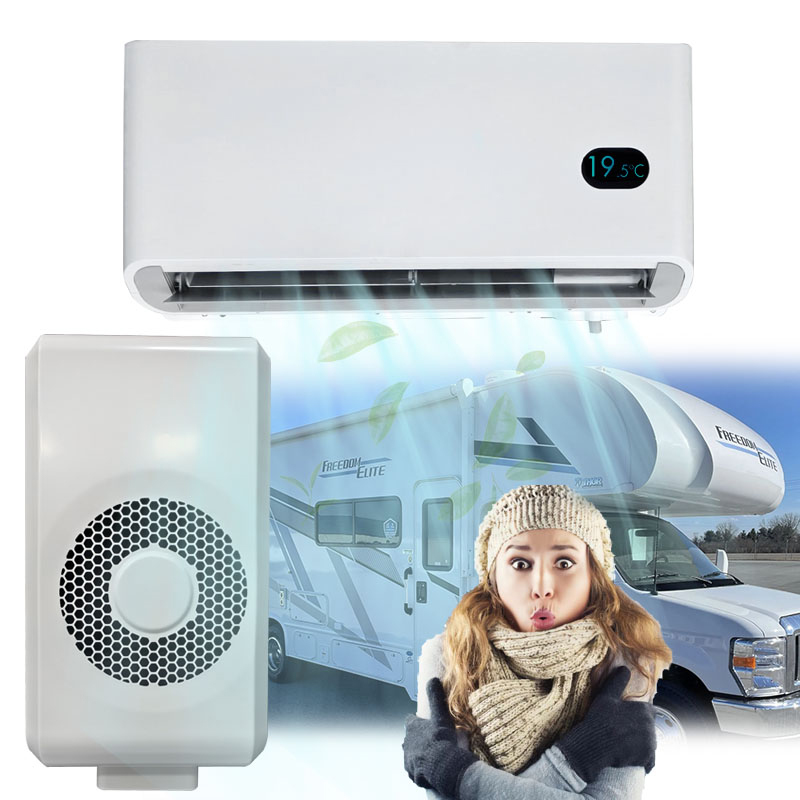 Portable Split Parking Air Conditioner for RV
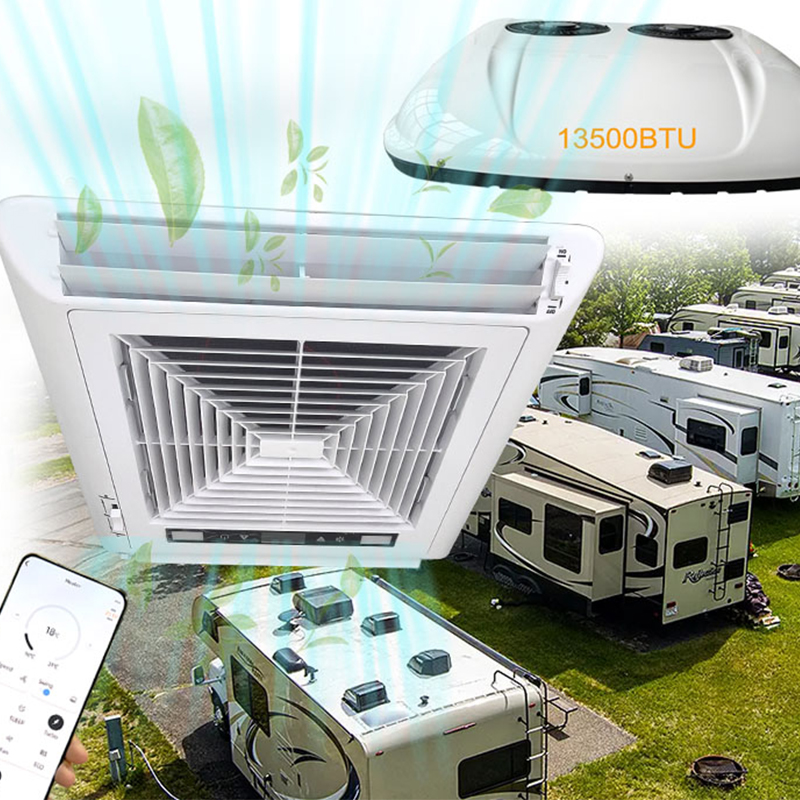 Portable Split Parking Air Conditioner for RV
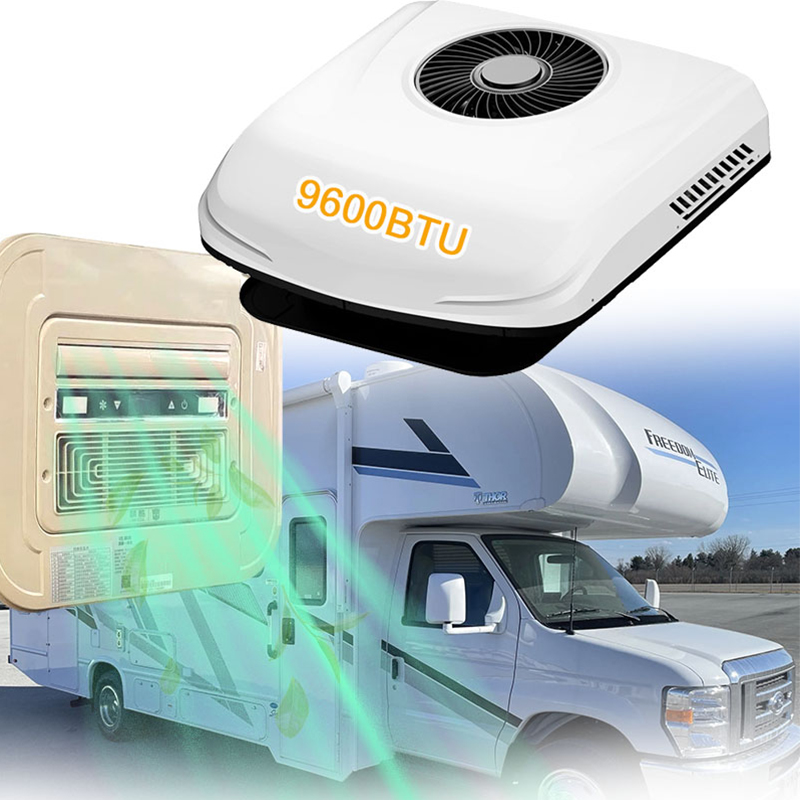 Portable Split Parking Air Conditioner for RV
 Hot Water Dispenser
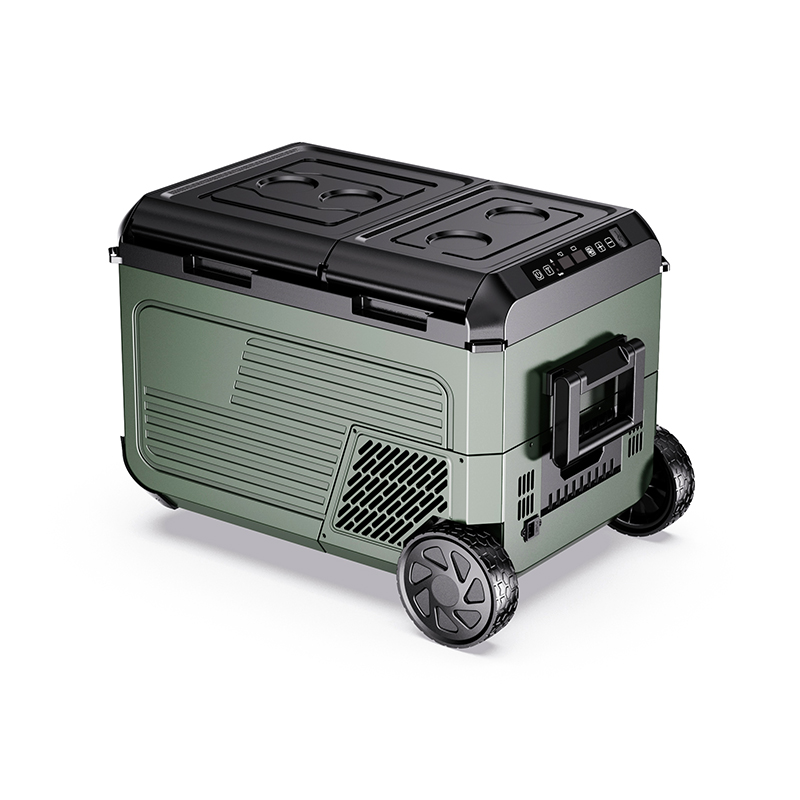 Outdoor Freezer
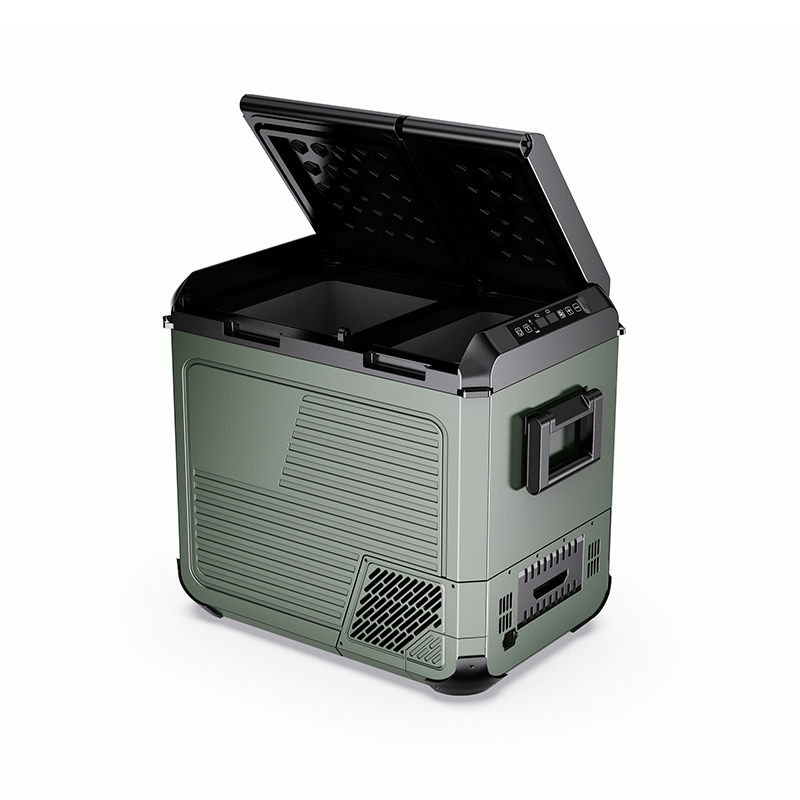 Outdoor Freezer
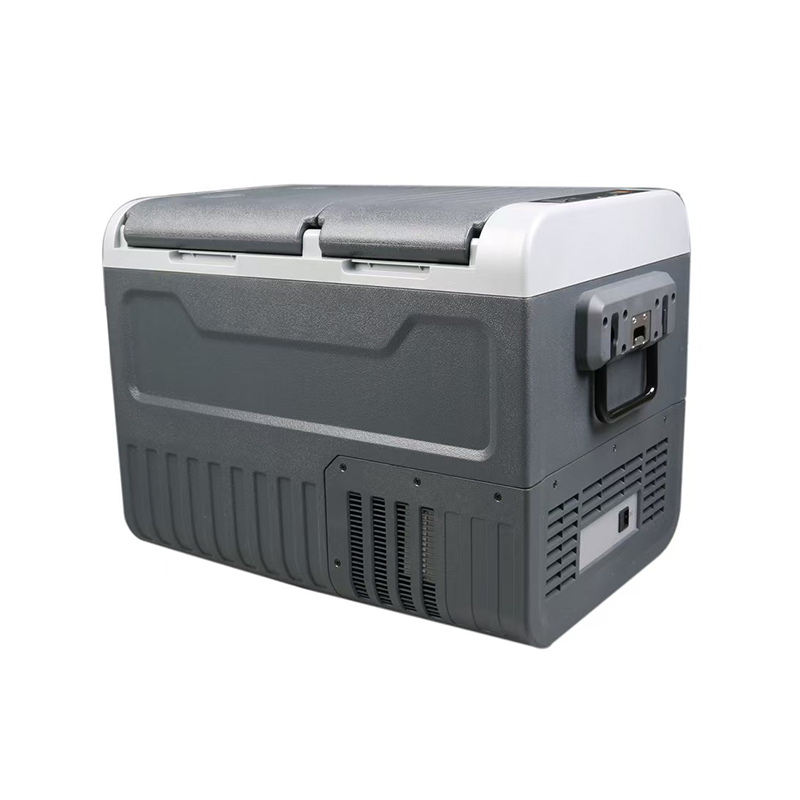 Car Refrigerator
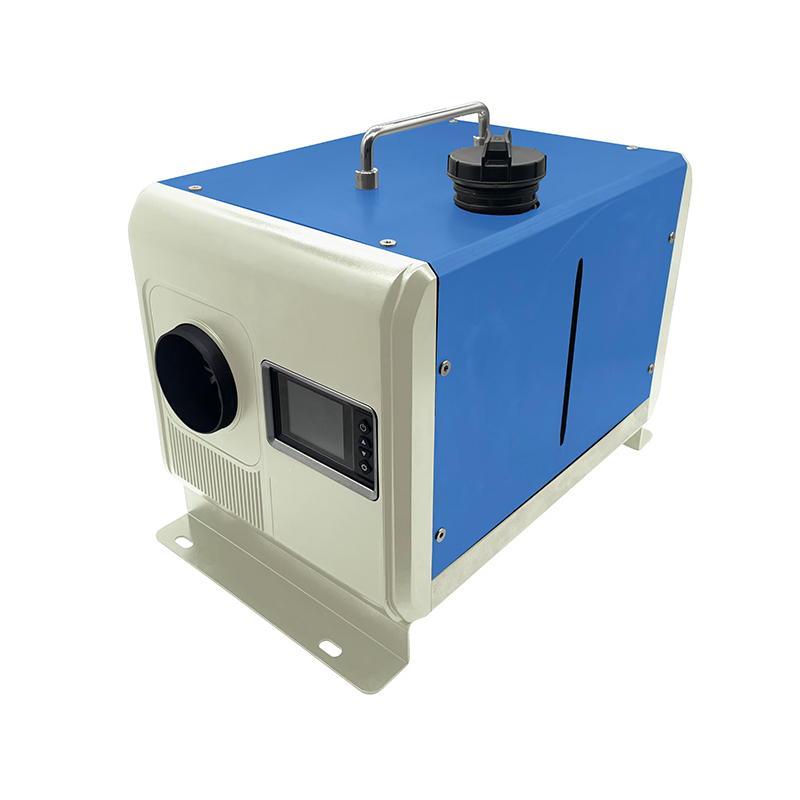 Diesel Heater For Vehicles
+86-18657986688
sale@lkcool.net
Building B, No. 9 Liunan Road, Niubeijin Industrial Zone, Baiyang Street, Jinhua, Zhejiang, China


 English
 Español
