Content
Building an RV air conditioning product line involves decisions beyond cooling capacity and unit price. Distributors need to consider brand positioning, purchasing budgets, inventory risks, and the level of customization required by their customers. At Linkcool, we work with buyers who have different sourcing objectives, from stocking established models for resale to developing private-label products for specific markets. Understanding these purchasing models helps businesses create a supply strategy that matches their sales plans.
For companies comparing rv air conditioner manufacturers, the key question is whether a standard model can meet existing demand or an OEM arrangement offers sufficient commercial value to justify additional investment.
Standard models use established product designs and predefined specifications. Buyers can review available configurations, compare technical data, and determine which units suit their target applications without developing an entirely new product.
Standard models can suit regional distributors, RV accessory retailers, and wholesalers who prioritize a clearly defined product range. However, buyers should confirm whether the available branding, packaging, electrical configuration, and product dimensions meet their commercial requirements.
OEM arrangements allow buyers to establish product requirements and have the manufacturing partner produce equipment according to the agreed specifications. Depending on the project, customization may cover branding, packaging, labels, documentation, selected components, or technical configurations.
OEM does not automatically mean that every part of a product can be changed. Customization depends on the manufacturer's engineering capabilities, tooling, component availability, testing requirements, and order volume. At Linkcool, we recommend defining the requested changes before requesting a formal quotation so that technical feasibility and commercial terms can be reviewed together.
| Evaluation Factor | Standard Models | OEM Models |
| Product design | Existing design and specifications | Agreed specifications and available customization |
| Branding | Usually follows the available product presentation | May support buyer-specific logos and labels |
| Packaging | Standard packaging options | Custom packaging may be available |
| Initial investment | Generally lower development costs | May include customization, tooling, or testing expenses |
| Order requirements | Depend on model availability and supplier terms | May involve additional volume commitments |
| Product differentiation | Primarily based on sales and service | Can incorporate agreed product and branding differences |
| Quality documentation | Confirm documentation for the supplied model | Confirm documentation for the final customized configuration |
Neither option suits every business. The appropriate arrangement depends on the expected sales volume, available working capital, customer requirements, and the extent of product differentiation needed.
A quotation should be assessed against the complete cost of bringing a product to market. The unit price alone does not reflect every expense associated with an OEM project or a standard-model order.
Buyers should also request written confirmation of the order quantity requirements and production schedule. Custom work may require additional coordination, while standard models may still depend on stock levels and current factory capacity. These details help procurement teams compare quotations on a consistent basis.
At Linkcool, we recommend matching the sourcing arrangement to the buyer's business stage and sales objectives rather than assuming that customization is always necessary.
Before placing an order, we encourage buyers to request a current technical specification sheet, confirm the applicable certification documents, review sample approval procedures, and agree on inspection and warranty terms. Any customized product should be evaluated against the final approved specification.
Standard RV air conditioners offer a practical route for businesses that value established specifications and straightforward product planning. OEM supply can provide greater control over branding and agreed product details, making it worth considering for companies with defined market requirements and a sustainable purchasing plan.
At Linkcool, we help buyers review their RV air conditioning requirements and discuss suitable product configurations for different business applications. Share your target market, expected order volume, preferred specifications, and branding requirements with our team to evaluate the available supply options and prepare a purchasing plan aligned with your business goals.
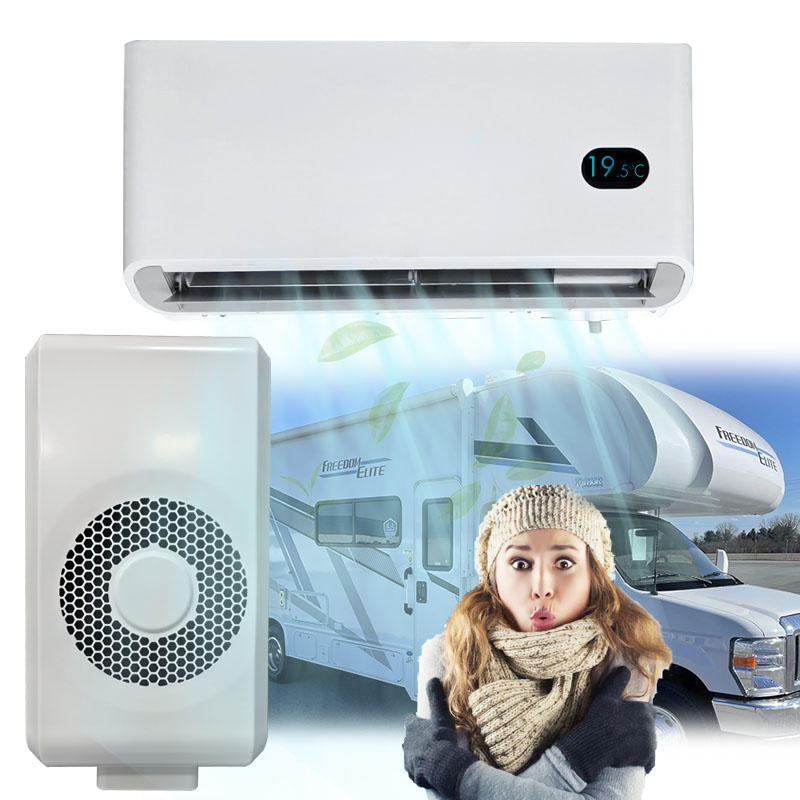 Portable Split Parking Air Conditioner for RV
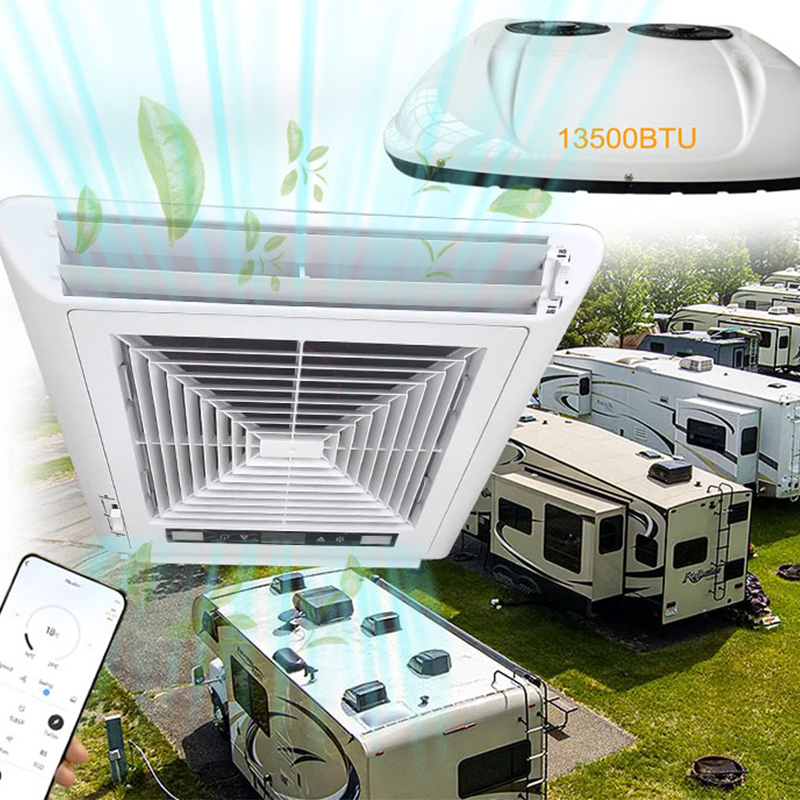 Portable Split Parking Air Conditioner for RV
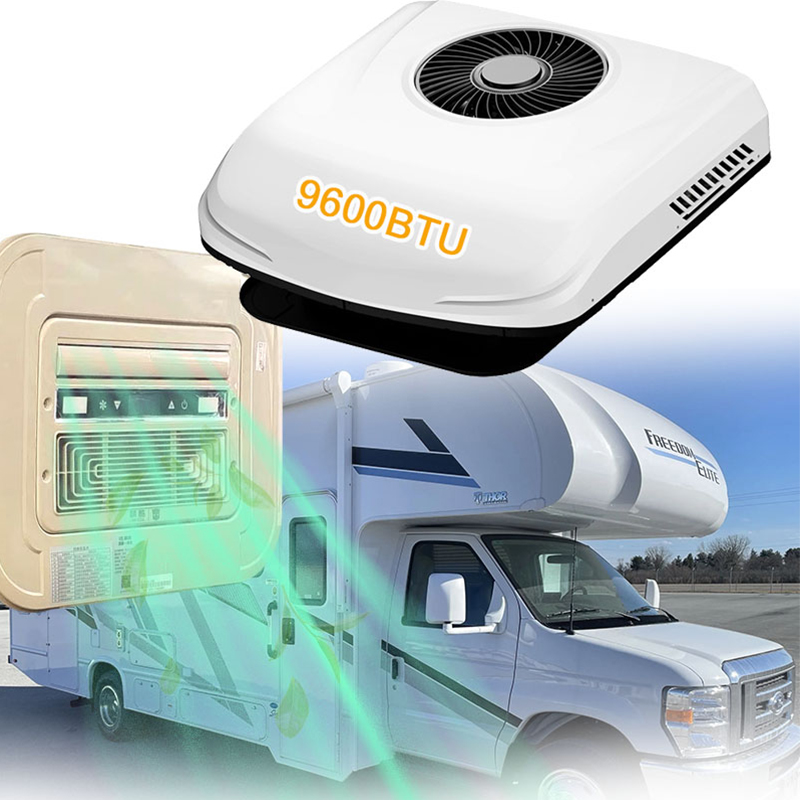 Portable Split Parking Air Conditioner for RV
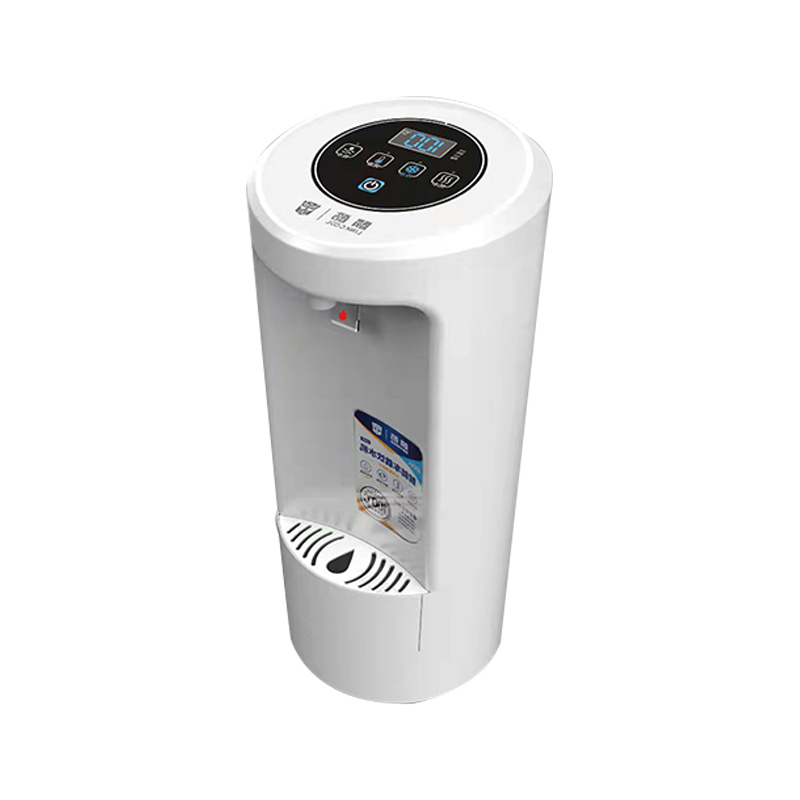 Hot Water Dispenser
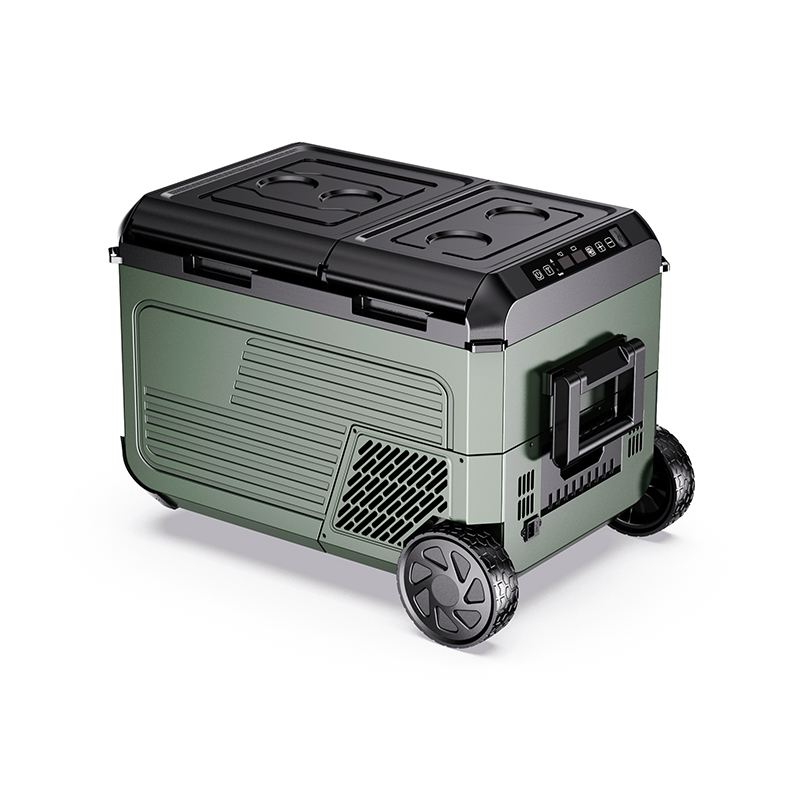 Outdoor Freezer
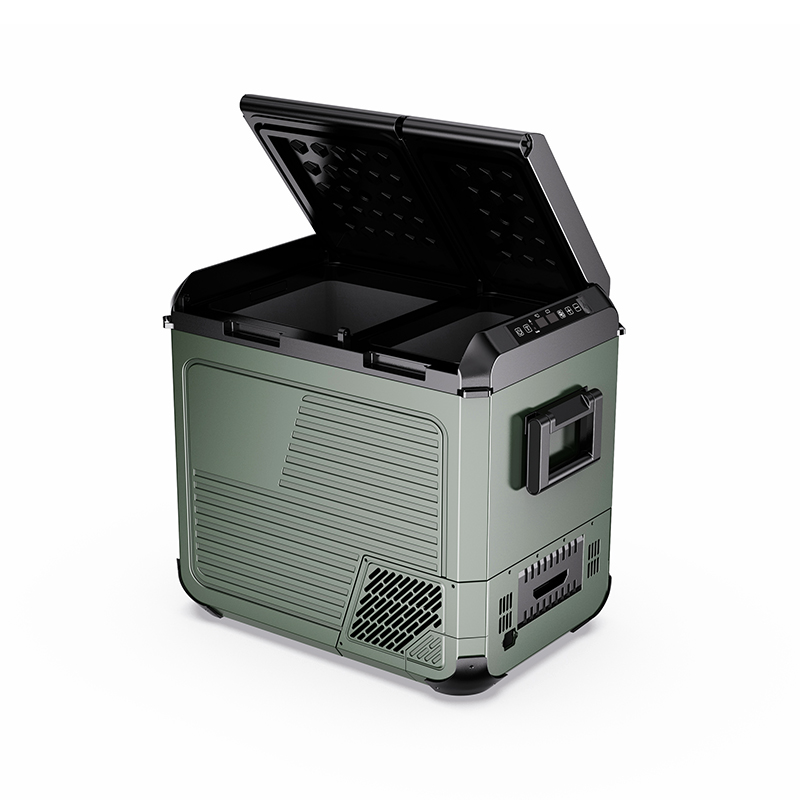 Outdoor Freezer
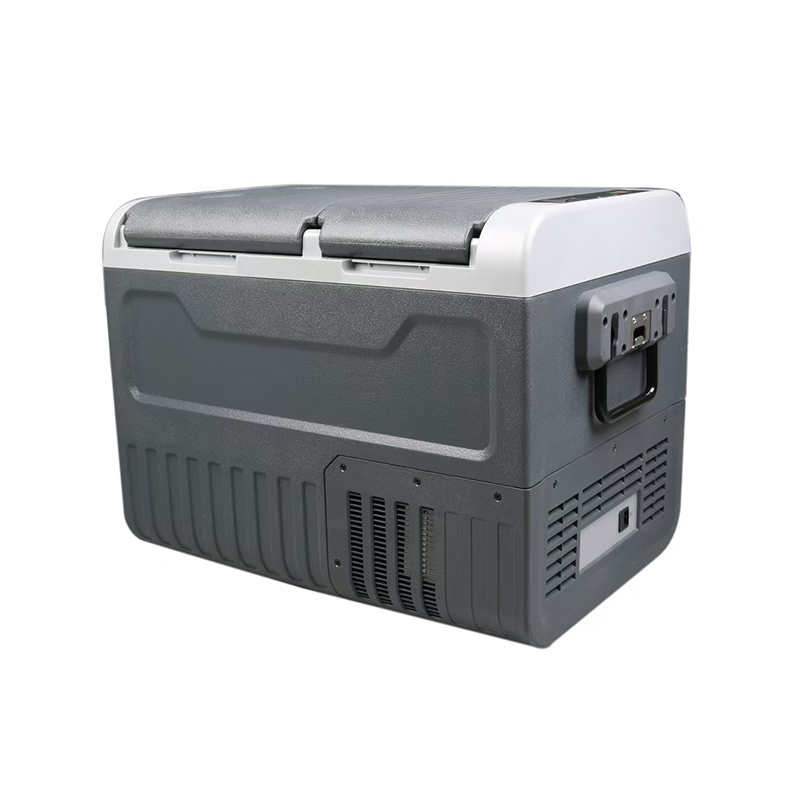 Car Refrigerator
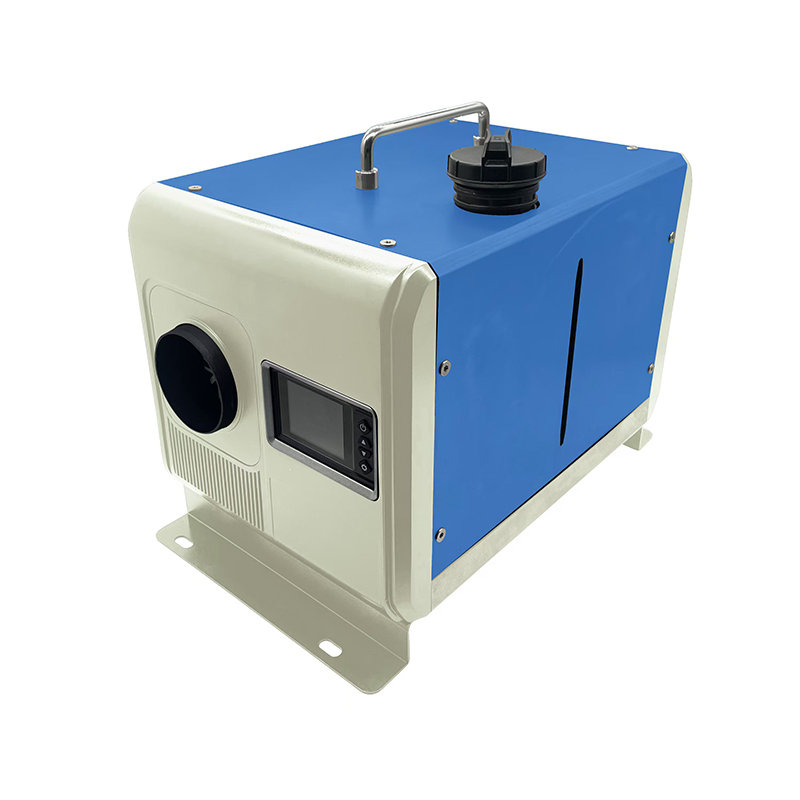 Diesel Heater For Vehicles
+86-18657986688
sale@lkcool.net
Building B, No. 9 Liunan Road, Niubeijin Industrial Zone, Baiyang Street, Jinhua, Zhejiang, China


 English
 Español