Content
Adding air conditioning to a travel trailer involves more than measuring the available roof space. Roof construction, mounting openings, load capacity, ceiling clearance, and electrical compatibility all influence whether a new unit can be installed without modifying the vehicle structure. At Linkcool, we encourage buyers, RV builders, and distributors to review these details before confirming an order. A suitable trailer rooftop air conditioner should match the trailer's installation conditions as well as its cooling requirements.
Some trailers already have a roof vent that can serve as an installation location, while others have layouts that require additional structural assessment. Understanding the difference helps buyers estimate installation work, avoid unnecessary roof cutting, and coordinate equipment specifications with their vehicle designs.
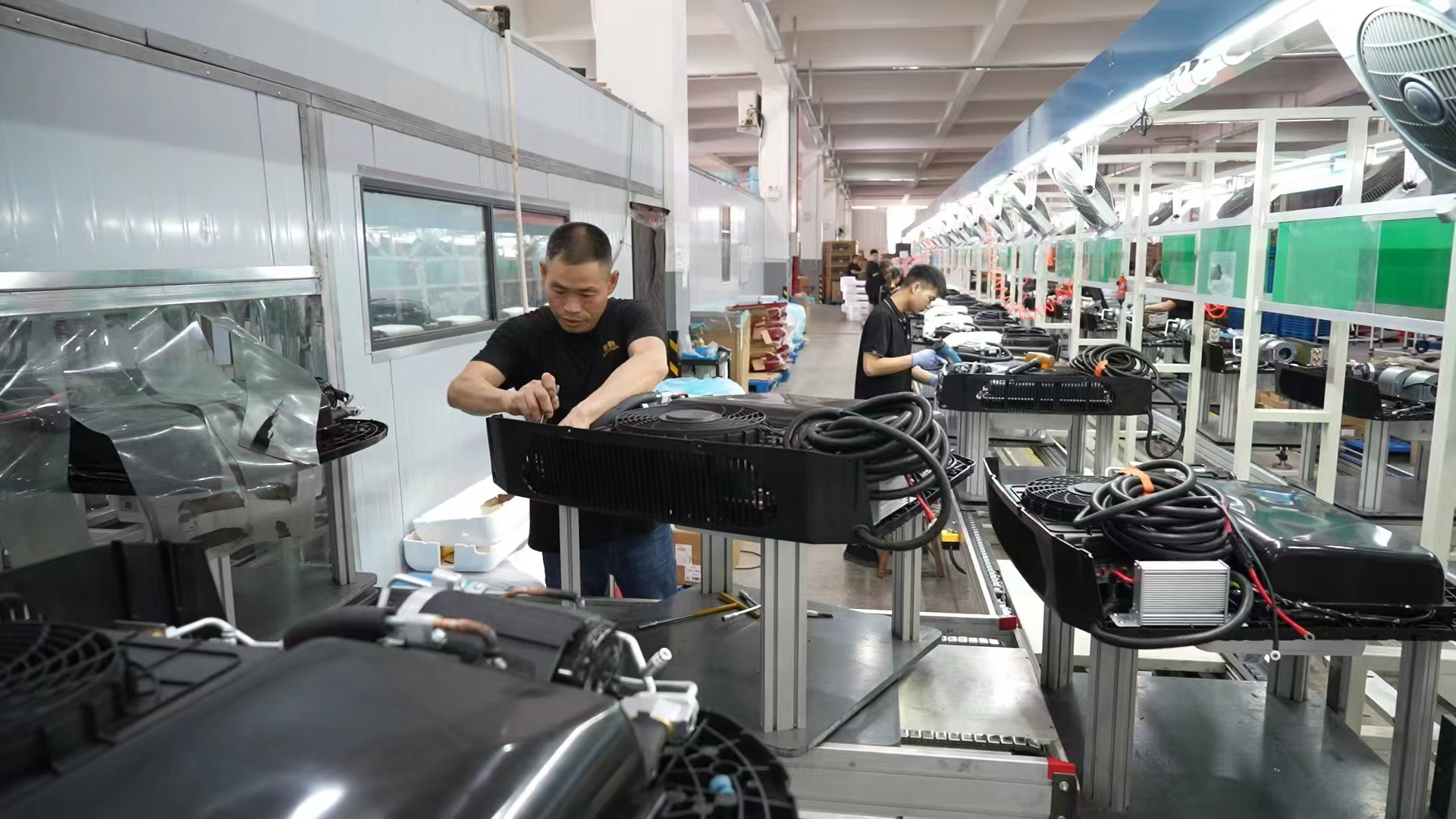
The existing roof vent is a useful starting point for evaluating installation compatibility. However, the presence of a vent does not automatically mean that every rooftop AC unit will fit the opening.
A 14-inch by 14-inch roof opening is a common reference dimension for many conventional RV rooftop air conditioners. Some installation manuals specify approximately 14.25 inches by 14.25 inches, or 362 mm by 362 mm. These dimensions are not universal requirements for every air conditioning design. Buyers should confirm the actual opening size and permitted tolerances in the selected unit's installation documentation.
| Inspection Item | Information to Collect | Why It Matters |
| Roof opening | Length, width, and corner condition | Confirms mounting compatibility |
| Roof thickness | Total roof-to-ceiling depth | Checks mounting bolt and interior assembly clearance |
| Roof construction | Frame material and support locations | Helps determine whether reinforcement is necessary |
| Mounting surface | Flatness and available contact area | Supports gasket sealing and secure installation |
| Interior space | Clearance around the ceiling assembly | Prevents interference with furnishings and wiring |
Even a correctly sized opening cannot guarantee a safe installation. The roof must support the air conditioner, mounting assembly, and forces associated with road travel. Trailer roofs vary considerably, ranging from reinforced framed structures to lightweight composite panels. Their load-bearing capabilities should not be assumed to be identical.
Consider a rooftop unit with a net weight of 32 kg. That figure represents the equipment's mass, not the complete load imposed on the trailer roof. Mounting components and installation hardware also contribute to the installed weight. Road vibration, braking, cornering, and aerodynamic forces create additional loading conditions.
At Linkcool, we recommend confirming the trailer manufacturer's permitted roof load and the air conditioner manufacturer's installation requirements before finalizing the configuration. The assessment should cover both stationary use and travel conditions.
Additional framing may be required even when the roof opening matches the equipment dimensions. Conversely, an existing reinforced vent opening may reduce structural work for a compatible unit. The decision depends on the actual roof design, not just the air conditioner's external size.
The air conditioner base must fit the available roof area without obstructing other equipment. A unit may fit across the trailer's width but still conflict with a roof-mounted solar panel, antenna, skylight, storage accessory, or ventilation outlet.
Before placing a bulk order or beginning an installation project, create a simple roof plan showing the proposed AC location and nearby components. Record the available dimensions and compare them with the manufacturer's installation drawing.
| Layout Factor | Recommended Check |
| Front and rear clearance | Verify the manufacturer's required clearance around the unit. |
| Side clearance | Check the distance between the AC housing, roof edges, and nearby accessories. |
| Airflow path | Ensure that the condenser intake and discharge areas are not obstructed. |
| Service access | Allow the access required for inspection and component replacement. |
| Interior air distribution | Check that the ceiling assembly fits the planned cabin layout. |
Roof height is another consideration for trailer owners who use garages, covered storage areas, or routes with height restrictions. The installed height should include the AC housing and any mounting components that extend above the roof surface. A low-profile design may suit a restricted roof envelope, but its actual dimensions must still be checked against the available space.
Structural compatibility is only part of the assessment. The electrical system must also supply the voltage and current required by the selected air conditioner. Rooftop equipment intended for a particular DC system should not be treated as interchangeable with equipment designed for a different voltage or an AC power source.
Linkcool's published RV air conditioner range includes configurations with different rated voltages and power requirements. The following examples illustrate the type of information buyers can compare before requesting a model for their trailer.
| Specification | Published Example | Procurement Consideration |
| Rated voltage | 12 V, 24 V, or 48 V on certain models | Match the selected version to the available power system. |
| Cooling capacity | Approximately 2,000–2,200 W on certain models | Compare capacity with cabin size, insulation, and climate. |
| Rated power consumption | Approximately 750–800 W on certain models | Assess the battery, wiring, and power supply requirements. |
| Rated current | Model-dependent | Use the exact model specification to size cables and protection devices. |
These figures are examples from different Linkcool product configurations, not universal specifications for every rooftop unit. Buyers should request the current technical sheet for the exact model and voltage version under consideration.
For battery-powered applications, the available battery capacity, inverter arrangement where applicable, wiring, circuit protection, and expected operating duration all affect system suitability. A unit rated at 800 W draws approximately 66.7 A at 12 V or 33.3 A at 24 V under an idealized calculation that excludes conversion losses and operating variations. Actual current depends on the equipment design and operating conditions.
Electrical installation should follow the manufacturer's instructions and applicable local codes. A qualified technician can confirm conductor sizing, protective devices, grounding requirements, and connections before the unit is energized.
After checking dimensions, load capacity, layout, and electrical requirements, buyers can classify the installation into three practical scenarios.
The trailer already has a compatible roof opening, sufficient load-bearing support, adequate clearance, and a suitable electrical supply. The project may require removing the existing vent, preparing the mounting surface, installing the AC assembly, and completing the specified sealing and wiring work. A qualified installer should still verify every requirement before installation.
The opening may be compatible, but the interior trim, wiring route, mounting hardware, or sealing surface may require adjustment. These tasks do not necessarily involve modifying the main roof structure, although their scope depends on the vehicle design. All adjustments must remain within the equipment manufacturer's installation limits.
The roof lacks sufficient support, the opening conflicts with structural members, or the proposed mounting location cannot accommodate the equipment safely. Reinforcement or relocation may be necessary. Cutting through a roof beam or altering a load-bearing member without engineering approval can compromise structural integrity and should not be treated as a routine installation step.
For trailer manufacturers and fleet buyers, resolving these questions during vehicle design is generally more straightforward than adapting completed units after production. Standardized roof layouts can also simplify model matching, assembly planning, and repeat procurement.
At Linkcool, we recognize that RV builders, distributors, and trailer equipment buyers need more than a product dimension or a cooling capacity figure. They need to understand how the equipment fits the intended vehicle and its electrical system.
Before requesting a quotation, buyers can prepare a short technical brief containing the following information:
These details help us identify relevant product configurations and clarify which specifications require further confirmation. For OEM projects, sharing a roof drawing or installation-space diagram can also help our team assess dimensional requirements before a model is finalized.
We recommend confirming the installation drawing, mounting requirements, and electrical data for the exact product before making structural changes to a trailer. Product availability and customization options should be discussed with our team based on the project requirements.
A rooftop air conditioner can often be installed without major structural changes when the trailer already provides a compatible opening, adequate roof support, sufficient clearance, and the correct power supply. However, these conditions must be verified individually rather than assumed from the presence of an existing roof vent.
At Linkcool, we encourage trailer manufacturers, RV distributors, and project buyers to complete a compatibility review before confirming equipment specifications. Accurate roof measurements, documented load limits, and electrical details help clarify installation requirements early in the purchasing process. Contact Linkcool with your trailer layout and technical requirements to discuss a suitable RV air conditioning configuration.
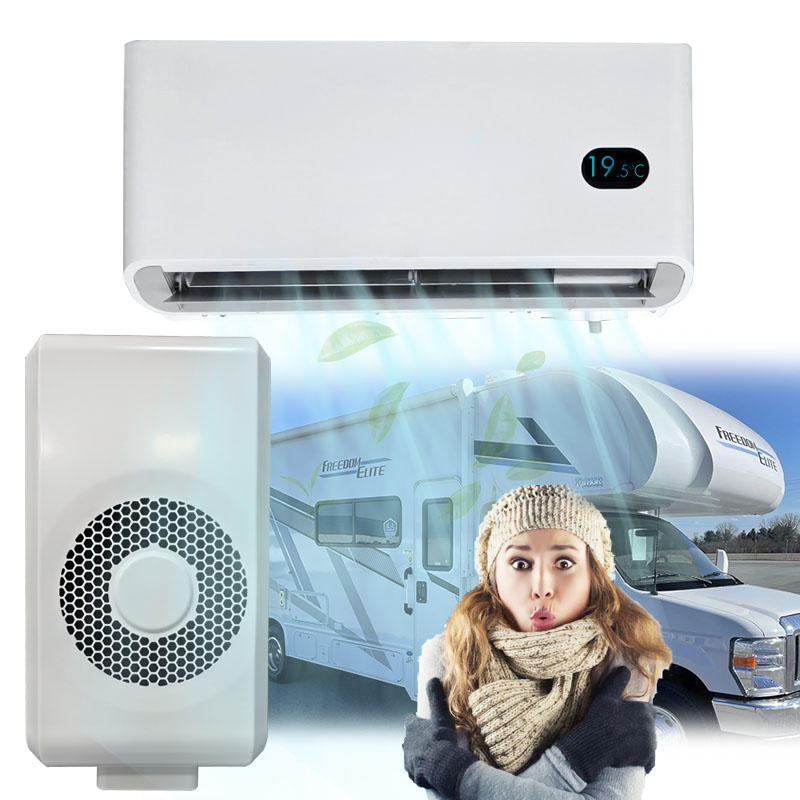 Portable Split Parking Air Conditioner for RV
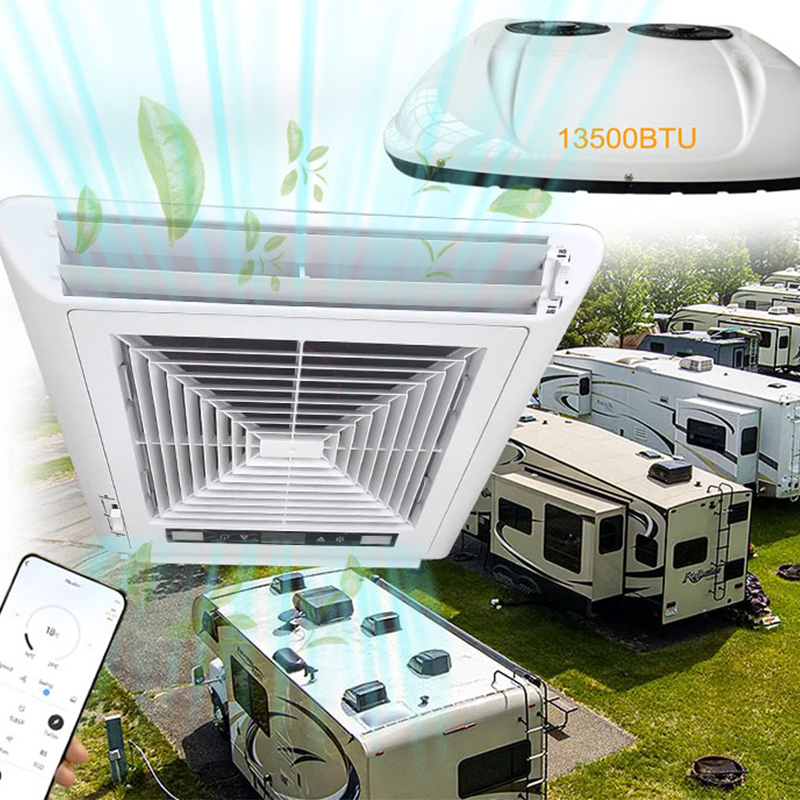 Portable Split Parking Air Conditioner for RV
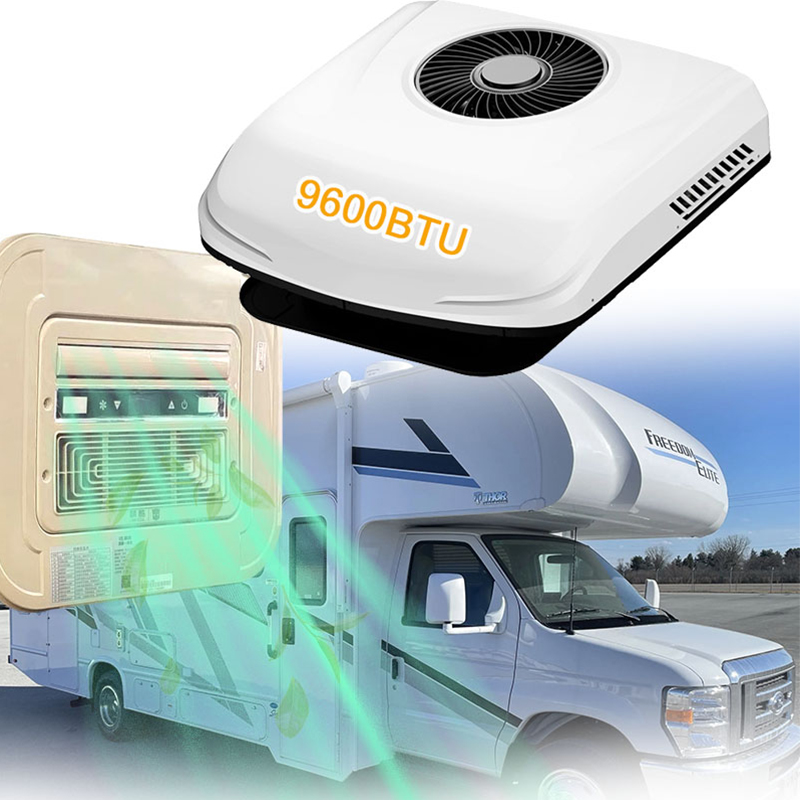 Portable Split Parking Air Conditioner for RV
 Hot Water Dispenser
 Outdoor Freezer
 Outdoor Freezer
 Car Refrigerator
 Diesel Heater For Vehicles
+86-18657986688
sale@lkcool.net
Building B, No. 9 Liunan Road, Niubeijin Industrial Zone, Baiyang Street, Jinhua, Zhejiang, China


 English
 Español