Content
Installing an air conditioning system in a recreational vehicle involves more than finding enough room for the indoor and outdoor units. Their positions affect airflow, electrical connections, refrigerant line routing, noise levels, and future maintenance. Poor installation planning may create difficulties during servicing or restrict the cooling equipment's operating conditions.
At Linkcool, we develop air conditioning solutions for recreational vehicles and other mobile applications. We understand that RV manufacturers, distributors, and equipment buyers need to consider installation space and long-term service requirements before purchasing a rv split system air conditioner. A suitable installation layout should accommodate the equipment while preserving convenient access to important components.
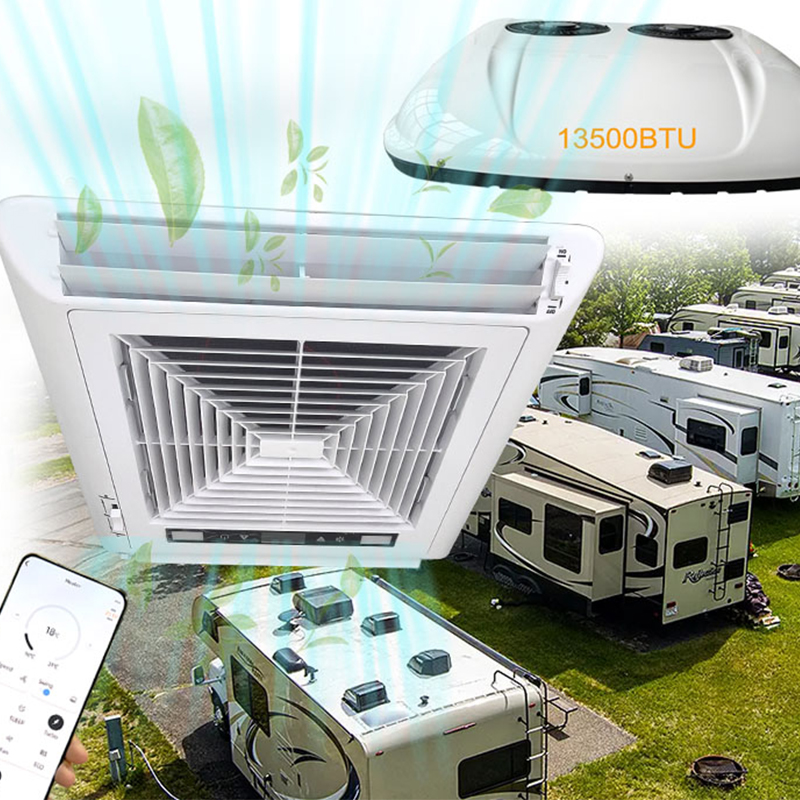
Space planning should begin with an assessment of the RV's interior and exterior structure. Unlike conventional rooftop air conditioners, split systems have separate indoor and outdoor components that require different installation positions.
We recommend preparing installation drawings before ordering equipment. Accurate measurements help buyers compare product dimensions with the available mounting area and reduce unnecessary installation modifications.
Air circulation is closely related to cooling performance. An indoor unit installed behind cabinets, curtains, or other obstacles may distribute conditioned air unevenly. Similarly, an outdoor unit surrounded by enclosed panels may experience restricted heat exchange.
The required clearances depend on the specific equipment design. Buyers should follow the manufacturer's installation manual rather than applying residential split AC clearance measurements to every RV application.
The connection arrangement between indoor and outdoor components deserves attention during the design stage. A poorly planned route can make installation difficult and complicate later inspections.
| Installation Element | Planning Requirement |
| Refrigerant Lines | Confirm permitted pipe length, routing, and bending requirements. |
| Electrical Wiring | Check rated voltage, current, cable specifications, and circuit protection. |
| Drainage | Provide a suitable route for condensate discharge. |
| Pipe Protection | Protect connections against vibration, abrasion, and external damage. |
| Sealing | Seal wall openings against water intrusion and air leakage. |
RV electrical systems may experience vibration and movement during travel. Wiring should therefore be secured and protected against contact with sharp edges or moving components. Refrigerant circuit connections should be installed and tested by qualified technicians according to the equipment manufacturer's requirements.
Service access is frequently overlooked during RV air conditioner installation. A compact layout may look attractive, but technicians still need room to inspect filters, electrical terminals, drainage connections, and other serviceable components.
At Linkcool, we encourage OEM customers to consider maintenance access during the RV design stage. This approach helps manufacturers create equipment layouts that remain practical throughout the vehicle's service life.
Our RV200A universal electric split RV air conditioner kit is designed for RV cooling applications. Before purchasing this type of equipment, buyers should compare the product's actual technical documentation with their vehicle requirements.
We recommend confirming these details with our team:
As an automotive air conditioning manufacturer, Linkcool provides product development and manufacturing support for different vehicle cooling applications. We work with RV manufacturers, distributors, and importers to discuss product configurations and application requirements before procurement.
A successful RV split AC installation starts with careful space measurement and a practical maintenance plan. Indoor and outdoor positioning, airflow clearance, connection routing, electrical protection, and service accessibility all deserve attention before installation begins.
At Linkcool, we believe that equipment compatibility and installation convenience should be considered together during RV air conditioning procurement. Our RV200A universal electric split air conditioner kit offers another solution for businesses developing mobile cooling equipment. Contact our team to discuss your installation layout, technical requirements, and OEM/ODM cooperation plans.
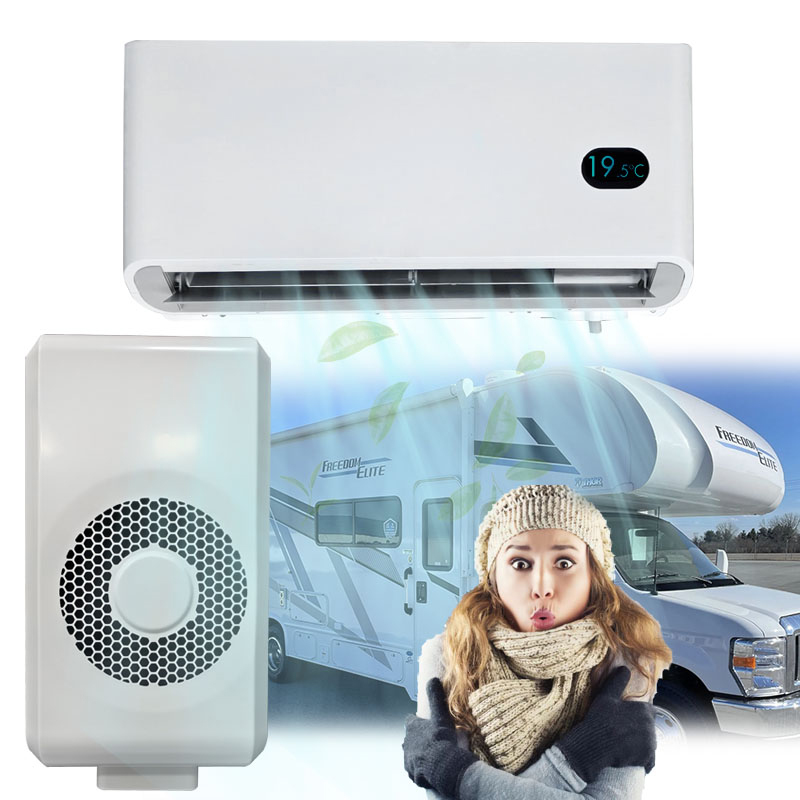 Portable Split Parking Air Conditioner for RV
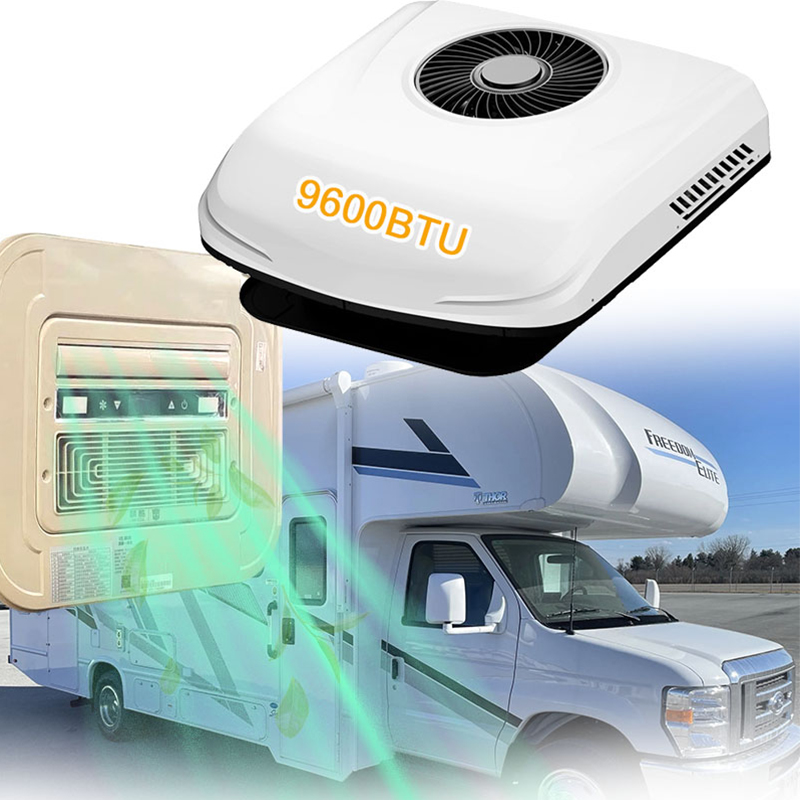 Portable Split Parking Air Conditioner for RV
 Hot Water Dispenser
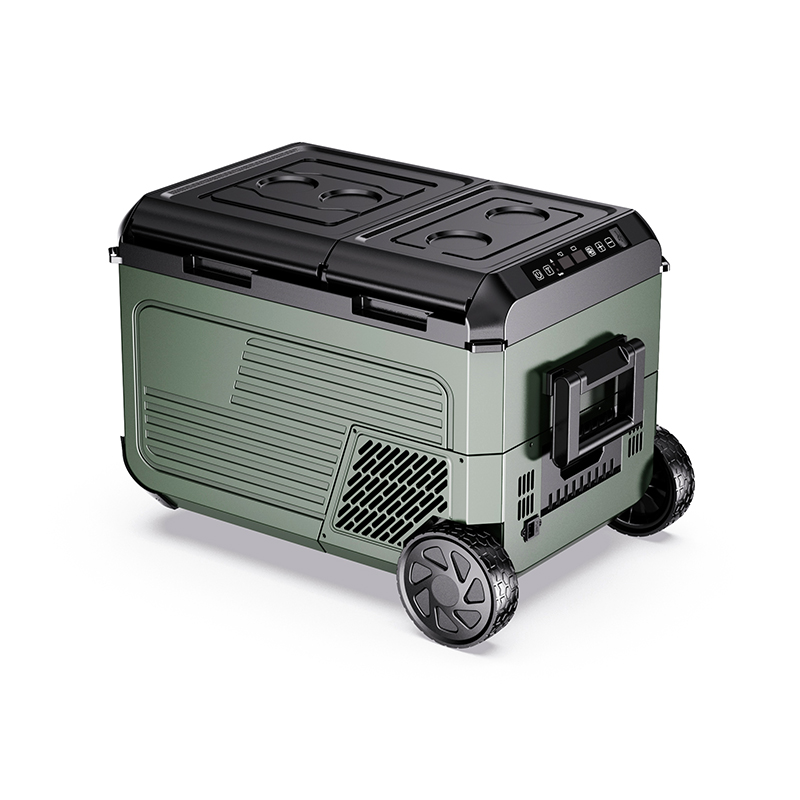 Outdoor Freezer
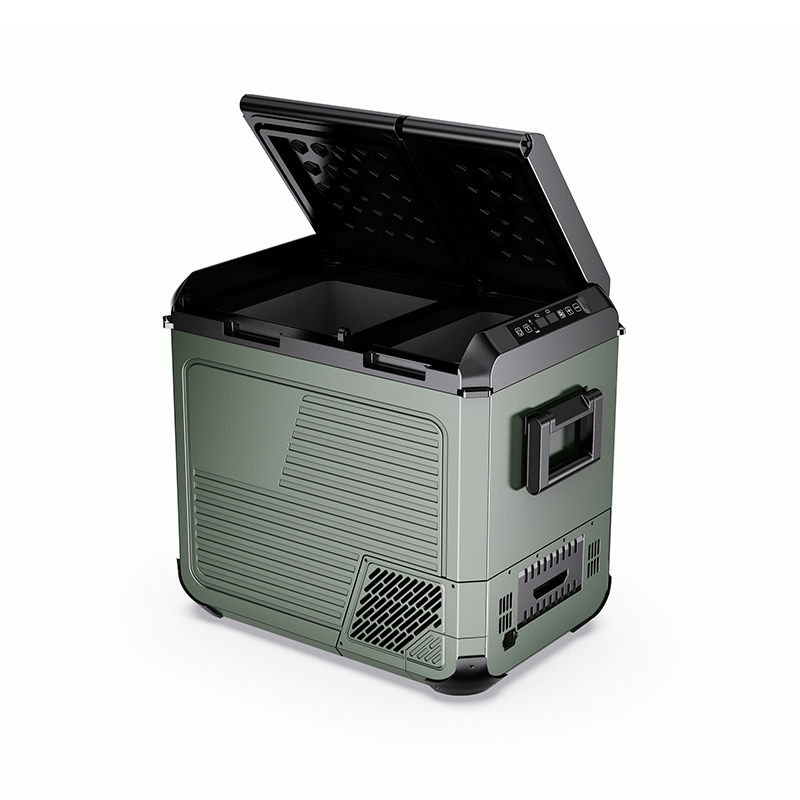 Outdoor Freezer
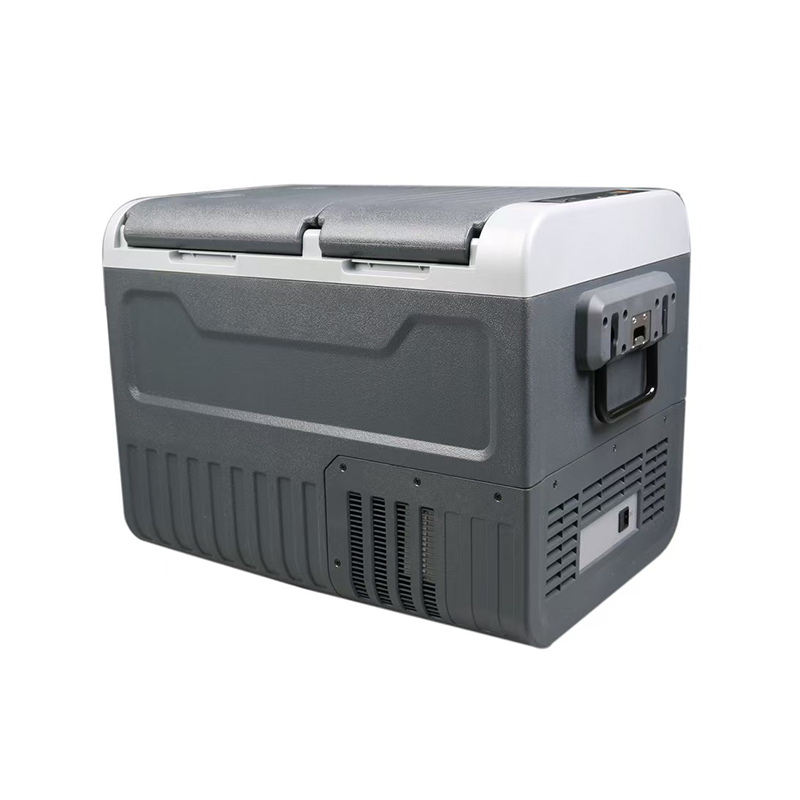 Car Refrigerator
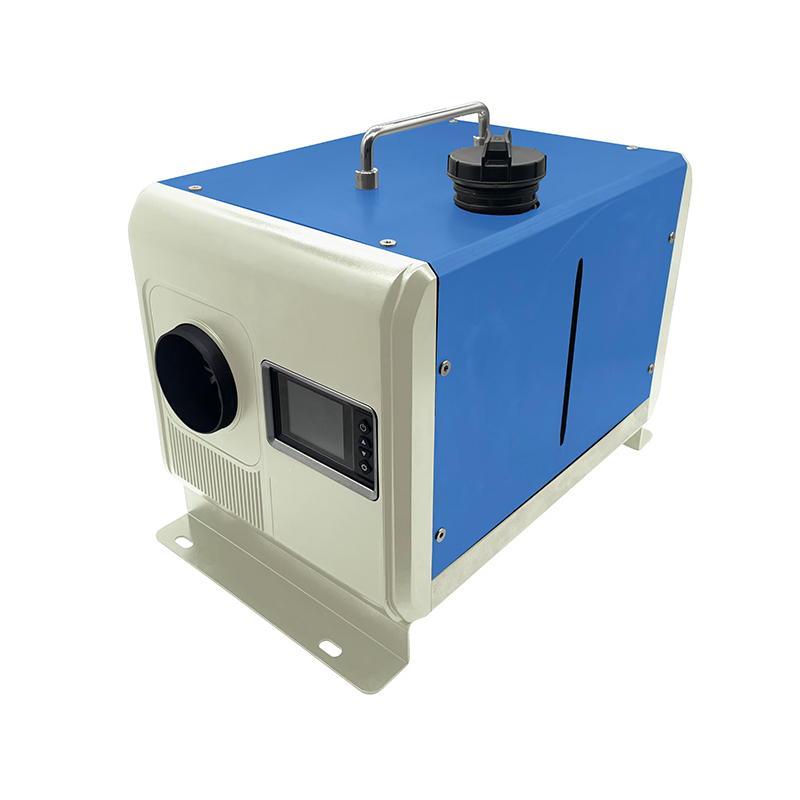 Diesel Heater For Vehicles
+86-18657986688
sale@lkcool.net
Building B, No. 9 Liunan Road, Niubeijin Industrial Zone, Baiyang Street, Jinhua, Zhejiang, China


 English
 Español
