Content
Temperature control can become a challenge during summer camping, particularly for RV trailers parked in direct sunlight or traveling through regions with high humidity. Although rooftop air conditioners are common in recreational vehicles, some owners prefer portable cooling equipment because of its flexible installation and space-saving possibilities. However, can a portable unit provide sufficient cooling for an RV trailer?
At Linkcool, we develop mobile air conditioning solutions for recreational vehicles, trucks, and outdoor applications. We believe that buyers should evaluate cooling capacity, electrical consumption, installation arrangements, and interior space before purchasing a portable cooling solution. A portable air conditioner for rv trailer applications can offer practical cooling support, provided its specifications match the vehicle's actual requirements.
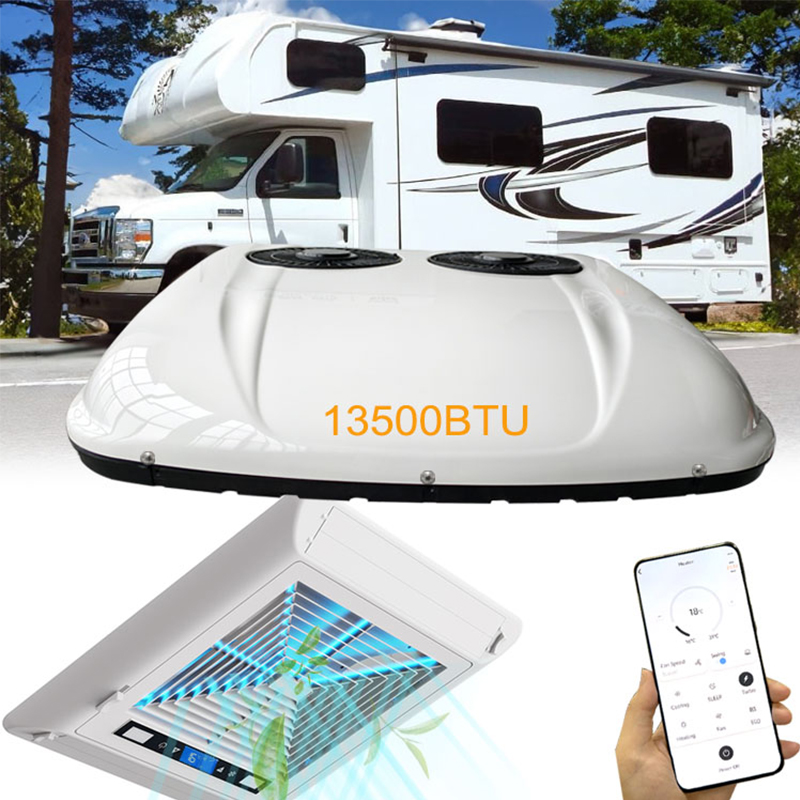
Trailer dimensions alone cannot determine the required cooling capacity. Several environmental and structural factors influence indoor temperatures and equipment performance.
RV manufacturers and equipment buyers should evaluate these conditions together rather than relying exclusively on trailer length. A compact trailer with poor insulation and extensive window exposure may require more cooling support than a larger, well-insulated vehicle.
Different air conditioning structures serve different RV applications. Portable split systems and conventional rooftop units have distinct installation arrangements and space requirements.
| Comparison Factor | Portable Split AC | Rooftop AC |
| Installation | Flexible positioning and split-unit arrangement | Requires suitable rooftop mounting |
| Interior Space | Depends on indoor unit placement | Preserves floor space |
| Roof Modification | May avoid permanent rooftop openings | Usually requires a suitable roof opening |
| Maintenance Access | Depends on component positioning | Access to rooftop components is required |
| Application | Supplementary or flexible cooling arrangements | Centralized cabin cooling |
A portable split design can be useful for RV owners who prefer flexible equipment positioning or want to avoid permanent rooftop modifications. However, buyers should confirm the installation arrangement, outdoor heat rejection, drainage, and secure positioning before purchase.
Cooling capacity is an important purchasing parameter, but the rated output needs to be considered alongside the trailer's heat load. A unit that performs well in a small sleeping area may not maintain the same temperature throughout a large RV with multiple compartments.
At Linkcool, our C200/C400 portable split parking air conditioner series is designed for RV applications. Both configurations provide a rated cooling capacity of 2200W and circulating airflow of 450 m³/h.
| Technical Parameter | C200 | C400 |
| Cooling Capacity | 2200W | 2200W |
| Circulating Air Volume | 450 m³/h | 450 m³/h |
| Rated Power Consumption | 800W | 750W |
| Rated Voltage | 24V DC | 24V DC |
| Rated Current | 33A | 29A |
| Refrigerant | R134a | R134a |
| Refrigerant Filling Capacity | 550 ± 5g | 550 ± 5g |
| Temperature Setting Range | 17–30°C | 17–30°C |
| Compressor Type | Scroll Compressor | Double Rotor Compressor |
These specifications provide useful references for RV distributors and OEM buyers comparing electrical demand and cooling output. Actual cooling results depend on insulation, outdoor temperature, cabin dimensions, and operating conditions. A 2200W unit should therefore be evaluated against the intended cooling area rather than assumed to cover every trailer configuration.
Portable cooling equipment still requires careful technical planning. Several details deserve attention before procurement and installation.
Both C200 and C400 use a 24V DC power supply. Buyers should verify battery voltage, usable capacity, wiring specifications, and charging arrangements. The rated current is 33A for C200 and 29A for C400, which should be included in the electrical load assessment.
A split system requires appropriate locations for its indoor and outdoor components. Buyers should check ventilation clearance, connection routing, drainage arrangements, and protection against road vibration.
Operating noise matters during overnight camping. Linkcool's C200/C400 product information specifies noise output below 50 dB, providing a useful reference for buyers comparing equipment for sleeping and living spaces.
Air filters, electrical connections, and heat exchange components should remain accessible for inspection and cleaning. A practical installation layout can simplify routine maintenance during extended travel.
At Linkcool, we provide automotive and outdoor cooling equipment for different mobile applications. Our C200/C400 series offers two compressor configurations with consistent rated cooling capacity, allowing buyers to compare power consumption and technical arrangements.
Before requesting a quotation, we recommend preparing the following information:
These details help our team discuss product compatibility and suitable configurations with distributors, RV manufacturers, and commercial buyers.
Portable air conditioning can meet the cooling needs of certain RV trailer applications, particularly compact living spaces and supplementary cooling zones. However, actual performance depends on cooling capacity, insulation, electrical supply, installation layout, and outdoor conditions.
At Linkcool, we focus on practical mobile cooling solutions that address different vehicle layouts and purchasing requirements. Our C200/C400 portable split parking air conditioner series provides 2200W rated cooling capacity, 24V DC operation, and two compressor configurations. Contact our team to discuss your RV air conditioning requirements, product specifications, and OEM/ODM cooperation opportunities.
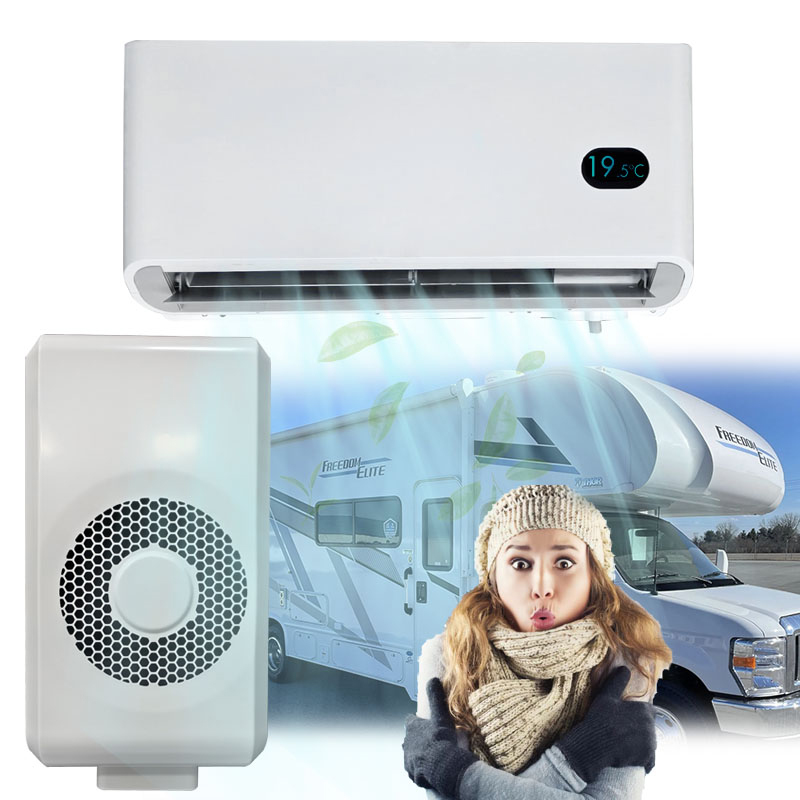 Portable Split Parking Air Conditioner for RV
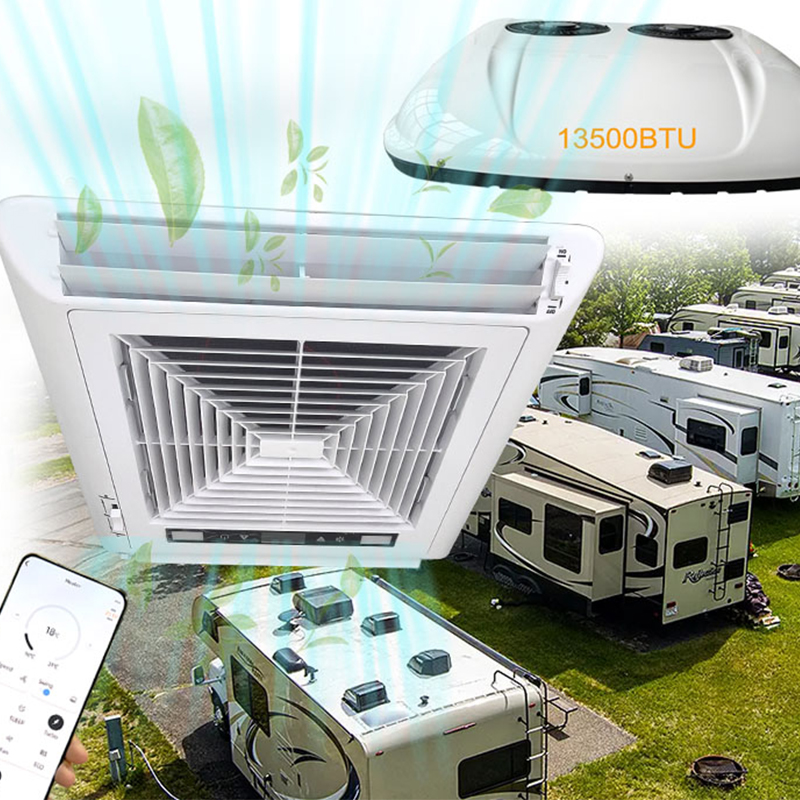 Portable Split Parking Air Conditioner for RV
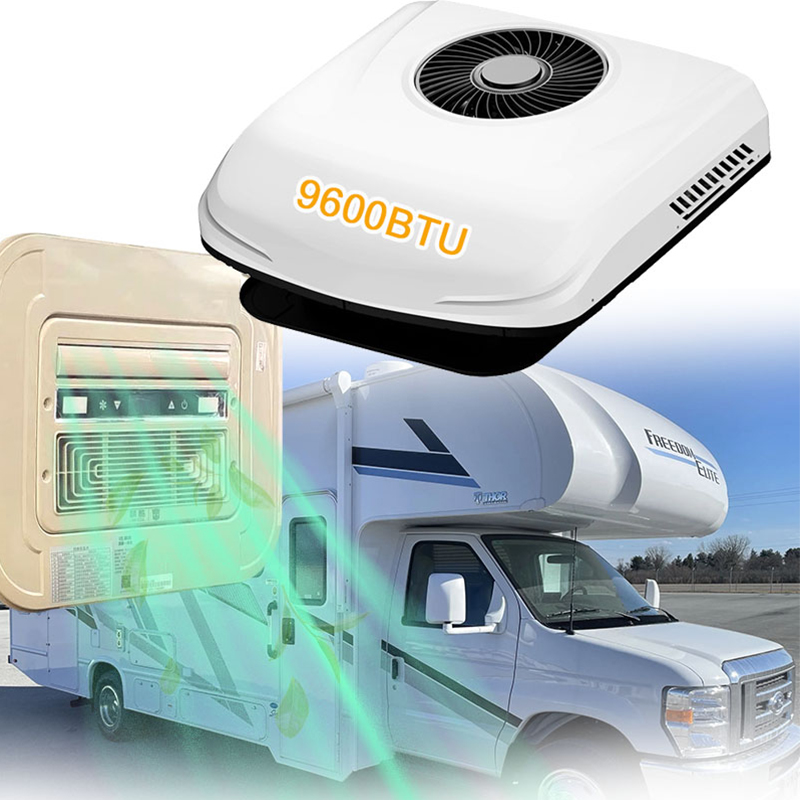 Portable Split Parking Air Conditioner for RV
 Hot Water Dispenser
 Outdoor Freezer
 Outdoor Freezer
 Car Refrigerator
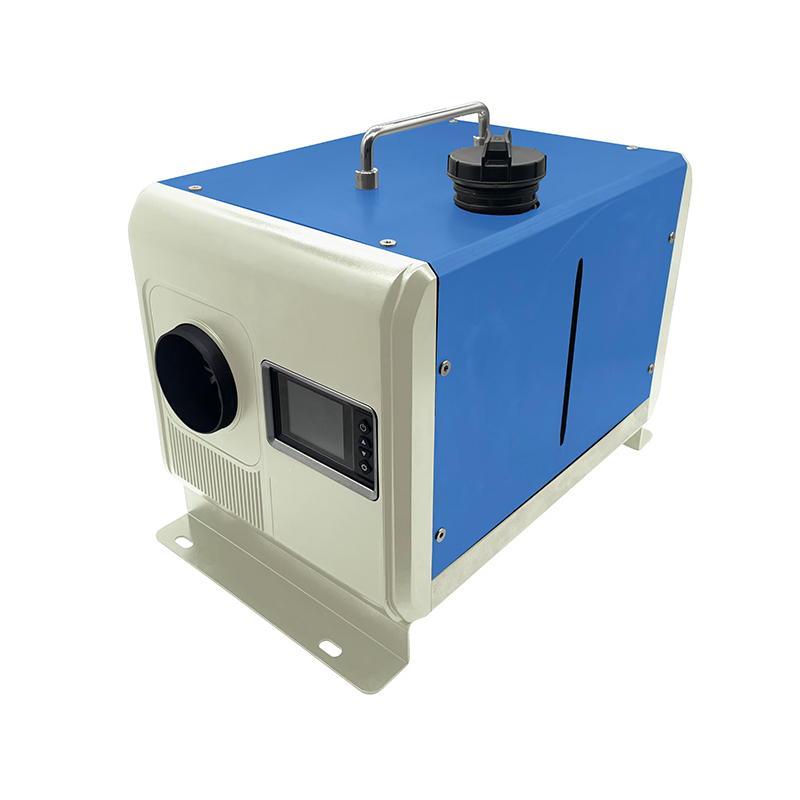 Diesel Heater For Vehicles
+86-18657986688
sale@lkcool.net
Building B, No. 9 Liunan Road, Niubeijin Industrial Zone, Baiyang Street, Jinhua, Zhejiang, China


 English
 Español
